Scuba divers find out-of-place sea creatures off Galápagos Islands. See them
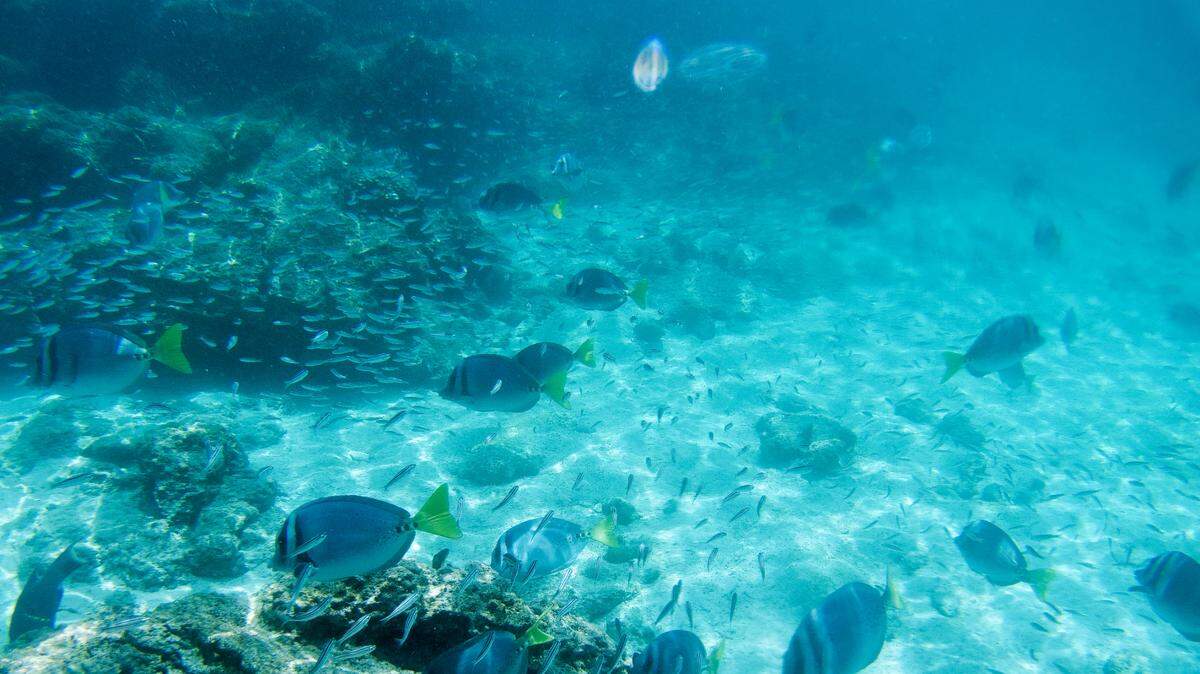
Plunging into the crystalline waters of the Galápagos Islands, scuba divers swam along a coral reef and watched its ever-shifting marine life. Amid the hubbub, several unfamiliar sea creatures caught their attention — and for good reason.
The out-of-place animals turned out to be first-of-their-kind sightings.
Scientists with the Charles Darwin Research Station were doing some routine wildlife surveys at the Galápagos Marine Reserve off the coast of Ecuador in late 2023 and early 2024 when they encountered some intriguing fish, according to a study published April 28 in the peer-reviewed journal Check List.
During dozens of scuba dives around the Galápagos Islands, researchers noticed eight fish species they’d never seen in the area before, the study said.
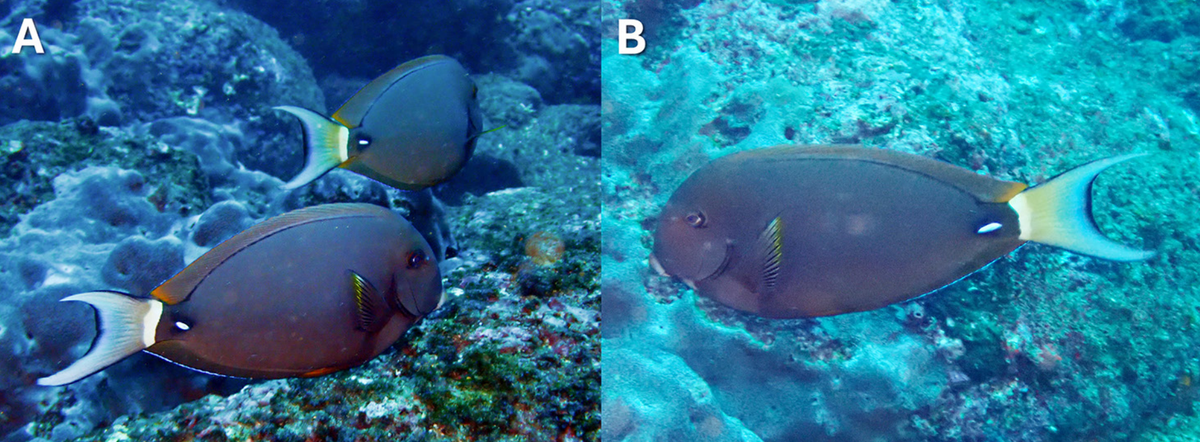
One of these species was Acanthurus leucocheilus, “a large surgeonfish,” that “inhabits shallow, protected reef flats and slopes reefs” of Southeast Asia, researchers said and photos show. This fish on average is nearly 18 inches long.
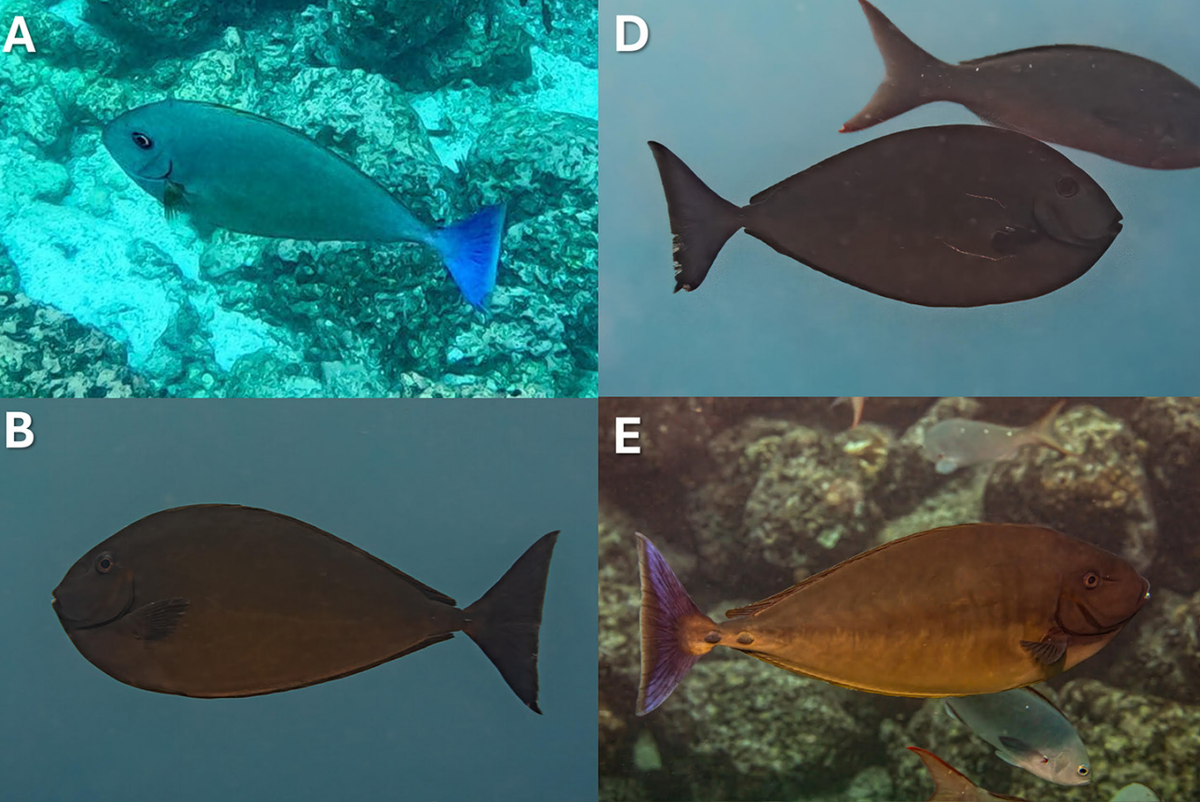
Researchers also saw Naso hexacanthus, or the sleek unicornfish, which “is commonly found swimming above coral and rocky reefs.” The species is widespread throughout Southeast Asia but “occasionally appears as a vagrant” along the coast of Central and South America.
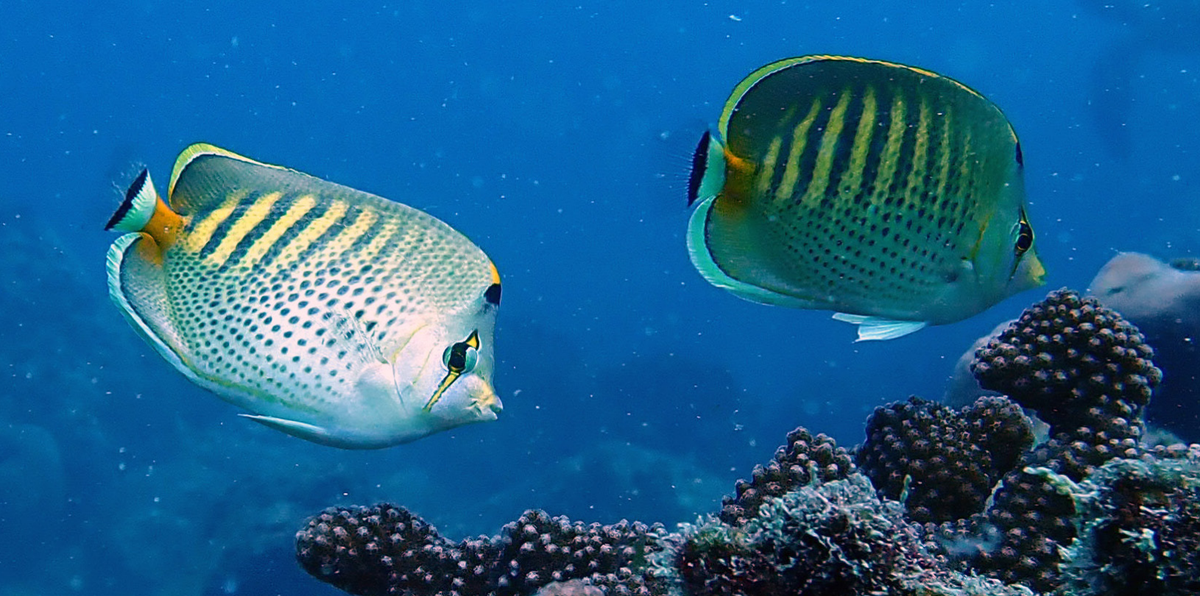
On another dive, researchers photographed a pair of Chaetodon punctatofasciatus, or spotband butterflyfish, yet another species typically found in Southeast Asia, the study said. “It is often observed in pairs,” researchers said.
Researchers noticed a pattern.
Based on the timing of the sightings and the likely origin of the fish, they concluded that several of these fish had “likely arrived during recent El Niño phenomena” when an ocean current that usually moves from South America toward Southeast Asia “temporarily reversed” direction.
El Niño events “are often associated with the appearance of new discovered species in (Eastern Tropical Pacific) archipelagos,” the study said. But the new species’ presence off South America “is often temporary” and “not necessarily” a long-term change in its distribution.
“It is possible that some of the species recorded here arrived during previous (El Niño) events, such as the one in 2015/16, but evaded detection,” the study said.
Researchers also suggested that some of the newly recorded fish species could have arrived in the Galápagos Islands by drifting with marine debris, a method known as “rafting.”
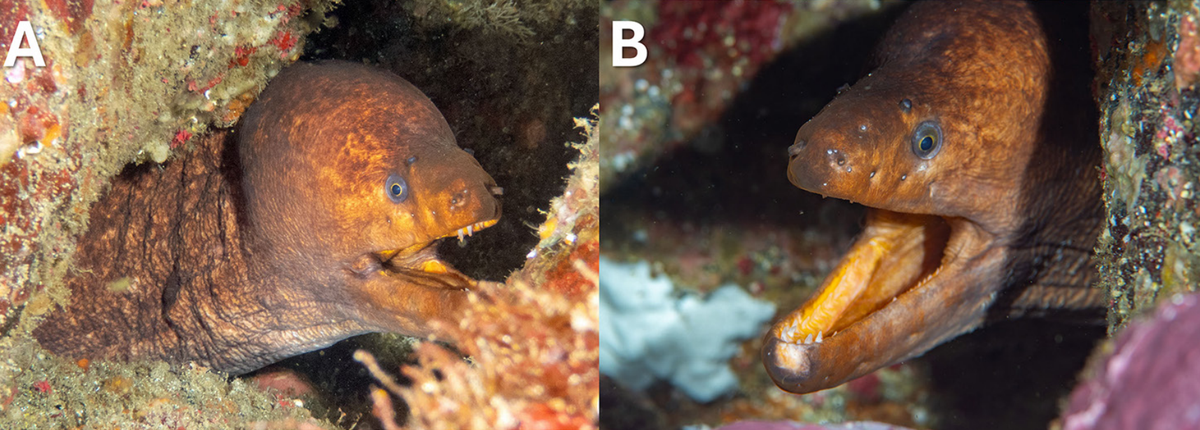
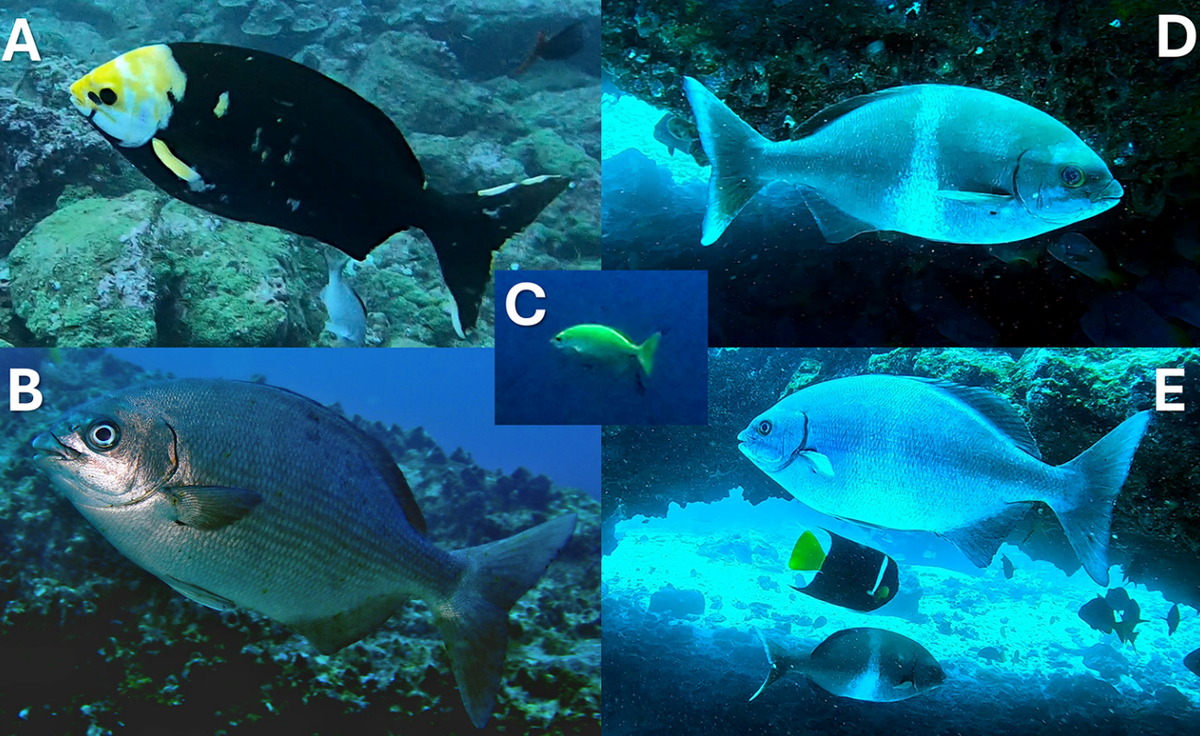
Photos show a few of the other first-of-their-kind sightings, such as Gymnothorax porphyreus, or the Lowfin moray eel, and Kyphosus sectatrix, or the Bermuda sea chub.
Researchers “believe the number of vagrant arrivals is higher than currently recognised” and suggested further surveys and collaboration with other scuba divers.
The research team involved William Bensted-Smith, Franklin Terán, Stuart Banks and Inti Keith as well as other citizen scientists and scuba divers.
This story was originally published May 2, 2025 at 9:18 AM with the headline "Scuba divers find out-of-place sea creatures off Galápagos Islands. See them."