10-foot-long predator — with toxic flesh — is first-of-its-kind catch off Mexico
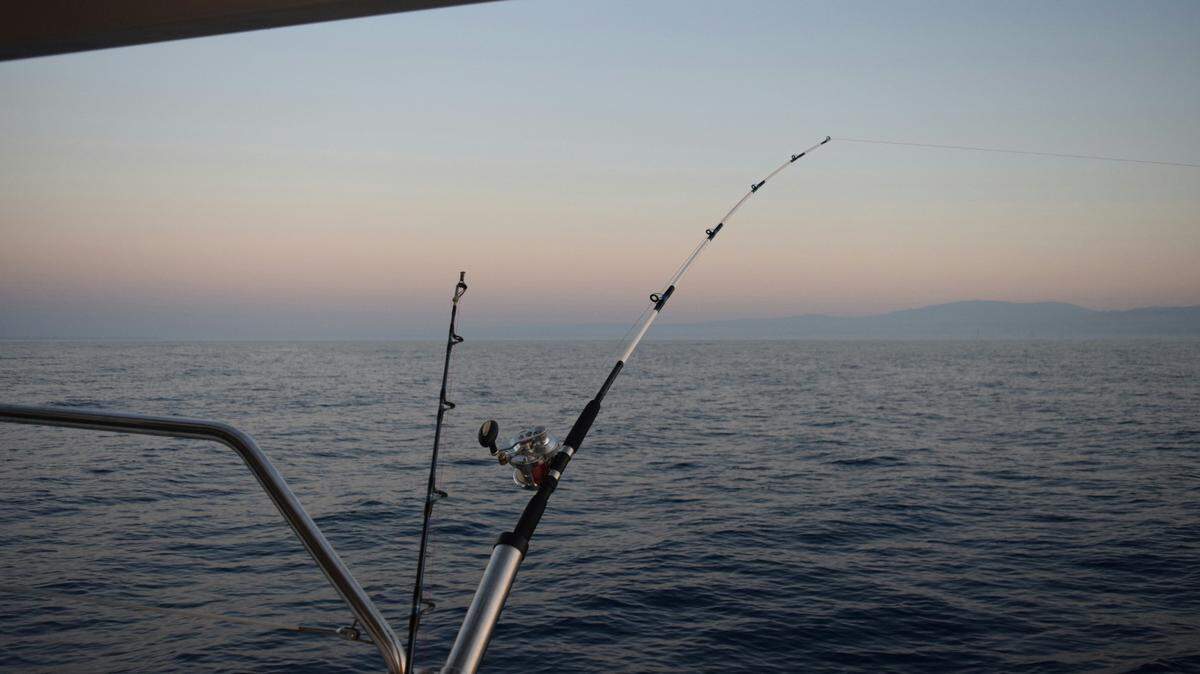
Off the coast of Veracruz, Mexico, fishermen attached hunks of bonito fish to a longline and dropped it in the water.
The nearly 400-foot line drug through the water until something heavy chomped down on the bait and was reeled to the surface.
The fishermen recorded a video of the creature on the end of the line as it approached the boat on the July day in 2024, possibly not realizing the significance of the catch.
The hook was caught in the mouth of a bluntnose sixgill shark — the first ever confirmed catch “for Mexican waters of the Gulf of Mexico and the Caribbean Sea.”
The shark was brought to shore to be weighed and measured, according to a study published June 6 in the peer-reviewed journal Acta Ichthyologica et Piscatoria.
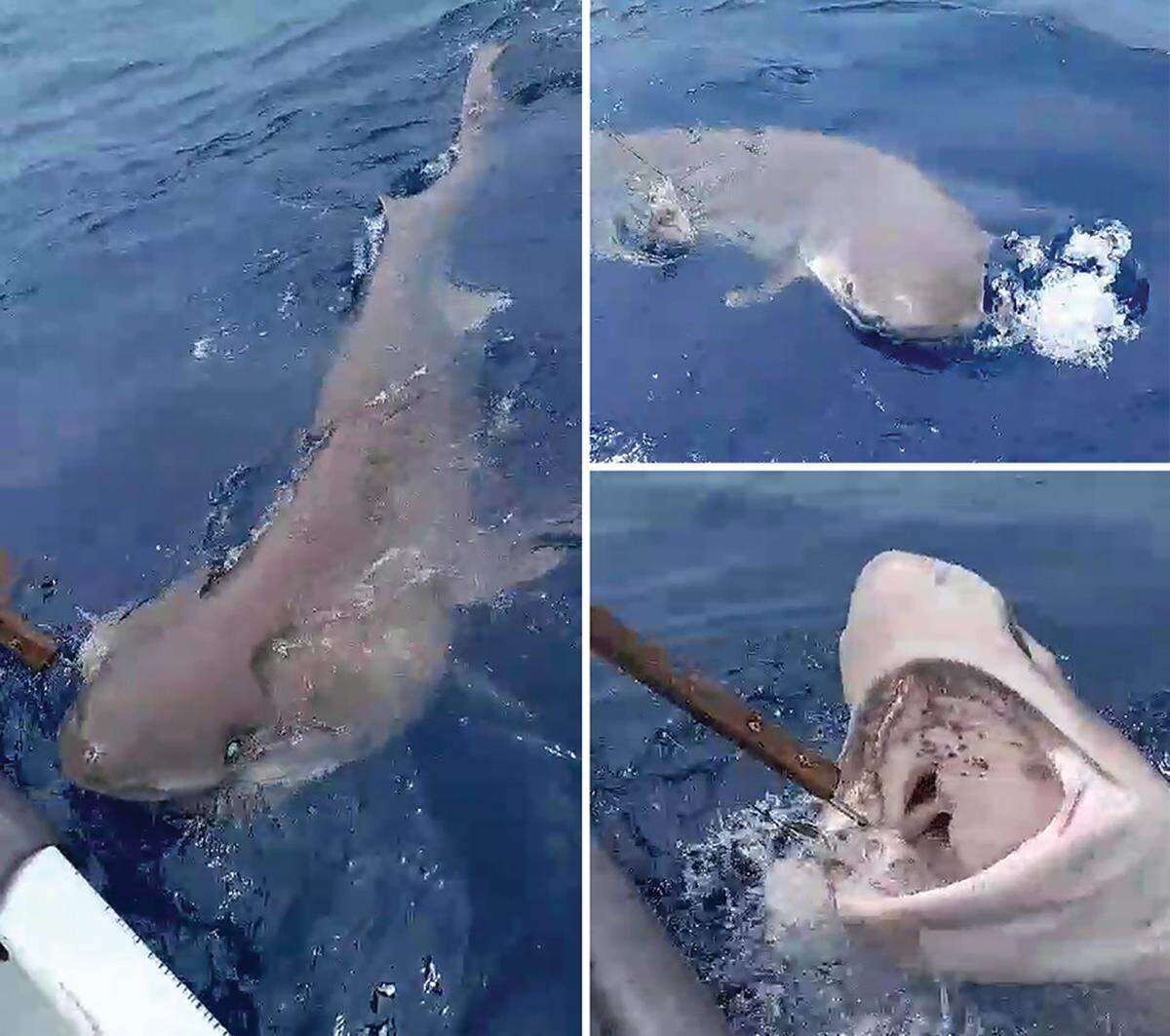
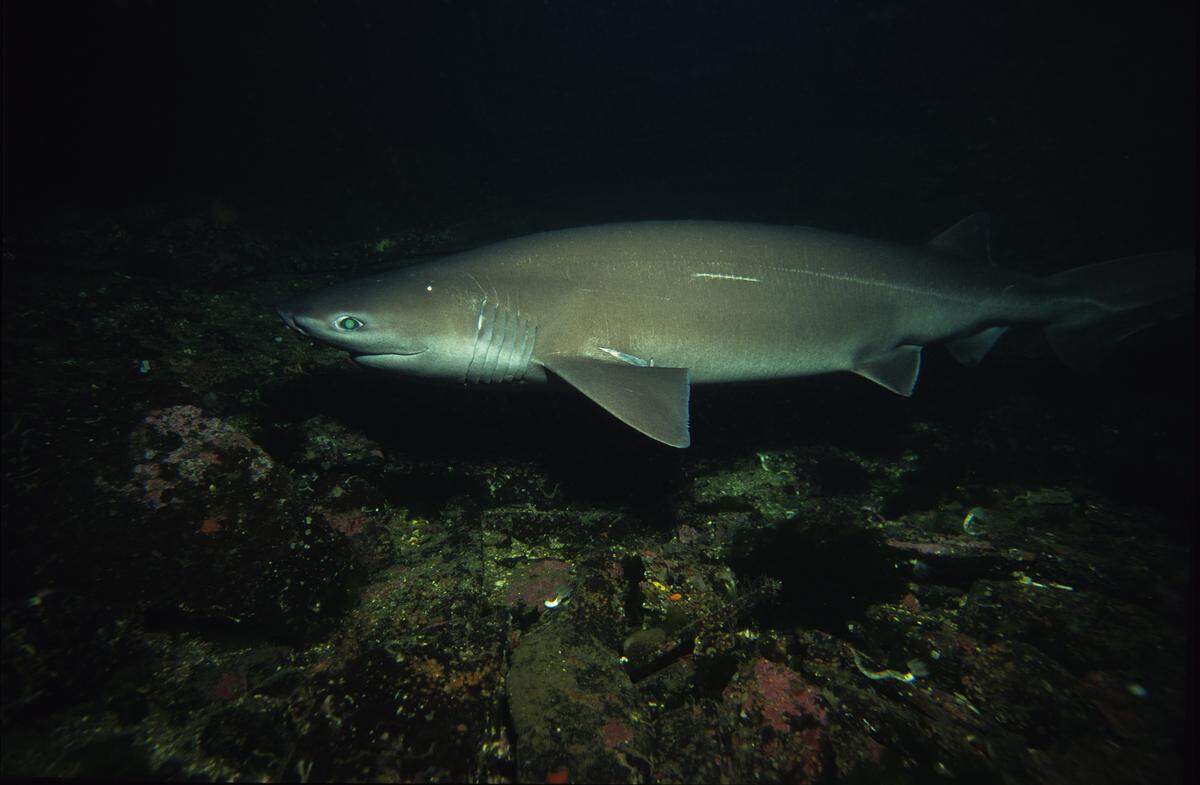
The nearly 10-foot-long shark has a “robust body” and a “large and broad head,” researchers said. The shark’s “big mouth” holds “six rows of large, serrated comb-shaped teeth on each side of the lower jaw.”
The shark has a “prominent tapetum lucidum,” or reflective layer in the eye, that makes their eyes appear “fluorescent greenish” while alive.
The shark was a sexually mature male, likely at the peak of its size, researchers said.
Bluntnose sixgill sharks, or Hexanchus griseus, can be found globally, but in patches of ocean instead of widely distributed, according to the study.
The first record of the shark in the Gulf of Mexico was in 1962 when a 14-foot female was caught off the coast of Alabama, according to the study. A 10-foot male bluntnose sixgill shark was caught off the coast of Texas in 1984.
This record, however, confirms the species’s distribution to the southwest region of the Gulf.
“Local fishermen have reported capturing the species on several occasions, however the specimens were released since the flesh is bland and not well appreciated due to its consistency,” according to the study. “It also has a large amount of fat which is considered toxic. For this reason, species of the genera Hexanchus and Heptranchias have been dubbed milk sharks by local fishermen.”
The shark’s flesh has an incredibly high concentration of oil, leading to the meat being considered ichthyosarcotoxic, and not safe to eat, according to the study.
This means that when the sharks are caught it is typically incidental and they are not specifically targeted in any commercial operations, researchers said.
The sharks are usually found below 300 feet, though juveniles swim closer to coastal areas, according to the study.
The shark was caught 12 miles north of the community of Salinas Roca Partida.
The Gulf of Mexico was renamed as the Gulf of America by executive order on Jan. 20 by President Donald Trump. This change is not recognized outside the United States.
The research team includes Luis Fernando Del Moral-Flores, Sergio Alejandro Lozano-Quiroz, Viridiana R. Escartín-Alpizar, Eduardo García-Mercado and Rolando Hernández-Ortiz.
This story was originally published June 10, 2025 at 6:24 PM with the headline "10-foot-long predator — with toxic flesh — is first-of-its-kind catch off Mexico."