
From the bottom of the sea to the tops of trees: See newly discovered species

The summaries below were drafted with the help of AI tools and edited by journalists in our News division. All linked stories were reported, written and edited by McClatchy journalists.
Unique creatures, odd animals and new species are being discovered across the planet. Some are found lurking in remote corners of the world, while others have been hiding right under our noses.
Learn more about some recent new species discoveries:
‘Long’-tailed creature gets caught in trap in India forest. It’s a new species
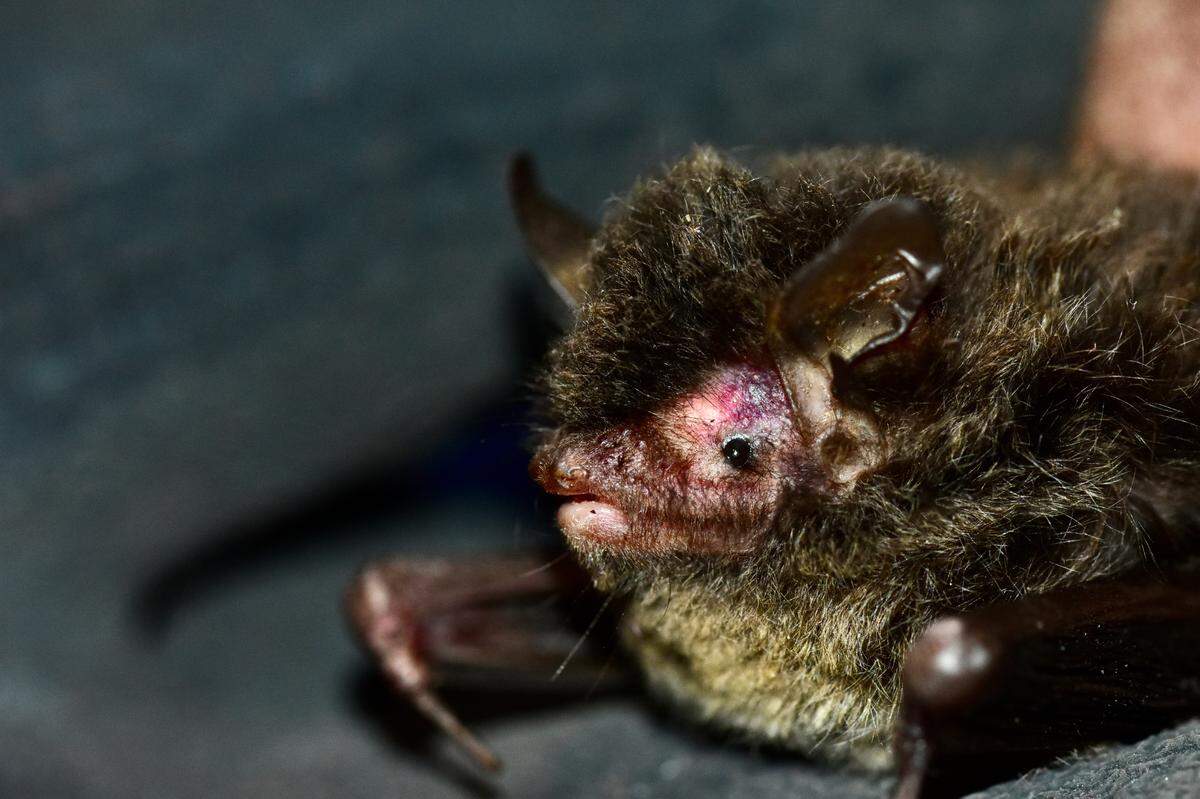
In the dense forests of Uttarakhand, India, researchers discovered a new species of bat named Myotis himalaicus, or the Himalayan long-tailed Myotis. This elusive bat, with its long tail and delicate features, was found during wildlife surveys conducted between 2017 and 2021. The species was identified by its unique DNA and physical characteristics. | Published June 6 | Read More |
Five-armed creature — covered in ‘axes’ — found off Taiwan. See the new species
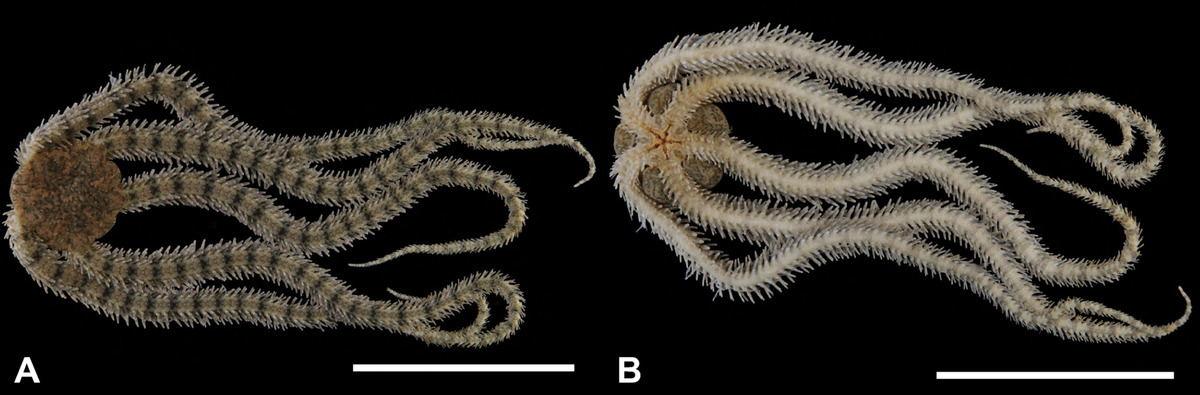
Off the coast of Taiwan, a new species of brittle star, Breviturma securis, was discovered. Known for its axe-shaped patterns on its arms, this creature was found in the intertidal zones and shallow waters. Previously misidentified, this brittle star’s true identity was confirmed through DNA analysis. | Published June 10 | Read More |
‘Gargantua’ deep-sea creature among new species found in Atlantic. See them
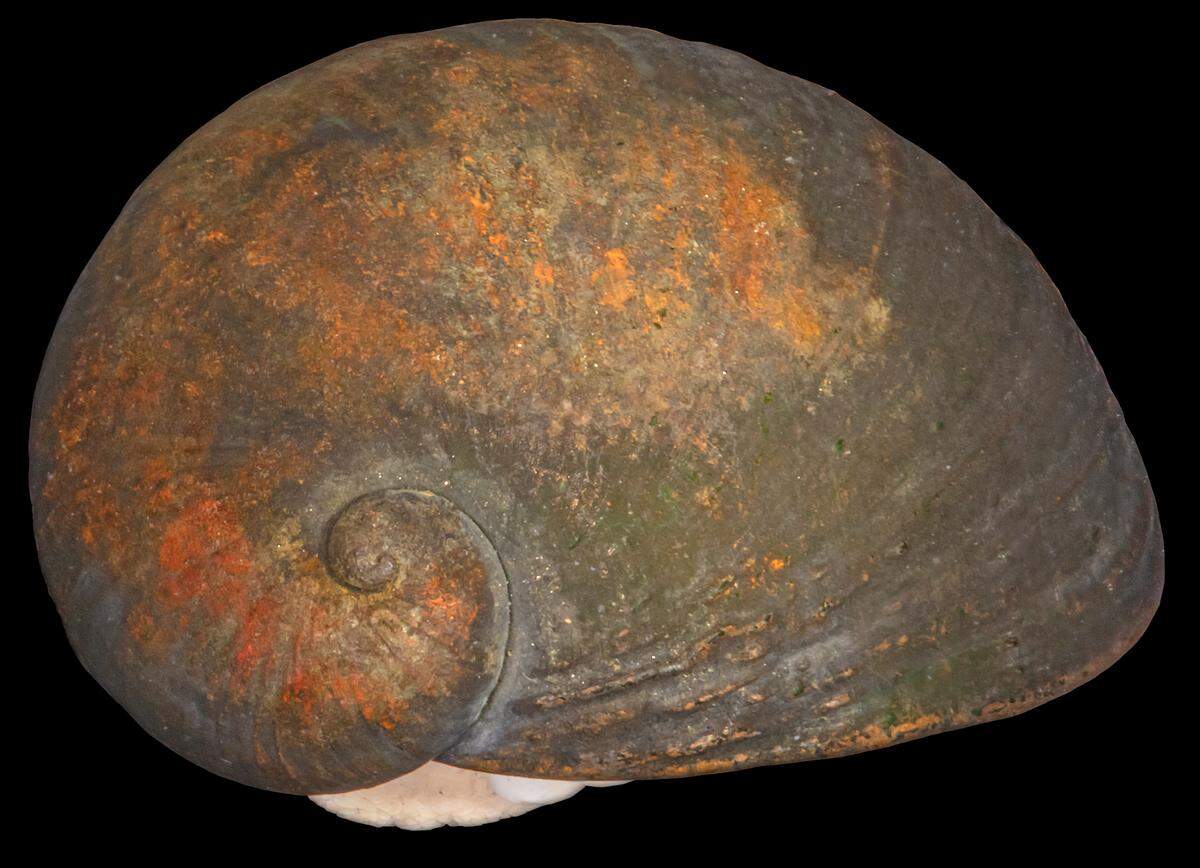
In the depths of the Mid-Atlantic Ridge, researchers found two new species of marine snails, including Peltospira gargantua. These snails, discovered near hydrothermal vents, are notable for their large size compared to their relatives. The discovery was made using remote underwater vehicles. | Published June 11 | Read More |
‘Large’ creature with spines on its belly found at waterfall. It’s a new species
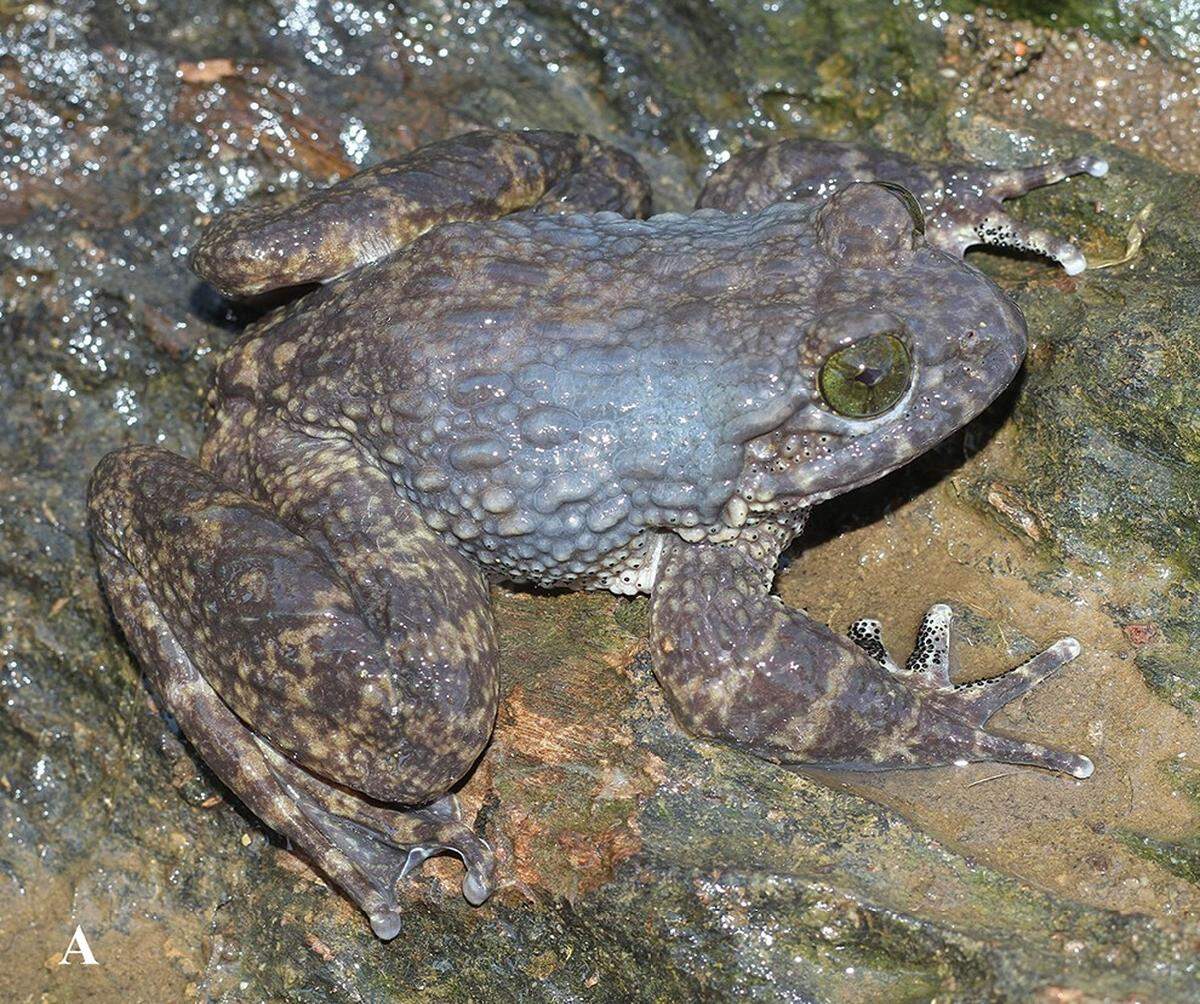
In the forests of northern Vietnam, scientists discovered Ohler’s spiny frog, or Quasipaa ohlerae. This large frog, with its distinctive spines and heart-shaped tongue, was found near rocky streams. The species was named in honor of a colleague and identified through DNA analysis. | Published June 11 | Read More |
‘Large’ creature with heart-shaped tongue found in Vietnam. It’s a new species
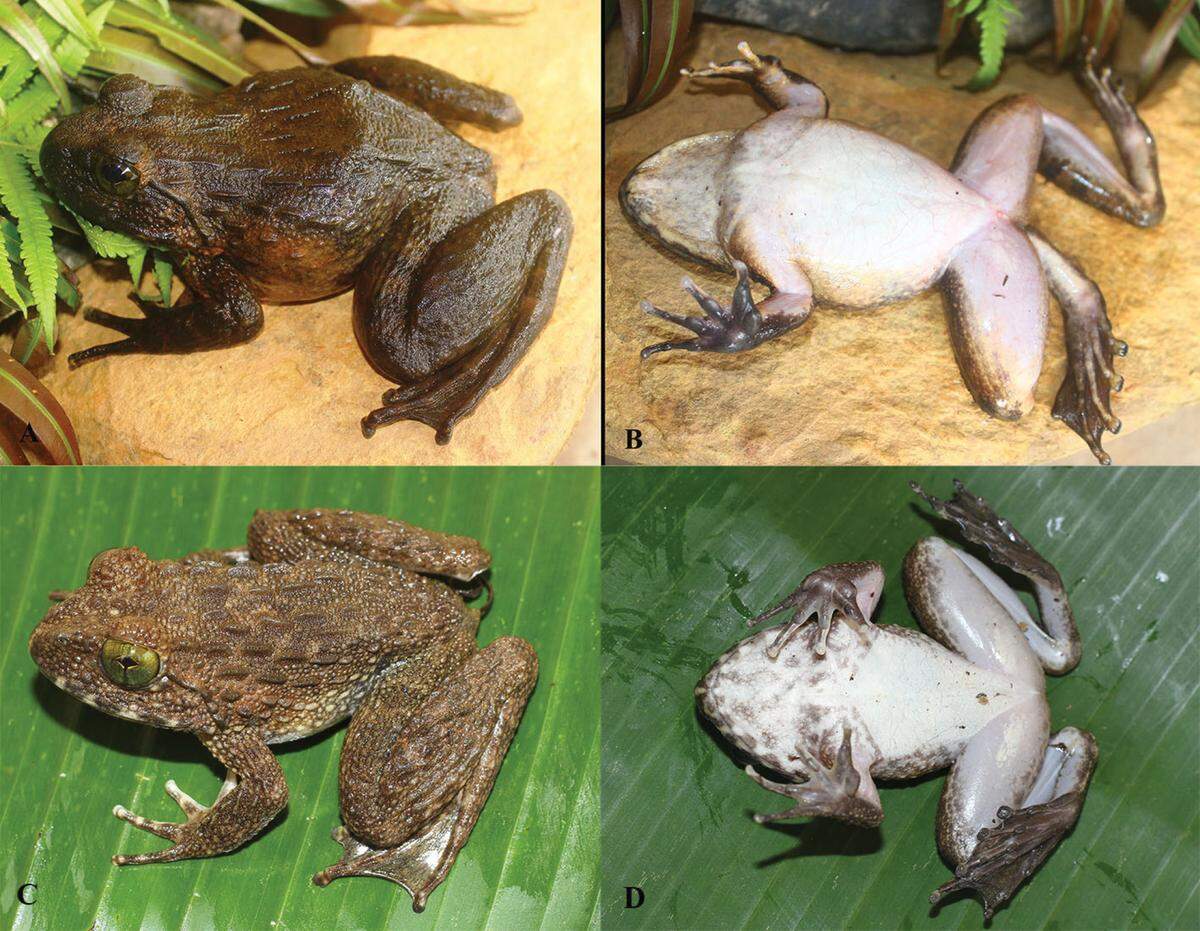
Binh’s spiny frog, or Quasipaa binhi, was discovered in the forests of central Vietnam. Known for its robust body and heart-shaped tongue, this frog was found near forest streams. The species was named in memory of a colleague and identified by its unique physical features and genetic divergence. | Published June 12 | Read More |
McClatchy News continues to follow the discovery and sightings of unusual and intriguing species. Check back for the latest stories.
This story was originally published June 13, 2025 at 12:28 PM with the headline "From the bottom of the sea to the tops of trees: See newly discovered species."