Rare carnivore seen ‘ambush hunting’ at Nepal park in first-of-its-kind sighting
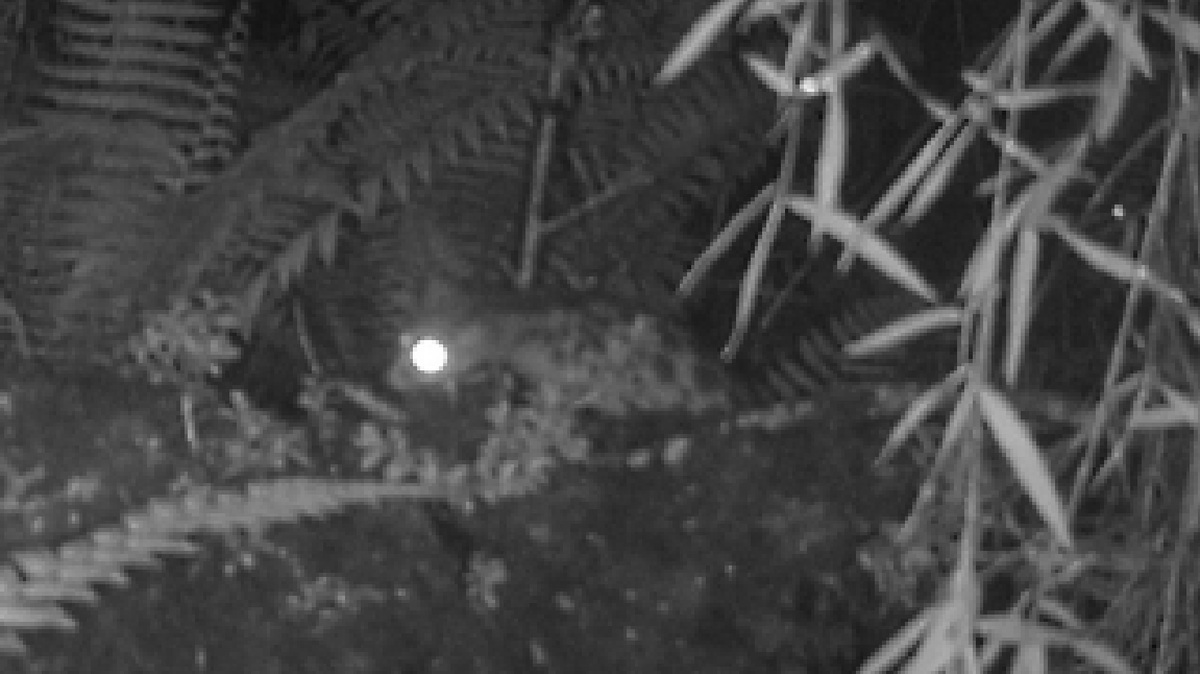
Thousands of feet up in the Himalayas, a “rare” carnivore searched for its next meal, stalking its prey through the trees. Its remote home and “elusive” lifestyle largely kept it hidden — but not this time.
A nearby trail camera snapped a photo of the spotted animal. It turned out to be a first-of-its-kind sighting.
A team of researchers set up a series of trail cameras throughout Makalu Barun National Park in Nepal “as part of a pilot project,” according to a study published July 26 in the peer-reviewed Journal of Threatened Taxa.
The park was “renowned” for its “ecological diversity” but hadn’t been extensively surveyed.
In hopes of changing that, researchers placed 10 trail cameras near “wildlife trails or corridors.” The cameras were placed in April 2019, “checked every three months” and finally collected in March 2024, the study said.
The 5-year-long effort paid off, “resulting in 38,075 photographs” of “30 mammal species.”
But a few of the trail camera photos stood out from the rest as the region’s “first photographic evidence” of “two elusive carnivores,” the study said.
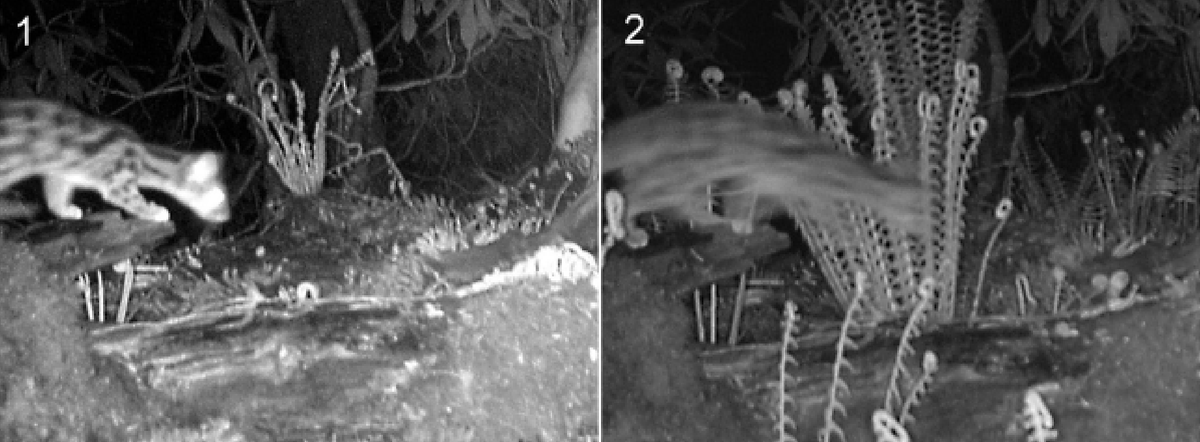
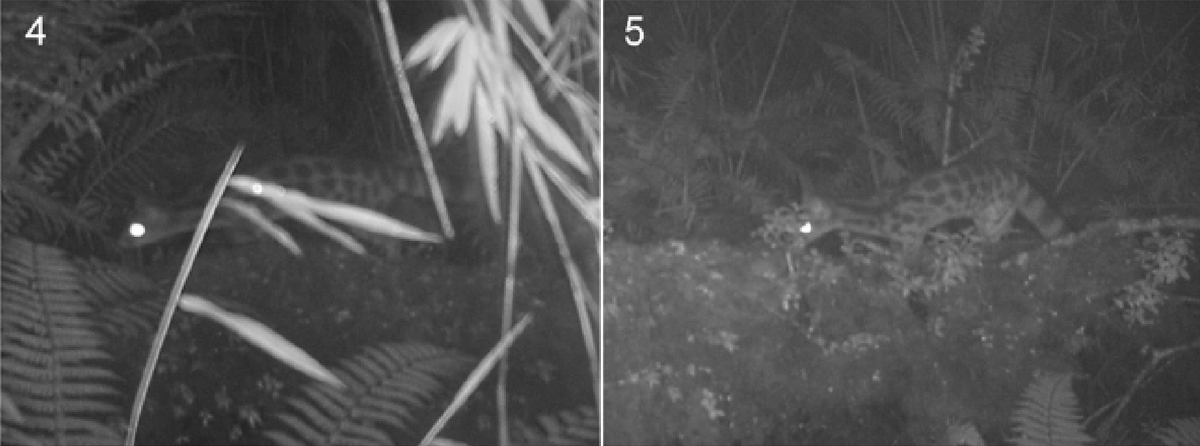
Researchers identified 12 sightings of a nocturnal, tree-dwelling civet known as the spotted linsang, the study said.
Spotted linsangs, or Prionodon pardicolor, are “one of Asia’s least studied species,” researchers said. They likely feed on smaller prey such as rodents, squirrels and shrews. In Nepal, the species is considered “endangered due to a small population of approximately 100 individuals.”
Trail camera photos from Makalu Barun National Park showed spotted linsangs “stalking” and “ambush hunting.” In several photos, the animals’ eyes appear to shine.
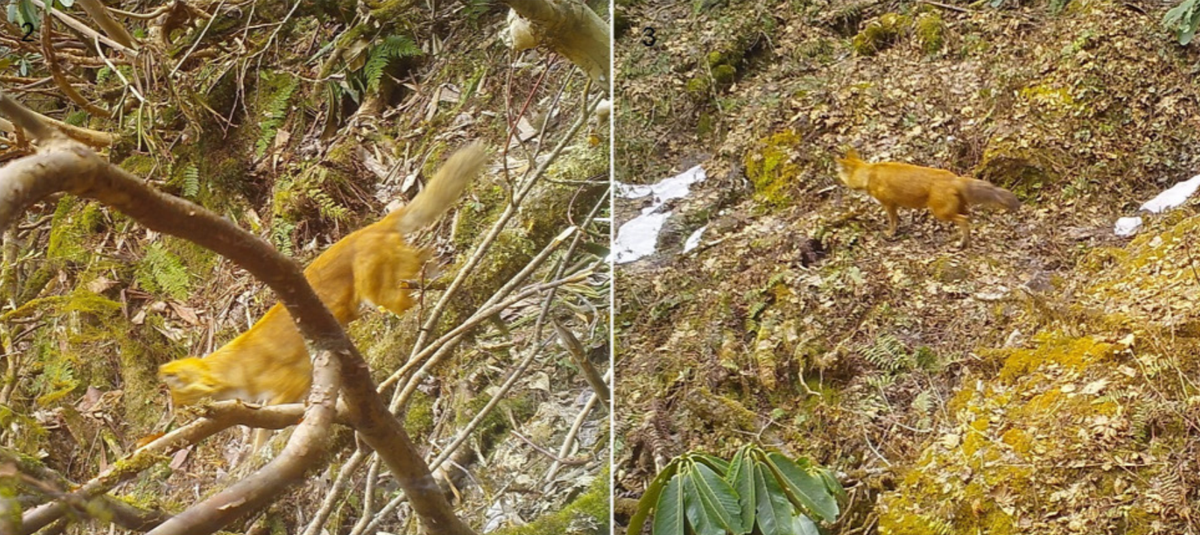
Researchers also identified three sightings of a dhole, or Asiatic wild dog, the study said.
Dholes are “one of Asia’s most widely distributed carnivores” and an endangered species threatened by “habitat destruction, and persecution,” researchers said. In Nepal, there are “estimated to be fewer than 500” dholes.
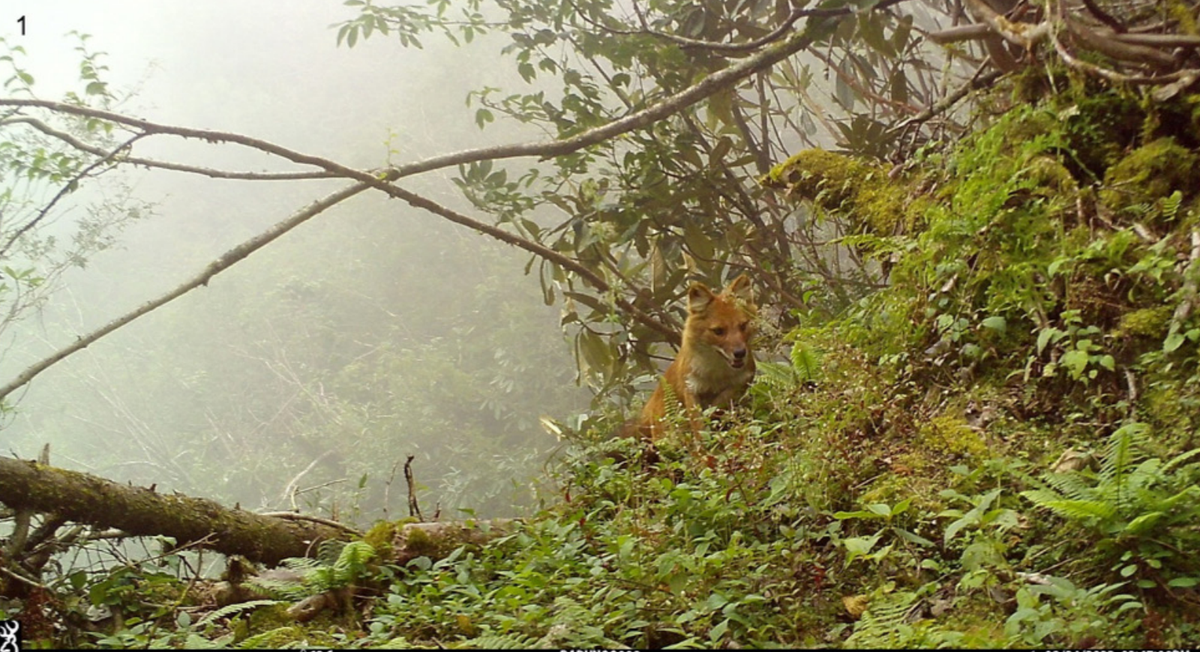
Trail cameras recorded the dholes “trotting” past, their golden coats naturally blending in with the foliage.
Researchers concluded that Makalu Barun National Park is “a significant habitat for rare mammals” and recommended “more focused, extensive surveys, and the need for targeted conservation efforts to protect these two species and their fragile alpine habitats.”
Makalu Barun National Park is in northeastern Nepal, a landlocked country bordering China and India.
The research team included Hari Basnet, Nawang Sing Gurung, Shyam Kumar Shah, Dukpa Thikepa Bhote, Khagendra Sangam, Naomi Bates and Daniel Carl Taylor.
This story was originally published July 29, 2025 at 10:03 AM with the headline "Rare carnivore seen ‘ambush hunting’ at Nepal park in first-of-its-kind sighting."