Prehistoric creature — with ‘snake-like’ jaws — found in Scotland as new species
The Isle of Skye holds the key to ancient species.
From the Elgol dinosaur to the Krusatodon or the world’s largest pterosaur fossil from the Jurassic period, fossils found here have shaped our understanding of the prehistoric world.
The isle, in northwestern Scotland, is now the site of another new species discovery, this time one that changes how we think about snake evolution.
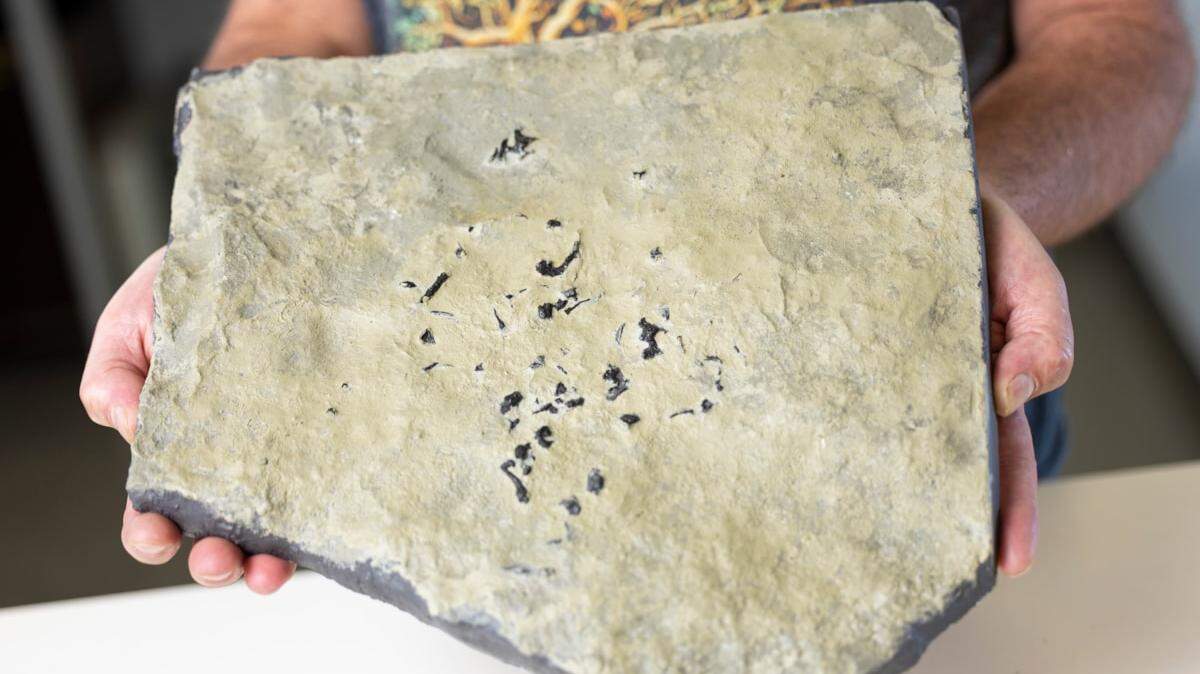
Stig Walsh, a curator at National Museums Scotland, found disarticulated fossils in 2015 outside the town of Elgol, according to an Oct. 1 study published in the peer-reviewed journal Nature and a news release from the museums.
The fossils date to the middle Jurassic period, or about 167 million years old, and looked like they belonged to a species of squamate, a lizard and snake ancestor, according to the study.
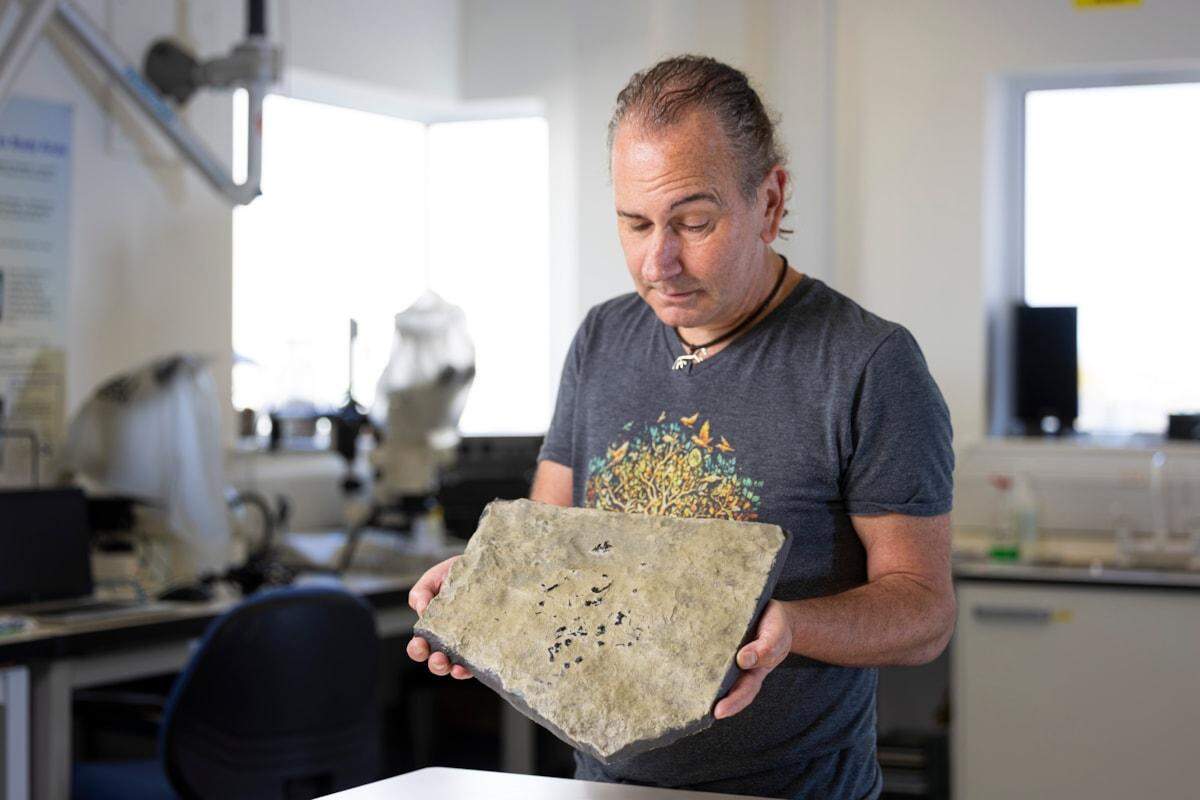
Spread across an area of about 8 inches, the fossils include elements of the skull, vertebrae and hindlimbs, researchers said.
“The skeleton has lizard-like proportions,” researchers said, “with large, well-developed limbs.”
The jaw, however, wasn’t lizard-like at all.
The animal was “fanged” and had “snake-like jaws and highly recurved teeth, similar to those of modern-day pythons,” according to the release.
The squamate therefore is like nothing that’s been seen before, and a species new to science.
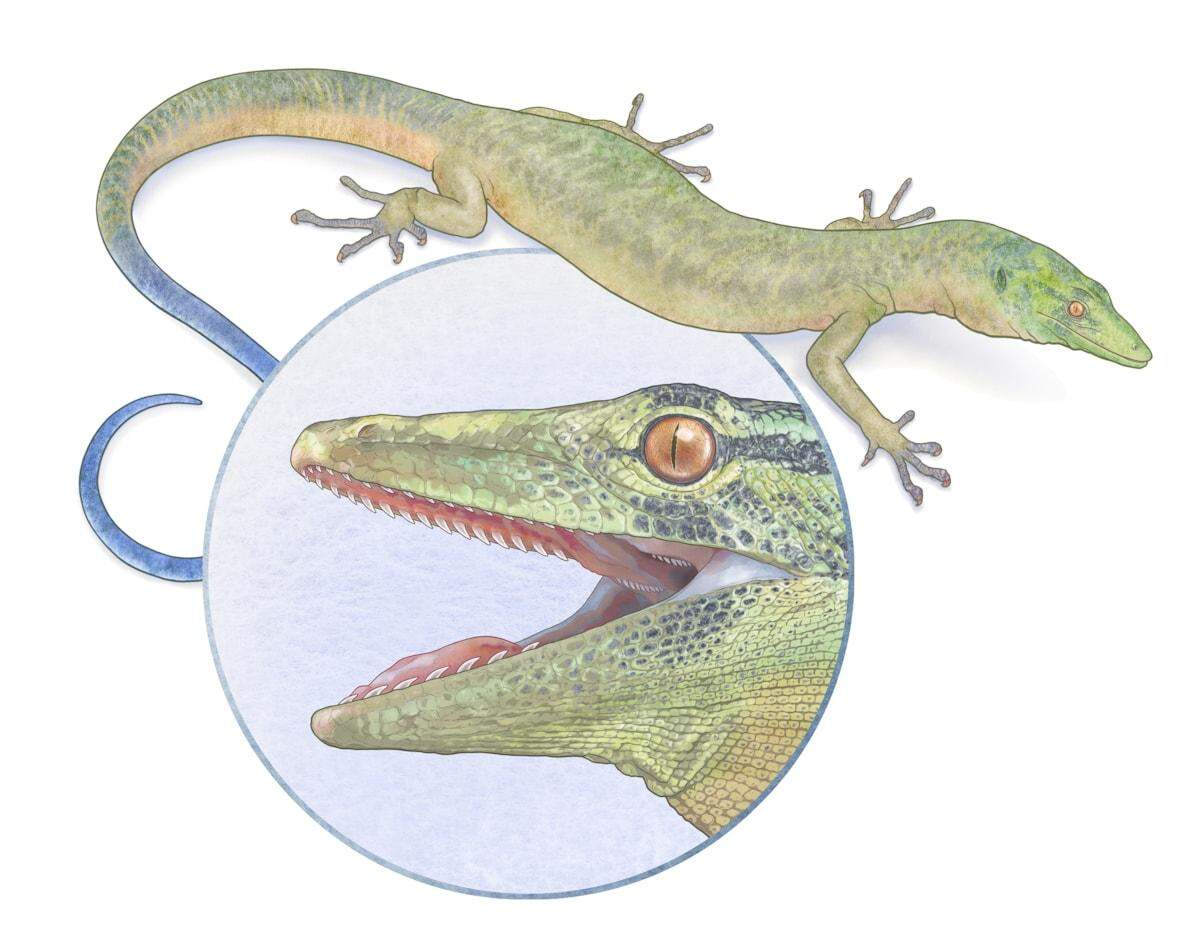
Breugnathair elgolensis is the first of a new family of squamates called Parviraptoridae, described as “an enigmatic group with potential importance for snake origins, that was previously known from very incomplete remains,” according to the study.
Its name means “false snake of Elgol,” noting its place in evolutionary history and the Scottish town near where it was discovered.
“Snakes are remarkable animals that evolved long, limbless bodies from lizard-like ancestors. Breugnathair has snake-like feature(s) of the teeth and jaws, but in other ways is surprisingly primitive,” study author Roger Benson said in the release. “This might be telling us that snake ancestors were very different to what we expected, or it could instead be evidence for evolution of predatory habits in a primitive, extinct group.”
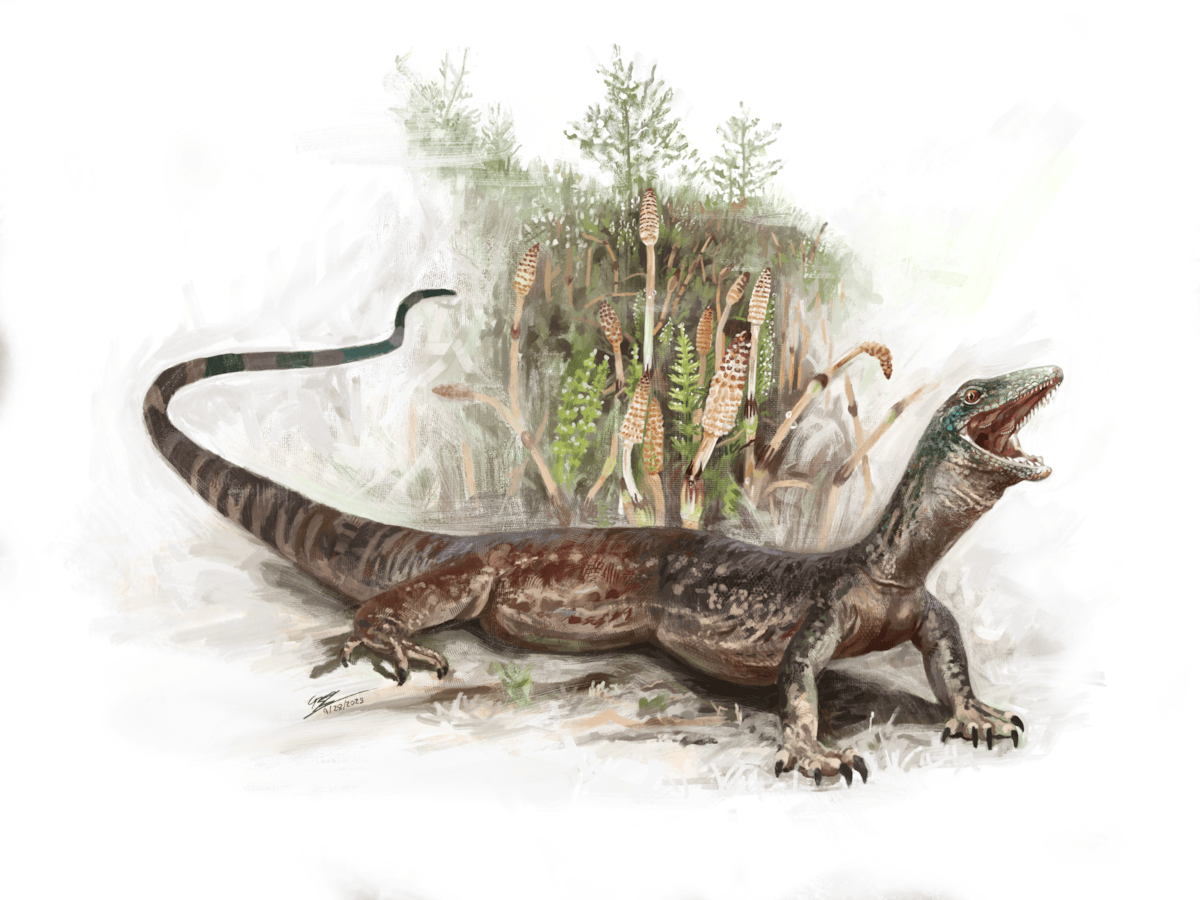
Parviraptoridae has been argued to include the “earliest members of the snake stem lineage,” researchers said, but this hasn’t been confirmed due to so few fossils from this family being discovered. This makes the false snake from Elgol the first official member of the family.
“The Jurassic fossil deposits on the Isle of Skye are of world importance for our understanding of the early evolution of many living groups, including lizards which were beginning their diversification at around this time. I first described parviraptorids some 30 years ago based on more fragmentary material, so it’s a bit like finding the top of the jigsaw box many years after you puzzled out the original picture from a handful of pieces,” study author Susan Evans said in the release.
The features of the new species show that “evolutionary paths can be unpredictable,” Evans said.
Elgol is on the southern tip of the Isle of Skye in northwestern Scotland.
The research team includes Benson, Evans, Walsh, Elizabeth F. Griffiths, Zoe T. Kulik, Jennifer Botha, Vincent Fernandez and Jason J. Head.
This story was originally published October 3, 2025 at 5:33 PM with the headline "Prehistoric creature — with ‘snake-like’ jaws — found in Scotland as new species."