Tree-dwelling creature — 6 feet long — spotted for first time in Brazil. See it
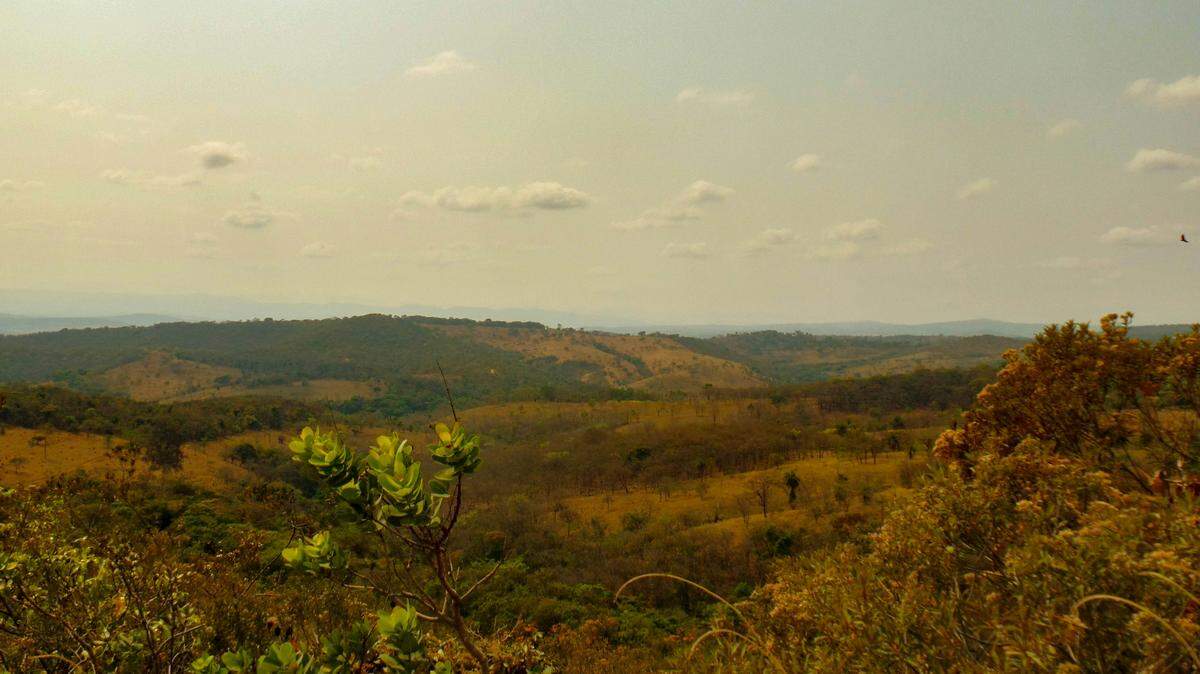
In the savannas of Brazil, the hand of industrialization is mighty.
Lumber and mining operations reach deeper and deeper into the landscape, leaving behind leveled habitat in their wake.
In the Goiás state, however, “clearing activities” associated with a mine site resulted in a new discovery.
Wildlife officials were called to a gallery forest, or a forest area that lines a river, in Brazil’s Cerrado region as part of a “fauna-rescue program” as vegetation was being cleared, according to a study published Oct. 10 in the peer-reviewed journal Check List.
As they searched the area, they found seven snakes, including one that had been injured in the land clearing, according to the study.
The snakes were “readily identifiable in the field” as Oxybelis fulgidus, or a green vine snake, researchers said.
It’s the first time this species has ever been recorded in Goiás.
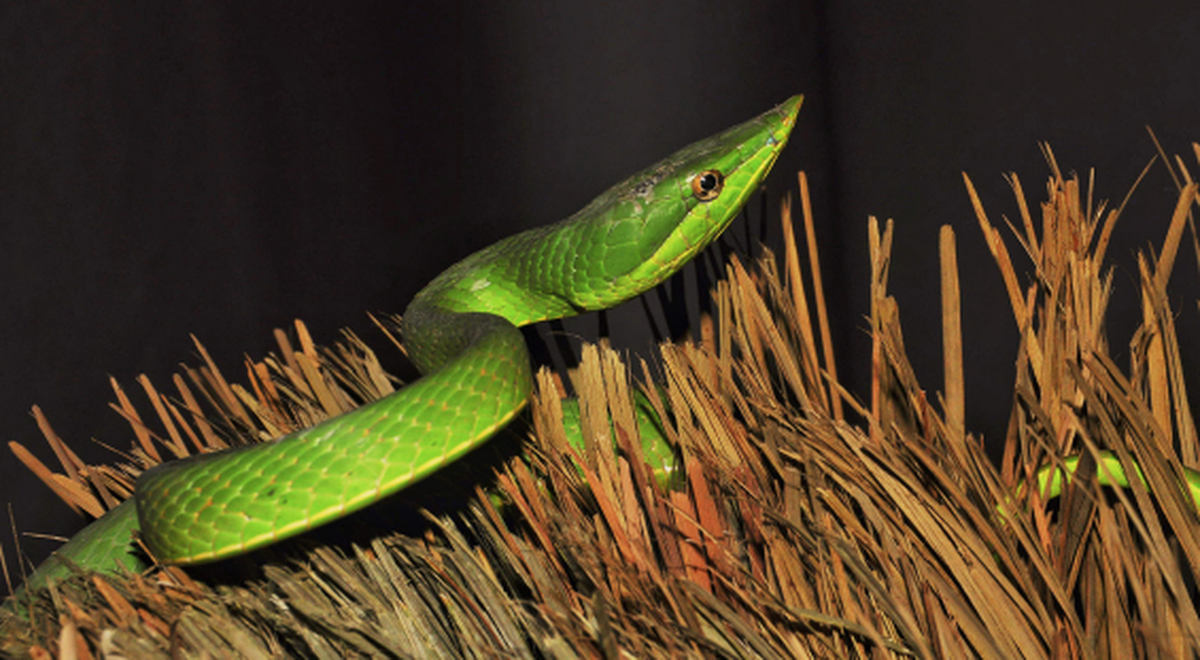
“Oxybelis species exhibit characteristics typically related to an arboreal habits, such as a laterally compressed and slender body. However, unlike what is commonly found in arboreal snake species, Oxybelis species are predominantly diurnal (active during the day),” researchers said.
The snakes catch tree-dwelling prey, from small lizards and birds to insects, amphibians and some small mammals, according to the study.
The injured snake found at the mine site measured over 6 feet long and had an “elongate, slender head” with a “pointed snout,” key for the species, researchers said.
The body of the snake is “uniform green” along its back.
The species was thought to be restricted to the Amazon Rainforest and the regions that border the forest before the Cerrado, or savanna, begins, according to the study.
The new record is 218 miles south of the nearest recorded sighting of the snake and 282 miles north of the next closest record, researchers said.
“Although O. fulgidus is a common snake in tropical forests, its presence in the Cerrado, especially in fragments of gallery forests, reinforces the importance of these ecosystems for the maintenance of local biodiversity. By harboring species shared with neighboring forest biomes, gallery forests contribute to regional biodiversity,” according to the study.
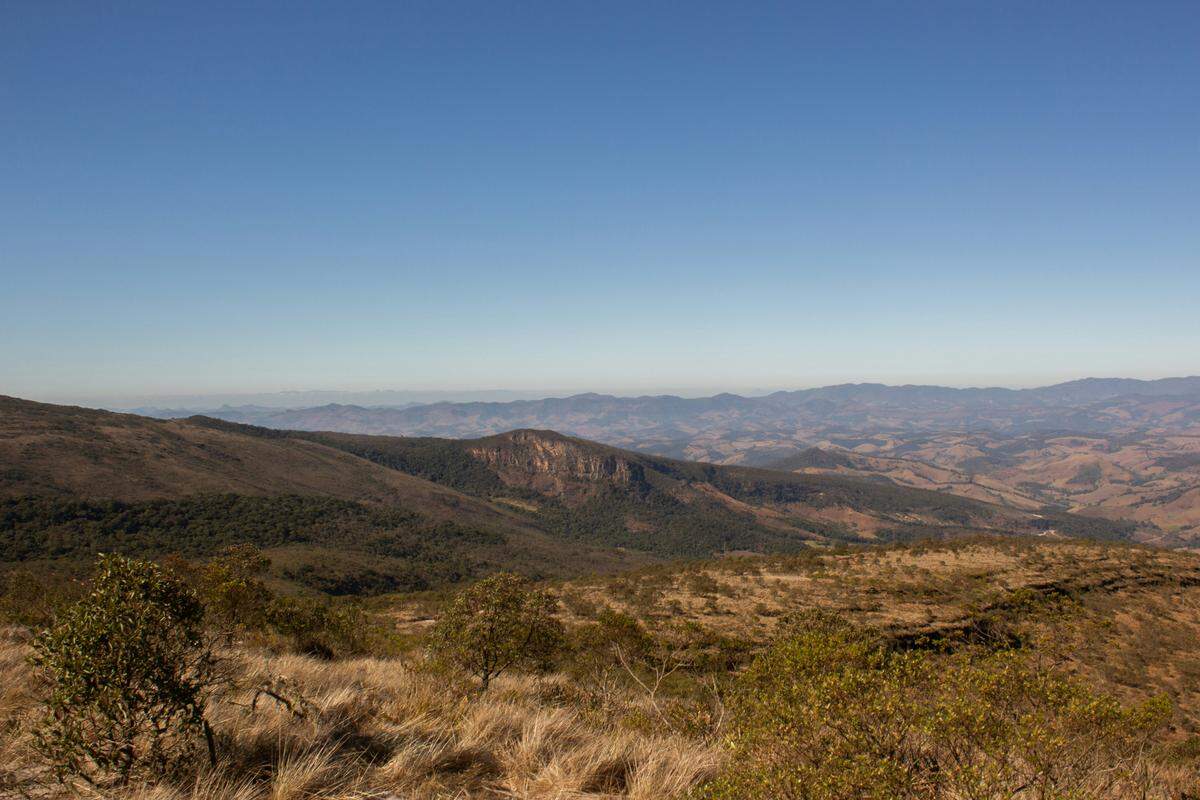
The Cerrado is considered the most biodiverse savanna in the world, holding 5% of the total world’s plants and animals, according to the WWF.
The rapid expansion of the agricultural industry suggests the Cerrado could lose tens of millions of acres of vegetation by 2030, the WWF says.
The Cerrado is considered an “upside-down forest” because 70% of the total biomass is underground as opposed to the neighboring rainforest where the biomass is visible, the WWF says. The landscape could hold as much as 118 tons of carbon per acre.
The snakes were found in Minaçu, Goiás, in central Brazil.
The research team includes Régis Rodrigues Silva, Renan Manoel de Oliveira, Samuel Ferreira dos Anjos, Nathane de Queiroz Costa, Cyro de Sousa Bernardes and Crizanto Brito De-Carvalho.
This story was originally published October 13, 2025 at 2:25 PM with the headline "Tree-dwelling creature — 6 feet long — spotted for first time in Brazil. See it."