
Columbia is one of the most politically segregated regions in the country, data shows
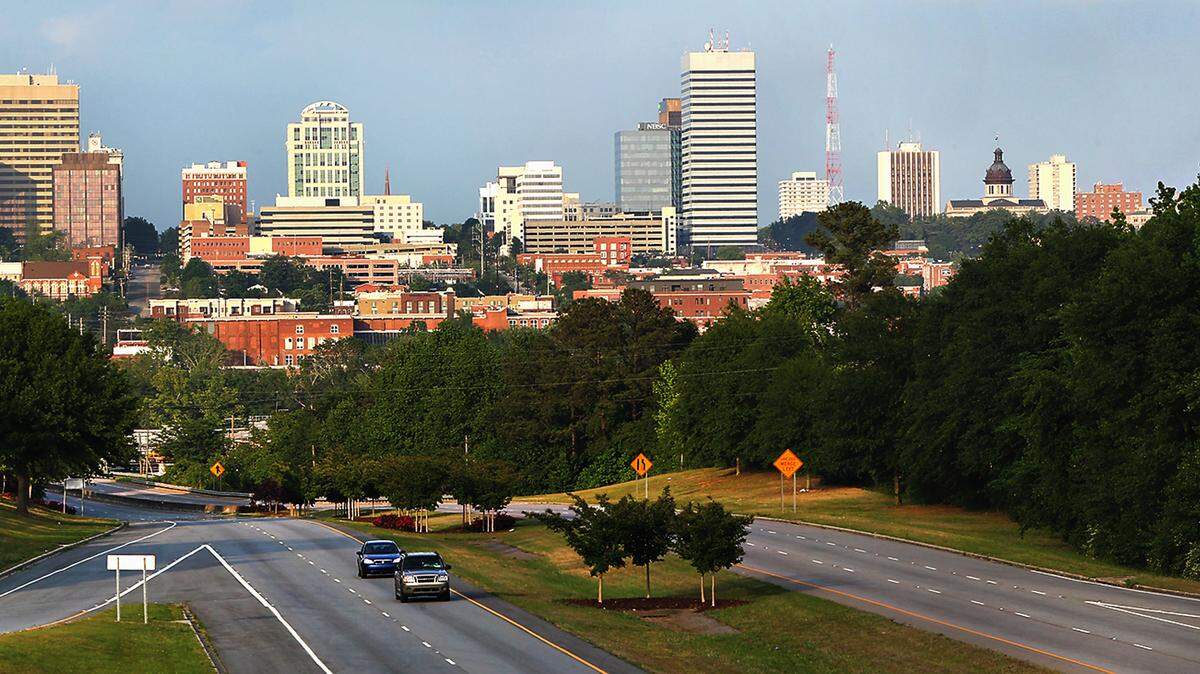
Columbia is one of the most politically segregated regions in the country.
That’s according to data compiled by the website FiveThirtyEight, which mapped voting patterns over the country’s largest metro areas. The data-crunching site found that Columbia is the 16th most polarized city in America.
The color-coded map on the site breaks down partisan voting patterns precinct-by-precinct across South Carolina’s capital city. Heavily Democratic blues cover downtown Columbia, with the darkest shades stretching over North Columbia, up Interstate 77 toward Fairfield County and southeast into Lower Richland along Garners Ferry.
The only Republican reds in the metro area are nestled in the Forest Acres area, with another GOP outpost in Lugoff.
It’s a different story on the other side of the Congaree River. Lexington County’s precincts get redder the further from the river you go, with the site showing a crimson streak from the north shore of Lake Murray to Gaston.
That pattern isn’t unusual, the website’s study found. “Across the country, Republicans in urban areas are more likely to be found in the less-centralized, lower-density neighborhoods,” data journalist Rachael Dottle writes in FiveThirtyEight.
But Columbia’s “dissimilarity index” — how the site measures the separation between Democrats and Republicans — ranks it in the top 20 most polarized cities in the country. Soda City has more partisan mixture than Baltimore, but less than the greater Chicago area, the website finds.
Thirteen of the top 15 polarized cities are in the Deep South, with Jackson, Miss., topping the list, followed by New Orleans, Baton Rouge, Birmingham and Shreveport.
Columbia isn’t even the most polarized region in South Carolina. That honor goes to the greater Augusta area, including Aiken County, which comes in at No. 12. The greater Charlotte region, including its South Carolina suburbs, ranks 29th, followed by Greenville at 51, Charleston/North Charleston at 70, and Myrtle Beach at 150.
This story was originally published May 23, 2019 at 4:10 PM.
.jpg)