‘We’d lose everything.’ SC lawmaker’s plan to end lung illness could kill vape shops
Weeks before scientists with the Centers for Disease Control and Prevention determined the origins of a mysterious vape-related injury that has killed dozens of people, South Carolina Rep. Wendell Gilliard vowed to introduce a bill to ban the legal sale of e-cigarettes and similar products in the Palmetto State.
But even though CDC officials have linked the injuries to vitamin E acetate — an ingredient commonly added to vape products containing THC, which are illegal in South Carolina — the Charleston Democrat is not giving up on his proposed ban.
“I don’t think that they’re 100 percent sure,” Gilliard said. “I’m looking for more discoveries. Then, I think we should move forward from there.”
Gilliard says his proposal, which he plans to file this week for consideration after lawmakers return to work in January, would make it illegal to sell vape products — such as Juuls and e-cigarettes — across the state, whether they are sold on the street or legally in a vape shop.
Gilliard’s proposal is a reaction to reports of more than 2,000 lung injuries nationally, and about four dozen deaths, related to vaping products. One person was reported dead in from the illness in South Carolina Friday, and as of Nov. 20, the South Carolina Department of Health and Environmental Control reported 35 cases of the illness.
Once filed, the bill can expect tough opposition.
Vape giant Juul plans to invest $125 million on a plant in Lexington County, which would add 500 jobs to the area. The company also has spent more than $13,000 on lobbyists at the S.C. State House this year, according to the state Ethics Commission.
Juul representatives could not be reached for comment for this story.
Vape show owners also are expected to fight the proposal.
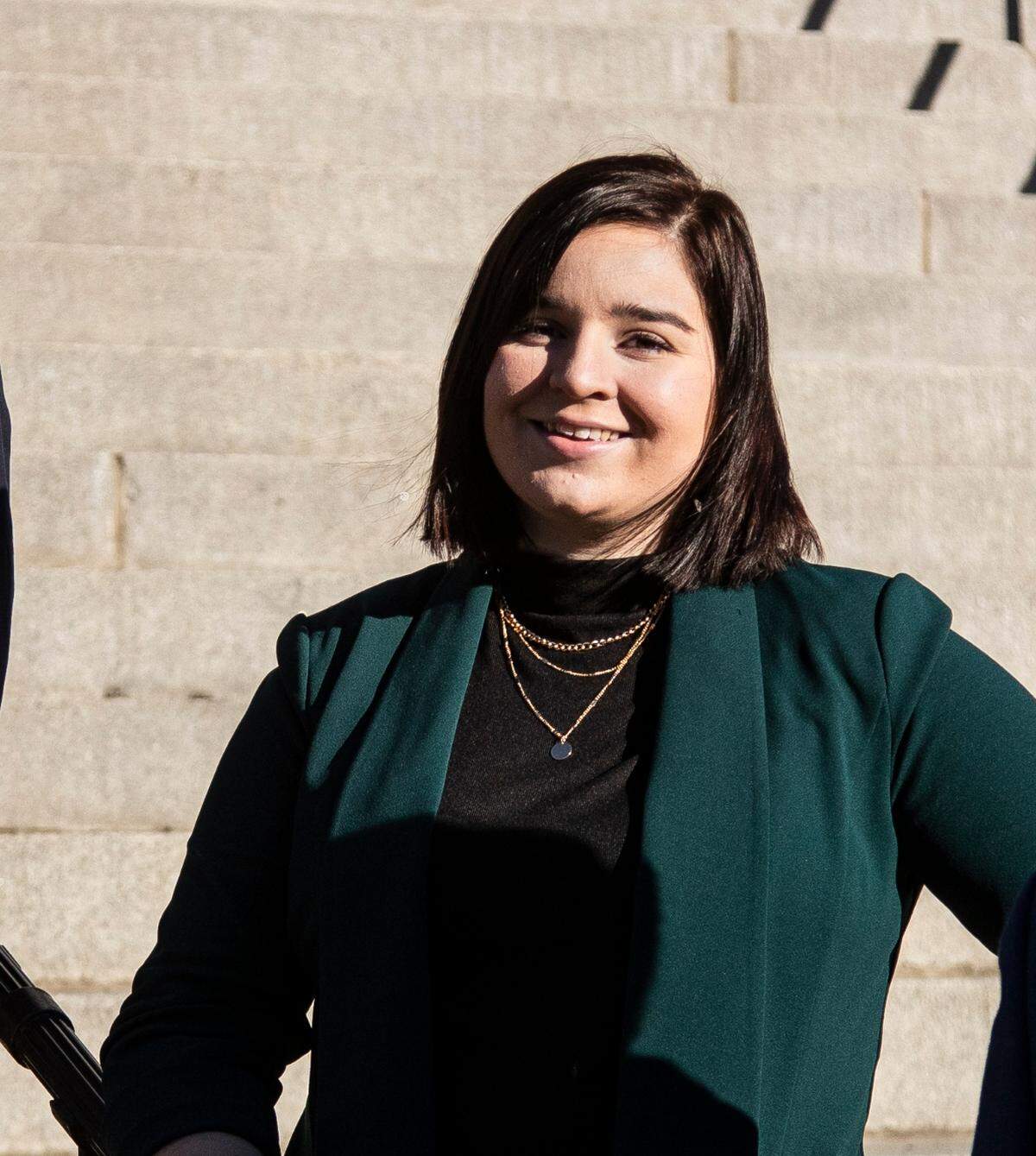
Celeste Rosensteel, an ex-cigarette smoker and the owner of Sully Vapes in Sumter, said the proposed ban would put her out of business and leave her two employees without jobs.
“We would lose our business,” Rosensteel said. “I would probably lose my home as well. We’d have to file for bankruptcy.”
“We’d lose everything.”
Rosensteel began smoking at the age of 13, a habit she battled for more than three decades, she said.
In 2012, she was diagnosed with Chronic Obstructive Pulmonary Disease, a lung illness that may affect 20-30% of smokers, according to the Mayo Clinic. She struggled to keep up with her young grandchildren and was hospitalized two or three times a year when she couldn’t catch her breath.
Later that year, Rosensteel lost her father after his battle with lung cancer, even though he had stopped smoking in 1981.
After her diagnosis and the death of her father, Rosensteel still smoked cigarettes for another year before trying to quit. From stints with nicotine patches to a round of smoking cessation medication Chantix, nothing seemed to stick, she said.
“I’ve tried everything ... and nothing worked until I picked up my vape,” Rosensteel said.
Rosensteel hasn’t picked up a cigarette since 2013, and in 2014, she, her mother and her daughter-in-law opened up Sully Vapes, a shop she says has helped many of her customers quit smoking.
If South Carolina were to ban vape products, Rosensteel, who has seen enough improvements in her health that she could hike mountains and play longer with her grandchildren, said she “would possibly go back to smoking.” Many of her customers are in the same boat, she said.
“They would either buy stuff off the street or they would go back to smoking,” Rosensteel said. “Both are horrible choices.”
According to the CDC, many of the vape products used by the 2,290 injured and 47 dead were illegally obtained through friends or off the streets. While there are some reports of illnesses stemming from use of legal or licensed products, those products contained THC, which is illegal in South Carolina.
Vitamin E acetate has been identified as being associated with the injuries, but scientists at the CDC have not ruled out other chemicals that could be involved.
SLED tests few vape products
Though the Palmetto State has seen its share of injuries, the illegal vape trade in the state is not very widespread, officials from the S.C. Law Enforcement Division said.
Since Jan. 1, 2018, SLED laboratory officials have only tested vape products in 50 cases, Director of the Forensic Services Lab Todd Hughey said. In comparison, the lab receives 8,000 to 9,000 submissions for testing in drug related cases each year.
The SLED lab collaborates with law enforcement agencies across the state by testing materials submitted for criminal cases. Vape-related samples tested by SLED came from various parts of the state and were not concentrated in a specific area, Hughey said.
Additionally, most of the products were made outside of South Carolina, Hughey said.
“Most of that was basically products being manufactured in states where THC is legal, where there is medicinal and recreational (marijuana), and it was being shipped or brought into South Carolina, and law enforcement in the course of their normal activities were encountering these products clearly labeled 80-95% THC,” Hughey said. “They knew that was illegal, so they would submit it to the lab for testing.”
Despite the lack of illegal vape business in South Carolina and early conclusions that the illness was not caused by products legally sold in vape shops, Gilliard said he will push on with the ban until scientists can “conclusively” say what is causing the illnesses.
“Whether we like it or not, it’s dangerous,” Gilliard said. “I know it’s a multi-million dollar industry, but you can’t put a price on a life.”
Gilliard said he had several meetings with owners of vape shops and e-cigarette users, most of which have stood against his bill. Rosensteel said she met with the Democrat, adding that the meeting went well.
But despite blow back from owners of vape shops and e-cigarette users, Gilliard said it is best to remove the products from the public market until more is known about the outbreak of injuries and the health-related effects of vaping.
“Until we get medical facts ... then and only then can we ascertain if we can move forward,” Gilliard said.