SC Republicans eye chance to unseat Sen. Dick Harpootlian, and one wants a rematch
READ MORE
The State’s candidate questionnaire for SC 2020 Primary Election Day
Several state and local primary elections are held in South Carolina on June 9, 2020. Read The State’s questionnaires below to hear straight from your candidates.
Expand All
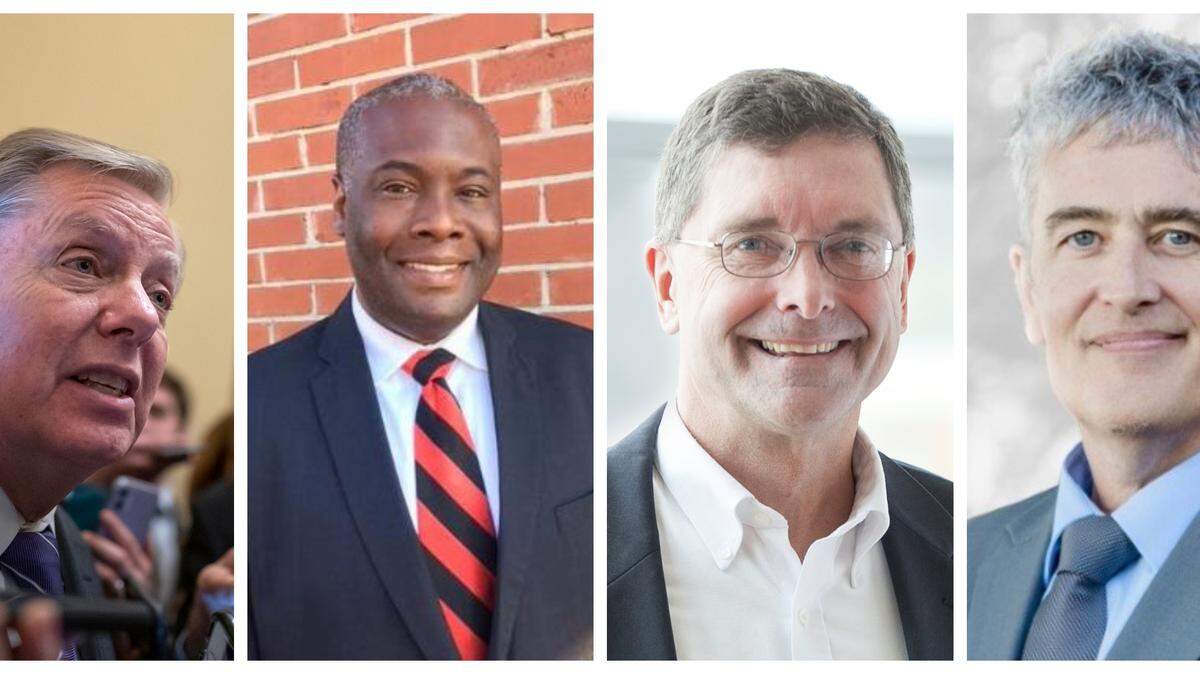
An attorney and a local business owner are competing to run against S.C. Sen. Dick Harpootlian, D-Richland, come November.
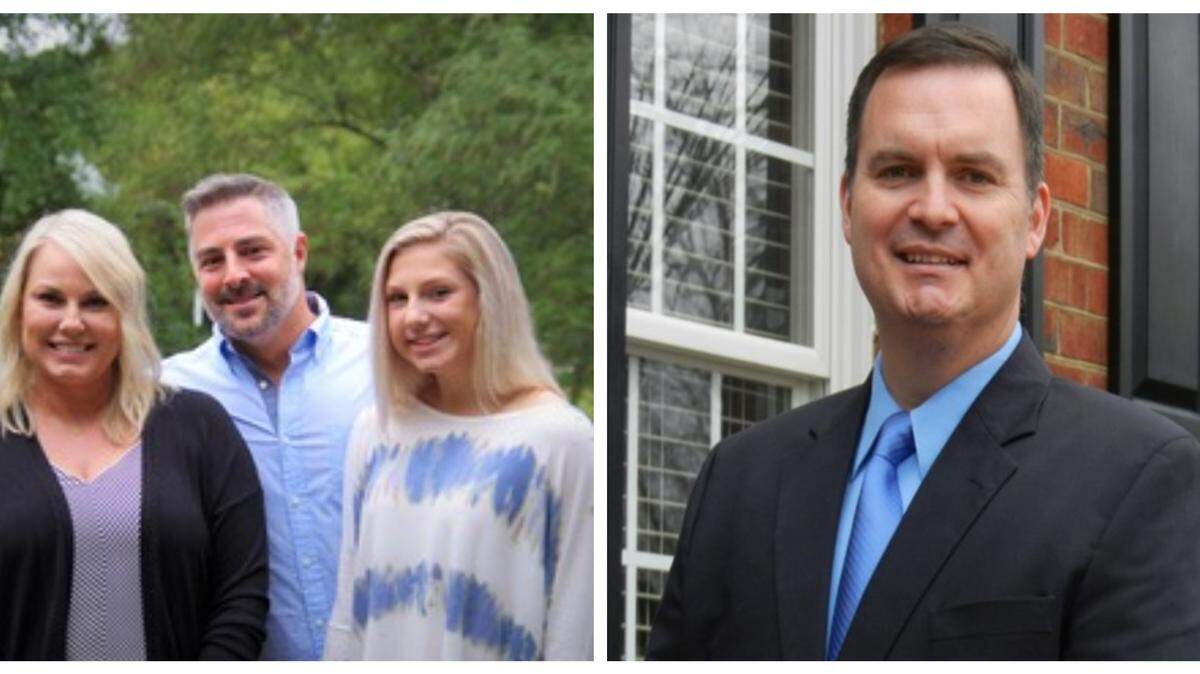
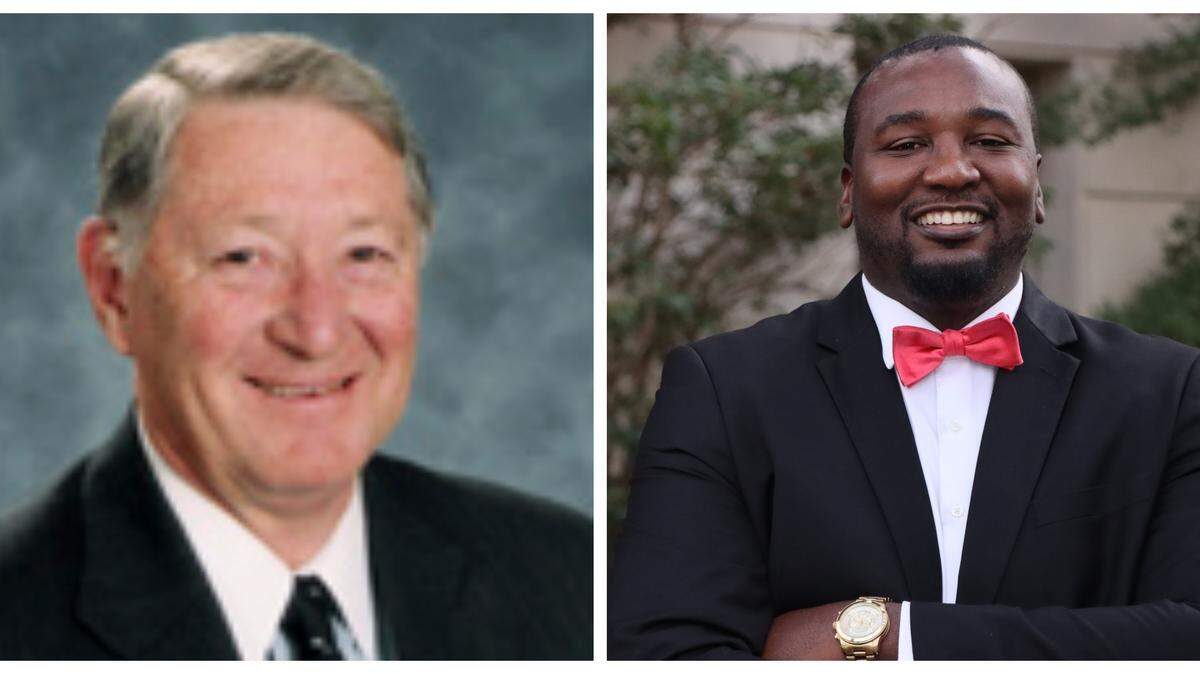
Randy Dickey, who owns American Cheer X-treme in Irmo, and Benjamin Dunn, a partner in the Ormund Dunn law firm, are competing for the Republican nomination in S.C. Senate District 20, which runs through downtown Columbia and includes a large swathe of Irmo.
The two will face off during the statewide primary on June 9.
The winner of the June primary will have a chance to run against Harpootlian, an attorney and freshman senator who wrestled his seat out of the hands of Republicans, who held it for at least thirty years.
For Dunn, a primary win would mean a second chance to take on the Columbia Democrat. The two faced off during a 2018 special election, which Harpootlian won by 2,000 votes, or about five percentage points. Dunn handily won his primary that year against John Holler, finishing first with an almost 15-point lead.
Due to the coronavirus, Dunn said it’s been hard for him to apply things he learned during the 2018 race to winning this one, he said.
“I don’t know that I’m doing too terribly much different because of that race,” Dunn said.
In 2018, he focused on door-to-door campaigning and dropping in on local businesses, but because businesses were shut down for a large portion of two months and people are still practicing social distancing, he’s had to focus his 2020 strategy on social media.
During the 2018 election, Dunn found support in the northern most reaches of the district, winning precincts in Spring Hill, Dutch Fork and Ballentine. He also won three districts closer to Columbia in Pennington, Woodlands and Meadowfield.
Harpootlian, on the other hand, dominated downtown and lower Irmo, bringing him the win.
The cash race
Both Dickey and Dunn are about evenly matched when it comes to cash on hand.
Overall, though, Dickey has managed to rake in more contributions, bringing in more than $37,000 from 18 individual contributions. The contributions come almost exclusively from individuals — not companies — and many are located around Richland and Lexington counties in cities like Irmo, Blythewood, Columbia and Chapin.
Much of that money — about $28,000 — has been spent, though, on a consulting firm and a campaign manager, leaving Dickey with $9,402 on hand as of the last filing period.
Despite receiving fewer contributions, Dunn has managed to keep more cash on hand, with a total of a little more than $12,000 in the bank. According to campaign filings, $10,000 of that is from a loan, and the rest comes from three separate donors.
Whoever wins the June 9 primary will face a well-funded incumbent.
Harpootlian had nearly $117,000 on hand as of the last filing.
Why they are running
Both Dunn and Dickey chose to run for the Senate district in hopes of ousting Harpootlian for ideological reasons, but only one was willing to take issue with the incumbent Democrat’s work at the State House.
Dickey said he thought the district would be better served with a conservative representing them in the State House. He also thought it would be better if they were represented by a “common sense business person.”
He did not want to elaborate further on specific policies he disagreed on with Harpootlian, an attorney with a private practice and a former solicitor.
While Dunn agrees with some stances Harpootlian has taken — like the senator’s push for transparency on bundled earmarks in the state budget — he said he disagreed with him on a number of points, such as his position on raising the cap on tort claims allowing those suing the state to receive more money, a push to add tolls on I-95 and his stance against allowing the Department of Health and Environmental Control to issue permits to companies who want to explore or build infrastructure to facilitate drilling off of South Carolina’s coast.
“He’s definitely interested in some legislation that I don’t think is the right thing for South Carolina,” Dunn said.
What are their stances in the issues?
The two Republicans likely would offer voters different approaches in the Senate.
Dickey, who unlike Dunn has not run for office, said he does not aspire to be a career politician. As a state senator, his goal would be to make changes to positively impact the business community, like cutting down on regulations and red tape, and then retire from political life.
“I am an everyday, common sense, business person,” said Dickey, who’s run his business in Irmo since 1996. “I am not a career politician. I have no interest in being a long term politician.”
The small business owner touted his conservative values, including being anti-abortion, anti-gun regulations, pro-smaller government and in favor of lowering taxes. He called some Republicans in the Senate “RINOs,” an acronym meaning Republican In Name Only, for siding with Democrats on certain issues.
He said one of the first things he would focus on if elected in November is advocating for the state to switch to a “zero base budgeting” system, meaning the budget would be drafted without taking in consideration what agencies were given the year before.
“I think that would definitely help us redirect funds so we get more value for our taxpayers,” Dickey said.
Dickey also pointed to removing “red tape” that affects smaller, local businesses as a priority, pointing toward his experience opening up his cheer and gymnastics center in Irmo. While getting his business off the ground, Dickey said he struggled against several regulations that required him to put in costly landscaping and an irrigation system around his building because it was near a residential area. Those regulations were all imposed at the local level and not by the state, he added.
Dickey added they he wanted to be an advocate for reforming the state’s education system, something lawmakers spent this year’s legislative session tackling.
“I feel like South Carolina is a great place to live and raise a family, and a lot of that is due to the fact that conservative values have been a part of this state for a long time,” Dickey said. “I think and hope and pray that people do not get more comfortable that we’ve always been Republican and take it for granted.”
Meanwhile, Dunn pointed out challenges the state currently faces — education and the ongoing COVID-19 pandemic — as areas where he’d put his focus.
Dunn too is an advocate for education reform. A Pickens County native who attended college at both Clemson and the University of South Carolina, he says spending his entire education in the state has given him a “personal stake” in the issue.
Dunn called education “one of the most important things the state does.”
“Our ability to compete economically five, 10, 15 years down the road depends on what we do today education-wise,” he said.
Along with general improvements like reducing the emphasis on standardized testing and consolidating small school districts, Dunn specifically wants to push to convert the state superintendent position to a cabinet level post, rather than electing an official to the job. That way, the official is more likely to be a “career dedicated educator,” Dunn said.
Otherwise, he said his focus would be on helping businesses recover from the financial hits they took from the coronavirus.
“I don’t care who wins the primary and who wins in November,” Dunn said. “The biggest issue that’s going to be facing the state over the coming year is the recovery from the pandemic and all the economic damage that has been done by COVID-19.”
Dunn said he believes the state should look toward providing small businesses with tax relief, even if that means cutting spending in other areas.
“With so many businesses and so many jobs just barely hanging on at this moment, anything the state can do to keep doors open and keep folks employed is going to be critical,” Dunn said.
This story was originally published June 3, 2020 at 10:12 AM.