‘High-risk’ voters ask SC Supreme Court to expand ballot access as COVID-19 spreads
Two South Carolina “high-risk” voters have asked the S.C. Supreme Court for an emergency hearing to declare the state’s election law unconstitutional and widen voting ahead of November, arguing the state has failed to guarantee access to the ballot for all people during the pandemic.
More specifically, the petition asks the court, for example, to implement early voting, drop-box absentee returns, curbside voting polling locations and online absentee applications in addition to allowing more time for officials to count absentee ballots.
South Carolina election workers and voters are headed for calamity due to the COVID-19 outbreak, the petition says, threatening the November general election by “diminishing the number of election workers willing to expose themselves to certain harm and the number of available polling locations willing to welcome the public.”
The petition names two Republican legislative leaders as respondents: Senate President Harvey Peeler, of Cherokee, and House Speaker Jay Lucas, of Darlington. Both were not immediately available for comment.
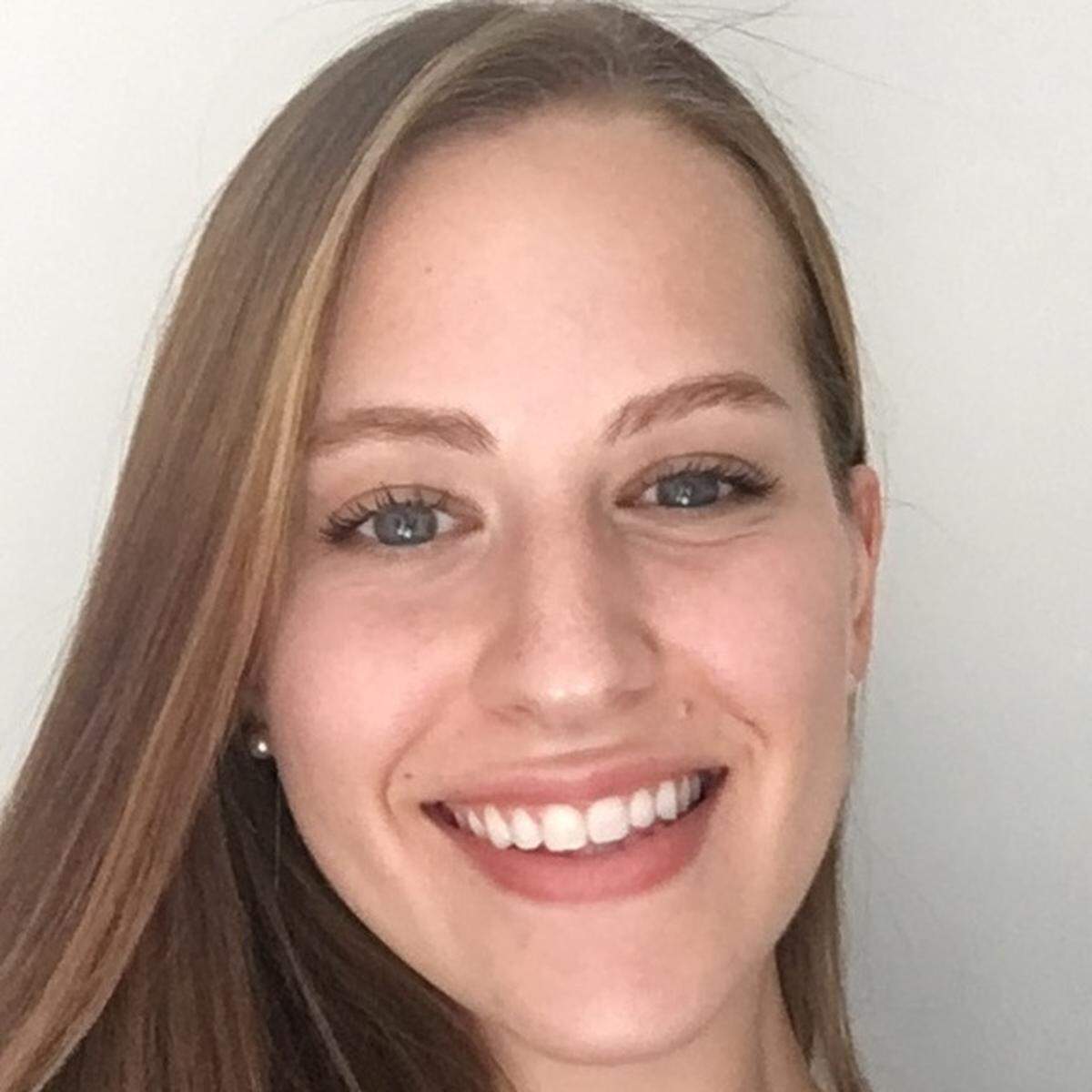
The petitioners are Regina Duggins, of Charleston County, and Chaunta R. Hamilton, of Berkeley County. They are represented by Chris Kenney, a partner in the law firm of state Sen. Dick Harpootlian, D-Richland, and Shaundra Young Scott, an attorney and director of voter protection with the S.C. Democratic Party.
Duggins is described in the petition as a 43-year-old woman who was diagnosed with asthma as a child. In 2018, the petition said she was hospitalized for Aspirin-exacerbated respiratory disease that she treats with three different inhalers to help with her breathing. The petition says her weight also puts her at a higher risk.
The petition says Hamilton has been diagnosed with end-stage renal disease, requiring her to undergo dialysis treatment three times a week until she receives a kidney transplant.
“But the simple, uncontradicted fact is that the current method of regulating elections during the COVID-19 pandemic violates individual rights, particularly those of sick and vulnerable voters,” the petition says. “Voters with compromised health conditions, and those simply unsure whether they would suffer a severe case of the coronavirus, will be forced to choose between safeguarding their life and health and exercising the franchise.”
South Carolina’s public health officials have so far reported nearly 90,000 confirmed cases of COVID-19 in the state since March.
And more than 1,500 people have died as a result.
The court does not, however, have to take up the petition.
A month before the statewide June primary, state lawmakers expanded qualifications for absentee voting to any voter — no matter disability, or scheduling conflict or age — because of the pandemic and as election officials braced for turnout in a year where precincts were consolidating and poll workers, many of whom are older and vulnerable to the virus, were backing out.
The General Assembly isn’t scheduled to be back in Columbia until mid-September.
But mainly Democratic lawmakers have urged legislative leaders to return earlier to ensure the State Election Commission and local election officials have enough time in the case the Legislature decides to expand absentee voting once again.
In July, state elections director Marci Andino asked lawmakers to reinstate the “state of emergency” option for S.C. voters to cast absentee voters, among making other requests, citing the coronavirus threat. In Andino’s letter to legislative leaders, she said that November turnout is expected to be much higher than in June because it’s a presidential election.
The State Election Commission also is listed as a respondent in the petition.
Earlier this week, Peeler tweeted that September should be enough time to ensure the safety of the vote and voter.
But without action now, the petition says, “the rapidly approaching general election promises to be tumultuous and to place voters in certain high-risk cohorts — voters like Petitioners Regina Duggins and Chaunta R. Hamilton — in harm’s way when casting the only ballot they are presently allowed to under South Carolina law: an in-person ballot on election day.”
This story was originally published July 31, 2020 at 4:00 PM.