Can SC close the gender pay gap? How a new bill could affect employers, employees
A state lawmaker from Richland County will ask the Legislature to consider a bill that could help address pay inequity between people of different genders and races next year.
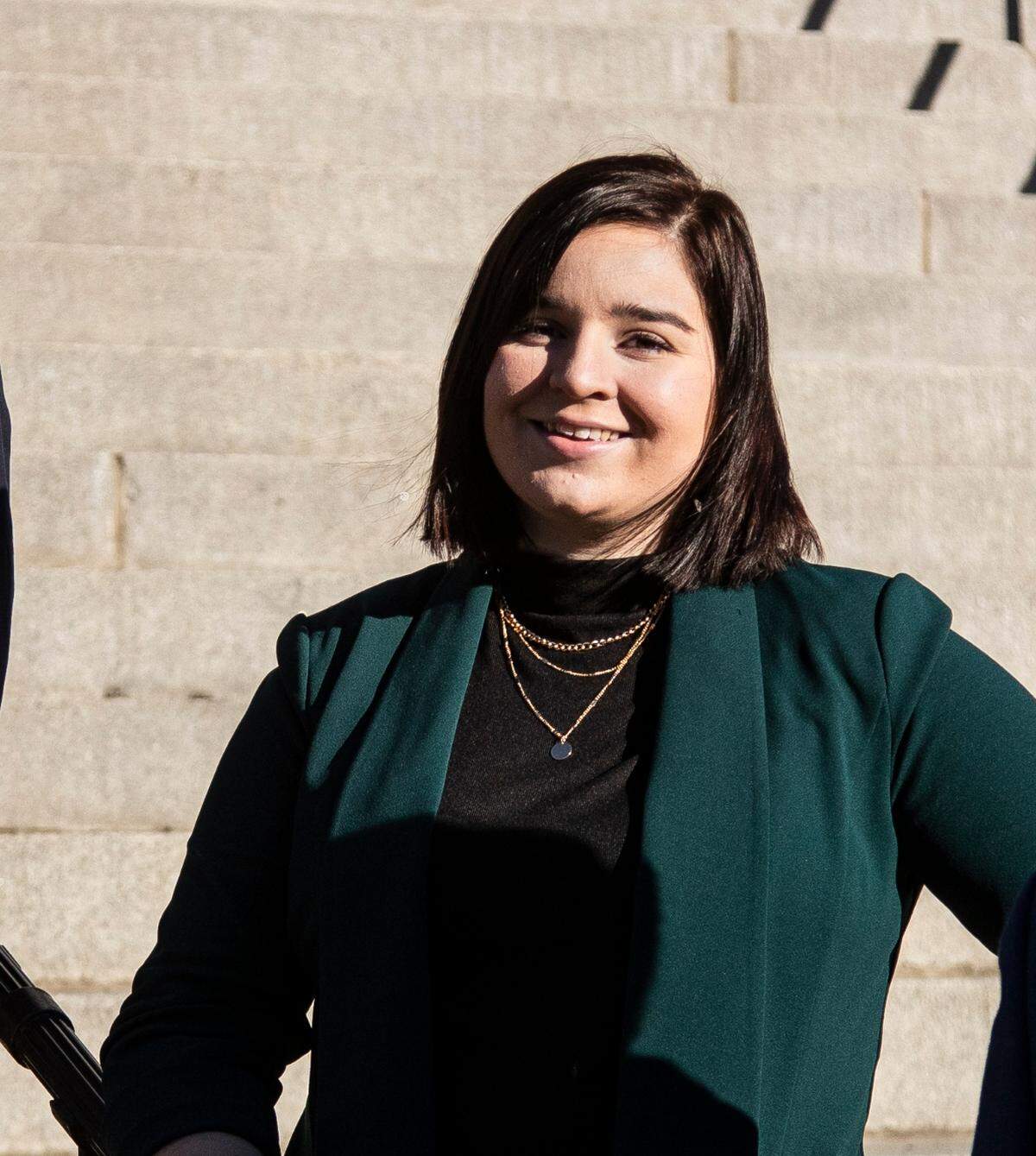
S.C. Rep. Wendy Brawley, a Democrat, says she has prefiled a bill in the South Carolina House that could address some of the causes of systemic pay inequity rather than requiring employers to pay their workers the same outright.
“It doesn’t say that everyone has to start at the same level,” Brawley said of the legislation, which is not yet publicly available. “It just says your salary should be based on your merit.”
Part of the bill includes a ban on questions about previous salaries during job interviews or on applications, Brawley said. If someone is already receiving unequal pay, and their new salary is based on their old salary, the issue of inequity is likely to continue, she said.
“It almost sets the stage for that person to be limited to just a slight bump or even a lowering of the salary,” Brawley said.
Instead, salary should be based on someone’s merit, Brawley said.
The bill would also stop employers from limiting whether employees can talk openly about how much money they make, “so there is a greater degree of transparency when it comes to salary,” Brawley said.
The bill would not just offer protections for women. It could extend protections to all groups that may experience wage discrimination, including members of the LGBT community and the disabled, Brawley said.
“It’s really is an anti-discrimination bill, but we know that typically women come up on the shorter end of the stick when it comes to their male counterparts,” Brawley said.
To this day, the United States on average sees a gender pay gap. White women earn 79 cents for every $1 a white man earns, and for Black and Latino women, that gap is even more pronounced, according to public policy research organization Center for American Progress.
According to the S.C. Women’s Rights and Empowerment Network, South Carolina’s gender and racial pay gaps are among the largest in the nation. For every dollar paid to a white man, Black women in South Carolina make on average 57.5 cents for the same job.
South Carolina is one of only four states without a law that explicitly prevents pay discrimination based on gender, according to WREN.
“These disparities are harmful to women and to their families, especially because so many households in South Carolina rely on the income earned by women,” a WREN statement read. “Two-thirds of women in our state are either the sole or co-breadwinner for their households. “
WREN announced it’s support for Brawley’s bill Wednesday, saying equal pay would be one solution to help close the pay gap, exacerbated by the pandemic which has led to a spike in unemployment.
“It is long past time to address the gender pay gap,” WREN CEO Ann Warner said in a statement. “The COVID-19 pandemic exposed the costs of undervaluing women in the workforce. We have an opportunity to rebuild an economy that works for women. An economy that works for women works better for us all.”
The fair pay proposal has a tough climb to becoming law in South Carolina, where Republicans control the governor’s office and both chambers of the Legislature.
Brawley filed a bill last session that would prohibit employers from paying a lower rate to someone on the basis of sex, but the bill never made it out of committee or received a hearing. The Richland Democrat said she is more hopeful this year.
“If COVID has done anything, it has heightened the awareness in inequity,” Brawley said. “I think that’s really important now as you see many households lose that ability to have that second income ... or in some cases, any income.”
“The time for pay equity is now,” Warner said in a statement. “Legislators in South Carolina have the opportunity to deliver a solution that would improve the economic well-being of every family.”
This story was originally published December 9, 2020 at 1:00 PM.