Struggling to meet goal, SC private school choice program moves on without director
The state’s private school choice program that has struggled to meet its target donation goals for private school scholarships for special needs students ended the contract with its director, in place since 2017.
The move is an effort to cut expenses after the program exceeded its allowable administrative costs, program officials said, adding they have no plan or ability right now to hire a new director.
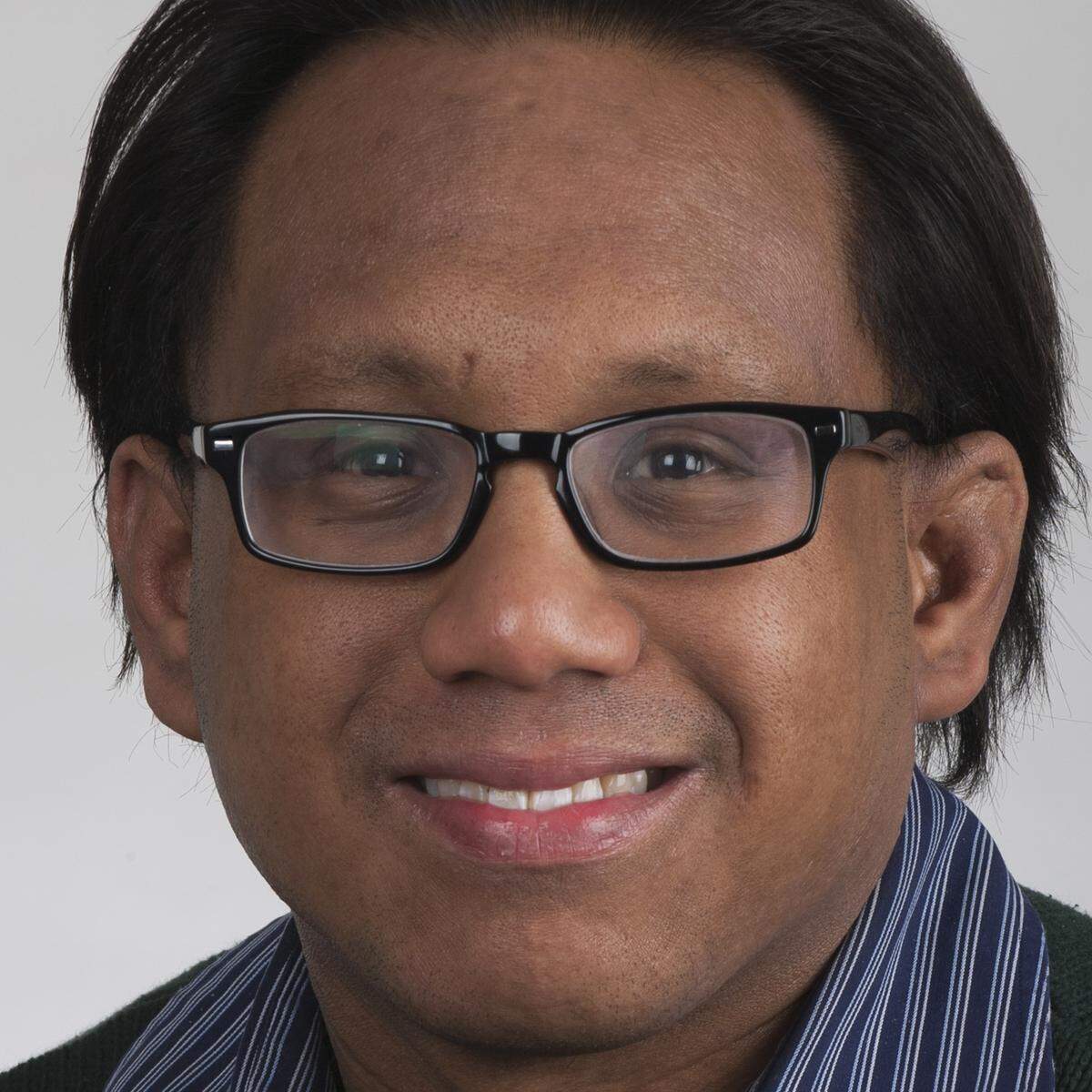
Exceptional SC and its former director Chad Connelly parted ways in July after the charity struggled to bring in donations. The nonprofit is the only organization in the state authorized to collect donations eligible for a special state tax credit that are used to help private school students pay tuition.
The change comes as the organization was in the midst of bringing in only a little more than a third of the $12 million a year it is authorized to raise for the second year in a row. The drop in donations has led to fewer students being served, and some private school leaders say it’s time to rethink how the program is being run.
Board members and Connelly said the charity couldn’t afford to pay him, blaming the decision to cut costs on the cost of fighting “frivolous” lawsuits, other expenses and a shortfall of donations in 2019 and 2020.
According to a 2018 tax filing, Exceptional SC paid $269,713 for other expenses including contract services for Connelly’s work as well as services from accounting firms and lawyers. The nonprofit would not answer The State’s question about how much Connelly was paid to run the organization.
Under state law, Exceptional SC is allowed to raise enough money to pay for $12 million in private school scholarships for special needs students. Donors to the program are eligible for state tax credits, valued at the amount of their donations, that they can use to reduce what they owe in taxes by up to 60%. Exceptional SC is allowed to keep 2% of donations to pay for the administrative costs of running the program.
Connelly, who is the former head of the S.C. Republican Party, worked as a fundraiser and marketer for the program, which also cut ties with Dave Wilson, also a Republican communications strategist, who helped with program communications.
According to the charity’s most recent tax filing, Exceptional SC spent $331,000 on expenses to run the program from July 1, 2018, through June 30, 2019, while awarding $11.8 million in scholarships, representing about 2.8% for administrative costs.
In the fiscal year ending June 30, 2020, Exceptional SC spent nearly $331,000, while awarding $5.2 million in scholarships according to the state Department of Revenue.
In July of last year, DOR gave Exceptional SC a formal notice the organization had exceeded its allowable cap for administrative expenses, even after it was able to roll over money saved from previous years for administrative costs.
“We just didn’t have the funds to keep it going,” said Edward Earwood, the chairman of the Exceptional SC board. “We couldn’t afford anybody. We haven’t replaced (Connelly).”
Earwood added the cost of liability protection insurance has increased because of the lawsuits claiming Exceptional SC violated the Freedom of Information Act and violated its administrative fee cap.
Earwood said the charity did go over its 2% administrative cap for two years, something it warned the Department of Revenue would happen.
“We’ve had a lot of expense that when we wrote this never was envisioned, such as excessive legal fees over primarily frivolous lawsuits, none of which we’ve lost at all,” Earwood said.
Under legislation in the House, state lawmakers are considering raising Exceptional SC’s administrative cap to 5%.
“What we know is that there isn’t enough to operate,” said Michael Acquilano, director, South Carolina Catholic Conference who is also an Exceptional SC board member. “We’ve never had more than one staff member. We’ve had one independent contractor and one staff member. You can’t operate a program with 3,000 kids in it with that few number of dollars.”
According to a 2019-20 fiscal year DOR report, 1,365 students received scholarships valued at $5.1 million.
Legislators created the tax credit program via a budget proviso, a one-year law included in the state’s annual spending plan. Multiple nonprofits raised money to provide the scholarships, but legislators in 2018 codified the program and created Exceptional SC as one central clearinghouse to collect donations and award scholarships.
In 2017, the program raised $11 million between July 1 and Dec. 31. And in 2018, the program raised $17.5 million in a day and a half in July, including $5.5 million that had to be returned because it exceeded the state’s $12 million cap on the tax credits that make the scholarship program possible.
Then in the 2019 calendar year, contributions dropped as the program only raised $4.5 million to be used toward the 2019-2020 school year, falling far short of the $12 million cap.
Last year the program only raised $4.1 million, according to the Department of Revenue.
As of the end of February, the Department of Revenue has approved $312,000 in tax credits this calendar year through the program.
Officials: Tax cuts curbed donations
Exceptional SC officials have blamed the Trump administration tax cuts for causing a dip in donations in recent years. The tax reforms took away an incentive for individuals and businesses to give charitable contributions to the scholarship program, Connelly and other officials have said.
As a result, they say, fewer and fewer individuals have contributed to the program.
A recent IRS clarification has allowed corporations to donate to the scholarship program as a business expense — such as marketing costs to create good will — rather than through charitable deductions, which no longer yield as great a tax benefit.
In the last two years, corporate donors have increased, but it’s still a challenge to get them to give, the program’s leaders said.
“We’re having to focus on corporate donors. It’s hard to get a corporate donor to step out and say ‘you know I’m going to give X number of dollars, when he doesn’t know what his tax liability is going to be at the end of the year,” Earwood said.
According to DOR figures obtained by The State, a large majority of contributions in recent years have come from individuals, but those individual donors have dropped off, putting a huge dent in the program’s earnings.
For example, in 2018, the year after Connelly took over, the program raised $11.9 million from 625 individuals and just $2,500 from one corporate donor. By contrast, in 2019, the program received donations from half as many individual donors who gave $4.1 million, while 29 corporate donors gave $404,000.
Programs in some other state’s haven’t struggled the way South Carolina’s program has, critics say.
Florida runs a tax credit scholarship program for students from low-income and working class families. The program is aimed at collecting contributions from corporations. Florida doesn’t have a state individual income tax.
Contributions have remained stable in recent years, said Patrick Gibbons, the public affairs manager for Step Up Students, one of two nonprofits that gather donations for scholarships in the Sunshine State.
During the 2018-19 fiscal year, Step Up for Students brought in $615 million in donations. In 2019-2020 it brought in more than $652 million. So far during the 2020-21 fiscal year, it has brought in $519 million and is expected to bring in an additional $121 million by the end of June.
“Trump’s tax reform really only hit individuals, so states that had tax programs where individuals could give, they may have seen drops because the amount of deductions you could take was severely limited by those reforms,” Gibbons said. “That didn’t apply to corporations.”
Under the legislation in South Carolina House, lawmakers are considering changes to encourage more contributions to the program.
The legislation would allow people to increase the amount of money they can claim as a tax credit to 75% of their total state tax liability up from 60%. Also people would have the opportunity to carry over the tax credit for three years.
The move is meant to increase the size of donations from donors and maximize their tax credits, even if it’s over multiple years.
The bill also would let Exceptional SC carry over up to $5 million in contributions to the next year if the money received is above the $12 million cap to allow the charity flexibility in case there is a downturn in the economy.
School leaders: students are missing out
The drop in donations leading to fewer scholarships means fewer children receive assistance.
At Camperdown Academy, a school for dyslexic students in Greenville, the number of children receiving scholarships has been in decline, Dan Blanch, the Head of School said in an email to The State.
The first few years the program was in place, more than 90% of Camperdown students received some form of a scholarship. However, this school year, less than half of the students received any support.
“We remain actively engaged in the conversations surrounding what can be done to support and improve Exceptional SC,” Blanch said.
Teresa Middleton, the principal for The Miracle Academy Preparatory School in Berkeley County, said in recent years scholarships for new children hoping to receive funding through Exceptional SC have dried up and grants for current students in the program only cover a portion of the tuition.
She questioned whether it’s right to raise the administrative cap, even though Exceptional has had trouble raising money.
“I just wonder if we are comfortable raising the administrative costs when we can’t fund children and we can’t fund their scholarships or we can’t add new children to the program,” Middleton said.
She said independent nonprofits should be allowed to raise money for the scholarships.
“I believe we need more than one organization fundraising money for our children and our families,” Middleton said. “We live in America, where competition is the American way.”
Jeff Davis, who previously raised money for private school scholarships until the Legislature brought the program under the sole direction of Exceptional SC, has been critical of the current structure, pointing to how Exceptional SC has struggled to raise money.
Davis has filed five lawsuits in Greenville, Newberry and Richland counties, against Exceptional SC and its officials claiming the program exceeded its administrative cap, violated FOIA and slandered him. Two of the cases are still pending. Three of the cases have been dismissed, but Davis appealed those rulings.
And he said proposed fixes won’t change what he says are constitutional issues about the way the program is structured, which he says have led to a drop in fundraising because donors would not want to donate to a program that could be ended.
Davis argues South Carolina’s scholarship tax credit program is illegal because the program is overseen by board members appointed by elected officials and the department of revenue rather than by independent nonprofits.
“The Department of Revenue administers this program and so taxpayer dollars are being spent on it,” Davis said in an interview.
“South Carolina has the only program that is run by a department of revenue or any sort of government entity,” Davis told a panel of lawmakers recently, adding that similar programs in other states are run by independent nonprofit organizations.
Exceptional SC contributions
▪ July 2016-April 2017: $9.99 million came from 652 individuals and $9,000 came from one corporate donor.
▪ July-December 2017: all $11 million raised came 788 individual donors.
▪ 2018: $11.9 million came from 625 individuals, and $2,500 came from one corporate donor.
▪ 2019: $4.1 million came from 313 individuals and $404,000 came from 29 corporate donors.
▪ 2020: $3.8 million came from 162 individuals and $261,000 came from 18 corporate donors.
Source: S.C. Department of Revenue