
Why SC prison system now keeps secret the names of inmates who die behind bars
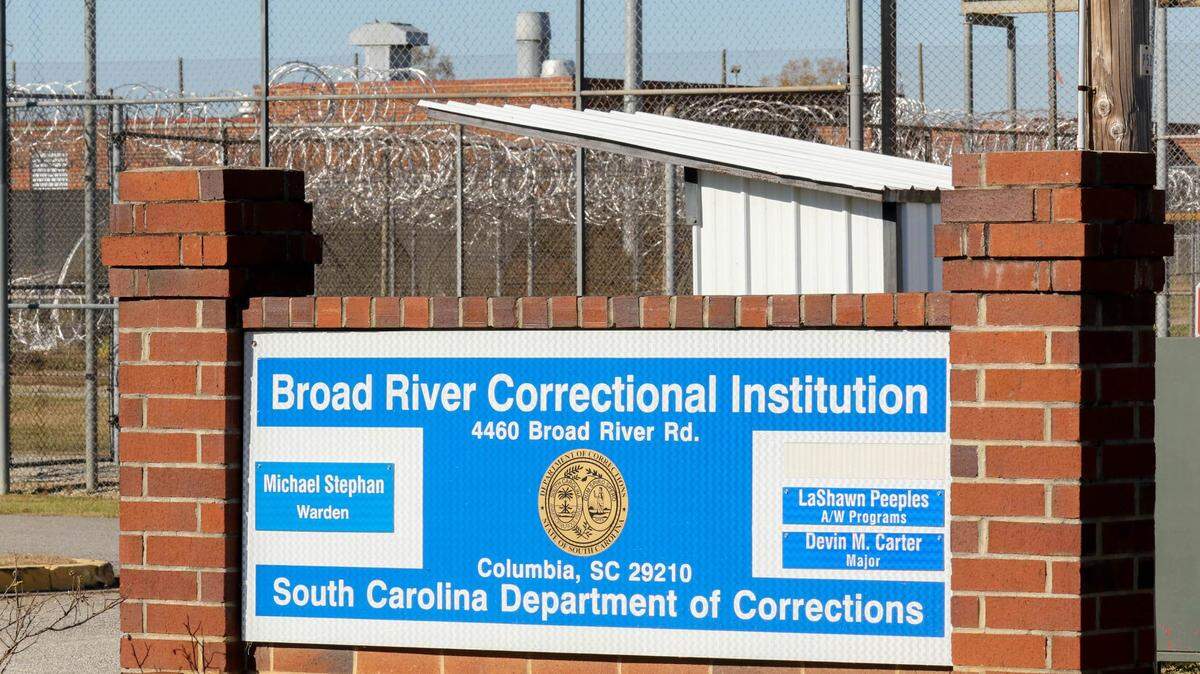
Can the S.C. Department of Corrections keep secret the names of inmates who die in prison, including the identity of persons who are executed?
That’s a possibility raised by a letter written by Corrections Director Bryan Stirling to State Attorney General Alan Wilson asking if the state prison system can make public the identities of people who die in prison.
‘I write to you to request an opinion regarding whether or not the S.C. Department of Corrections is required or authorized to release the names of inmates who have died in custody due to suicide, overdose, homicide, or any other reason to the press or any other person pursuant to a general request or Freedom of Information request,” Stirling wrote Wilson in February.
Already, while waiting for the Attorney General’s opinion, Corrections has quietly reversed its longstanding practice of releasing names of newsworthy inmates who die in prison, or those who die in unusual circumstances. It no longer reveals dead inmates’ names, even to reporters who ask about the inmates.
Some months ago, Stirling said in an interview with The State newspaper, people in his office’s legal and medical sections became concerned that the prison system was violating the privacy of dead inmates by releasing their names.
Personally, Stirling said, he favors transparency and hopes the Attorney General’s opinion he’s waiting for will come down on the side of openness.
“I want to disclose that information. I think we should, and the public has a right to know,” Stirling said.
Keeping secret names of inmates who die in prison custody could create unusual scenarios.
With up to three executions of death row inmates possible in the near future, Stirling said he does not know if the department’s current non-identification stance would prevent the department from confirming that the inmates have been executed.
“It could,” Stirling said Tuesday. “That is why we are waiting on the Attorney General’s opinion.”
Stirling elaborated, saying, “We believe the death penalty is exempt from HIPPA (a federal medical privacy law). When executions resume, we will follow the practice used by the Federal Bureau of Prisons unless we are advised differently by the S.C. Attorney General’s Office.”
Under that practice, the Bureau of Prisons does say publicly who has been executed by federal authorities.
Also, under South Carolina’s death penalty law, three members of the news media are allowed to be present. However, state prison officials might not be able to say who has just been executed because it might violate that inmate’s privacy, depending on what the Attorney General’s opinion says. But the reporters would presumably be able to know from the court orders who was just executed.
An Attorney General’s opinion is only advisory and does not have the force of law that a court decision has. However, it is generally regarded as an authoritative opinion.
Jay Bender, a veteran S.C. lawyer who has handled numerous public records matters, said Tuesday that basically, courts have held that prison inmates have no privacy expectations. That “no privacy” holding is even more true when the inmates are dead, Bender said.
“The notion that an inmate who dies has a right to privacy is bizarre because your right to privacy dies with you,” Bender said.
As for keeping secret the names of inmates who have been executed, Bender said that would be ridiculous.
“One reason for the death penalty is for it to be a deterrent. What is the prison system going to do after an execution: say, an unnamed inmate was executed for some crimes he committed long ago?” Bender asked. Bender serves as a lawyer for the S.C. Press Association and The State Media Co.
Why keep inmate deaths private?
The privacy question emerged in relation to questions about laws protecting medical records.
Several months ago, Stirling said, people in his office told him that the prison system takes care of inmates’ medical records, and medical records are required to be kept confidential, so the prison system should not violate unmates’ privacy as it relates to their medical histories which include deaths.
Also, a federal privacy law called HIPPA — Health Insurance Portability and Accountability Act — may apply to inmates after they are dead, Stirling’s letter to Attorney General Wilson said.
Stirling said the department then hired an outside health care attorney to research whether the department could release the names of inmates who die.
The outside attorney “said it may be (private), or it may not be,” Stirling said.
That’s when Stirling wrote the Attorney General asking for an opinion advising the department how to proceed.
“When someone brings it to your attention that there’s a law out there that may conflict (with openness), I want to make sure we are on sound legal footing before we move forward,” Stirling said.
Currently, the department is referring reporters who call about a deceased inmate to contact the coroner in the county the inmate died. Coroners, who are elected officials, are authorized by law to release information such as the identity of an inmate who died in the state prison in their county and some circumstances surrounding the death.
“We work closely with county coroners and will continue to do so to make sure the public is informed,” a prison spokesman said.
That procedure doesn’t always work.
On Monday, the Corrections Department refused to confirm the death of Vinson Filyaw, an inmate serving a 421-year sentence who gained nationwide notoriety as the “Girl in the Bunker” kidnapper who was serving a 421-year prison sentence.
Instead, Corrections referred a reporter with The State to McCormick County Coroner Faye Puckett, who has the authority to release the name of a deceased inmate.
But Puckett also refused to confirm Filyaw’s death. (It’s unclear on what grounds. Many coroners regularly confirm identities of inmates’ and others who die in their counties.)
The State newspaper confirmed Filyaw’s death through knowledgeable sources. By early Monday evening, quoting sources,The State news organization had published a news story on Filyaw’s death.
State prison inmates’ deaths have averaged about 88 a year for the last seven years, prison officials said. There are about 15,236 inmates in the state’s 21 prisons.
Prison COVID deaths
Another example of once-public information not now on the Corrections website concerns inmates who die from COVID-19.
Last year, and into January, Corrections regularly published news releases on COVID-19 inmate deaths and cases. When an inmate died, Corrections’ press releases included the name and age of the inmate on the release.
But since early March, when the 38th inmate died of COVID-19, Corrections has not included the name of the deceased inmate in its releases. The release does include the inmates’ age, sex and which institution they died at.
Bender said whether to release inmates’ names who die of COVID-19 “is a closer question” than that raised by inmates who die violently or by execution.
Inmates’ relatives and emergency contacts will still be notified of an inmates’ death, a prison spokesperson said.
Bill Rogers, executive director of the S.C. Press Association, said keeping secret the identities of inmates who die in prison would set “a dangerous precedent. There’s nothing in the law that allows that as far as I know of. There’s a lot of public interest in how people in prison are treated, and if they are alive or dead.”
Keeping secret identities of inmates who die “would mean no accountability for the people who die in prison,” Rogers said.
“They could kill them all and not tell anybody.”
A spokesman for the Attorney General’s office said Tuesday there is no set date for releasing an opinion in the matter.