Major SC hospital is looking at plans in the Upstate, and using ex-competitor to do it
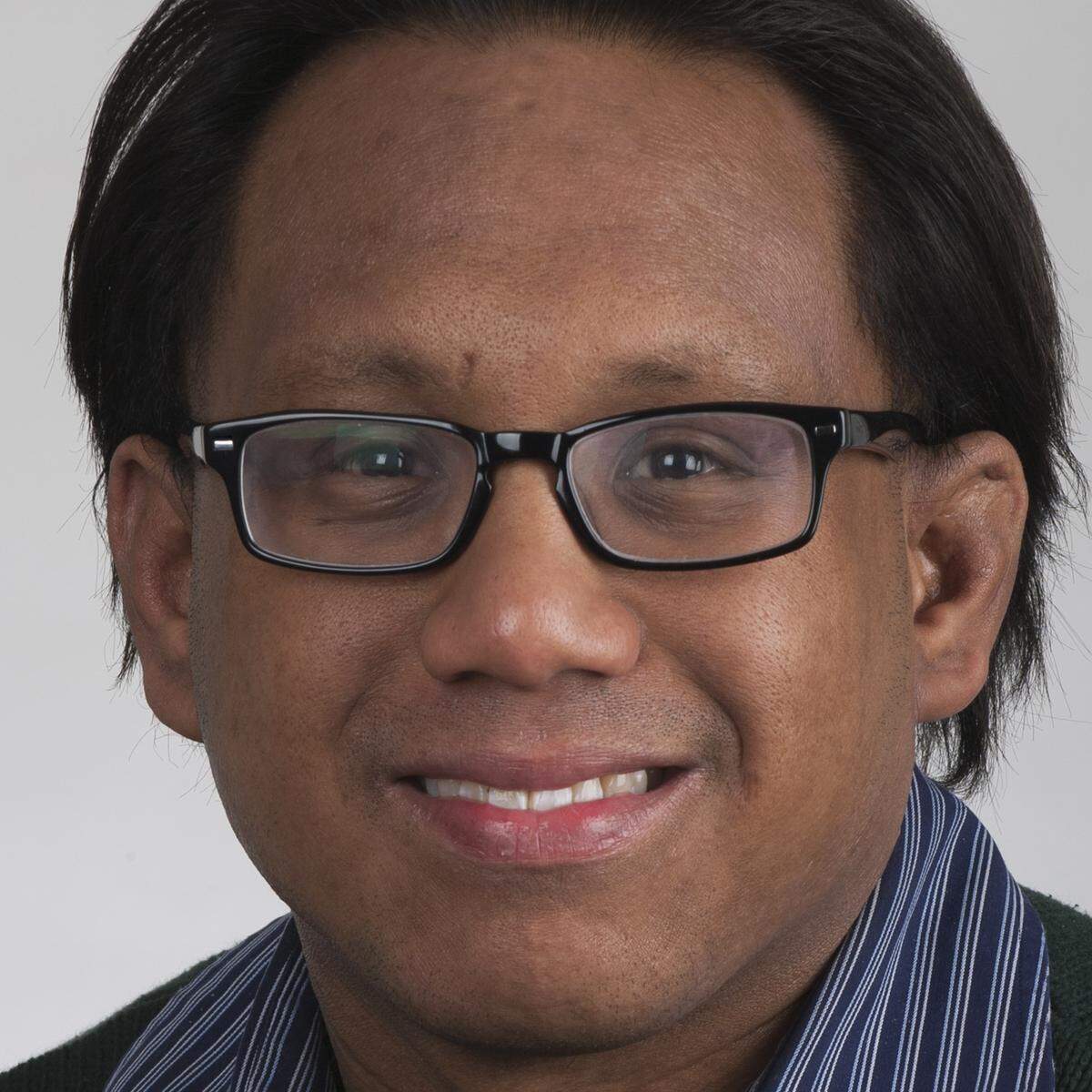
When Dr. Spence Taylor announced his resignation as president of Prisma-Health Upstate in the fall of 2019, Taylor said he planned to take time off to review his options.
Turns out, he didn’t need much time.
Less than a month later, according to documents recently obtained by The State newspaper, Taylor’s consulting firm Upstate Medical Partners signed a confidentiality agreement with the Medical University of South Carolina. The contract was followed up in December 2019 with a professional services agreement worth up to $1.5 million, and renewed a year later.
And, according to the terms outlined in the contract, the former Upstate health system president is being paid up to $109,000 a month for providing a team of five consultants for services to help advance MUSC’s mission in the Upstate, including an explicitly stated goal of helping with MUSC’s “proprietary plans” in the region that includes fast-growing Greenville.
When specified deliverables, or tasks, milestones and related reports, are achieved, MUSC will pay $261,974 to Upstate Medical Partners.
The discovery of this consulting agreement now has some South Carolina lawmakers concerned that MUSC may be deviating from its stated mission of optimizing human life through education and patient care.
And some also say they’re concerned MUSC is making decisions that could cut into private hospitals bottom lines.
“I believe that MUSC may have lost their way in trying to develop large hospitals that are competing with private sector hospitals,” said state Sen. Larry Grooms, R-Berkeley.
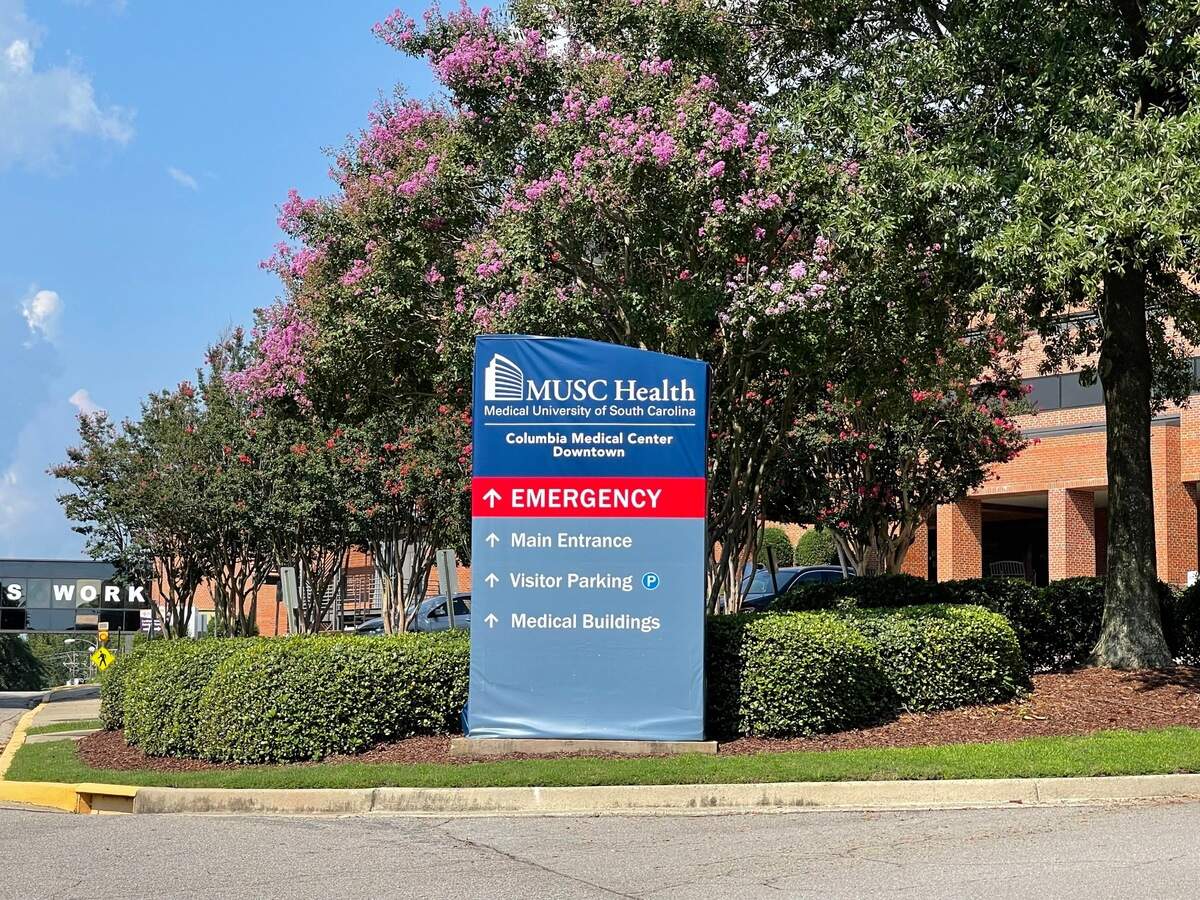
In recent years, the Charleston-based Medical University of South Carolina has looked to expand its physical footprint around the state, with plans in Indian Land, Berkeley County and Kingstree. The most recent was purchases of two hospitals in the Midlands — Columbia-based Providence Hospital and Camden’s KershawHealth Medical Center.
Taylor and MUSC have not been specific about what the goals are for the state-owned hospital chain. But they say their mission includes optimizing care throughout the state, whether it be through exploring partnerships, affiliations and acquisitions.
“MUSC’s mission covers the entire state and all South Carolinians,” Taylor wrote in an email interview. “Additionally, MUSC is not just focused on providing health care but also educating the next generation of health care providers and innovative research. The vast majority of my work with MUSC revolves around that academic mission.”
Taylor said the Upstate faces challenges with access to secondary care, mental health, primary care, management of chronic disease and shortages off nurses and doctors.
“Also unique to the Upstate, is the relative lack of independent physician practices (and thus often the loss of the voice of the patient)— all opportunities to work on in the future,” Taylor wrote.
MUSC makes Upstate moves, lawmakers split
MUSC has in recent years been making connections in the Upstate to help provide care in the Greenville area.
Last year, after Prisma Health closed its emergency room in north Greenville County, MUSC partnered with Bon Secours and Greenville County to develop a free-standing emergency room.
Prisma had an emergency room in the northern part of Greenville County since the 1980s, but closed it in April 2020 to open a COVID-19 center. Instead of reopening the emergency room, it later decided to focus on primary care in the area. Prisma said the emergency department had been under utilized.
“MUSC is a supporting player in this effort and was invited to that table based on their depth in telehealth,” Taylor told The State.
But the decision upset state Rep. Mike Burns, R-Greenville, who then started reaching out to other hospital chains and MUSC about filling the void.
Eventually MUSC, Bon Soceurs St. Francis and Greenville County partnered to put together an emergency room to fill the void. They are in the process of looking for a location and dividing up responsibilities and funding responsibilities.
Burns said the Upstate also needs a new cancer center and psychiatric hospital.
“(MUSC) is a state agency and shouldn’t be all stuck in Charleston and the lower state,” Burns said. “When you have more choices, you obviously have more choices for health care. You have a competition where your pricing can be more attractive to consumer. There are a lot of benefits to that.”
Not every Upstate legislator agrees with Burns, though.
State Rep. Chandra Dillard, D-Greenville, said she doesn’t know if MUSC expanding its physical footprint to include the Upstate is a good thing.
“I think the most important thing is there are parts of our state that have an abundance of services and there are those that don’t have anything and we should be trying to put services where access needs to be a priority,” Dillard said. “And so that just seems to be a bit odd, MUSC coming to the Upstate.”
Dillard said access isn’t necessarily an issue in the region, pointing to Am Med health, Prisma and Spartanburg Regional’s presence.
“I don’t see us in a health care void, like other parts of the state,” Dillard said.
MUSC targets other parts of SC
Similar to Dillard, Grooms has concerns as MUSC eyes hospital construction in Berkeley and Lancaster counties.
The Republican has been critical of MUSC’s efforts to expand its footprint in areas that already are served by other hospitals, particularly in southern Berkeley.
Grooms gave the example of how the state agency wants to build a hospital in southern Berkeley County in Nexton, “where there is no shortage of health care services. But when you get into rural areas of our state, where you don’t have access to hospitals, that’s where they should be offering services,” he said.
Grooms said southern Berkeley County has more people with health insurance and people with higher incomes which can attract other health providers because its more financially appealing.
He said there’s a need in upper Berkeley County, and in other poor areas that don’t have access to hospitals.
“It seems MUSC is targeting populations of insured folks instead of trying to provide access to health care for the uninsured population,” Grooms said. “Competition is a good thing among hospitals. The problem is MUSC was not designed to compete for business. They were designed to expand health care opportunities. There’s a difference.”
But Grooms was not critical of MUSC’s purchase of Providence Hospital and Kershaw Health.
“If those hospitals were going to close, I could see the reason why they were looking at MUSC for help, but hospitals are great economic generators for the local communities, particularly the private hospitals that pay property taxes and other taxes,” Grooms said. “When you remove those revenue generators and fill it in with an entity that is tax exempt, your local governments suffer.”
MUSC also plans to build a hospital in Indian Land in Lancaster County, near the Charlotte area. But the hospital’s certificate of need has been appealed by Piedmont Medical Center in Rock Hill with a hearing scheduled for February.
MUSC defends mission, purpose
The Lowcountry-based hospital told The State it’s in a perfect position to private health access statewide.
“MUSC is uniquely positioned as the state’s only comprehensive academic health system (AHS) to make a transformational impact for the health of the state and region,” MUSC spokeswoman Heather Woolwine said in an email to The State. “To accomplish this, MUSC must have a presence and connectivity across the state.”
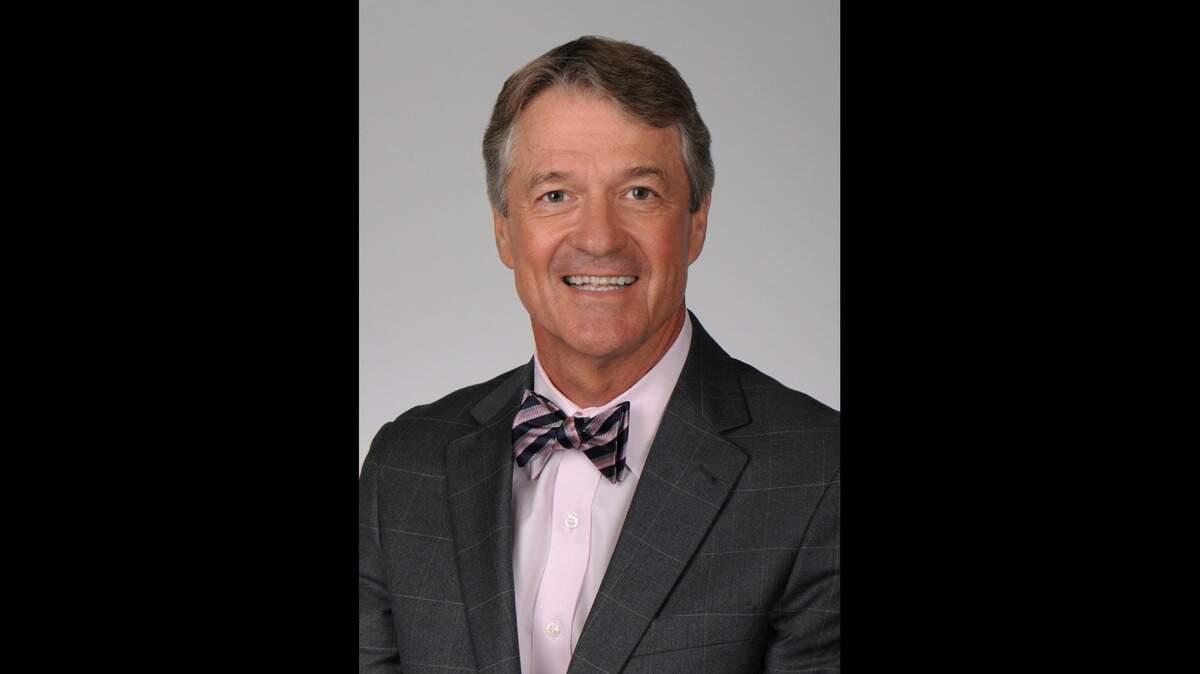
Dr. James Lemon, an oral and maxillofacial surgeon who is the first dentist to serve as MUSC’s board chairman since 1976, said decisions on where to locate brick-and-mortar facilities are based on where the hospital system believes need will exist relative to population growth.
“It’s not a static decision,” Lemon said. “It’s made looking to the future of where we will be able to make the biggest impact for our healthcare system.”
Lemon added that he’s not aware of any current plans to build a physical presence in the Upstate.
Lemon said the state agency understands some of their moves, especially in more populated areas, may be seen as cutting into the revenue of private hospitals.
“We understand that there will be perceptions of competition,” Lemon said. “However, we are open to affiliate with all institutions and the concerns had been would we compete with the other hospitals in this area.”
For example, Lemon said MUSC works with Lexington Medical Center on orthopedic cancer treatment and possibly other services.
“We would like to be involved with them in their cardiovascular services that are not provided by them and have those patients interact with us, so they would come to Charleston as opposed to going to Duke,” Lemon said. “So we understand that it’s viewed from the optics of perception, but we are affiliating with Tidelands, we’re talking to Beaufort, we want to do what’s best for the people of the state and we think that’s through partnerships.”
Lemon said MUSC isn’t ignoring rural areas which have seen population drops in the last 10 years.
He pointed to the ongoing construction of the hospital in Kingstree in Williamsburg County and its affiliation with the Hampton Regional Medical Center. He also has asked the MUSC leadership to look at putting up a hospital that would serve Allendale, Bamberg and Barnwell counties — some of the poorest in the state.
Lemon said the statewide goal of MUSC is to provide care throughout the state with affiliations with local hospitals and larger hospitals, and by providing specialty care by sending doctors to other areas.
“If they bring in a specialist, they no longer need (us), then we back off,” Lemon said. “These things are by invitation primarily, this is not something where we’re going out and recruiting these people. All of the other entities where we’ve gone had been by invitation with the exception of the Columbia situation which came out of a failed contract.”