
South Carolina’s mental health director to resign effective Nov. 1
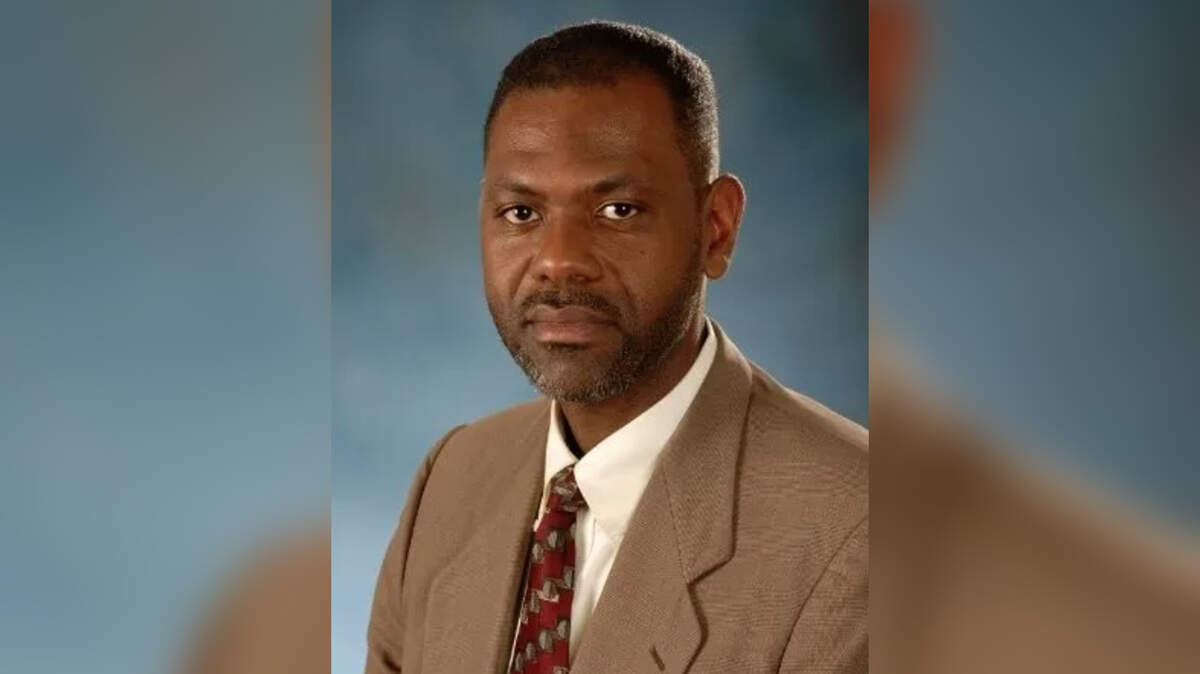
The director of South Carolina’s Department of Mental Health is resigning, a spokesman for the agency confirmed.
Dr. Kenneth Rogers, a psychiatrist who has served as the agency’s director since April 2020 and is one of the state’s few Black agency heads, announced in executive session at Thursday’s Mental Health Commission meeting that he would be leaving the department, effective Nov. 1.
Spokeswoman Tracy LaPointe said the agency would send a news release with more information about Rogers’ resignation at a later date.
Rogers emailed agency staff Friday afternoon, shortly after The State reported news of his resignation, to announce his pending departure and thank them for their support over the past two-plus years.
“You have shown incredible fortitude as we have faced extraordinary challenges, and I am proud to work with you,” he wrote. “While I am moving on to a new opportunity, I will forever be grateful for returning to SCDMH and for all I have learned during my tenure as state director.”
Rogers did not disclose his next move to staff, but pledged to send more information about what to expect in the near future and said he was confident the agency would be in “capable hands” going forward.
The seven-member Mental Health Commission, which is appointed by the governor with Senate confirmation, will select the agency’s next director with confirmation from the Senate.
Mental Health Commission Chairman Greg Pearce said the board was surprised by Rogers’ announcement and had yet to discuss the appointment of a successor.
“We are not an agency that has a huge administrative staff that you’ve got somebody you could just move into that slot,” he said. “There’s a lot of work to do here.”
Pearce said the commission had not asked Rogers to resign and said he had the utmost confidence in the outgoing director.
“I certainly hold him in very, very high regard and am very disappointed that he’s leaving at this time,” he said.
Under Rogers’ watch, the Department of Mental Health has come under fire from the governor’s office and the directors of South Carolina’s other child-serving agencies for its handling of delinquent children with severe mental illness, whom the state has been forced to house illegally at juvenile detention facilities that aren’t equipped to meet their needs.
While the problem predates Rogers’ tenure with the agency — DMH closed its residential treatment center for seriously mentally ill justice-involved youth in 2015 and has struggled to place them at private facilities ever since — critics have questioned the urgency with which the agency has attacked the issue.
After Rogers declined to ask for money to build a new residential treatment facility in his budget request earlier this year, the Department of Juvenile Justice’s director stepped in to ask lawmakers to fund the project. As a result, lawmakers allocated DJJ $20 million to build a psychiatric residential treatment center. The Department of Mental Health, however, supports the multi-agency project and maintains primary responsibility for it.
Concerns about the Department of Mental Health’s school mental health services also surfaced earlier this year after Gov. Henry McMaster highlighted them in his State of the State address and issued an executive order calling for an audit of the program.
The audit, released in May, found South Carolina had struggled to meet the growing demand for youth mental health counseling — fewer than half of the state’s public schools offered behavioral health services — and recommended the state augment and restructure its program.
The program’s struggles have been tied in part to the dwindling number of DMH school counselors, many of whom have left the agency in recent years to seek less stressful or better-paying opportunities.
As of May, the Department of Mental Health had lost more than a quarter of its school-based mental health workers since 2020, and as a result was serving 214 fewer schools than it had just two years ago, according to data provided by the agency. The agency currently serves 46% of schools in the state through its school-based mental health program and last school year served approximately 23,000 children, or roughly the same number it had prior to the pandemic.
Pearce acknowledged the agency has had its share of issues, especially coming out of the pandemic, but reiterated that Rogers’ resignation was unrelated to the department’s ongoing challenges.
Prior to becoming South Carolina’s mental health director, Rogers, a Dillon native and graduate of the University of South Carolina School of Medicine, worked as chief of psychiatry at Parkland Health and Hospital Corporation in Dallas and taught psychiatry at the University of Texas Southwestern Medical Center, according to his agency bio.
The governor’s office did not respond to a request for comment by press deadline.
This story was originally published August 19, 2022 at 12:32 PM.