SC sued over $1.5M budget earmark to seed establishment of private Christian school
South Carolina’s appropriation of $1.5 million in this year’s budget to help seed the establishment of a private Christian school in Greenville County faces a legal challenge.
Four South Carolina residents represented by the Freedom From Religion Foundation, a Wisconsin-based nonprofit that promotes the separation of church and state, filed suit Tuesday in state court claiming the earmark granted to an Upstate Christian nonprofit violates the South Carolina Constitution’s prohibition on using public funds to directly benefit private educational institutions.
The suit, which names as defendants Gov. Henry McMaster, Comptroller General Richard Eckstrom, Treasurer Curtis Loftis and State Superintendent of Education Molly Spearman, seeks a temporary restraining order to prevent the money from being disbursed until the case can be heard and, ultimately, a permanent injunction forbidding the state from allocating the money.
Christian Learning Centers of Greenville County, which for 25 years has provided free released-time Bible instruction to public school students, was awarded the money in the state spending plan approved by the General Assembly and signed into law by McMaster. The organization proposed using the appropriation to seed the construction of a “first-of-its-kind, state-of-the-art residential school” for disadvantaged middle and high school students in Greenville County, according to a proposal submitted to the governor’s office.
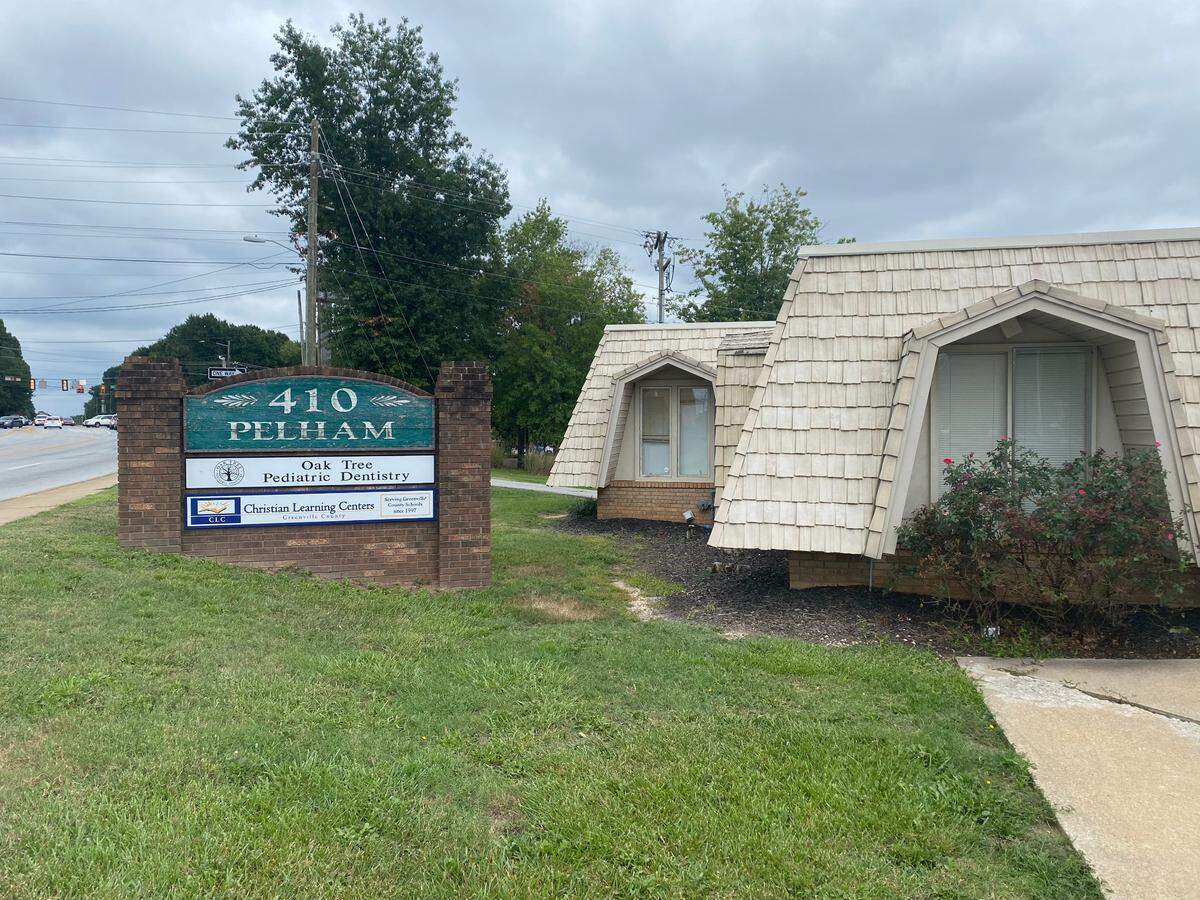
Facing public backlash after The State Media Co. reported on the appropriation, the organization’s director and two state lawmakers who sponsored the earmark said the nonprofit had not actually intended to build a school with the money, but was instead planning to construct a new facility to house its existing operations.
The new facility would include a “school-type building,” gender-specific dorms for homeless and truant school-aged children and administrative offices where local public school students could seek academic tutoring, receive mental health counseling and learn life skills, Christian Learning Centers’ chief executive officer Janice Butler said.
“We want to continue serving public school students – or some that would be public school students – get them in a position to do well in school and do well in life,” she said. “And we want to do all of that within state law.”
Butler declined comment on the lawsuit Tuesday.
The suit challenges the constitutionality of funding Christian Learning Centers’ plan, citing the state Constitution’s explicit prohibition against using public funds to benefit private educational institutions and its establishment clause mirroring the U.S. Constitution that forbids the General Assembly from making any “law respecting an establishment of religion.”
McMaster said Wednesday he intends to defend the earmark appropriation and does not believe it violates the state Constitution, explaining that public money allocated for 4-year-old kindergarten programs in the state flows to both public and private providers.
“We give a lot of money to private institutions,” said McMaster, who in 2020 attempted to use $32 million in federal COVID-19 aid to provide tuition grants for students to attend private schools. The State Supreme Court struck down the plan, ruling unanimously that it violated the state Constitution.
The governor said Wednesday he continues to believe that case was wrongly decided.
“There are a lot of times when the state is participating in a way that it ends up having some religious influence in it, but I don’t think it makes it unconstitutional,” he said. “I don’t think that’s what the Constitution means.”
The distinction, according to University of South Carolina law professor Derek Black, is that the Christian Learning Centers earmark singled out a religious organization for public money.
“Government chose religion in the earmark,” Black said last month. “That’s the distinction from what the U.S. Supreme Court has previously upheld.”
Reporter Joseph Bustos contributed.
This story was originally published September 20, 2022 at 4:56 PM.