Veteran judge defeats lawmakers in fight to retain the bench in Richland County
A South Carolina county judge has prevailed against a group of lawmakers in his fight to remain on the bench.
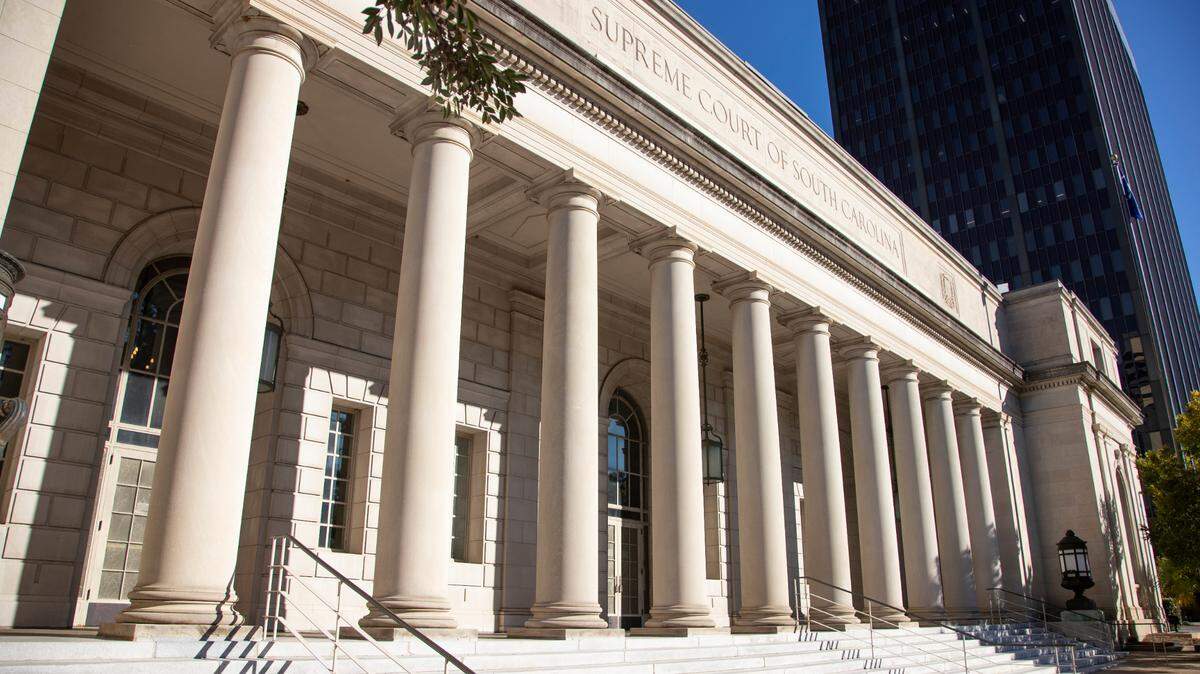
The South Carolina Supreme Court ruled Thursday that the Richland County Legislative Delegation must forward Judge Joseph Strickland’s name to Gov. Henry McMaster for reappointment as master-in-equity. Strickland has served in that role since 1989.
At issue in Stickland’s challenge was whether the county delegation, which comprises the state senators and representatives elected from the county, has a statutory obligation to submit a candidate’s name determined by the Judicial Merit Selection Commission to be qualified, when the commission recommends only one candidate to the delegation.
The court said yes.
“While a county legislative delegation retains authority over the selection of the ultimate candidate to recommend to the governor, that authority has been expressly limited to recommending only a candidate found qualified by the (Judicial Merit Selection Commission),” the court said.
Now, the Richland County lawmakers have 10 days to submit Strickland’s name to McMaster for reappointment as master-in-equity.
“We are going to abide by the direction of the Supreme Court,” said state Rep. Leon Howard, who chairs the Richland County Legislative Delegation. “We’re getting ready to send (Strickland’s) name to the governor and see where things go.”
But Howard suggested that the majority of the delegation isn’t going down without a fight, adding that he plans to send a letter to McMaster indicating that Strickland was voted down 11-3 by the group of lawmakers and requesting that McMaster honor the delegation’s decision.
It’s unclear at this point how McMaster will respond.
In 2021, the Judicial Merit Selection Commission reported to the Richland delegation that Strickland was qualified to continue serving as master-in-equity. The delegation failed to take any action on the report until this summer, two years later, when Howard sent a letter to the commission asking that it announce Strickland’s position as vacant.
Howard and delegation member state Rep. Todd Rutherford, who represented the delegation against Strickland’s lawsuit, argued the delegation had discretion in deciding whose name to forward to McMaster for master-in-equity, regardless of the number of names deemed qualified by the Judicial Merit Selection Commission.
And just last week, during a delegation meeting, members displayed fits of shouting, dysfunction and anger as they slung a series of insults toward one another over the way the body had conducted the process of selecting the Richland County master-in-equity.
State Reps. Heather Bauer and Annie McDaniel and state Sen. Dick Harpootlian stood in opposition to the delegation’s decision to withhold Strickland’s name from the governor, with Bauer and Harpootlian state Rep. Seth Rose even filing a return with the court in support of Strickland’s position.
The court’s decision “demonstrates how really dysfunctional the Richland County delegation is,” Harpootlian said. “This whole issue came about because the chairman, Leon Howard, and Todd Rutherford wanted to create some scheme to depose Judge Strickland in clear violation of the law as stated by the court.”
In South Carolina, candidates for judicial office must first apply to the Judicial Merit Selection Commission, which is a 10-member statutorily created body charged with considering candidates’ qualifications. Following a review of a candidate’s background, the commission then forwards a report to the General Assembly, detailing whether the candidate is fit to serve. Legislators then decide which candidate they’ll recommend to McMaster for appointment.
Strickland’s term expired in April of 2021, and without being officially reappointed, he remained in what’s known as a carryover status, meaning he could remain on the bench until another candidate was appointed to replace him.
Masters-in-equity are county-based judges who have jurisdiction in matters referred to them by the circuit courts, such as cases involving foreclosures or contracts. Masters are appointed to a six-year term by the governor, subject to the advice and consent of the General Assembly.
Typically, the Supreme Court said, the selection of county judges by legislative delegations involves a question in which the court could not intervene.
“Here, however, the facts are unique: (Strickland) was the only JMSC-qualified candidate who applied for the position of Richland County Master,” the court’s order said. The lack of any other candidates strips the RCLD of any possible discretion and merely requires the RCLD to complete ... a task, that being to formally submit the only qualified candidate’s name to the governor for his consideration.”
This story was originally published August 10, 2023 at 2:20 PM.