
Minors can’t legally play pinball in SC. Why is that the law?
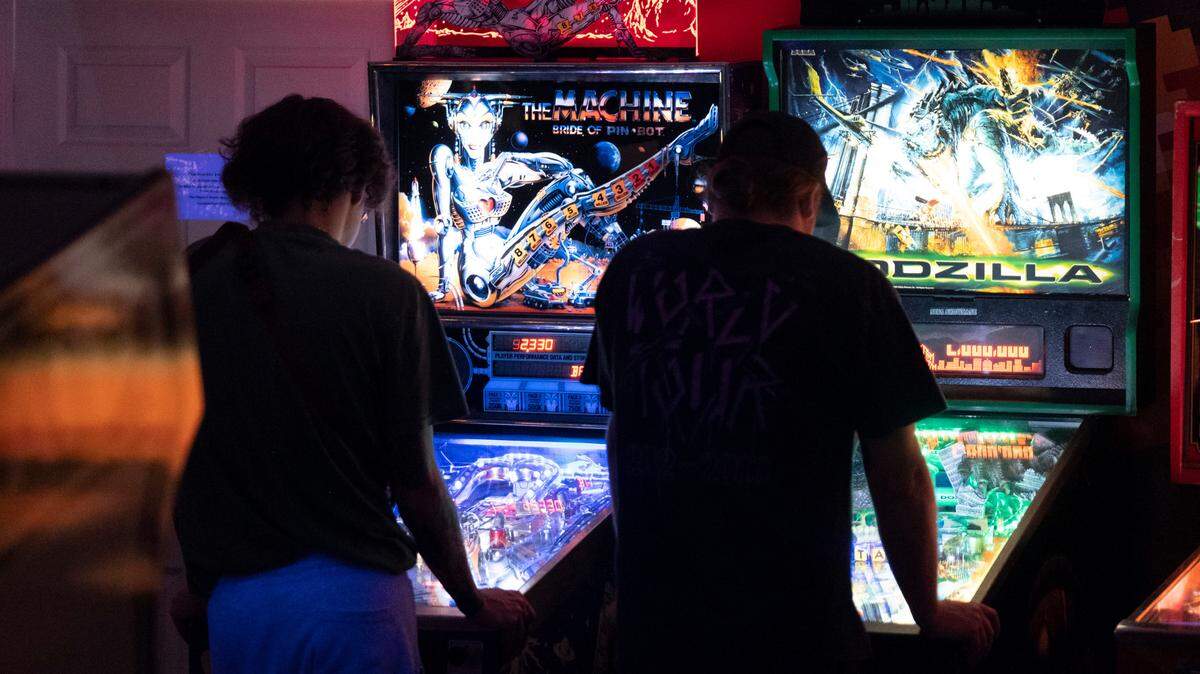
“Godzilla,” “Jaws,” and “Pulp Fiction.”
These names are among the most popular pinball machines at the Bang Back Pinball Lounge in Columbia. The establishment, decked out in illuminate machines lining the walls, a mural of photos from pinball legends and defenders, and “pinball wheels,” which are specifically unique to the setup of the lounge, attracts customers of all ages, races, interests and more. But the establishment, like others in Palmetto State, face a unique situation: Anyone under 18 is legally prohibited from playing pinball.
So how do they operate?
“We don’t break laws, we fix them,” said Frederick Richardson, owner of the four-year-old lounge. “We go out of our way to make sure no facet could we ever be accused of doing something illegal. I don’t want to be breaking the law. At the end of the day, on the books, it’s illegal. But Bang Back is a fun and safe place for everyone.”
Richardson has a passion for creating an inclusive environment for everyone to play pinball. With 26 machines, the restaurant and pinball establishment owner even partners with minor league baseball’s Columbia Fireflies where they encourage children and families to come out and game together with kid clubs.
“I push families and kids because that’s the future,” Richardson said. “This is so much better than being stuck on your damn device, where you’re just like, [typing] constantly. Just sitting there, numbing your brain. Here, it’s physical. I want you to go play the game, I want you to interact.”
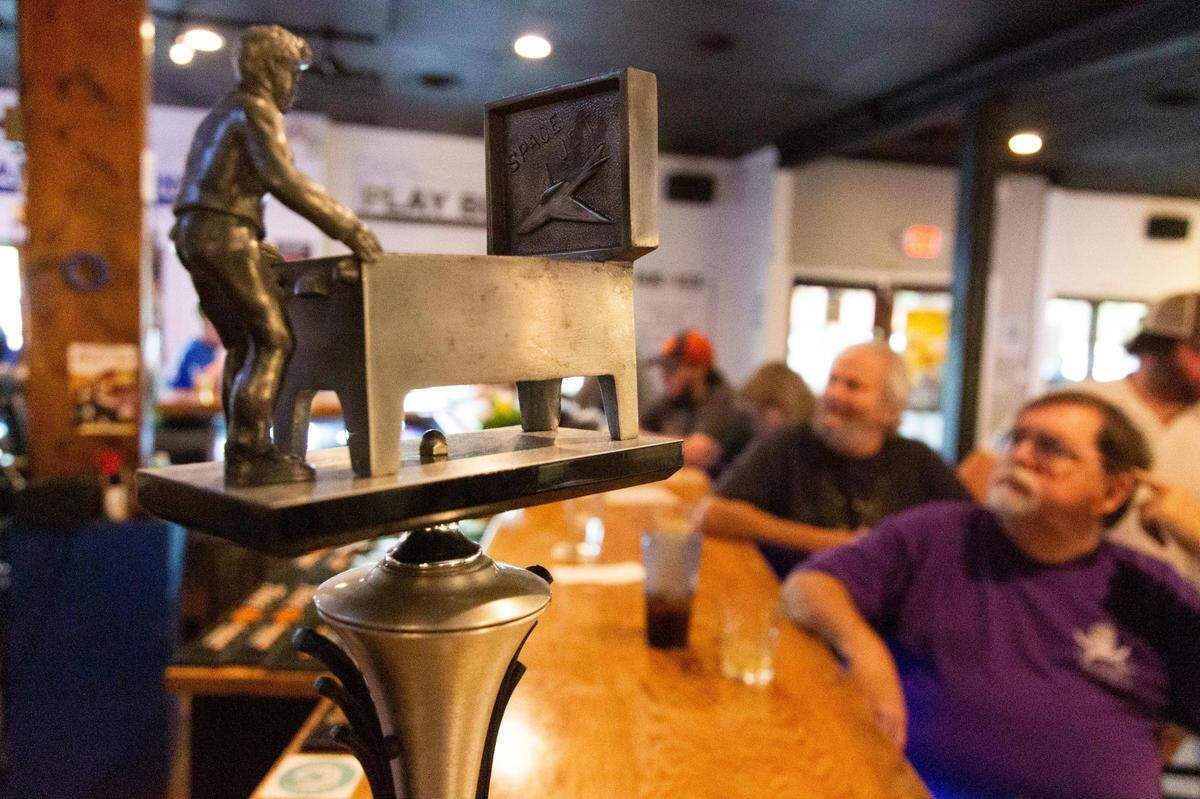
But legally, a line is drawn with what he and many other pinball parlor owners should and should not be doing. South Carolina is the only state in the nation where those under 18 can not legally play. One South Carolina lawmaker wants to change that. But past efforts failed. Will it be different this time around?
“What do I want? I want it legal,” Richardson said. “I want people to be able to come in here with their children and feel comfortable like you know, no cops are going to raid the place and arrest your kid. Now is that happening? No. It’s kind of an unenforced law, if you will. The police, DOR, SLED, know what I do. I have pinball. We don’t gamble here. You can’t win money on our games.”
H. 3227, the status offenses pinball bill, would allow anyone to play pinball, not just those over 18-years of age. Rep. Todd Rutherford, D-Richland, sponsor of the bill, introduced the legislation in a subcommittee Tuesday morning. The bill has been introduced in prior years, where it passed in the House, but not the Senate.
“To me it’s an archaic law. Pinball has had a resurgence as of late. It’s self explanatory at this point. I don’t see the evil that is being taken care of by maintaining its illegality,” Rutherford said.
Rep. William Bailey, R-Horry, asked when the last time someone was charged for playing pinball. Rutherford said he didn’t believe there had been one.
“The people that are operating these pinball places, for a lack of a better term, don’t want to break the law,” Rutherford said. “They also recognize this it is the law as it stands right now and that a lot of them are set up as restaurants that have ABLs (Alcoholic Beverage Licensing), and they don’t want run a foul of their ABL license by knowingly violating a law.”
Rep. Robby Robbins, R-Dorchester, asked about payouts on pinball machines, and Rutherford said “it’s just pinball, regular pinball.”
Robbins was referencing to a common concern — that pinball has been used as a gambling device. Other states have also cited this when placing age limits on the game, to not allow children to gamble.
Why is pinball only legal for adults?
Robbins asked why was there ever a law? Rutherford said he was told there was a concern about kids “using their nickels” for pinball instead of lunch money.
“Nothing costs a nickel anymore, so I don’t see the evil.”
Inside the Bang Back Pinball Lounge, near the back of the establishment, a mural of Roger Sharpe, a New York City pinball defender, and longtime friend of Richardson’s is painted in extravagant colors and animations. Sharpe had fought to overturn the pinball ban in New York in 1976 after decades of the game being associated with gambling. But Sharpe testified to the city council that it was a game of skill, not just a game of luck.
Sharpe got the pinball ban overturned and many other states followed their lead.
“Most of America changed, not here,” Richardson said.
Sharpe visited Columbia about a year ago with Richardson and met with Rutherford, Richardson said, and they talked over the bill.
Richardson recalled that Sharpe said when you’re able to play games and win credits, you’re giving something away for free, which can be associated with gambling. Sharpe advised minimizing what the games pay out.
“It’s going to dribble into the games that actually do involve gambling, and it’s going to possibly somehow legalize that,” Richardson said, discussing the concerns of the bill he had heard of.
Richardson’s establishment does not give anything back in the game. It’s just fun, and it’s just a game, he added, not a gambling device.
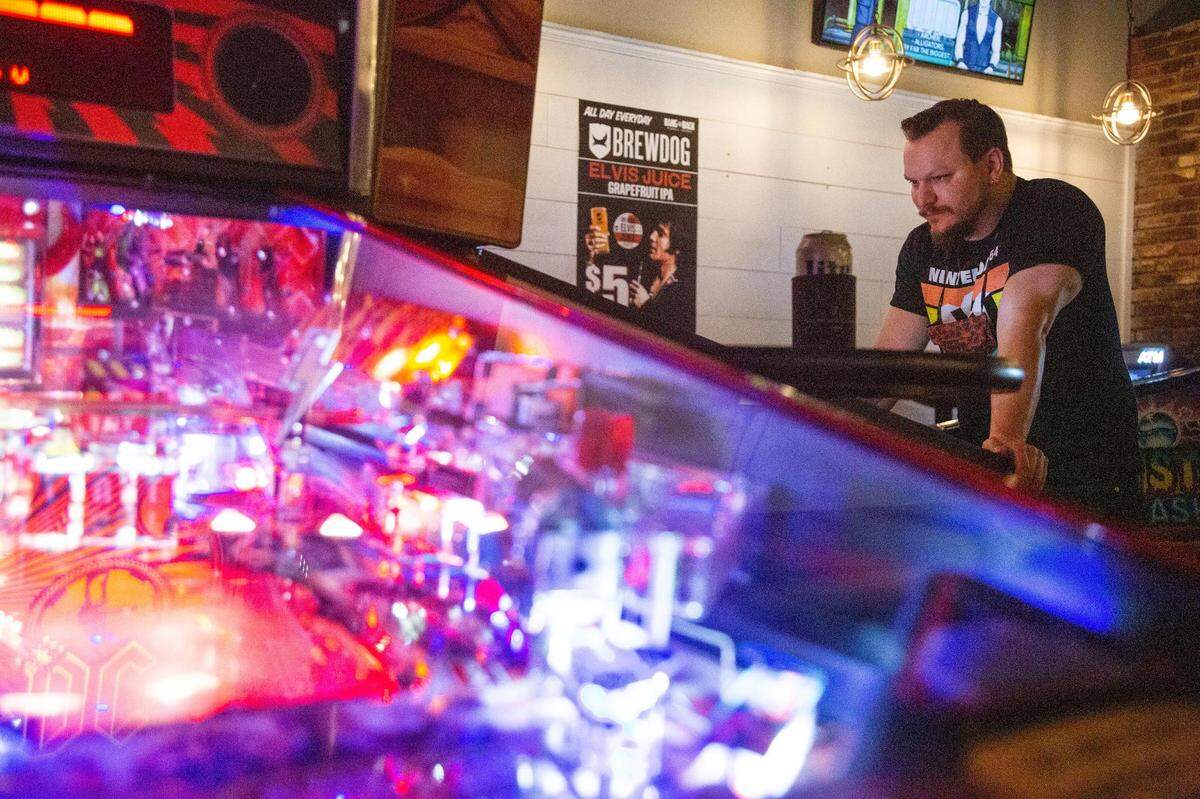
Rutherford said the gambling arguments have prevented legalization. But it’s not tied to gambling, he added.
Rutherford said in a later interview that his niece was actually the one who found it in the law and came to him about changing it.
The bill passed favorably in the subcommittee and moved to the full committee.
“As an owner operator, yeah, I want it legal,” Richardson said. “Unfortunately I know why it’s illegal, and I think it’s going to be very hard to allot changes. It needs to redefine gambling and pinball, I guess.”