Why SC students could see college tuition rates rise for the first time in years
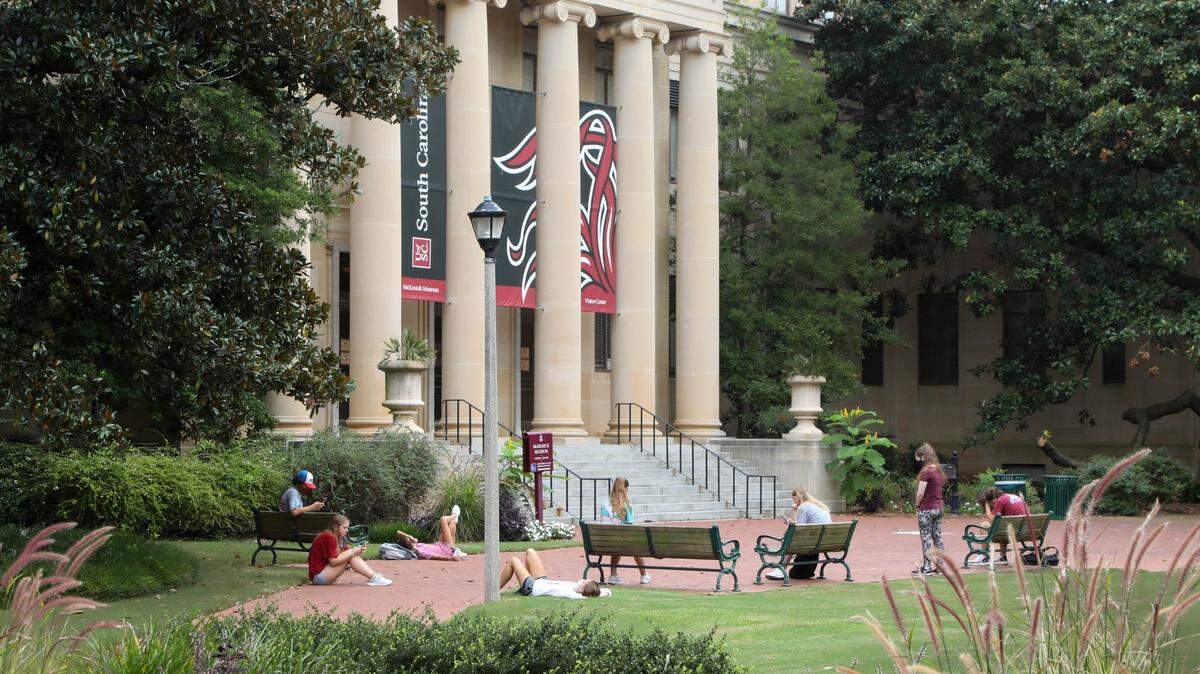
Even though lawmakers have frozen college tuition rates for in-state students for the last six years, state senators are looking to give colleges and universities some flexibility to end that streak in the fall.
A proposed budget provision in the Senate would allow state colleges and universities to increase their tuition rates by up to 2%, even if the schools take the tuition mitigation money meant to freeze tuition rates for in-state students.
“We just don’t have the money this year we had last year,” said state Sen. Ronnie Cromer, R-Newberry, who oversees higher education spending on the Senate Finance Committee. “Last year we were able to give all what colleges asked for and a little more. With the money just not being there, it’s hard to tell a university they can’t increase tuition when inflation is up so high.”
Ahead of this year’s budget deliberations, colleges and universities asked for $128 million more in annual money from state coffers to pay for tuition mitigation, increased scholarships and increase cost of operation.
Gov. Henry McMaster only recommended a little less than $50 million for tuition mitigation. House budget writers only put in $57.5 million.
How much the Senate proposes for tuition mitigation has yet be determined.
Lawmakers have allocated money to freeze tuition rates for six consecutive years.
Inserting the 2% language allows Senate budget writers flexibility when they eventually head to a conference committee on the budget to negotiate with the House.
Senators included a provision in its budget proposal to require schools instituting a tuition or fee increase to provide an analysis of why an increase is necessary and all the cost-saving measures taken to minimize a tuition hike.
Another revenue estimate from state economists is expected before the House and Senate budget writers meet in a conference committee to finalize a spending plan for the upcoming fiscal year, which begins July 1. More money could be available for budget writers to allocate.
Clemson University spokesman Joe Galbraith said the university appreciated the general assembly’s push to make sure college is affordable, but said the school did not ask for the language in the proposed proviso.
“While we did not request the language specifically, we are fully supportive of the proviso adopted by the Senate Finance Committee,” Galbraith said. “The flexibility afforded by language will allow Clemson to continue investing in the strategic pillars of Clemson Elevate — creating the best student experience in the nation, doubling research and transforming lives across the state of South Carolina.”
Lawmakers only have $662 million in new annual money available to allocate, and millions is eaten up by raises for teachers, state employees, state health insurance premiums and increased Medicaid costs. Budget writers have to choose among $1.7 billion worth of requests for annual money.
The University of South Carolina itself has frozen tuition for five consecutive school years.
“We’re grateful that both the governor and members of the General Assembly have recognized the importance of the tuition mitigation program, which has played an essential role in keeping tuition affordable for South Carolina students,” said university spokesman Jeff Stensland. “We remain optimistic that affordability will remain a shared priority. USC remains committed to affordability and quality, and the current system of state funding makes that possible for all universities.”
While speaking to reporters Tuesday, McMaster said he was against the idea of allowing schools to increase tuition citing the pressure of inflation on families.
“We need to find ways to be more economical, to spend money where we need it, don’t waste any money. And I’m sure with all the money going in through tuition to these schools they will be able to do just fine,” McMaster said. “It costs too much money to get a four-year degree these years. The technical college system seems to be doing well. They are thrifty and they’re right on the money and we have some scholarships there and we’ve got a lot of scholarships for four-year schools, too.”
This story was originally published April 9, 2024 at 11:50 AM.