SC House speaker’s rural county gets big chunk of state dollars. Some say it’s not fair

In Sumter County, most people take their time checking out at the grocery store, chatting with the clerks and their neighbors in line. They wave at you on the sidewalk and offer smiles and warm greetings.
Sumter is slow, said Connie Brennan, a local artist who lives above the Naomi and Warner boutique on Sumter’s Main Street, and occasionally helps run the shop. “But that’s a good thing.”
Yet the community’s slow nature has also left some wishing for more. One person called the town “podunk.” Another said the town doesn’t have enough good paying jobs for young residents.
Sumter County is less wealthy and less employed than the state average, and it’s struggled to attract new industries. Residents say the community needs more investment — to attract better jobs, more professionals like doctors, and to become more vibrant.
Some of that investment is coming, thanks to the county’s powerful legislators and the state’s controversial earmarks process. The state budget for the current fiscal year earmarks $24 million for Sumter County projects. The money will pay for recreation updates, African American and military history projects, utility upgrades, public safety improvements and more.
Among the projects are:
- $5.9 million for upgrades to the Bobby Richardson Sports Complex
- $3 million to help build a military museum in the city of Sumter
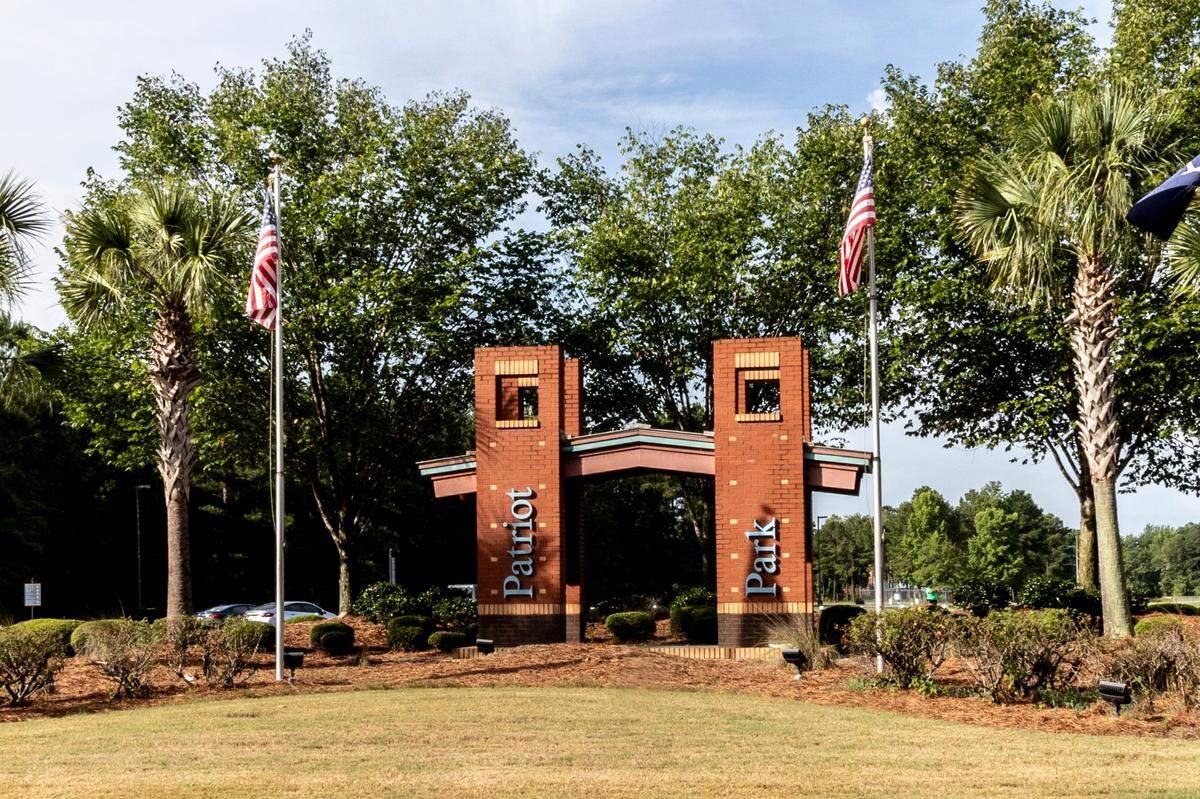
- $3.3 million for an amphitheater at Patriot Park
- $1.2 million for renovations at the historic Riley Park baseball stadium
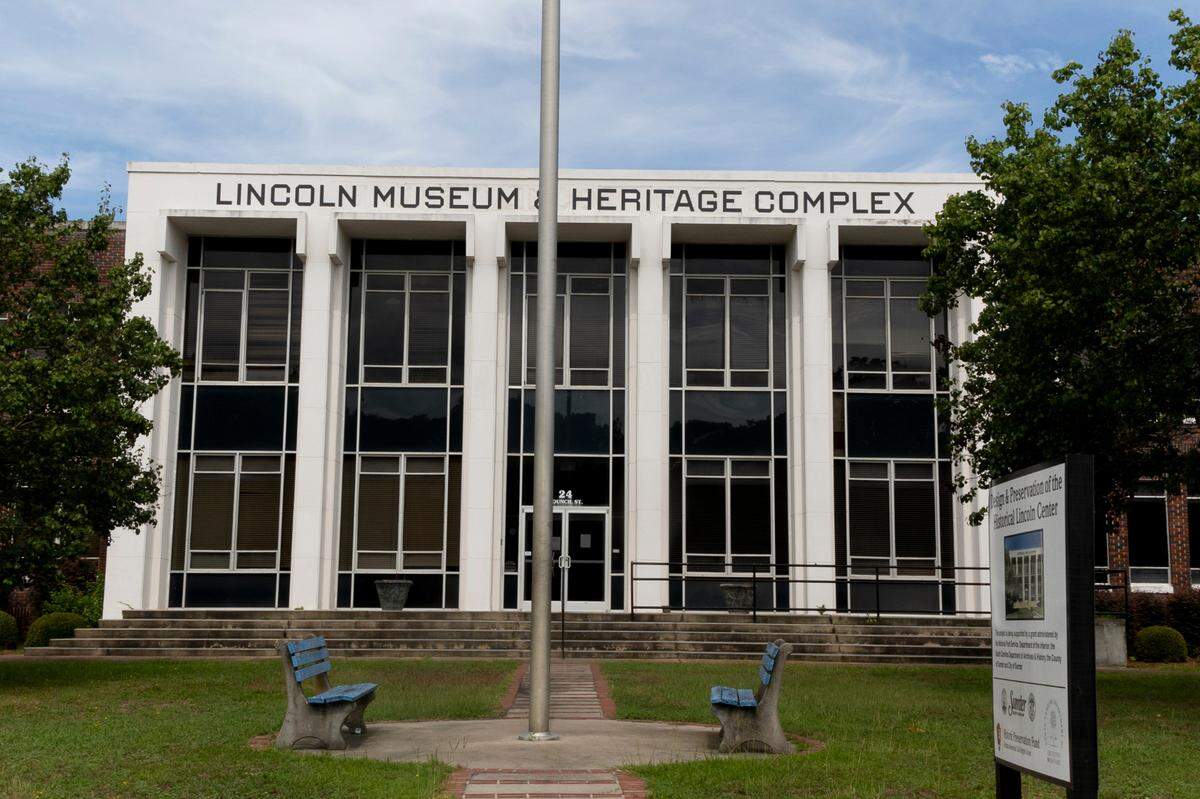
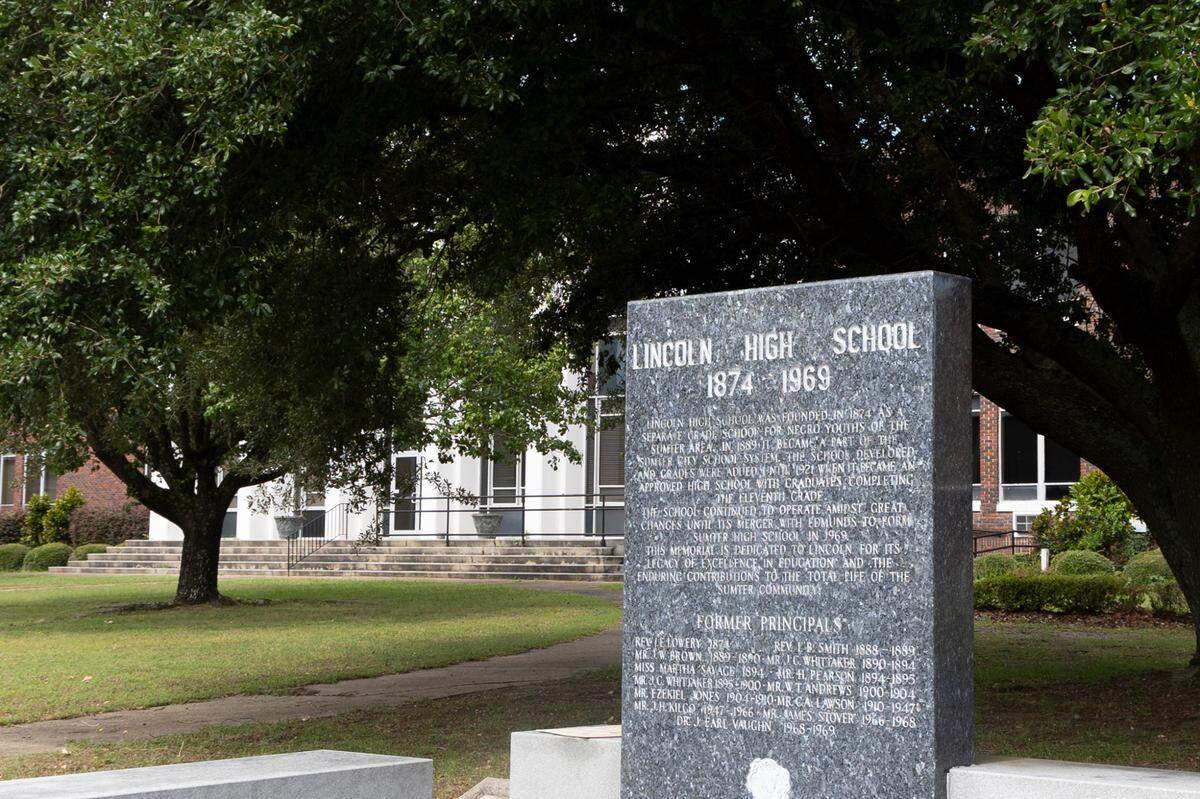
- $1.5 million to build an African American historic park
This is just the latest year that Sumter has gotten a windfall of state dollars for local projects, thanks in part to high ranking leaders in the State House, including House Speaker Murrell Smith, R-Sumter. This year, Sumter — the state’s 15th largest county — ranked fifth in the amount of earmark dollars approved by the House.
Some lawmakers say Sumter is emblematic of a statewide problem around how state earmarks are divvied up and who gets the most money.
“Earmarks are the currency of corruption in Columbia,” said state Rep. R.J. May, a Lexington County Republican who is former vice chairman of the ultra conservative House Freedom Caucus.
But others say earmarks help uplift their communities.
“We’d like to call it community investment projects,” Senate Finance Committee Chairman Harvey Peeler told reporters in June.
A changing Sumter
The swans are out in force at the City of Sumter’s combined Swan Lake Iris Gardens and Visitors Center. A few couples spend their morning walking the three-quarter-of-a-mile trail around the garden, photographing birds and squirrels or otherwise enjoying being outdoors.
The park, which residents call a local jewel, is getting a $1.5 million upgrade from the state for work to enhance the entrances and to expand the maintenance facilities.

Overall, projects in Sumter and Sumter County received an investment from earmarks of $232 per person — the second highest per-person investment of the state’s 46 counties. Only Allendale County received more, with $325 per person, according to an analysis by The State.
A few years ago, The State analyzed earmark spending and found that in the 2019-2020 budget, Sumter benefited more than any other county, with more than $7 million for projects like a new tennis center, a $3 million health clinic and $1 million for local parks improvements, among other projects.
State Sen. Thomas McElveen, D-Sumter, said like the rest of South Carolina, Sumter is growing, and he can see it firsthand. The industrial base has grown, Shaw Air Force Base has grown, there’s more housing and development, he said.
Sumter County’s population actually declined by nearly 3.5% between 2012 and 2023, according to census projections, although it grew slightly — by .22% — from 2022 and 2023.
And the number of available jobs fell 2.6% between 2022 and 2023, according to the Economic Innovation Group, a national public policy research organization.
The community also has consistently higher rates of unemployment than the state average, with a 3.8% unemployment rate in Sumter County in 2022 compared to the state’s 3.2%, according to state data. But there are indicators that the community is growing.
More new single-family residential housing units were approved in 2023 than any time in the last decade, with 423 new houses. But no industrial building permits were issued in either the city or county in 2023. In 2022, just one permit was issued, according to a report from the city’s planning department.
McElveen, an outgoing state senator who served on the Senate Finance Committee, said he’s skeptical about some of those numbers. “We may not be growing at the rate some places in this state are like Horry County or Charleston County or Greenville County, but I think the growth here is palpable,” he said.
McElveen said he’s always seen earmarks as a priority and a responsibility for himself to advocate for Sumter. He said the county’s legislative delegation has worked with city and county officials to identify and address needs. The earmarks in Sumter have gone to projects that make the community more attractive, he said, and ultimately improve quality of life.
“We’ve been calling ourselves team Sumter for well over a decade, and I think that we’ve written a pretty nice blueprint on how to get things done,” McElveen said.
Jobs and income go hand-in-hand with earmarks, McElveen said, because a more attractive, safer community will be attract better jobs and more people.
Those who spoke with The State on a recent trip to Sumter agreed, saying the community needs more investment because of some of its unique challenges.
“It’s progressed some,” said Angelia Kennedy of Sumter, who arrived in 2001 to serve at Shaw Air Force Base. But she hasn’t seen any dramatic growth. A lot of military spouses commute to Columbia or Florence, each roughly an hour’s drive away, because Sumter doesn’t have enough high-paying jobs, Kennedy said.
Sumter County’s median household income has trailed the state average every year for at least the past decade, and in recent years the gap has widened. In 2022, Sumter’s median household income was just over $48,000, while statewide the average was nearly $59,500, according to the South Carolina Revenue and Fiscal Affairs office.
For lifetime Sumter resident Jonathan Witherspoon, that’s part of the problem.
“It feels like growth,” when you drive through town, he said. You can see new homes and apartments coming online, “but jobs aren’t on that level.”
Controversial dollars
Some lawmakers swear off earmarks as corrupt, while others say it’s their obligation to leverage the system in whatever ways they can to benefit their constituents.
Funding for earmarks comes from so-called one-time dollars — state revenues that will only be available for one year. For the fiscal year that started July 1, more than $400 million worth of earmarks were included in the state budget. That was down from more than $700 million in the last fiscal year but more than nine times higher higher than the $43 million spent on earmarks in the 2019-2020 fiscal year.
For years, earmarks were secretive. Legislators could quietly add their favorite projects to the budget without identifying them in budget documents.
But following The State’s reporting on hidden earmarks in 2019 and 2020, lawmakers agreed to release publicly a list of earmarks along with the legislator sponsoring the expenditures, entities receiving the money and how much is being allocated.
But Peeler, chairman of the Senate Finance Committee, is still a bit wary of the process.
“(Earmarks) can get out of hand and it seems to be getting out of hand and we’re going to work on that to make it more fairly and equitably or it may not happen at all,” Peeler said of earmarks.

Lawmakers in powerful positions directing money to their home counties or areas they represent isn’t anything new.
The late state Sen. Hugh Leatherman, a Florence County Republican who served as Senate Finance Chairman for 20 years and had become the most powerful lawmaker in the state, directed millions over the years to his home county to help it grow economically.
This year, York County, which has the seventh highest population in the state, received the most earmark cash from the Senate. Peeler’s district includes the western portion of York County.
Greenville County, which is the largest county in terms of population, also received the most earmark cash in the House. House Ways and Means Chairman Bruce Bannister’s district is in Greenville County.
Bannister said it’s up to legislators to ask for earmarks. “If you choose to not ask, then you choose to not ask, and that’s every member’s prerogative,” Bannister said.
Once a legislator requests an earmark, Bannister’s committee reviews the requests, rejecting those that committee members aren’t comfortable funding, he said. But Bannister said because of the volume of requests, he doesn’t necessarily know everything about all the projects. Still, the committee does its best to find the most appropriate ones.
To determine the final list of projects, the committee tries to be fair geographically while also funding projects that have the best impact, Bannister said. Other factors include what has been requested and what is needed.
However, it’s no secret that Smith, who was chairman of the House Ways and Means for four years and on the committee for 13 years, has the experience and influence over the process to be considered first, Bannister said.
“If he has a project and his delegation is in favor of it, and he asks us to fund it, and it meets all the criteria … his projects are generally looked at first as we go through,” Bannister said.
Smith received the most funding from earmark dollars in the House, behind state Rep. Todd Rutherford, D-Richland, who is the House minority leader.
This, critics of the earmarks system say, is a major problem. The system is about power, and it’s an unfair use of it.
May, the Lexington County Republican, said the process is inherently flawed. The speaker has the power to ensure funds get to his district, he said.
“The real question isn’t why the speaker gets what he gets, the real question is why do we have this process to begin with.”
May said his constituents and South Carolina residents want to do away with the earmark process at the state and federal level.
Bannister said he hasn’t heard anyone complain about not getting enough for their district.
House members who wanted to improve their districts through an earmark “were successful doing that. Everybody didn’t get everything they wanted. If you were advocating for your district, and you are asking the state to make an investment, I feel like you got a fair shake,” Bannister said.
The State made multiple attempts over several weeks to reach Smith through telephone calls and text messages, but was unsuccessful.
When The State approached Smith in person after a salary commission hearing on the State House grounds to ask him about earmarks, he declined to comment, accusing The State of saying this story would be about Sumter being a community in decline. If “that’s the basis to which you start, I’m not going to comment on that,” he said
Push and Pull
Despite being a Democrat in a Republican-dominated legislature, Rutherford still brought home more than $10 million in earmarks to Richland County.
He’s successful, Rutherford said, because he’s been there 25 years and understands the process, and he actively participates in it.
Rutherford said the earmark process is making South Carolina better. “Throughout my tenure in the General Assembly, it has been one of the most remarkable ways that money has benefited individual districts in South Carolina,” he said.
Among the projects pushed by Rutherford are relocating Columbia’s railroad tracks where trains frequently block traffic, are noisy, and, he said, stifle development. That effort has received millions in earmark funding in recent years, including $5 million in 2024, he said
When earmark opponents say the process is about power, they should check themselves, Rutherford said.
These are the same people who don’t advocate for Medicaid expansion, Rutherford said, referring to the Freedom Caucus.
“They don’t advocate for anything other than tearing the budget down making sure that South Carolina does not grow. They don’t care about business. It just seems like one more of their complaints they list,” Rutherford said.
State Rep. Jordan Pace, R-Berkeley, a member of the House Freedom Caucus, said that is false. Like May, he said it all comes down to power. Pace said he doesn’t put in earmarks because of his personal beliefs that it’s a “broken system,” and something he doesn’t want to participate in.
Pace and other Freedom Caucus members say they vote against the budget for a multitude of reasons, including the allocation of resources that don’t align with what the Freedom Caucus wants and “wasteful spending.”
Both May and Pace agree some earmark projects are good. They both referenced funding for police.
Local impact
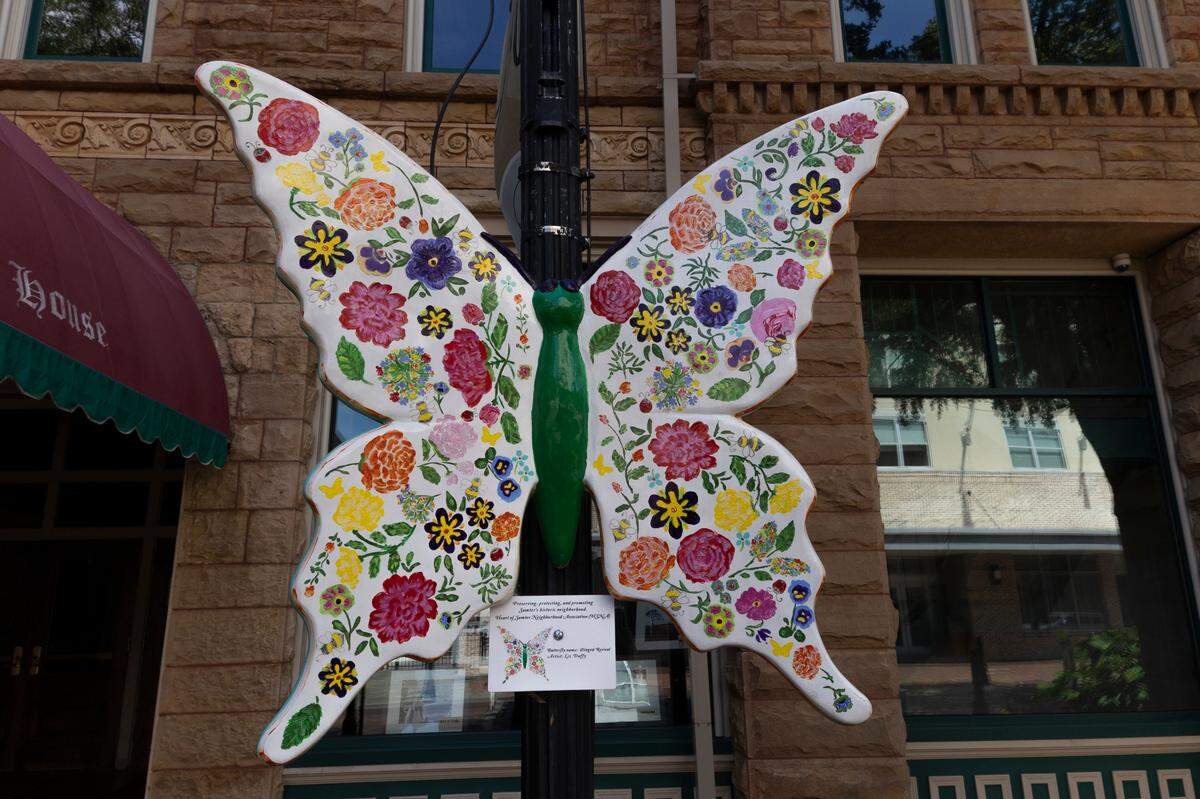
A few people mingled on Sumter’s Main Street on a recent Monday morning. Painted butterflies lined downtown, part of a beautification and public art project from the city. Military families come to Sumter for Shaw Air Force Base — home to a U.S. Air Force fighter wing, a drone attack group, and the U.S. Army’s Central Command — and they often choose to stay, or to return and retire here, several residents said.
“We are a growing community, and as such, positive enhancements and growth are necessary to maintain a proper quality of life for our citizens.” Sumter Mayor David Merchant said in a statement to The State. “The (earmark) projects will have a tremendous impact on our community,”
Sports tourism is a big industry in Sumter, Merchant said. The nearly $6 million expansion of Sumter’s Bobby Richardson Sports Complex and the $1.2 million for Riley Park are needed to maintain the city’s ability to attract athletic tournaments and collegiate-level events for the city, he added.
The 150-acre Swan Lake Iris Gardens, which has been growing since its founding in 1927, is the town’s crown-jewel and improvements have been planned with “care appropriate for a century-old landmark,” Merchant said.
Those projects, plus money for an African American Historic Park and the Sumter Military Museum, are important for showcasing Sumter’s story, he said. Shaw Air Force Base has 31,000 people , between active-duty military personnel, retirees, family members and civilian employees, according to the base.
“We are thankful for the support from our state delegation,” Merchant said.
When it comes down to advocating for earmarks, McElveen said it really depends on what your priorities are as a legislator. If a lawmaker is focused on other things and doesn’t emphasize a need for earmark money, or look into where their community could benefit from it, they don’t end up receiving it. But for communities like Sumter the money can be important, he added.
Earmarks force people to work together, whether it’s across the aisle with House and Senate lawmakers or within their community working with local leaders, McElveen said, and that’s not all bad.
“I think those of us from smaller communities, it has to be a bigger part of what we want to accomplish, because a lot of our smaller communities can’t do things on our own without the help of the state,” McElveen said. “Is the process one that’s perfect? No. But I think it’s one that’s certainly been improved just since I’ve been there.”