
SC election officials actively working to keep non-citizens from voting
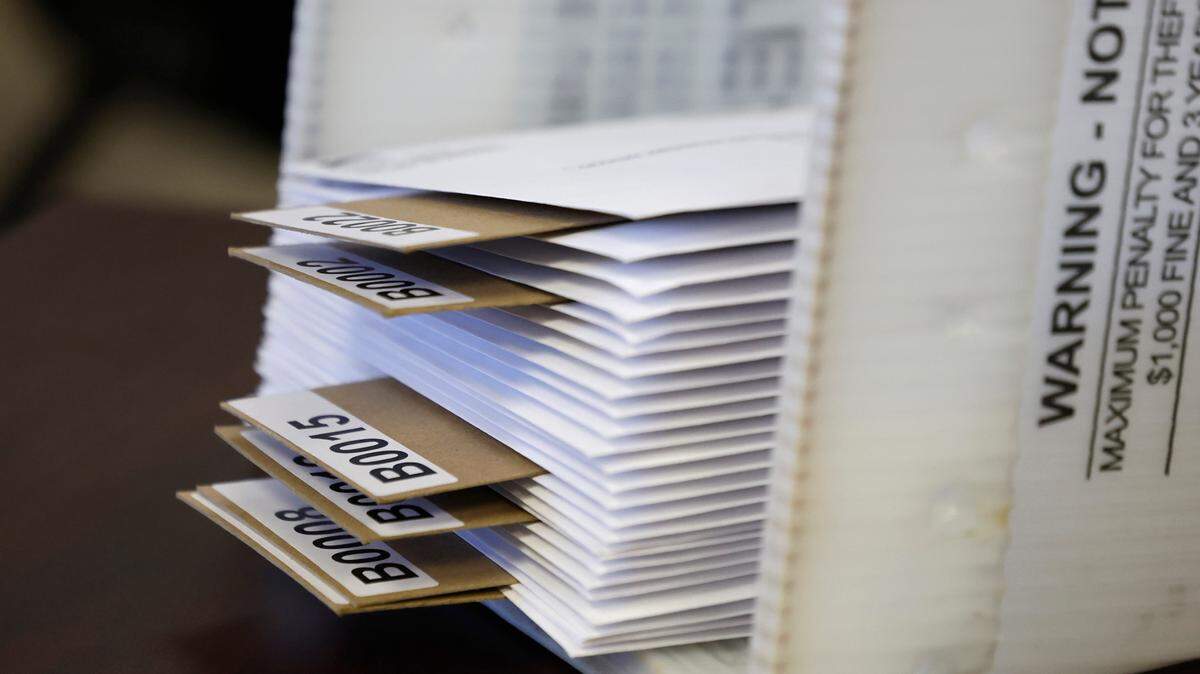
With less than three weeks before the Nov. 5 general election, South Carolina election officials defended their efforts to keep non-citizens from voting.
Despite social media claims by state and national lawmakers that non-citizens are voting, the state’s top election official said Thursday that there is little evidence to support those claims.
Former President Donald Trump and JD Vance, his running mate, have made numerous claims surrounding non-citizens voting, like the belief that Democrats are encouraging migrants to come to the United States so they can vote in elections and support their party.
In the last four years, six non-citizens were improperly registered in South Carolina that the elections office is aware of, Howard Knapp, executive director of the South Carolina Election Commission told his state board Thursday at its monthly meeting.
He said the office immediately removes people who become unqualified, which can mean anything from death to conviction.
Knapp said the six non-citizens were registered by “human error.”
“As you know, people can register to vote in various ways, but all six of these people registered to vote in person at their county office, at three different county offices, and those county offices found that they had done this improperly and reported it to us,” Knapp said. “We immediately deactivated those voters and reported those voters to the appropriate authorities.”
Knapp and his team answered questions from the election commissioners and its chairman Dennis Shedd, a former U.S. Court of Appeals judge. Shedd asked Knapp questions ranging from non-citizens voting to how the election night process works
Before an election the focus is on the equipment and the workers, Knapp said.
To ensure only qualified citizens are voting, Knapp said the agency relies on data from federal agencies and state agencies to keep its voter list as accurate as it can possibly be.
It gets data from multiple organizations, including the Electronic Registration Information Center, federal courts, state courts, the South Carolina Department of Health and Environmental Control and public health, to input into their system to match the data. If a name comes back as a match, the voter is deactivated.
If someone has moved out of state, died, been convicted or is prohibited from voting for any other reasons under federal and state law, they are deactivated.
Knapp estimated at least 2.8 million people will vote in the South Carolina in Nov. 5 election, even though about 3.4 million are registered.
Shedd asked Knapp to guess how many of the 2.8 million would be not qualified voters, based on his experience as executive director.
Knapp said his best guess would be less than 50.
“I don’t anticipate it even being close, I’m comfortable saying less than 50,” Knapp said.
“There will be a few people, statistically,” Knapp said regarding unqualified voters. “One to five people will vote by absentee but will die before election day, which happens every general election. That is how election offices are accused of dead people voting, and the only time South Carolina has ever seen that.”
Some elections are decided by one vote, Knapp acknowledged, like town councils. But statewide and presidential elections are not.
Knapp emphasized that the office does everything in its power to keep unqualified voters from casting a ballot. But many things are out of their control.
The federal government has sole jurisdiction over immigration, he said, meaning no agency in South Carolina has any control over information about people who cross the borders.
Knapp said the Election Commission sent a voter list to the U.S. Department of Homeland Security to help identify people who are non-citizens or don’t know if they’re citizens.
Homeland Security responded a few weeks after the 30-day deadline South Carolina election officials asked for, saying it wasn’t an appropriate use of its systems.
Knapp sent this response to S.C. Attorney General Alan Wilson, which sparked Wilson and 16 other attorney generals to send a letter to the head of the Homeland Security, “urging him to protect the upcoming elections by verifying the immigration status of any registered voter upon request.”
The process that the South Carolina election commission currently uses is the ‘Save Program,’ which requires the office to enter data on individuals one by one to confirm or deny their immigration status.