
Inside the FBI operation center designed to keep South Carolina’s elections safe
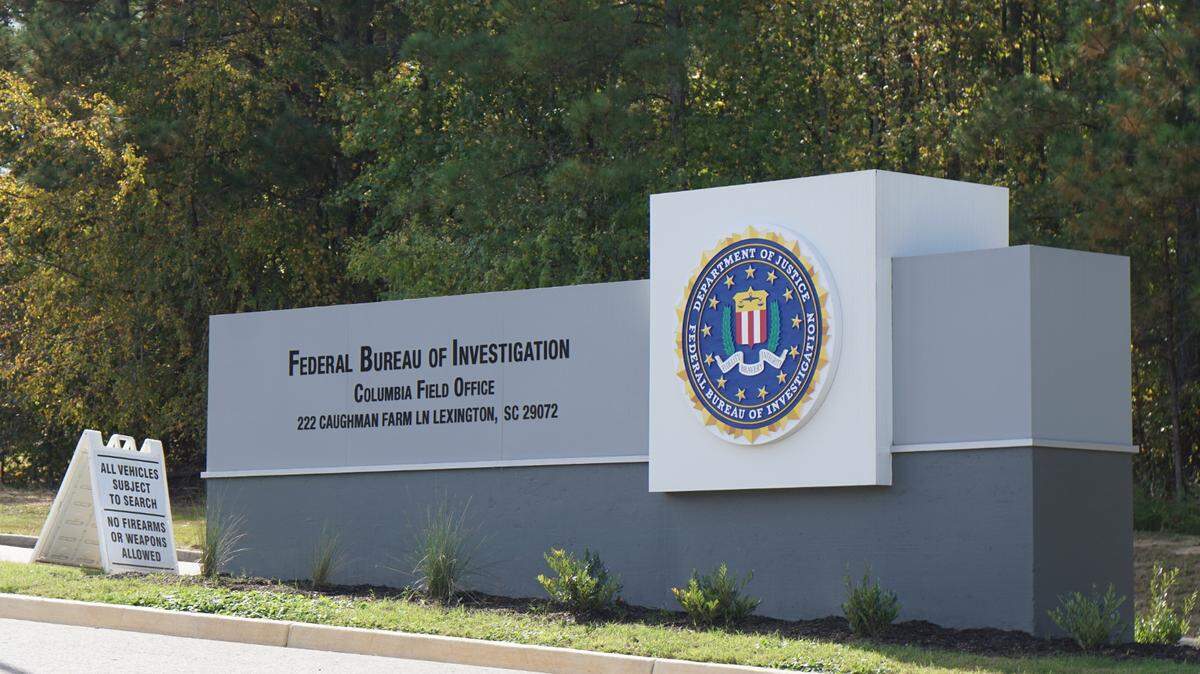
In a nondescript conference room on the ground floor of the FBI’s Columbia field office in Lexington, South Carolina, sits a vital outpost in the national effort to protect elections.
In this gray-carpeted room, CNN and Fox News play on large monitors. Clusters of agents, analysts and supervisors are seated in front of computers marked with brightly colored signs designating their roles from “intake” to “intelligence.”
A digital clock board keeps time in all of the country’s time zones. A screen at the front of the room tracks election related incidents. On Monday morning, amid chatter and quiet intensity, the spreadsheet is empty.
This is the the South Carolina FBI’s command post for an election threats task force, part of a nationwide effort to prevent federal election crimes.
The command post is located inside the FBI’s South Carolina field office, a gun-metal gray complex that resembles a cross between a bunker and an office park. It is one node of a nationwide network of election crime command posts based in each of the FBI’s field offices and feeding information to the FBI’s headquarters in Washington, D.C.
“The FBI has been preparing for this day for well over a year,” South Carolina Special Agent in Charge Steve Jensen told a gathering of the media who were given a rare look into the FBI’s operations Monday.
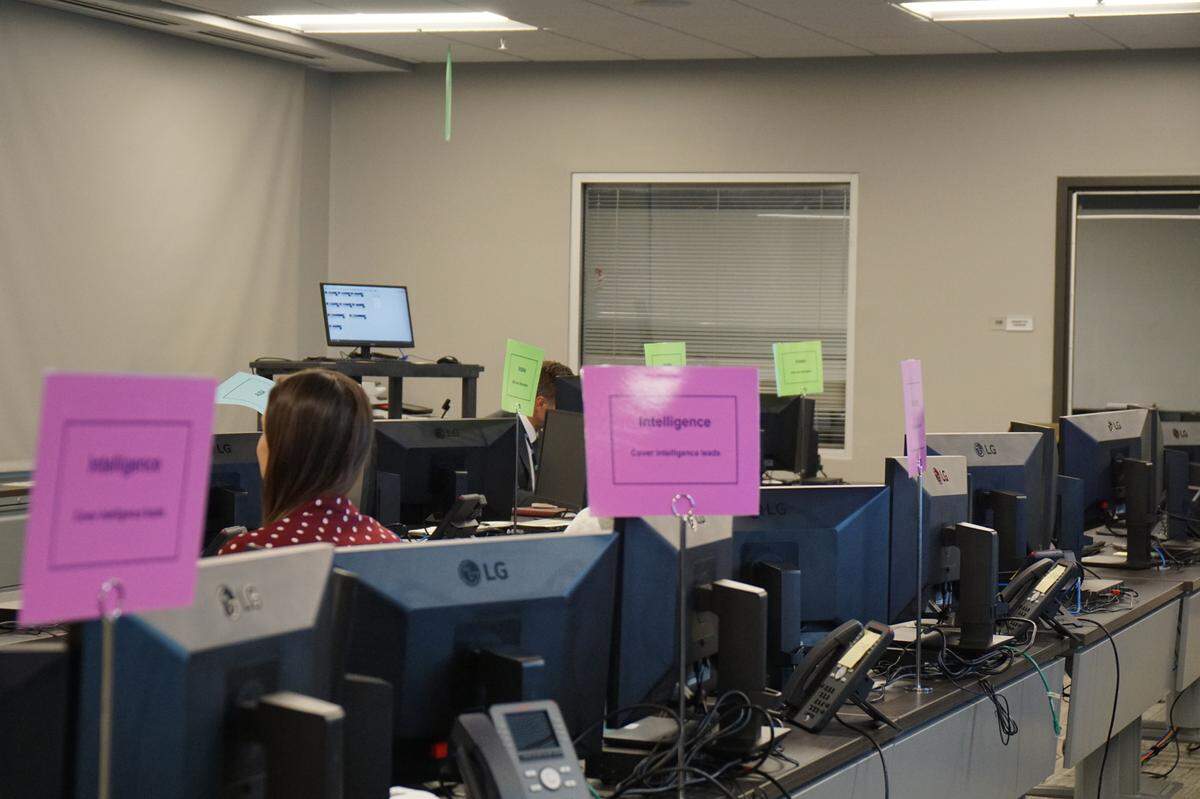
The command posts will operate around the clock during the election, Jensen said, with the agency’s main focus on gathering intelligence about incidents and disseminating information and analysis to law enforcement partners. The command post will also feed information to the agency’s central command post in Washington.
While individual states are primarily responsible for making sure elections are free and fair, the FBI does investigate civil rights violations and campaign finance offenses as well as voter and ballot fraud.
These include threatening violence against election officials or staff, intimidating or bribing voters, buying and selling votes, impersonating voters, altering vote tallies, stuffing ballot boxes, and marking ballots for voters against their wishes or without their input, according to the U.S. Attorney’s Office for South Carolina.
Federal law also contains protections against interference or intimidation intended top event people from voting for the candidate of their choice, or from voting altogether.
In a presidential election year, the FBI has broad jurisdiction to investigate alleged wrongdoing. The agency has jurisdiction when there is an allegation of false voter registration or if a violation of federal campaign laws is alleged.
“If you see something, say something,” Jensen said, echoing the post-9/11 encouragement to report suspicious activity. “If you call an authority, it will make its way to us.”
Adair Ford Boroughs, the U.S. Attorney for South Carolina, announced that her office has also appointed Assistant U.S. Attorney John Potterfield to act as the district election officer for South Carolina, where he will oversee the district’s handling of election day complaints of voting rights concerns.
When asked about whether the FBI was monitoring any extremist groups, Jensen stated that the FBI does not designate groups as such and similarly does not investigate “First Amendment protected activity.”
But any incidents involving “force or violence” from people who interfere with elections would be pursued as individual crimes.
Jensen also declined to provide any details about whether South Carolina’s FBI field office would continue arresting individuals involved in the Jan. 6, 2021, riots at the U.S. Capitol. So far 29 people have been arrested on charges they participated in the violence that day, which followed a rally held by then-President Trump in front of the White House. Trumped urged supporters to protest the 2020 election, which he has claimed without evidence was stolen from him.
The investigation continues through the FBI’s office in Washington DC, Jensen said, adding “the determination to charge lies solely with the US Attorney’s Office.”
Trump has said he would “absolutely” pardon individuals involved in the Jan. 6 riot.
How to report election crimes
If you think that an election crime has occurred, can contact the FBI by phone at 803-551-4200 or 1-800-CALL-FBI (1-800-225-5324). Tips can also be made online at https://tips.fbi.gov.
Potterfield, the assistant U.S. Attorney, can be reached by phone at 803-919-3092.
Complaints about possible violations of the federal voting rights laws can also be made directly to the Civil Rights Division of the Department of Justice online at https://civilrights.justice.gov/ or by phone at 800-253-3931.