Who might run for South Carolina governor and US senator in 2026? Here are names to watch
Now that the 2024 election is over, South Carolina’s next statewide election will take place in 2026 with all of the state’s constitutional officers on the ballot as well as a U.S. Senate seat.
The highest profile contest will probably be for governor as Gov. Henry McMaster can’t run for reelection because of term limits.
This will be the first time since 2010 South Carolina will have an open governor’s race. That year four Republicans appeared on the Republican primary ballot: U.S. Rep. Gresham Barrett, Lt. Gov. Andre Bauer, state Rep. Nikki Haley and McMaster, when he was the attorney general. State Sen. Larry Grooms also mounted a campaign but dropped out in January 2010 after not meeting fundraising goals.
Whoever gets in the race will have to be able to raise millions for a serious run at the office. In 2022, McMaster spent $5.2 million in his general election campaign and $2.3 million on the primary, according to state ethics commission reports.
Besides governor, the state’s constitutional officers will see a lot of change. The offices of treasurer, comptroller general and secretary of agriculture all are set to change in two years because the three incumbents have said they don’t plan to run in 2026.
For the 2026 U.S. Senate election, incumbent Lindsey Graham already had $13.7 million in the bank as of the end of September.
Final decisions on who runs for which office could hinge on who President-elect Donald Trump appoints to his administration. If an elected official from South Carolina joins the administration, it could lead to a domino effect in the Palmetto State on who runs for which office in the 2026 election.
So who are the potential candidates for a statewide run? Here’s an early list:
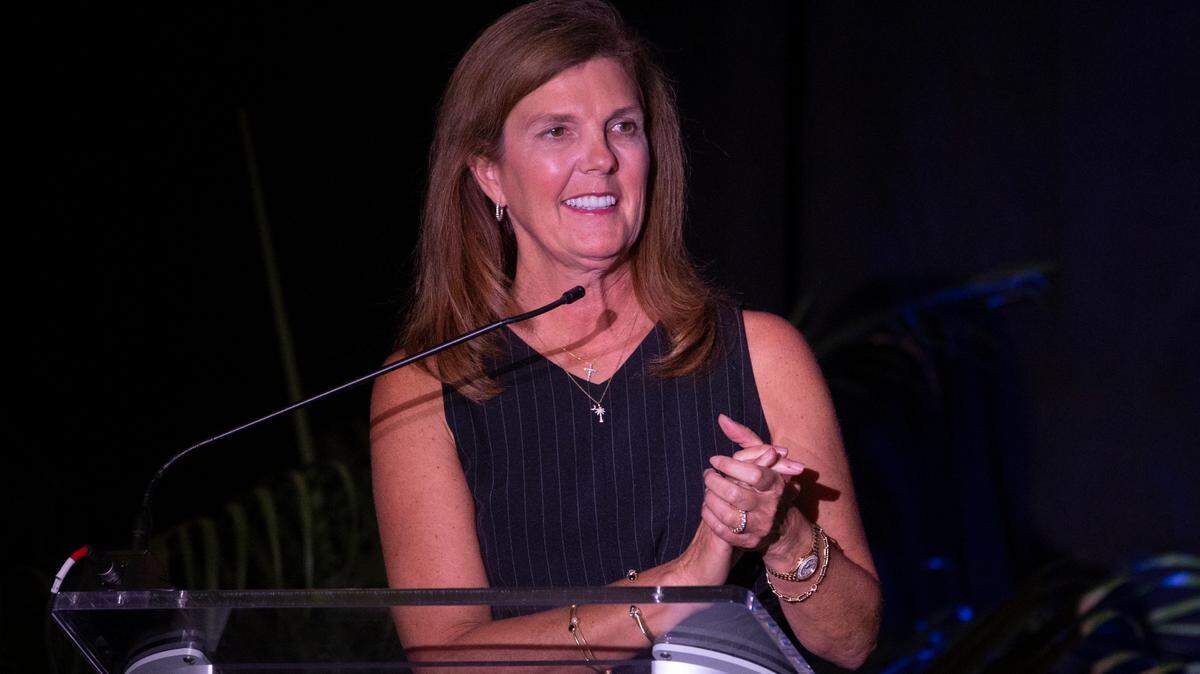
Lt. Gov. Pamela Evette
Pamela Evette was selected as McMaster’s running mate in the 2018 election and has served as his lieutenant governor. She is the first Republican woman to serve in the role.
Evette founded Quality Business Solutions Inc., a payroll, human resources, and benefits services firm headquartered in Travelers Rest. She served as president and CEO of the business. Her husband, David, serves as the company’s president.
Before becoming lieutenant governor, Evette served on South Carolina’s Small Business Regulatory Review Committee.
For much of Evette’s tenure, her role has been to help promote the governor’s agenda, at times speaking on the behalf of the administration. When appearing with the governor in news conferences, Evette often is standing close to him, putting her in the camera shot.
She promoted statewide cleanup efforts and has raised awareness for floodwater prevention and the importance of protecting South Carolina’s natural resources, according to her biography page.
Running for governor is a next natural step for her political career.
When asked about her 2026 plans, Evette did not give a specific answer.
“Serving as South Carolina’s lieutenant governor alongside Gov. McMaster is an honor and a privilege,” Evette said in a statement.
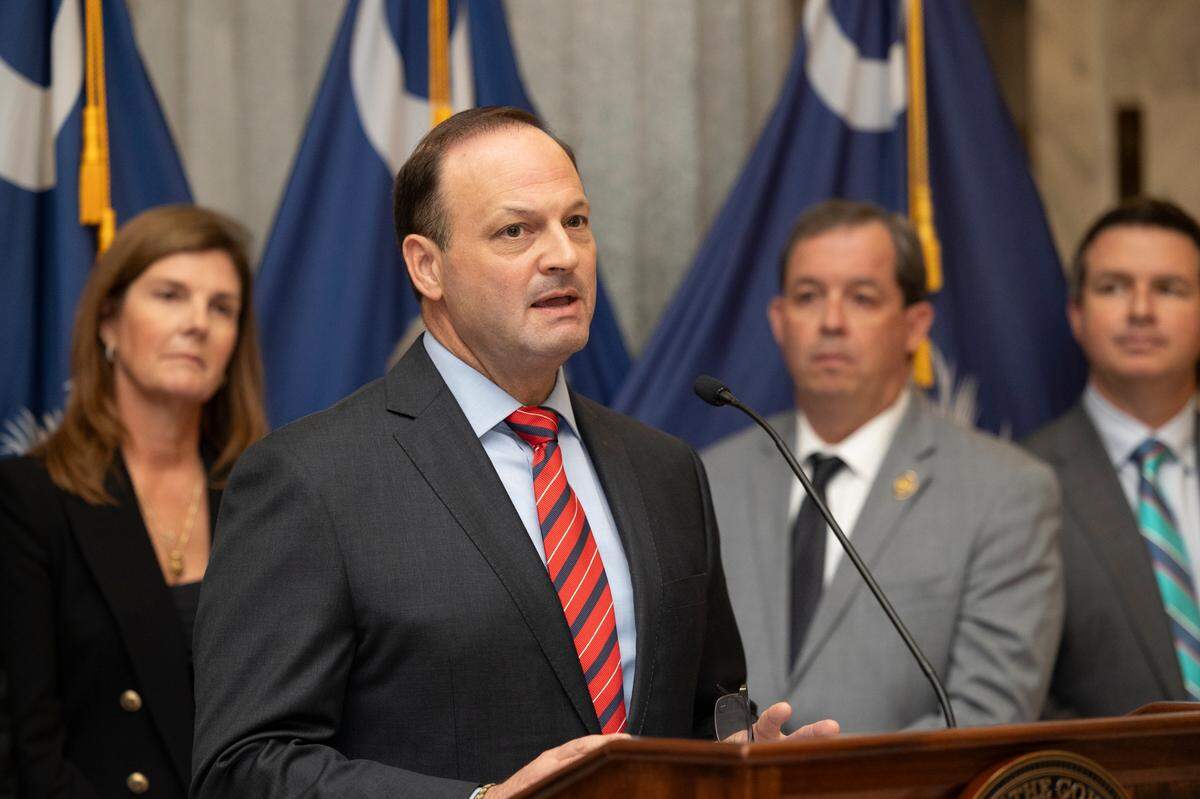
Attorney General Alan Wilson
Alan Wilson is in his fourth term as attorney general and has consistently challenged Biden administration policies and supported lawsuits against the Biden administration, such as the administration’s southern border policies and electric truck mandates. Wilson also has filed efforts to stop the Biden administration’s plan to forgive student loan debt.
The son of U.S. Rep. Joe Wilson, Alan Wilson also supported President-elect Donald Trump’s campaign in South Carolina ahead of the Feb. 24 GOP primary.
Alan Wilson’s office successfully prosecuted disgraced lawyer Alex Murdaugh on double-murder charges, and Wilson himself questioned one of the witnesses during the trial.
This year, Wilson was able to get nearly $1.6 million in annual money in the state budget to establish a team of lawyers in his office to help solicitors around the state deal with case backlogs. He also has worked to address human trafficking in South Carolina.
Wilson’s office declined to comment.
John Warren
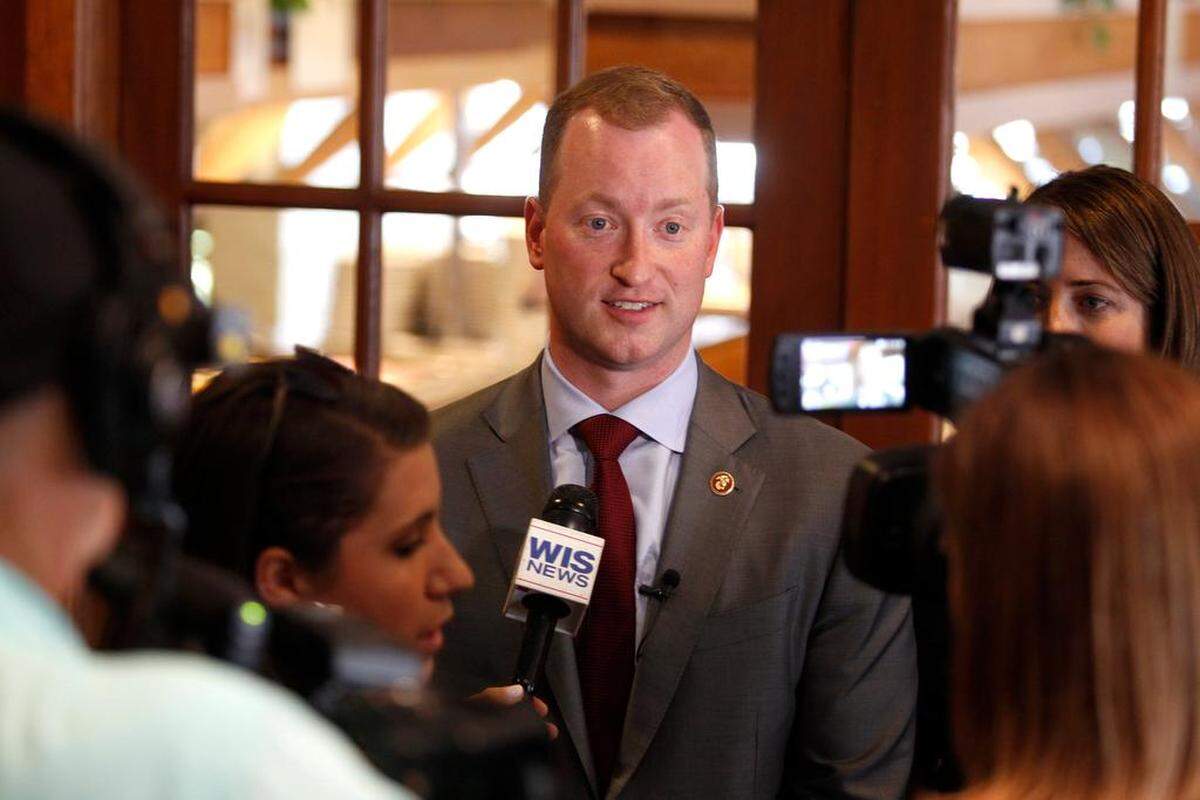
John Warren ran against McMaster in 2018 for the GOP nomination, but lost in a runoff by seven points.
The Upstate businessman, who runs a Bitcoin mining company, has sought to keep his name in the political conversation. He launched a PAC in 2020 called South Carolina’s Conservative Future, which endorsed conservative candidates around the state during the 2024 campaign.
Another statewide run might be in his future.
“Public service has been a lifelong passion for John from his service in the Marine Corps to creating jobs for South Carolinians in the private sector. He is actively and prayerfully considering how he can best serve our state and nation in the immediate future,” said Taylor Hall, a senior advisor to Warren.
Someone from the House Freedom Caucus?
Members of the general assembly may take a make a run for governor or one of the statewide elected offices. Now will the hardline conservative Freedom Caucus try to push a candidate in order to show their influence?
And who would make a run?
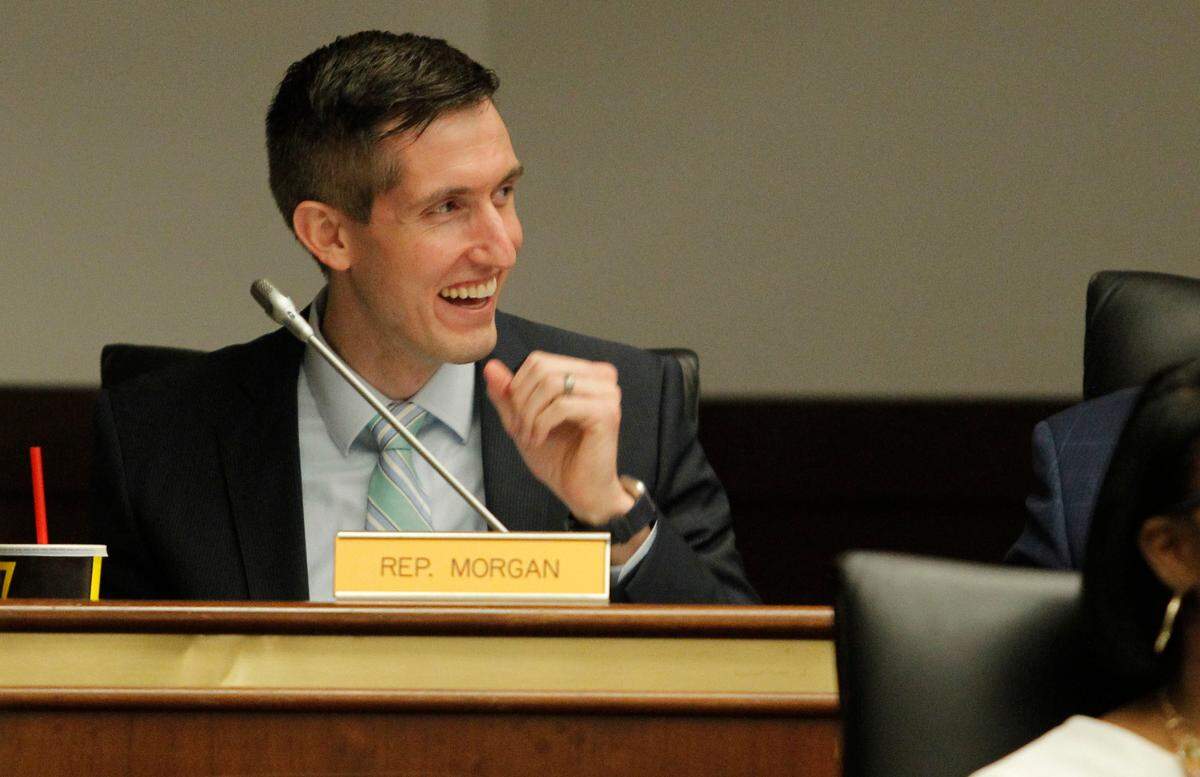
Former state Rep. Adam Morgan, of Greenville County, who chaired the Freedom Caucus, unsuccessfully challenged the U.S. Rep. William Timmons in the Upstate 4th Congressional District in June’s primary. Morgan chose to run for Congress instead of reelection to the State House.
Morgan only lost by 3 points. He comes from a heavily conservative area of the state that could be prove vital during a primary.
“I’m getting that question a lot right now,” Morgan said in a text message about whether he would run statewide. “There’s always a possibility. We have so much to fix both in our state and nation.”
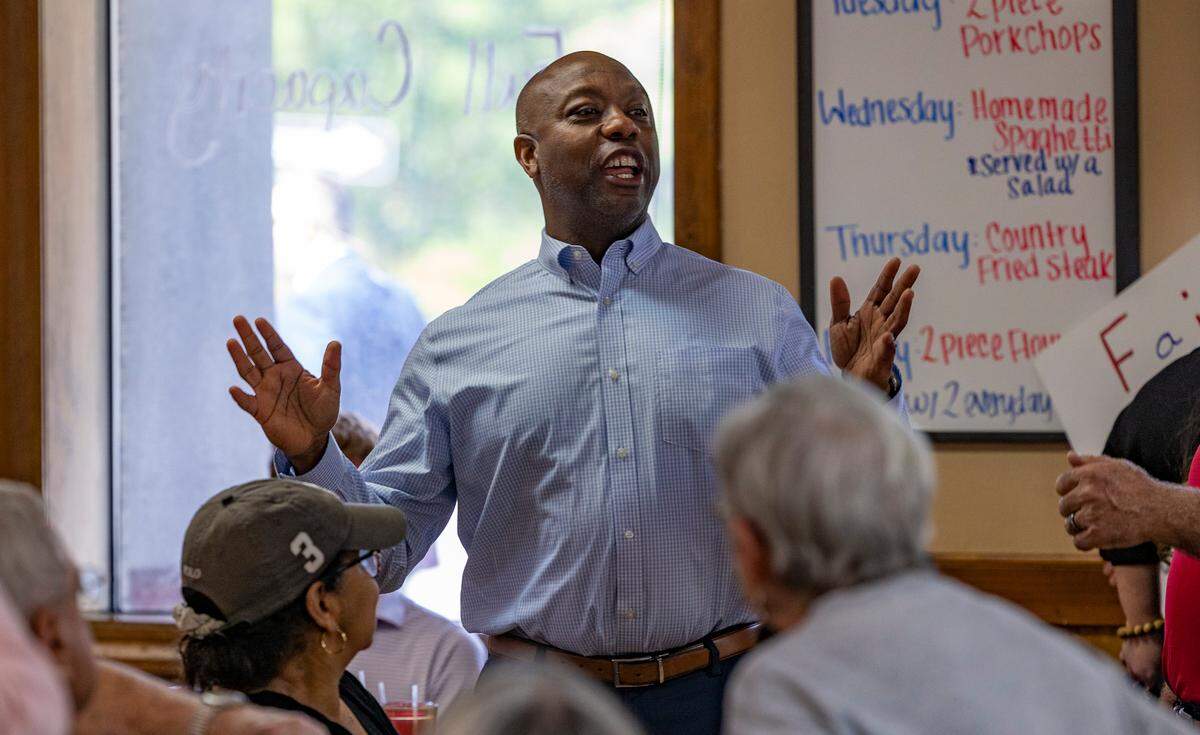
U.S. Sen. Tim Scott
Tim Scott has long been thought of as a potential candidate for the governor’s mansion, as he has said the 2022 election would be his last run for the U.S. Senate.
But his election this month as chairman of the National Republican Senatorial Committee makes a run for the governor’s mansion unlikely.
Being chairman of the senatorial committee requires national fundraising, candidate recruitment, directing how money gets spent to support Republican candidates, and most importantly traveling around the country to speak on behalf of candidates.
Scott also is in line to become the Senate Banking Committee chairman when Republicans take control of the U.S. Senate in January.
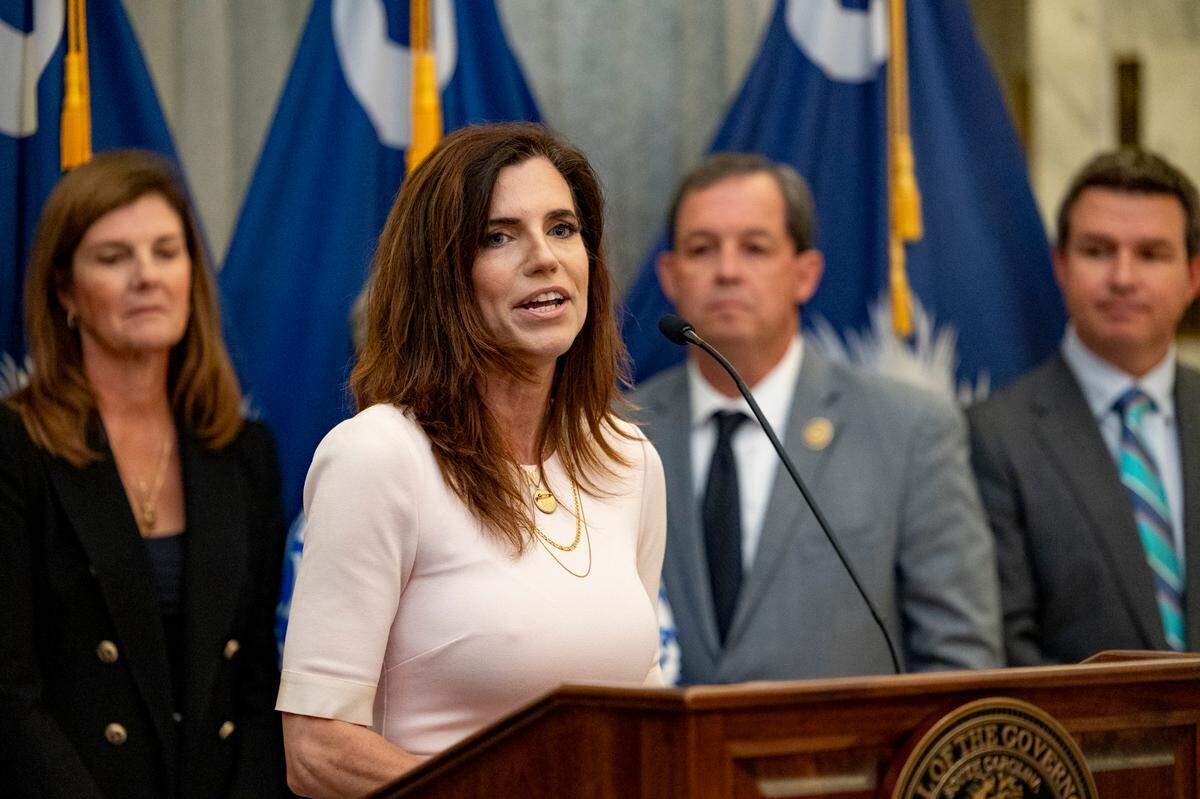
Congresswoman Nancy Mace
U.S. Rep. Nancy Mace won reelection this year over Democratic challenger Michael B. Moore in the Lowcountry district. She also easily fended off a primary challenge from Catherine Templeton in June.
Mace, a former state representative who was elected to Congress in 2020 after defeating then-U.S. Rep. Joe Cunningham, entered the final quarter of her congressional reelection campaign this year with nearly $624,000 in the bank and did not have to spend much to fend off Moore.
She also took on the Charleston County Sheriff’s Office over whether the sheriff’s office should be detaining undocumented immigrants. Mace, who is known for appearing on national television and increasing her name identification, even visited the Greenwood County Republican Party earlier this week. Visiting other part of the state outside of a home district is a sign of potential aspirations for higher office.
Mace previously ran for statewide office in 2014 when she challenged Graham for his U.S. Senate seat. She finished fifth in a primary with seven candidates.
Mace’s team declined to comment.
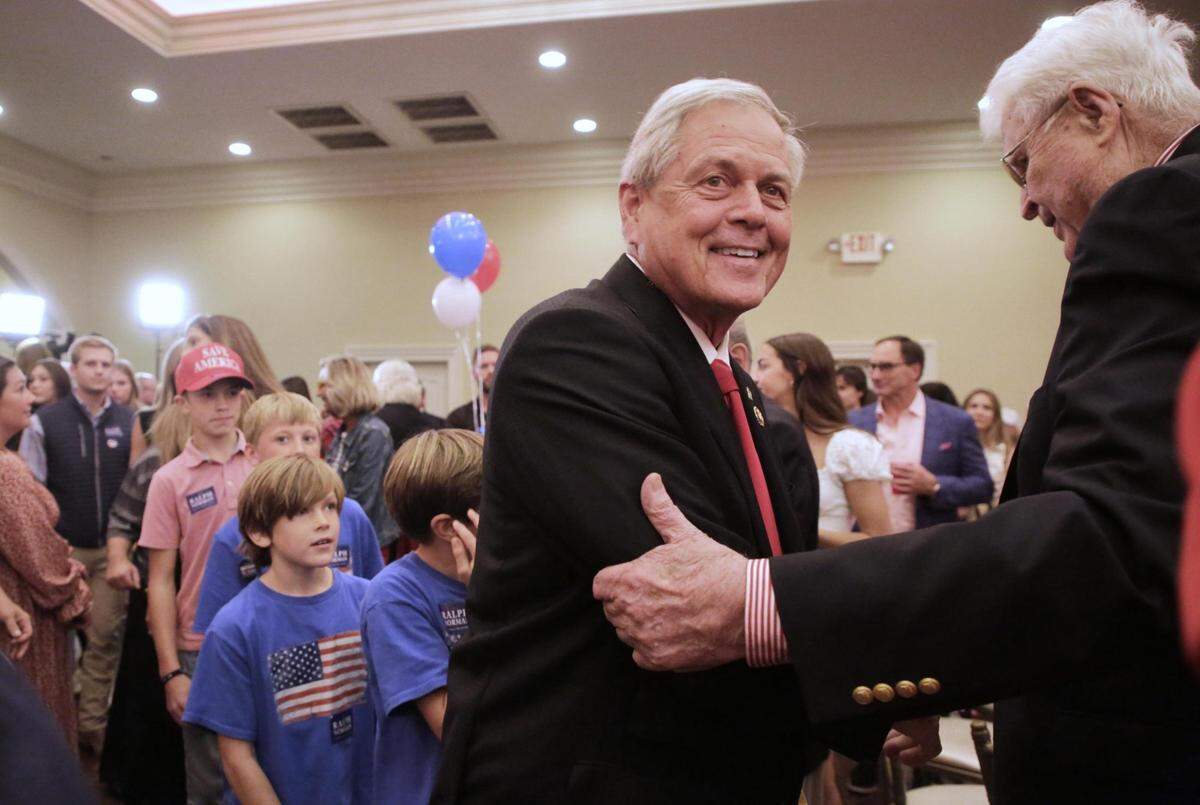
Congressman Ralph Norman
U.S. Rep. Ralph Norman of Rock Hill had been reportedly considering a run for the U.S. Senate to challenge U.S. Sen. Lindsey Graham during the Republican primary.
However, Norman, who won reelection Tuesday, has not made any decisions or hinted on what he might do next, said Austin Livingston, a spokesman for Norman’s office.
“Congressman Norman will do what he can, within reason, to support Trump’s agenda,” Livingston said.
State Sen. Josh Kimbrell
State Sen. Josh Kimbrell, who was just reelected to the upper chamber, said he would not deny he is thinking about a statewide run.
Kimbrell, a Spartanburg Republican, confirmed he’s made some preliminary steps to prepare for a possible statewide run, but won’t make any final decisions until session starts in January.
Kimbrell, who turns 40 next month, was first elected to the state Senate in 2020 and backed Florida Gov. Ron DeSantis in the lead up to the GOP presidential primary.
“I don’t run unless there’s a plausible way to win,” Kimbrell said.
State Sen. Sean Bennett
State Sen. Sean Bennett, R-Dorchester, serves as Ethics Committee chairman. He also serves on the budget writing Senate Finance committee where he oversees education spending. He is regarded as a proponent of tax reform.
“I’ve had a fair amount of people and organizations reach out to me about that and indicate they would like to see that happen,” Bennett said of a run for governor.
Bennett was unopposed in his reelection run this year and has yet to decide if he’ll jump into a 2026 race.
“I’m not ready to say I’m a candidate for anything,” Bennett said.
The Democratic side
Finding Democratic candidates for statewide offices is a tough task in a state that has not elected a Democrat to statewide office since 2006.
And the state has become even more conservative. McMaster in 2022 and President-elect Donald Trump in 2024 won the state 58% to 40% over their Democratic opponents.
Republicans controlling the White House and both chambers in Congress could energize Democratic voters in the 2026 election and at least narrow the statewide margin.
Still, finding Democratic candidates for governor and U.S. senator may require looking outside the box, one operative said.
“Democrats should look far and wide,” said Lachlan McIntosh, a Democratic political operative.
State Rep. Jermaine Johnson
State Rep. Jermaine Johnson, D-Richland, earlier this year held a statewide community engagement tour with “community check-ins.”
The charismatic College of Charleston graduate, who defeated 22-year incumbent Jimmy Bales in the 2020 primaries, visited Richland, Lexington, Sumter, Chester, Florence, Orangeburg, Kershaw, Aiken, Spartanburg, Newberry, Jasper, Charleston, Colleton, Clarendon, Dorchester, Greenville, Hampton, Marlboro, McCormick and York counties.
Anytime a lawmaker promotes visits around the state, it raises eyebrows that he’s trying to raise his name identification.
Johnson said he is thinking about a statewide run, but has yet to commit. But a decision could come as soon as January.
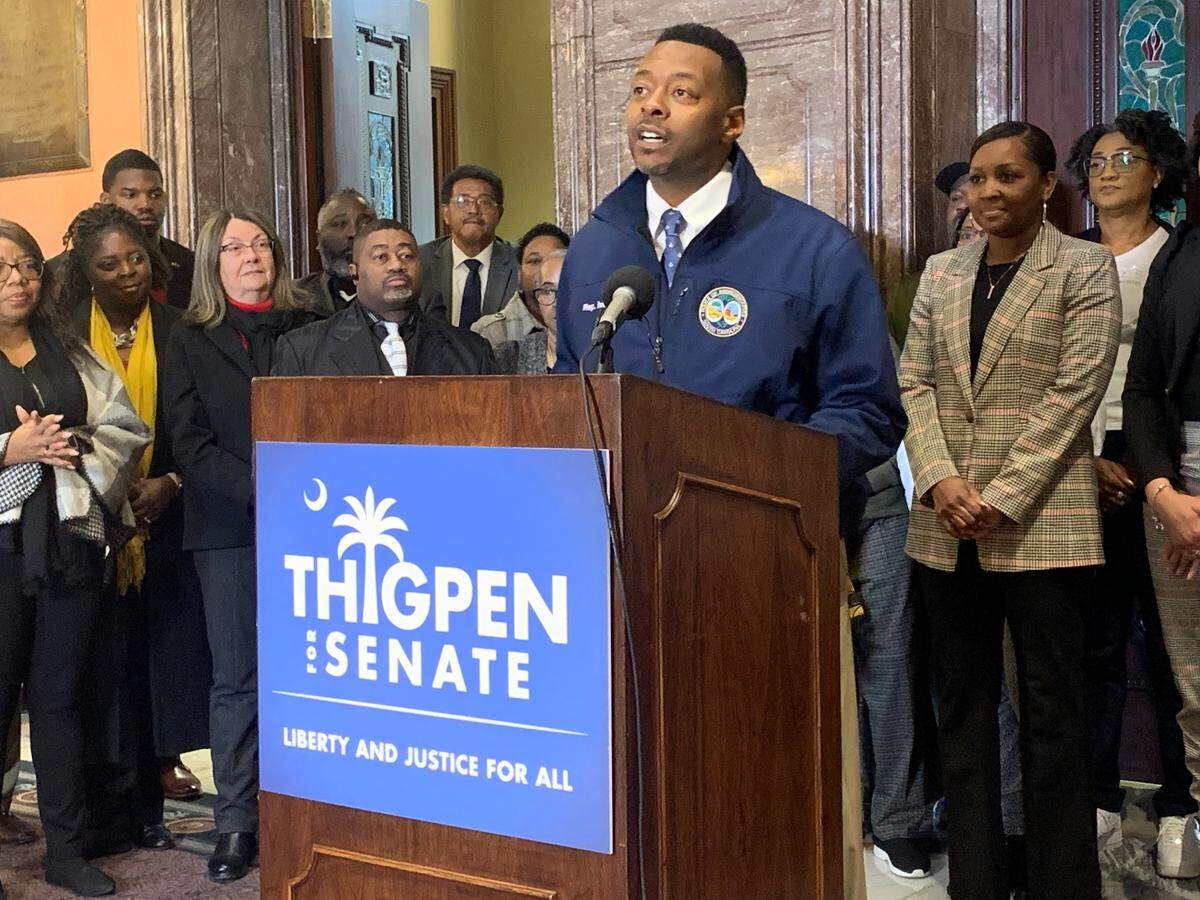
Ivory Thigpen
Former Richland County state Rep. Ivory Thigpen, D-Richland, is out of the State House after losing his bid to succeed former state Sen. Mia McLeod to Overture Walker.
Thigpen, a pastor, said some people have mentioned it to him he should consider a run statewide.
He said any decision is still a long while away and added he hasn’t given a statewide run great consideration, but is open to the possibility.
“I’ve always taken the position of service above self,” Thigpen said in an interview. “I would consider it and be prayerful about it.”
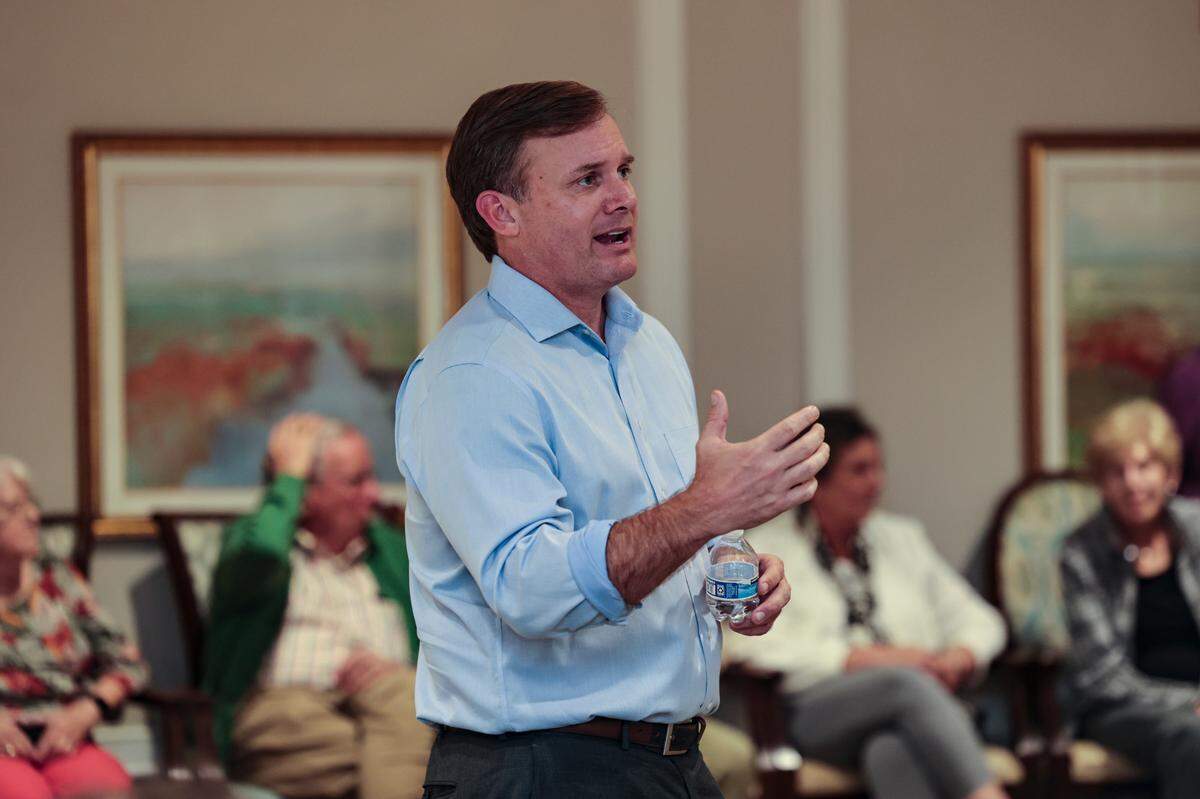
State Sen. Russell Ott
State Sen. Russell Ott, D-Calhoun, won a toss up seat in November’s election. The district was projected to be a 50% to 47% seat for a Democratic candidate by Dave Redistricting Analysis. Ott won by more than 9 percentage points.
In his state Senate campaign materials, he touted his crossover appeal, which included supporting Second Amendment gun rights, advocating for public education and supporting businesses, among other stances.
“We decided early on that we wanted to try something new, that we didn’t want to play this extreme partisanship game, where we had to make people not like each other,” Ott said on election night. “We wanted to bring people together. That is what I am most proud about during this process, is that we show people, we show future candidates, we show candidates that are elected tonight, that there is a better way.”
But on election night, Ott said he wasn’t considering a statewide run.
“I don’t think you should expect anything other than (me) trying to be the best senator that I can be right now,” Ott said.
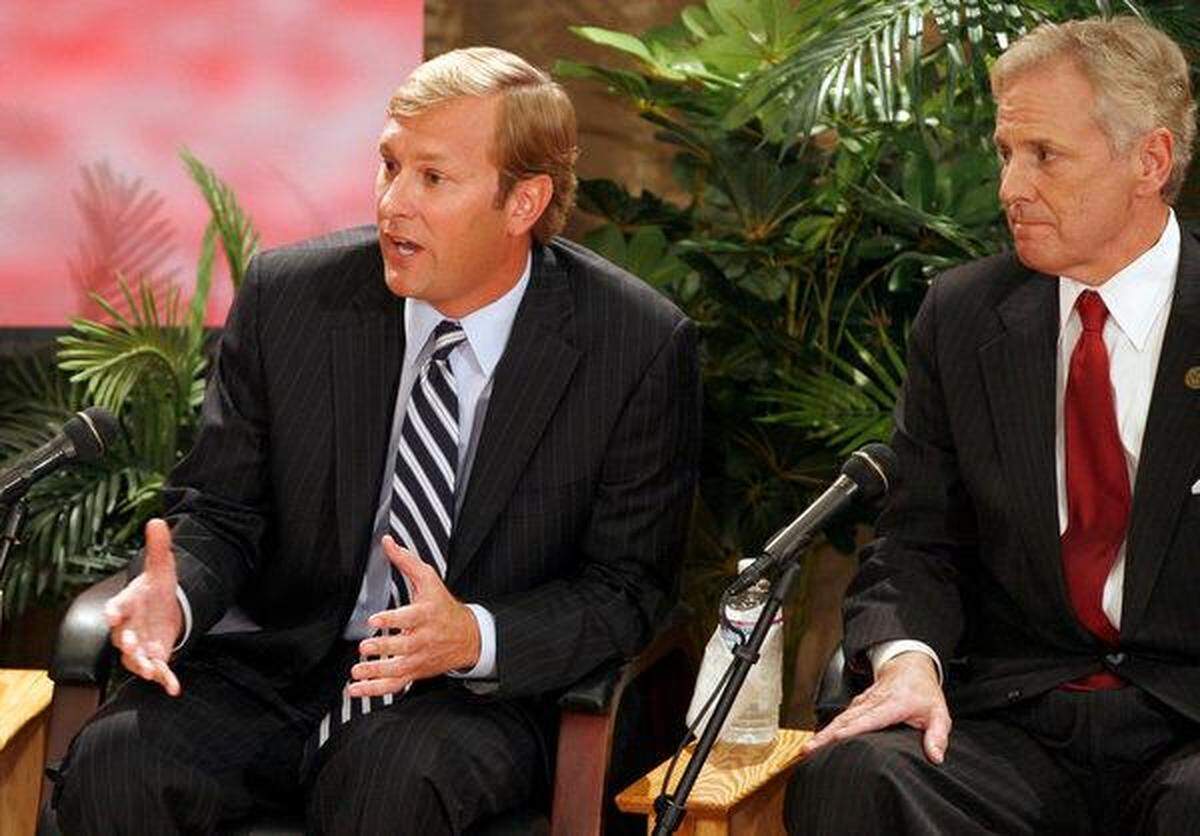
Mullins McLeod
Mullins McLeod, a Charleston trial lawyer, ran for governor in 2010 but dropped out before the Democratic primary.
He served two terms as the chairman of the Charleston County Democratic Party, and he could partially self-fund a race, an operative said.
“If the cost of bacon doesn’t come down, I guess I’ll have to,” McLeod said in a brief phone call with The State.
This story was originally published November 14, 2024 at 5:30 AM.