SC State House seating involves strategy. How do reps and senators pick seats each term?
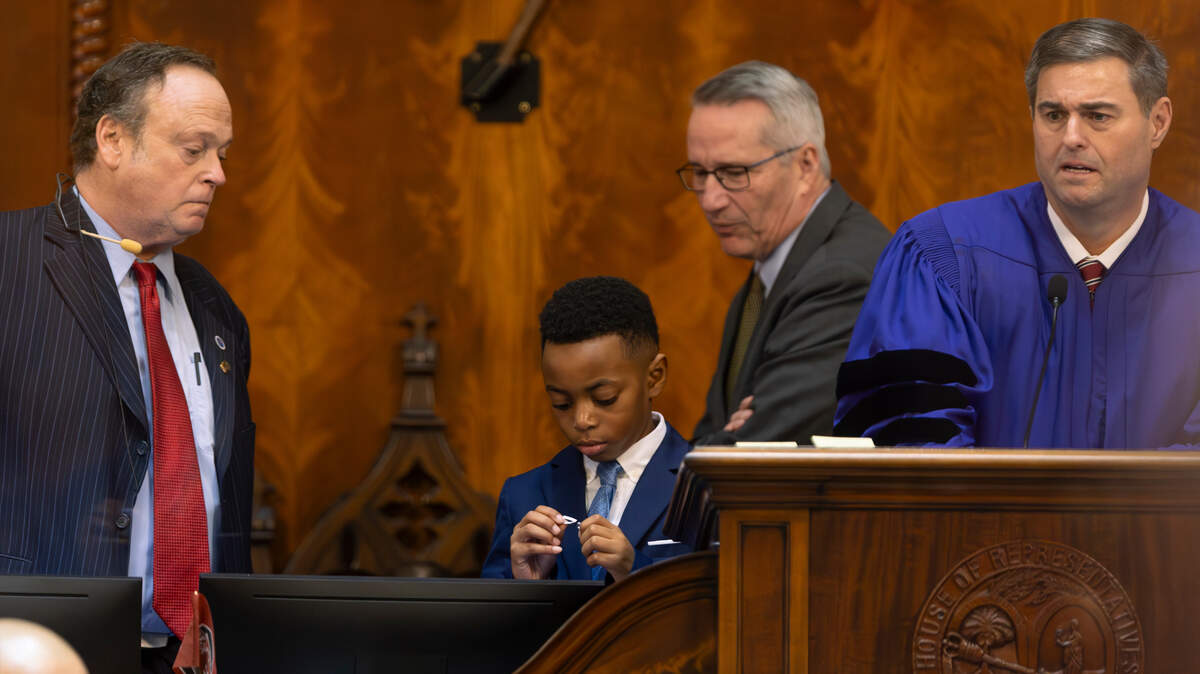
Ten-year-old Kaleb Carter, the son a House staffer, might have had the most influential role Dec. 3 in the South Carolina House of Representatives.
Kaleb got to pick the names of counties out of a basket as House lawmakers chose where they would sit for the next two years in the chamber. Picked earlier, you can have your seat location preference and sit next to lawmakers from your delegation if you want, or friends you’ve made within the chamber.
Picked later, your county delegation may be split up or you may not get the location you hoped for.
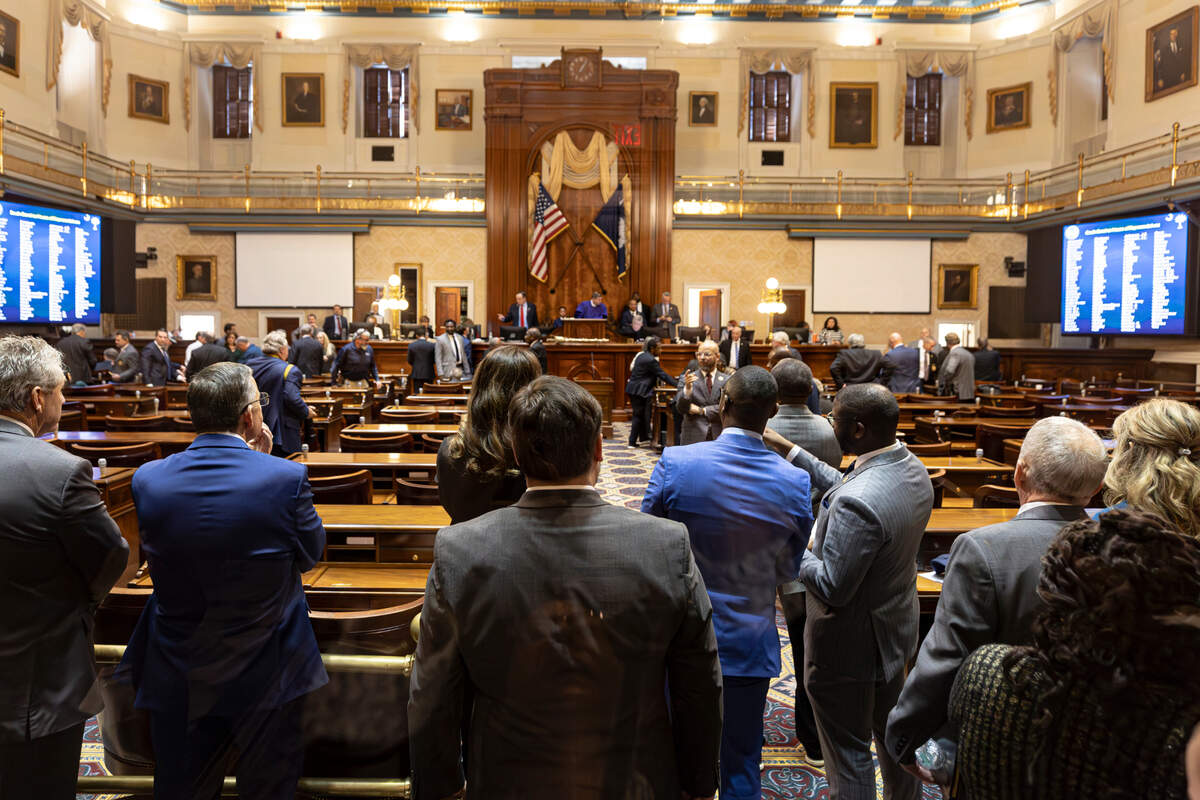
For those watching the state Legislature and wondering where to look for their lawmakers, don’t assume Democrats are on the left and Republicans are on the right, like in Congress.
Instead members are mixed up in the House chamber, as members pick seats when their counties are called during a biennial reorganization session. On the Senate side, the order of selection mostly follows seniority in the upper chamber.
Every two years in the House, and every four years in the Senate, after lawmakers are sworn in, they have to figure out where they will sit. It’s like picking your assigned seat for class on the first day of school.
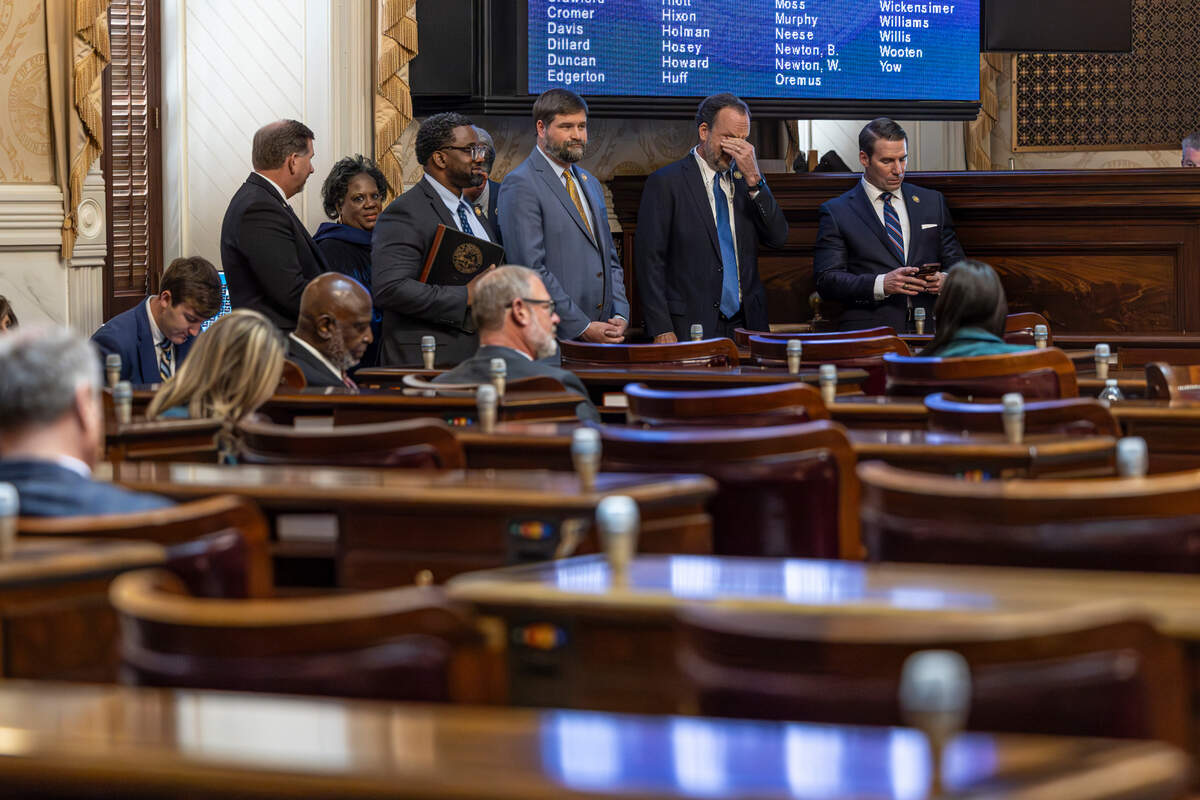
Waiting for a county to be called
During the House biennial reorganization, county names are picked out of a basket. When a county name is called, members who live in that county then get to pick where they’ll sit.
Some lawmakers go in with some strategy. Each has their own preference, and veteran lawmakers will tend to gravitate to the left side of the room and to the back. This gets them closest to an exit, a restroom and the legislative law library, which is nicknamed the cookie room.
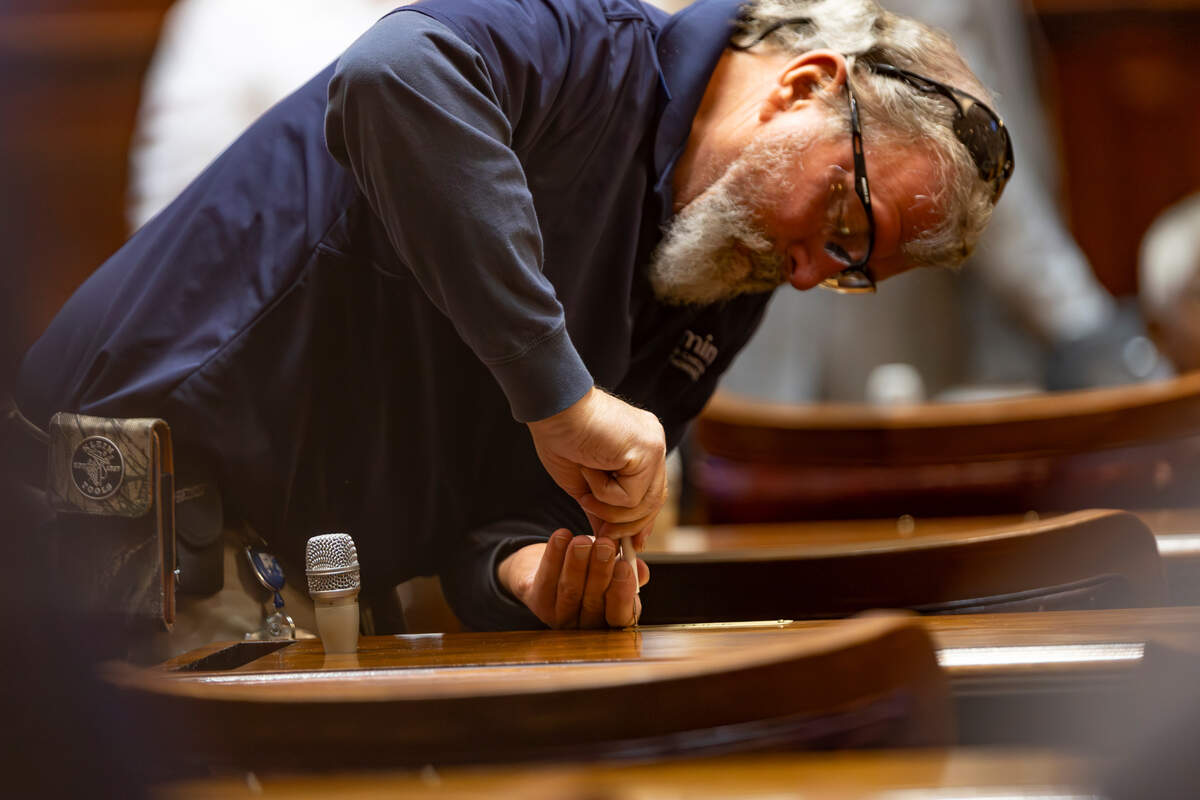
As members pick their seats, they yell out to the speaker their seat number. Staffers from the Department of Administration and House security screw in name plates onto the desks. Members are repeatedly told to stay in the seat they’ve chosen until the process is completed.
Lexington County was one of the last counties called, and while they waited, state Reps. Micah Caskey and Chris Wooten pointed to seats on the right-hand side of the room. They ended up on the right hand side.
On Dec. 3, the left side of the room seemed to fill up quicker than the right.
Members who serve as committee chairs are also asked to try to pick seats on the outer aisles or back of the room because it makes it easier for staff to have discussions with them without being in another member’s way.
“If you’ve got a bill going and you’re working on it, the staff can get to you a little easier than if you’re midway and they have to come through the aisles. It’s accessibility and just easier for them to sit on the side or pause on the side and not be disrupting the rest of the of the group,” said state Rep. Shannon Erickson, R-Beaufort.
County delegations don’t have to sit together, they just have to take their seats at the same time.
In the House chamber, when Beaufort County was called, Erickson reflexively shot her arms into the air in celebration.
“I’ve been on the last county, and that means that you’re completely fractured,” Erickson said. “If your delegation works well together, then having that close proximity is nice, because you can share information and discuss things as they’re happening.”
With the chamber not seated by parties it allows for lawmakers from opposite sides to get to know one another and be around others they may not naturally gravitate towards.
“I do think it helps, because it forces conversation in the dead time,” state Rep. Brandon Newton, R-Lancaster. “Because when we’re sitting there not doing anything, you’re talking about your family, sports and then legislation.”
State Reps. Justin Bamberg, D-Bamberg, and Neal Collins, R-Pickens, who were elected for their sixth terms in November, will sit together for a fifth term.
During their first term in the House, Bamberg and Collins met during their freshmen class orientation and became friends.
“Completely different parts of the state, completely different parties, different politics, and decided to give it a try,” Bamberg said.
In 2014, Bamberg County was picked early, and Bamberg is the only representative from that county. When Pickens was chosen, a county with three representatives, Collins could have sat with a member of the Greenville County delegation.
“I thought it’d be better to sit with a Black Dem from Bamberg than a white Republican from upstate South Carolina, and it was one of the best decisions that I made,” Collins said.
But if their home counties are picked far from each other, they have to hope another lawmaker doesn’t swoop in and take the seat.
Also, if a member represents multiple counties they could choose to be seated at the same time with another county, with hopes of being called earlier and trying to save a seat for another lawmaker.
They also have to follow a rule that no more than one person from a county delegation could be on the center aisle.
Before sitting on far left in the front row, Ways and Means Chairman Bruce Bannister previously liked to sit in the back on the far right, because it’s closest to a room where he can take a phone call.
“I get a lot of calls and have to do a lot of things, (it’s) multitasking,” the lawyer said.
State Rep. Leon Stavrinakis prefers to be to be further to the back and left for the “easy exit” and closer bathroom access.
The Charleston County delegation doesn’t necessarily sit together, even if they get picked early.
“I’m senior in the delegation, so I pick my desk first. Everybody else does what they want to do at that point,” Stavrinakis said. “People have different preferences.”
State Rep. Todd Rutherford, D-Richland, who serves a minority leader, tries to be in the center of the room.
“I believe that I have to be front and center to the speaker because of the maybe unintentional effort to ignore me when I stand up,” Rutherford said with a laugh. “And also I have to yell to make sure he can hear me so he doesn’t pretend to ignore me.”
Senate seating
In the Senate, where on Dec. 4 the members picked their desks they intend to occupy for four years, senators pick seats in an order based on leadership roles and seniority.
The first two rows on the right are reserved for Republicans. The first two rows on on the left are reserved for Democrats.
Senate Majority Leader Shane Massey, who had second pick because of his status as majority leader, prefers to sit in the back row.
“I like sitting in the back row because I like being able to see everything. It’s like being at a football game if you sit a little higher you see all the plays develop,” Massey said.
Going into the reorganization, Republicans had a plan of where everyone in their caucus would sit, presuming all the Democrats decided to sit on the left-hand side.
But state Sen. Margie Bright Matthews, D-Colleton, threw a wrench in that plan. Matthews, who was 21st to pick, opted to sit on the right-side of the room, traditionally reserved for Republicans.
Matthews initially picked seat 8, which was used by former state Sen. Katrina Shealy, but the seat was in the first two rows of of the right side. She ended moving to the third row of the right-hand side.
It was a move that ensured that a woman would be on each side of the room and puts her closer to the majority leader to get an idea what is being discussed.
GOP senators had to adjust, some moving over one seat from their planned location. At one point, GOP senators paused the process to huddle with chamber seating maps in order to adjust and plot their moves.
Going into the seating assignments, 11 Republicans were expected to sit on the left side with Democrats.
Those were expected to be mostly newer members because of the size of the incoming class.
Massey asked a few senators who had been in the chamber for at least one term to stay on the left side to help to be mentors and answer questions for freshmen, especially if he can’t walk over to the other side as action or decisions move quickly.
“I’m going to continue to do my best to get over there, but I think it’s also important to have some folks over there who can help with that communication tool,” Massey said.