SC spent $1.3B to entice Scout Motors. Will residents be able to buy the electric vehicles?
Inside of 701 Whaley near downtown Columbia on a cool November evening, Scout Motors CEO Scott Keogh is standing in front a crowd of state lawmakers, Gov. Henry McMaster and Richland County officials. The year prior, that group of people approved incentive packages to entice the auto manufacturer to Blythewood.
Flanking Keogh are two flat screen televisions he’s using to present the company’s construction progress and updates on the vehicles the company is designing. Behind Keogh are two vehicles underneath black sheets, which two employees remove to reveal the electric vehicles Scout will manufacture in South Carolina.
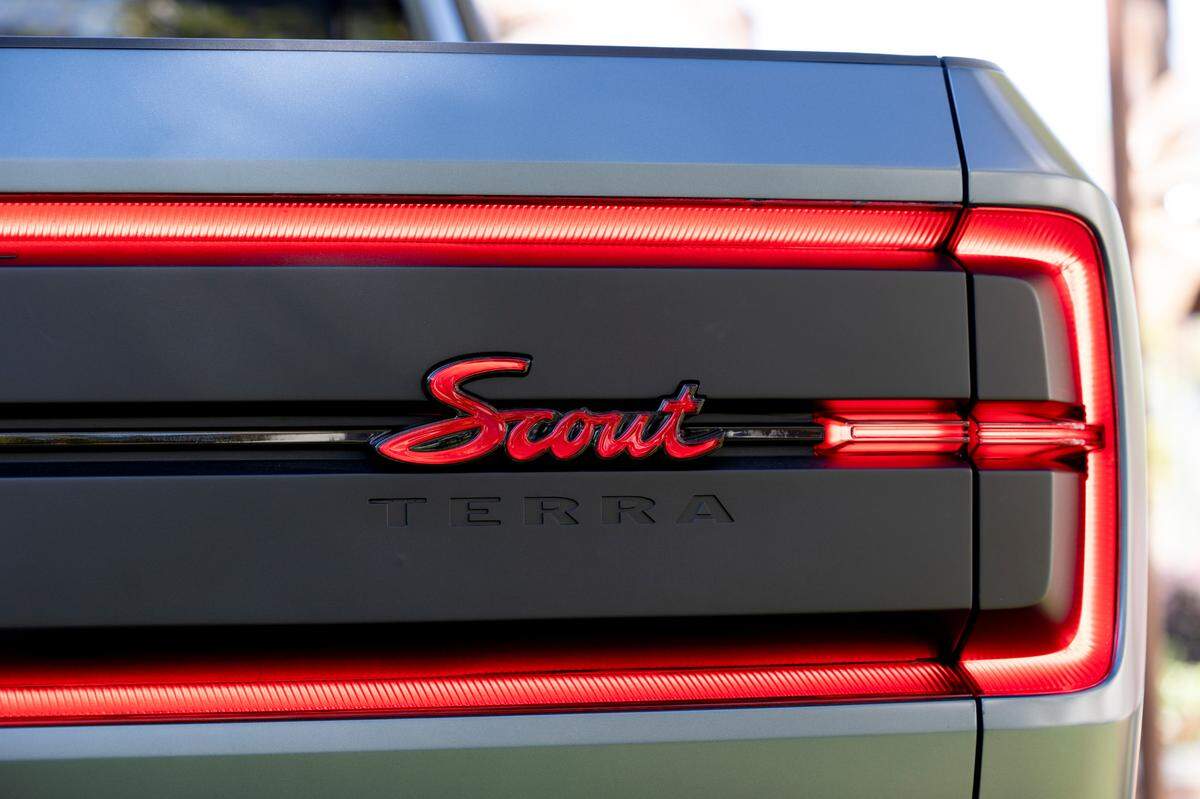
Lawmakers and state house staffers got to check out the Traveler and Terra on display. Many climbed into the driver seats to take a look at the interior of the cabins and even checked out the front trunks, called frunks, like they were in a car showroom.
It’s one thing to show off the vehicles to lawmakers and then to attendees at a University of South Carolina football game the next day. But will South Carolinians, who ponied up $1.3 billion in incentives to bring Scout’s $2 billion factory to the Palmetto State, be able to buy the vehicles at least within the state?
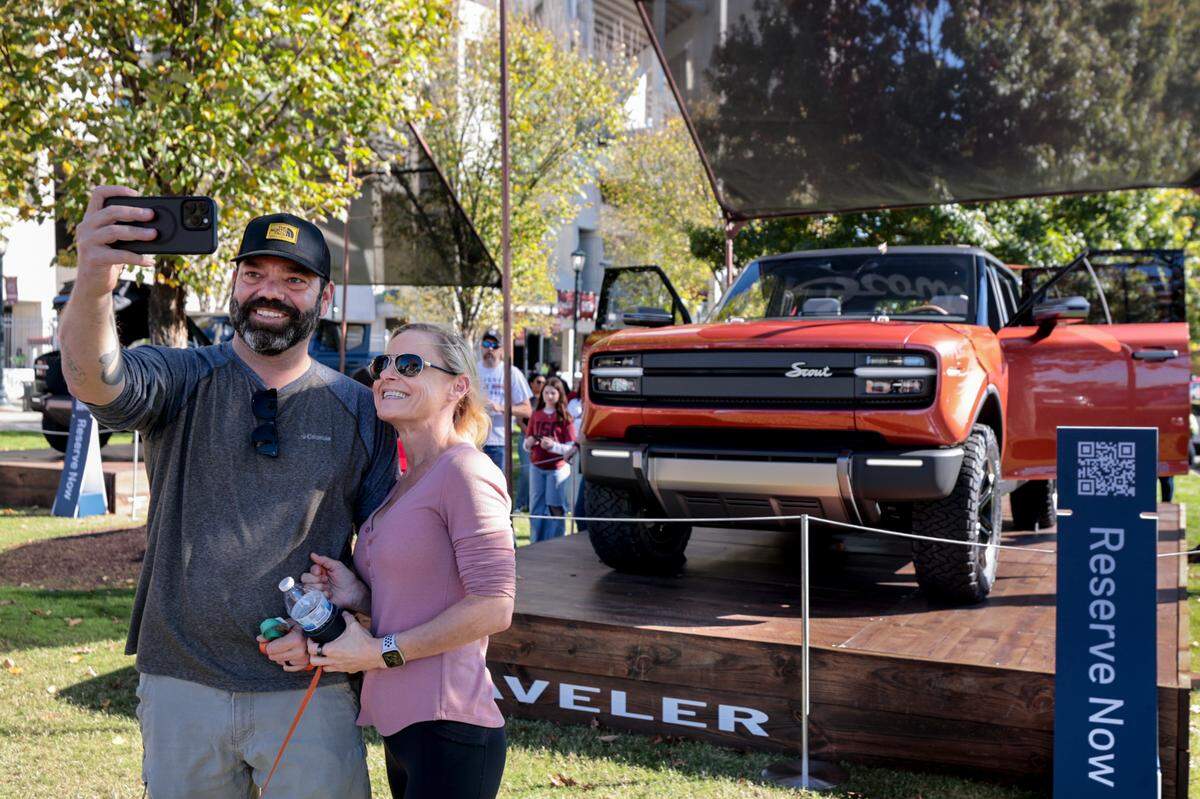
Scout Motors plans to use direct sales to sell its vehicles. But that’s not allowed in South Carolina. State law requires cars be sold through third-party dealerships, a requirement that could add $7,000 to $10,000 to the suggested retail price, Scout officials said.
To sell a new vehicle in South Carolina, the seller cannot be the automaker itself.
State Rep. Mark Smith, R-Berkeley, introduced a bill that would allow electric vehicle makers to sell directly to motorists in the state without having to go through a franchise dealership without changing how legacy automakers sell their vehicles.
The proposed legislation, called the South Carolina Consumer Freedom Act, has been sent to the House Labor, Commerce and Industry Committee for consideration.
The last time a lawmaker proposed allowing electric vehicle makers to directly sell to consumers was in 2019 when then state Sen. Sandy Senn, R-Charleston proposed the idea. Her legislation never moved out of committee.
Scout has no plans to allow franchise dealerships. Instead it plans to have direct sales through 100 locations planned in U.S. and Canada where people would purchase vehicles. Those locations would be owned by the company.
“All Scout sales will be run through Scout Motors, or maybe to put it more succinctly, Scout Motors will sell Scout vehicles through Scout Motors owned retail locations to Scout consumers,” said Cody Thacker, Scout’s vice president of growth. “There will be no double marginalization from any third party or any middle man at any any point in that chain.”
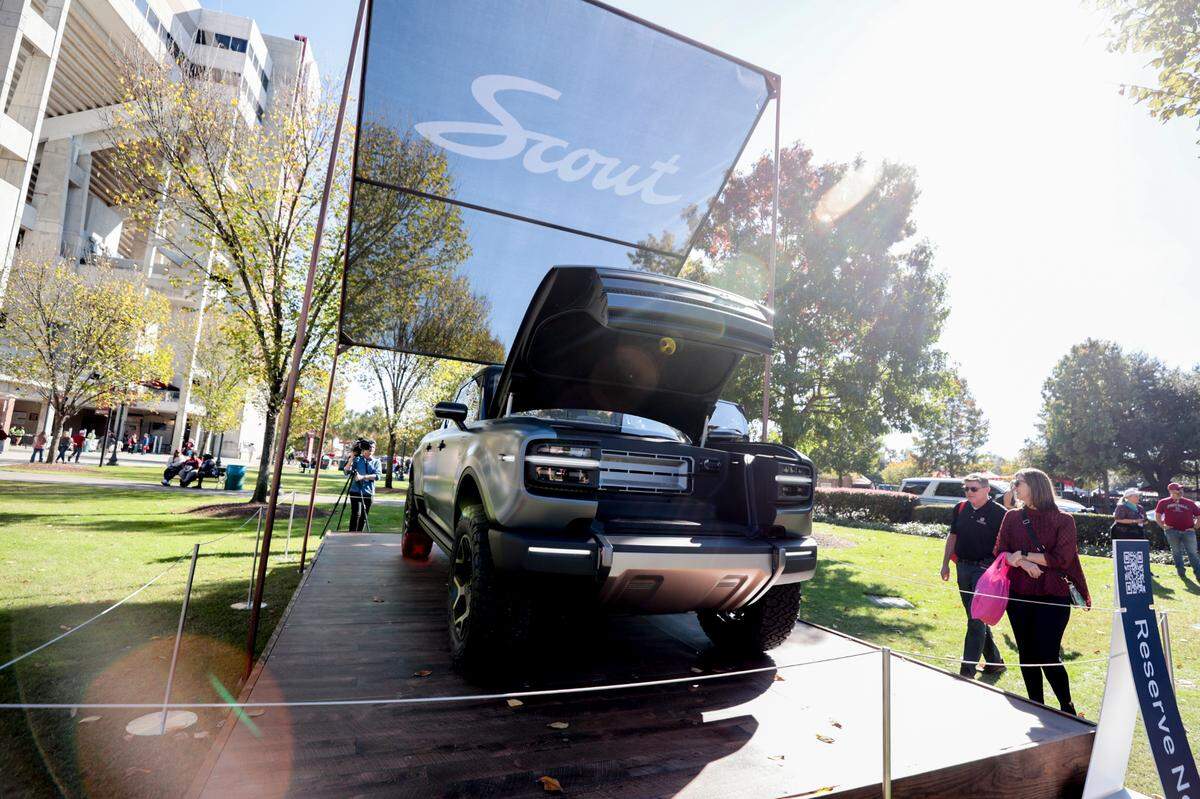
More than 20 states allow direct sales. The closest to South Carolina are Tennessee, Kentucky, Virginia and Florida. Other EV companies such as Tesla and Rivian use direct sales. The proposed legislation also is not limited to Scout Motors. It is open to any auto manufacturer who builds vehicles propelled partly or wholly by an electric motor and who does not currently have a franchise dealership in South Carolina.
Scout Motors said the bill would not change how legacy auto manufacturers use franchise dealerships.
The S.C. Automobile Dealers Association did not return phone calls seeking comment. Scout Motors leadership reached out to auto dealer lobby, but those meetings were not fruitful.
“The reply back that we got repeatedly was that the South Carolina dealer lobby was not interested in introducing car buying choice to South Carolina consumers,” Thacker said.
State Rep. Kambrell Garvin, D-Richland, who lives one-and-half miles from the Scout Motors site, is a supporter of allowing direct sales in South Carolina. He’s reserved a chance to buy a Scout once they start rolling off the assembly line 2027 and would much rather purchase the vehicle closer to home instead of going to another state.
“It doesn’t make sense for me to drive hundreds of miles up to Virginia to buy a vehicle that was shipped a mile and a half from my home to Virginia, and then have to ship it back down,” Garvin said. “All that’s doing is raising the cost on South Carolinians.”
State Rep. Craig Gagnon, R-Abbeville, is one of the co-sponsors on the bill, but said he has yet to make a decision on whether to support it.
“All the folks that have built brick and mortar dealerships around the state, they’ve invested their time, their money, their resources into building their businesses, and they don’t want that undermined. I get it,” Gagnon said.
When Scout was picking where it would build its factory, the company was not considering whether it would be allowed to sell vehicles directly in the state, Thacker said.
“The priority was find the location that has the best infrastructure, the best workforce, the most forward thinking state leadership, access to logistics and ports, has a progressive view on electrification and the evolution of the automotive industry, and those things are what landed us in South Carolina,” Thacker said.
But the company believes there’s support for changing the law to allow for direct sales.
A poll in July commissioned by Scout Motors of 500 voters found 83% of South Carolinians did not know about the law barring direct sales, and 73% of respondents supported changing the law.
Part of Scout’s plan is to include a 20,200-square-foot experience center at the Blythewood facility. People would to test drive vehicles and go on factory tours from the center to further make the Blythewood factory a tourist attraction. But for the $20 million to $25 million investment to work financially, Scout needs to be able to sell vehicles at the center as well.
Without the change to the law,“the hard working men and women who are making Scout vehicles in Blythewood would not be allowed to buy the products that they’re manufacturing,” Thacker said.
This story was originally published January 28, 2025 at 5:00 AM.