
Utility digging is causing SC towns headaches. Will lawmakers take action?
A bill meant to crack down on utility strikes that have disrupted neighborhoods across the state is waiting for action in the S.C. Senate, with just weeks left in this year’s session.
The bill tightening rules around digging in public right-of-ways, H.3571, passed the House of Representatives unanimously at the end of February, but has yet to come up for a hearing in the Senate Judiciary Committee.
“My optimism has gone away a little bit” that the bill could become law before the Legislature adjourns May 8, said Rep. Davey Hiott, R-Pickens, who introduced the bill in the House.
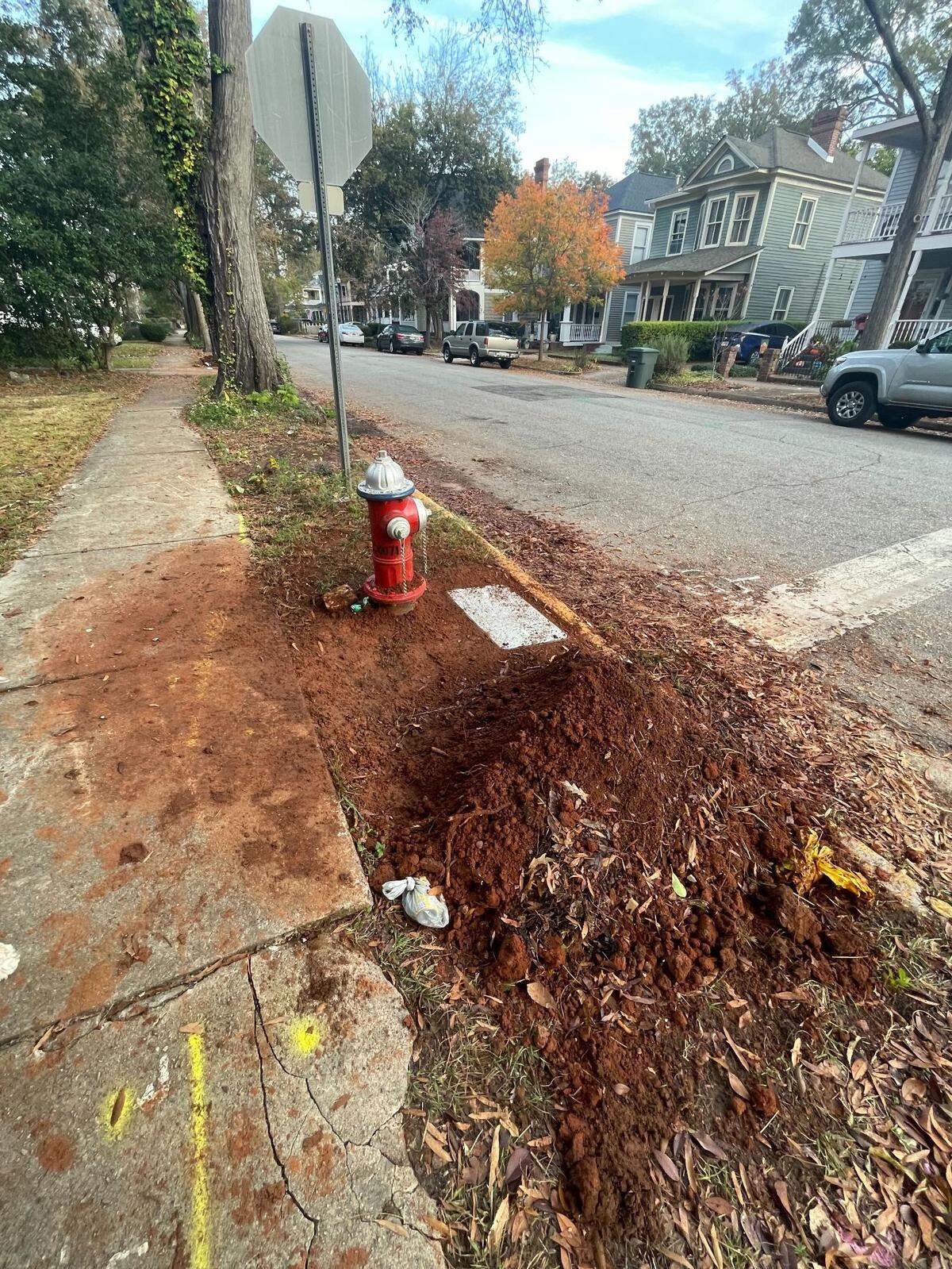
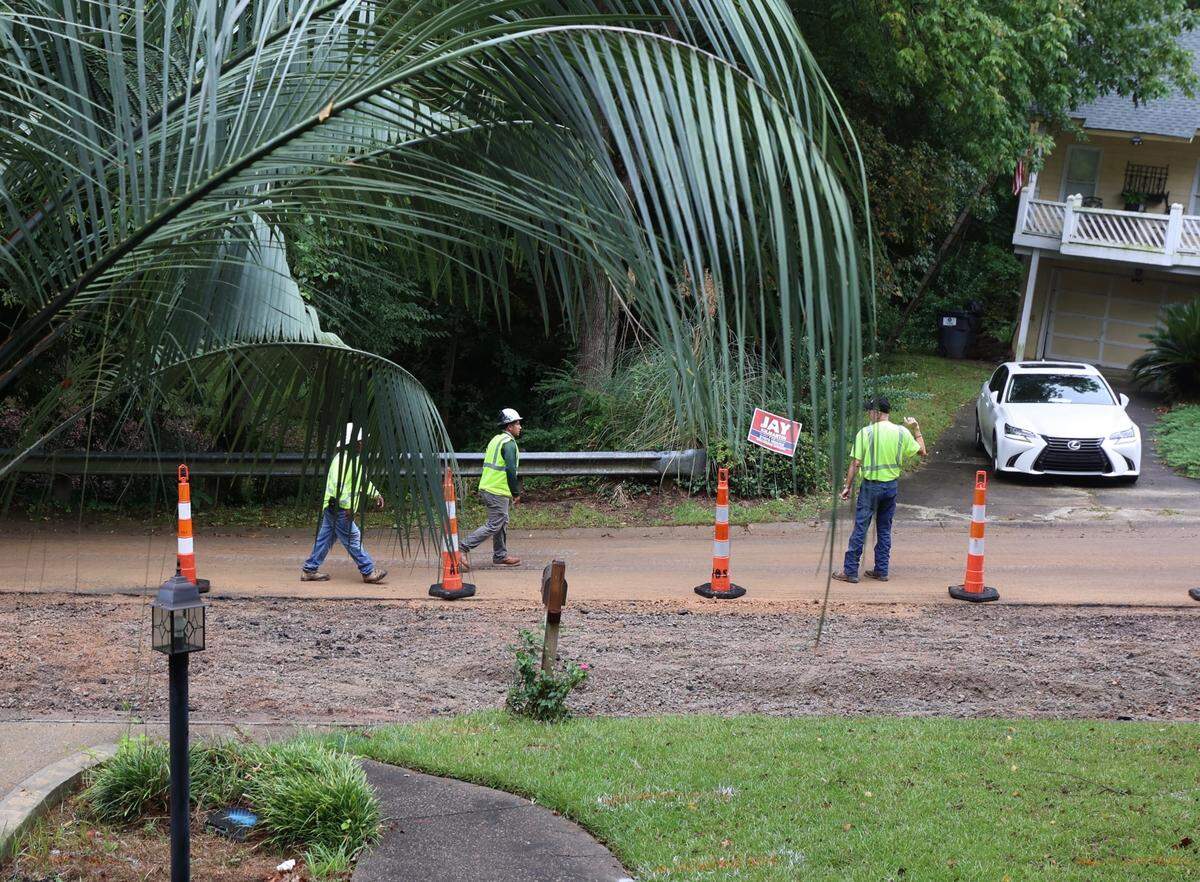
Disruptions to water and gas services caused by utility work have become common occurrences in recent years, primarily because of the rollout of new fiber optic internet cables in many communities. Local officials in Columbia and Lexington counties have issued stop-work orders to fiber optic work after crews had damaged property, broken utility lines and even caused first responders to close off neighborhoods where gas was leaking.
But local governments are limited in what they can do about such work because the law allows utility providers access to public right-of-ways.
”We have very limited tools to hold these companies accountable,” said Town Councilman Gavin Smith in Lexington, where so far this year the town has stopped two different fiber companies from working because of damage to local utilities. “This bill would be a great step in the right direction, in creating safe communities for citizens to live in.”
Hiott said he got the idea after his own local provider, Fort Hill Natural Gas Authority, brought their concerns to him about the effects utility strikes were having on their operations.
“They would hit a gas line or meter, and there was no way to get any compensation for that,” Hiott said of what newer utilities would do. “And then they would just cover it back up and leave, and you’d have a whole subdivision without gas.”
The Pickens lawmaker said the bill would increase penalties for anyone who digs up utility lines without first alerting SC 811, the service that alerts the state’s utilities about digging requests.
“What it all boils down to is, if you don’t call 811 and start digging, there’s a pretty hefty fine involved,” Hiott said.
The bill is the work of months of discussions between different utilities about the problems they see with the current system.
“We’ve talked to board members at SC 811 specifically about how the locate tickets work,” said Jay Nicholson, the CEO and general manager of Lexington County’s Joint Municipal Water and Sewer Commission.
Diggers make requests through 811 to have any existing utility lines located and marked within three days. But Nicholson said his utility gets overly broad requests — the entire length of a road, or a whole subdivision — that are difficult or unrealistic for them to meet.
“The large build projects have absolutely abused existing law, and it’s hard to keep up with them with our resources,” Nicholson said.
He hopes any legislation will require more specific requests from 811 users.
“We’re in favor of the proposed changes in the legislation that will strengthen fines and limit total linear footage requests,” Nicholson said. “We think what SC 811 has proposed and what we’ve asked for is reasonable, manageable, will reduce interruption of other services, and will make projects safer for workers and the community.”
But it’s not clear if the bill will make it through the Senate during the 2025 session. Committee chairman Sen. Luke Rankin, R-Horry, did not respond to a request for comment from The State before publication.
“There was a long Judiciary hearing yesterday, but that one didn’t come up,” Sen. Carlisle Kennedy, R-Lexington, said Wednesday. “We’ve got to try to get that one out, but if it doesn’t come out this year, it will come out next year.”
“We want to protect our towns and municipalities, and protect our citizens, so if there’s a problem the towns have we need to fix it,” Kennedy said. “I think the language in this bill will rectify the issues.”
This story was originally published April 17, 2025 at 5:00 AM.
.jpg)