Will a lawsuit come to stop the SC lawmaker pay increase? Here’s who might file

An increase for in-district expenses South Carolina lawmakers gave themselves could face a lawsuit from a face familiar to the General Assembly.
State Sen. Wes Climer, R-York, spoke out against the pay raise Wednesday and said he has been in discussions with former state Sen. Dick Harpootlian, a Richland Democrat, about filing a lawsuit against the state over the pay raise.
A provision included the budget sent to Gov. Henry McMaster for his consideration is an increase in the in-district compensation to $2,500 a month from $1,000 a month. It amounts to an $18,000 a year increase.
“We cannot possibly believe that this is the right way to do it,” Climer said. “Just put it in a proviso in the budget and have it take immediate effect. If there is to be a pay raise for legislators, the people, by way of elections, ought to decide who does and who does not get that raise.”
Climer voted against the budget Wednesday despite calling it on the Senate floor the most conservative budget he had seen since he’s been in office.
“This is a good budget that reflects our priorities as a legislature, and it reflects well on us as legislators working on behalf of our community,” Climer said. “But, there’s a very important but, it has a giant wart on it.”
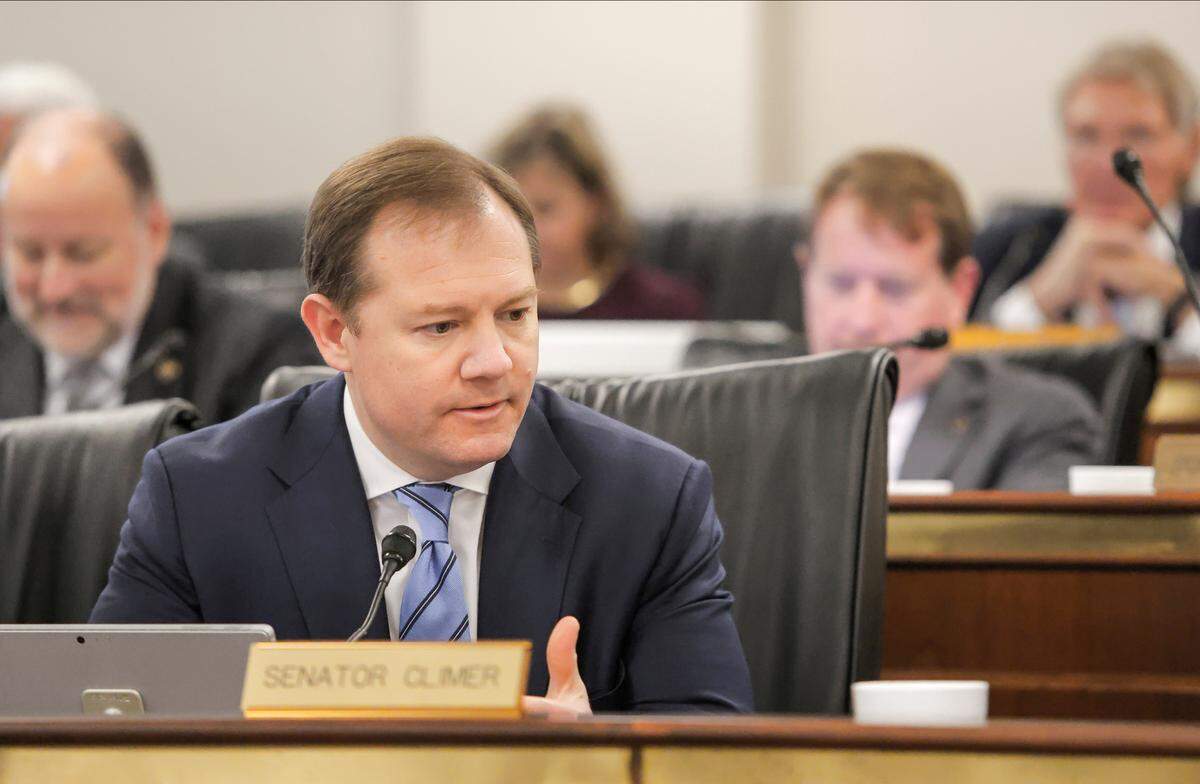
Climer and Harpootlian said they believe the raise is unconstitutional.
Harpootlian confirmed via text message he believes the provision is constitutionally problematic, but declined to discuss specifics.
“Not going to discuss the merits until it becomes necessary to file, i.e., if the governor signs the bill,” Harpootlian said in a text message.
Harpootlian is no stranger to filing lawsuits against the state. In 2019, he filed suit against the Department of Commerce over its refusal to disclose details of two economic development deals. The department later settled and agreed to be more transparent with its incentive agreements.
Columbia attorney John Crangle, who is a good government advocate, wrote a letter calling on McMaster to veto the increase.
“The raise money proposed is not limited to uses for actual district expenses related to holding legislative office such as office rent or telephone services,” Crangle wrote.
He also pointed to the per diem lawmakers receive for traveling to Columbia, the $10,400 in salary they receive and meals often provided to lawmakers.
McMaster has shown no indication he will veto the increase in the in-district compensation, but said it should have been done through formal legislation as opposed through a proviso.
“But my understanding is that is for district expenses, and there are a lot of them, and these district expenses that these men and women have in their home office are getting higher,” McMaster told reporters Wednesday. “The state’s getting bigger, there are more people and more phone calls coming in and others need to be attended to.”
The specter of a lawsuit didn’t deter either chamber from approving the budget Wednesday.
“The anticipation is that you will spend that on your constituents doing the job that they’ve elected you to do and going to the places that they’ve asked you to go,” House Ways and Means Chairman Bruce Bannister said. “It is not a pay raise, it is an expense reimbursement. If you don’t spend the money on your constituents, then that is on you.”
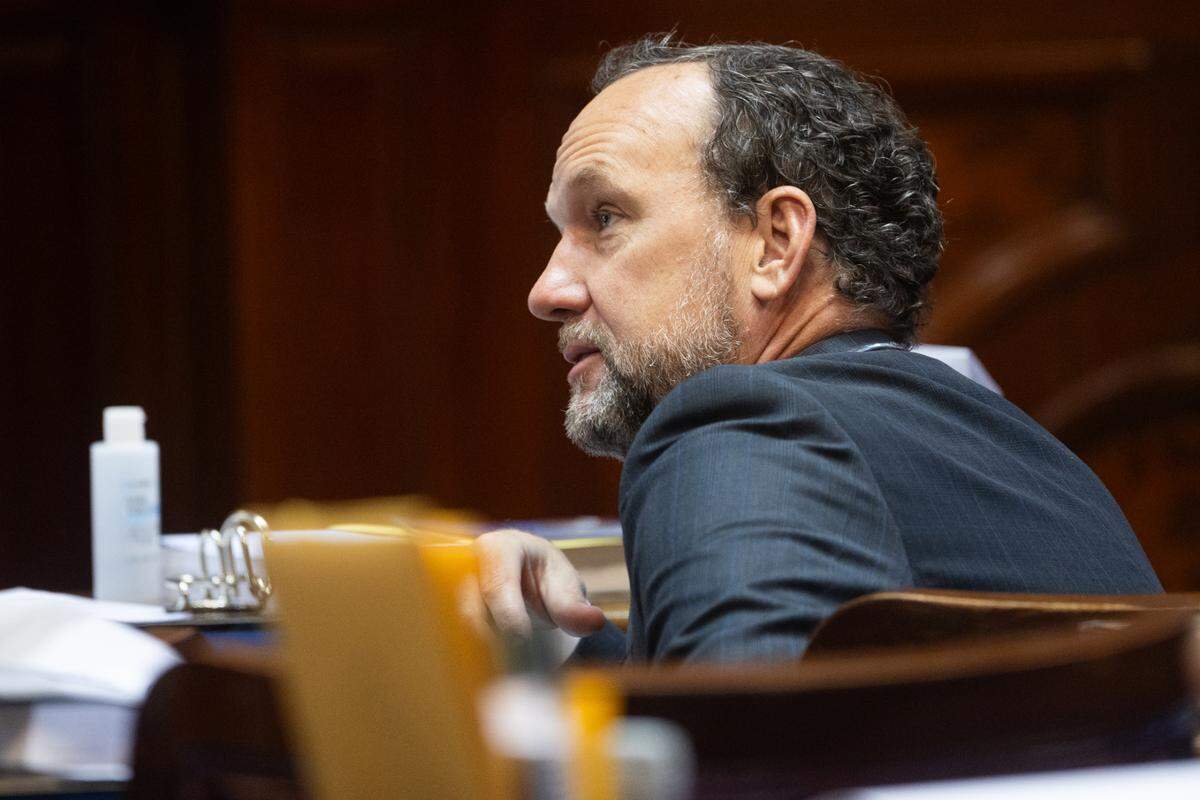
But that didn’t stop a handful of Republican lawmakers from calling on members to send the budget back to a conference committee to take the raise out.
State Rep. Joe White, R-Newberry, a member of the the hard-line conservative Freedom Caucus called on lawmakers to enact a raise that only goes into effect after the 2026 elections, when the entire House is up for election.
“I don’t think serving people should vote themselves a raise. I think if we’re going to vote a raise, we need to say (it’s) for the next group that comes in,” White said.
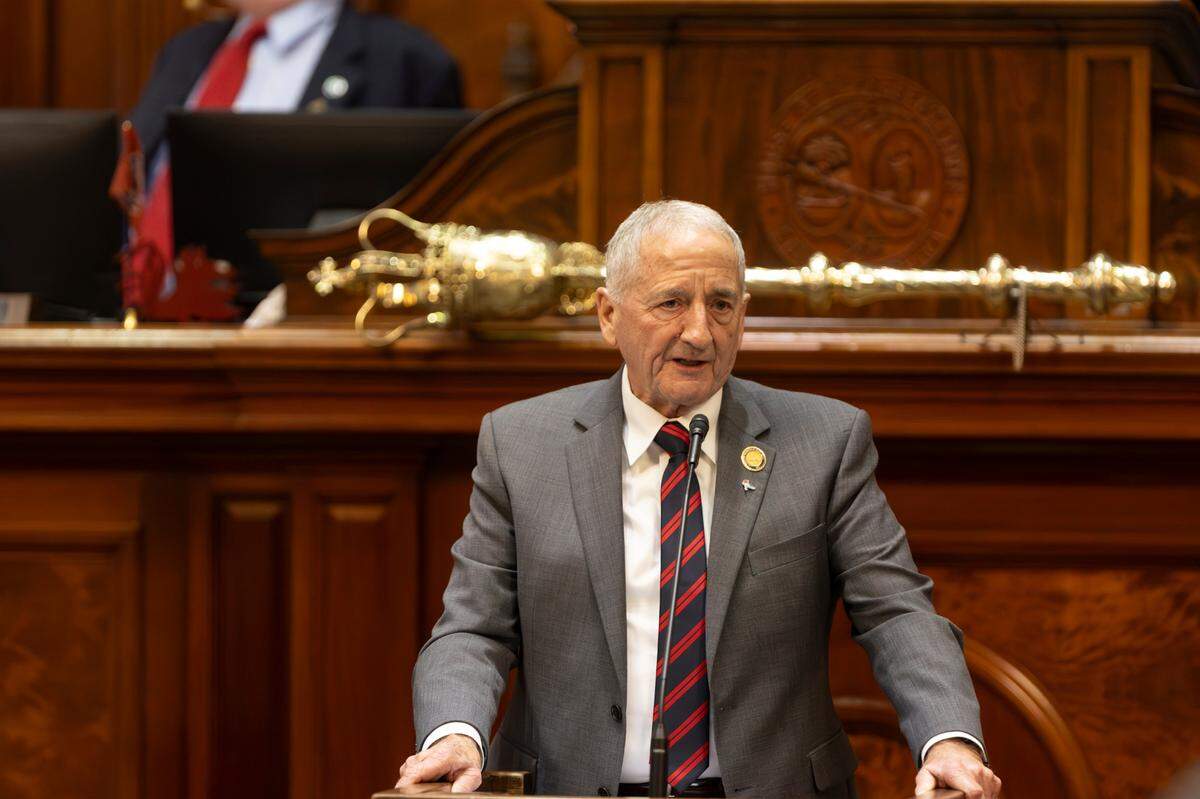
The House previously rejected the same proviso during its budget debate in March in a 91-15 vote. But the $1,500 a month increase was included in the Senate budget plan, so the six-person conference committee decided to keep it in.
“We voted and somehow the Senate was able to prevail over the House in terms of what the result was,” said state Rep. Kathy Landing, R-Charleston. “Now they would say, ’ No, we came to an agreement,’ and maybe they did.”

This story was originally published May 30, 2025 at 5:00 AM.