SC Supreme Court orders halt to expected compensation hike for state lawmakers
The S.C. Supreme Court on Wednesday morning ordered a halt to a compensation increase for the state’s 170 lawmakers. The hike was to have gone into effect July 1.
The Supreme Court filed an order to that effect — granting a preliminary injunction — signed by all five justices.
The high court ordered state Treasurer Curtis Loftis not to distribute any of the extra money to lawmakers in the new fiscal year, which begins July 1.
On June 3, the governor signed the 2025-26 budget, which contained the compensation increase.
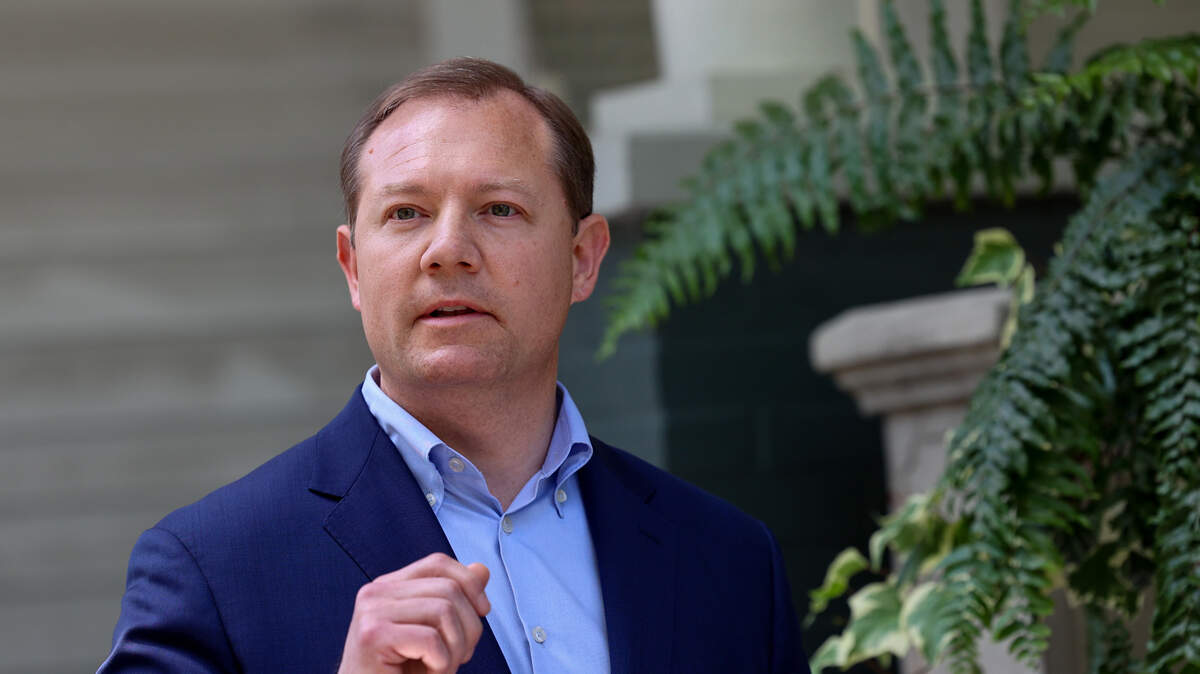
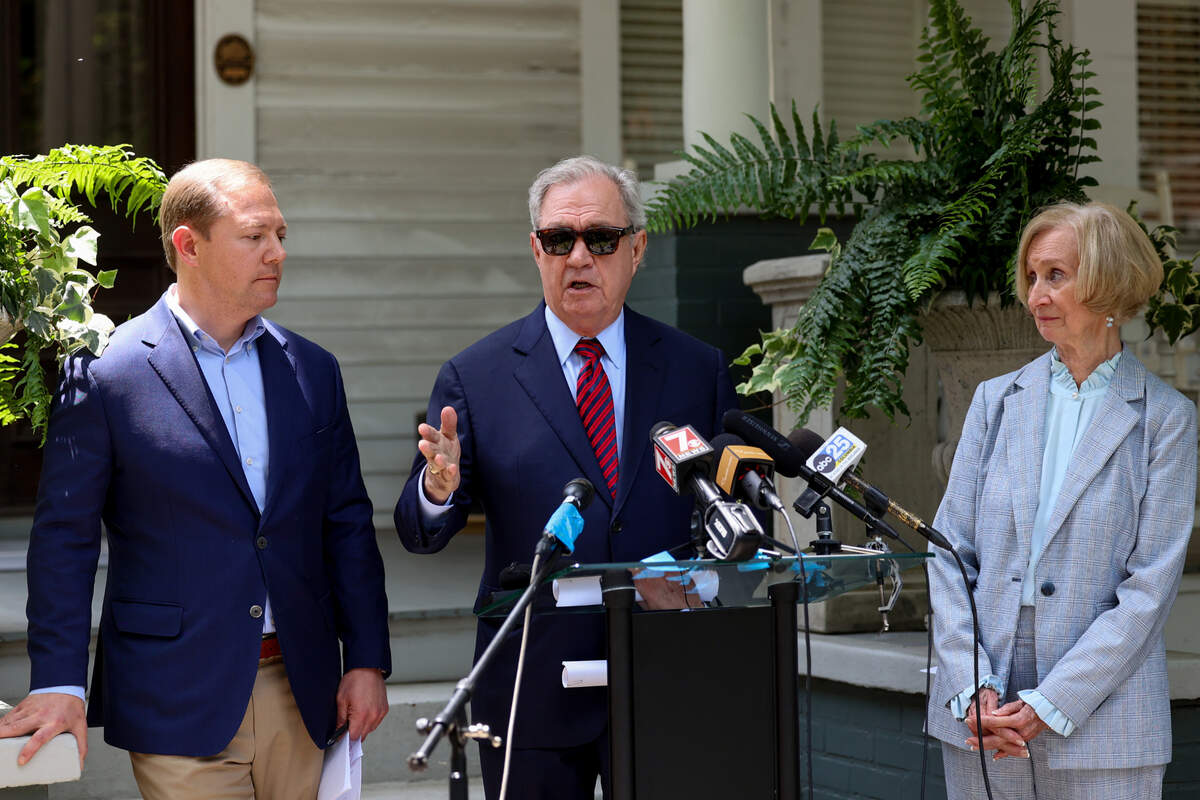
The court’s action was taken in response to a petition objecting to the compensation increase filed in the Supreme Court by state Sen. Wes Climer and retired educator Carol Herring, who lives in Climer’s Rock Hill area district. They are represented by attorney and former state senator Dick Harpootlian and attorney Phillip Barber.
The court’s three-paragraph order indicated that parties to the petition, who include leaders in both the State House of Representatives and the State Senate, will be asked to file further briefs in the matter.
In its order, the justices said the petitioners met the standards for them to grant a preliminary injunction.
Those standards are: there would be “immediate, irreparable harm without the injunction,” “a likelihood of success on the merits,” and “no adequate remedy at law” exists to halt the compensation increase from going into effect.
At issue in the case is what is considered a lawmaker’s per diem, and whether the increase in the monthly in-district compensation should be allowed to kick in for the current general assembly or whether it should become effective after the next election.
A clause in the state constitution says lawmakers’ per diem can only be increased for a future general assembly — not the current general assembly.
As part of the budget that goes in to effect July 1, lawmakers approved a one-year provision increasing a lawmaker’s in-district expenses to $2,500 a month from $1,000 a month. It amounts to an $18,000 a year raise.
“To be clear, Proviso 91.13 is not a raise in members of the General Assembly’s salaries or per diem rates, but, instead, provides an increase to the longstanding allowance available to members for their home district legislative activities, which is not prohibited by the South Carolina Constitution,” Mark Moore, an attorney for House Speaker Murrell Smith, wrote.
“In-district compensation is nothing new within the state’s annual budget acts. Unlike members of the General Assembly’s per diem-based salaries for personal service during regular session, in-district compensation is an allowance intended to cover the costs of legislative activities in a member’s home district, such as serving constituents, attending constituent events, traveling to county, city, or town council meetings, hosting town halls, or incurring other such expenses as a direct result of a member’s elected position,” Moore wrote.
The monthly stipend goes directly into lawmakers bank accounts and is considered taxable income. The money is suppose to be used to cover expenses while they’re at home in district, such as holding town halls, sending out mailers or paying for fuel to travel around the area they represent. Lawyers for the House speaker and Senate president say the money is not part of a lawmaker’s per diem.
However, because the order temporarily stops the treasurer’s office from sending the monthly in-district stipend, lawmakers won’t even get the $1,000 a month they had been receiving effective July 1, the speaker’s office said.
The $10,400 salary, which is paid in one lump sum, is for 40 legislative days of work at $260 a day. Lawmakers also receive a daily subsistence payment of $240 for lodging and meals while in the Columbia-area.
Lawyers for the House also said the increase is needed to deal with the “drastic” inflation that has taken place since 1994 when the in-district compensation was last set.
“The increase provides members of the General Assembly with an allowance imminently needed to support members’ engagement in in-district legislative activities for the remainder of 2025 and into 2026 for the benefit of their constituents,” Moore wrote.
“If members do more work than they use to do, they could simply vote themselves more money in a constitutional manner, as they did the last time they increased “in-district compensation,” and explain the need for this money to their constituents,” attorney Barber wrote.
Barber wrote that proviso does not even say how the money should be spent, instead hands “cash to members of the General Assembly,” and it “makes no sense.”
Lawyers for Climer also point to a case from the 1940s where lawmakers appropriated $700 per legislator for official expenses. That payment was ruled unconstitutional.
“If a flat amount (untied to attendance at session) of $700 for ‘official expenses,’ with no requirement to spend the money on anything related to members’ official duties, is unconstitutional, then a flat amount of $18,000 for ‘in-district compensation,’ with no requirement to spend the money anything related to members’ official duties, must also be unconstitutional,” Barber wrote.
In the House, only lawmakers who live more than 50 miles from the State House are eligible for the daily subsistence payment. The Senate makes that payment available to each of its members, but the payment is taxable for members who live within 50 miles of the state capitol building.
So far, six state senators including Climer, have declined to accept the increased monthly in-district stipend. A seventh is waited to see how the court ruled.
In the House, 40 members declined the stipend increase.
This story was originally published June 25, 2025 at 11:07 AM.