SC state senator wants state’s highest court to stop lawmaker pay increase
A state senator and one of his former colleagues are going to the state Supreme Court to stop the pay increase for lawmakers approved by the General Assembly.
State Sen. Wes Climer, R-York, filed a lawsuit Friday that says the $1,500 a month increase for in-district compensation is unconstitutional. The money is meant to cover expenses while they’re at home in district, such as holding town halls, sending out mailers or paying for fuel to travel around the area they represent.
Climer and fellow plaintiff Carol Herring, a retired teacher who is a member of the SC Federation of Republican Women, are being represented by the law firm owned by Dick Harpootlian, a former state senator who has previously sued the state over transparency issues at the Department of Commerce.
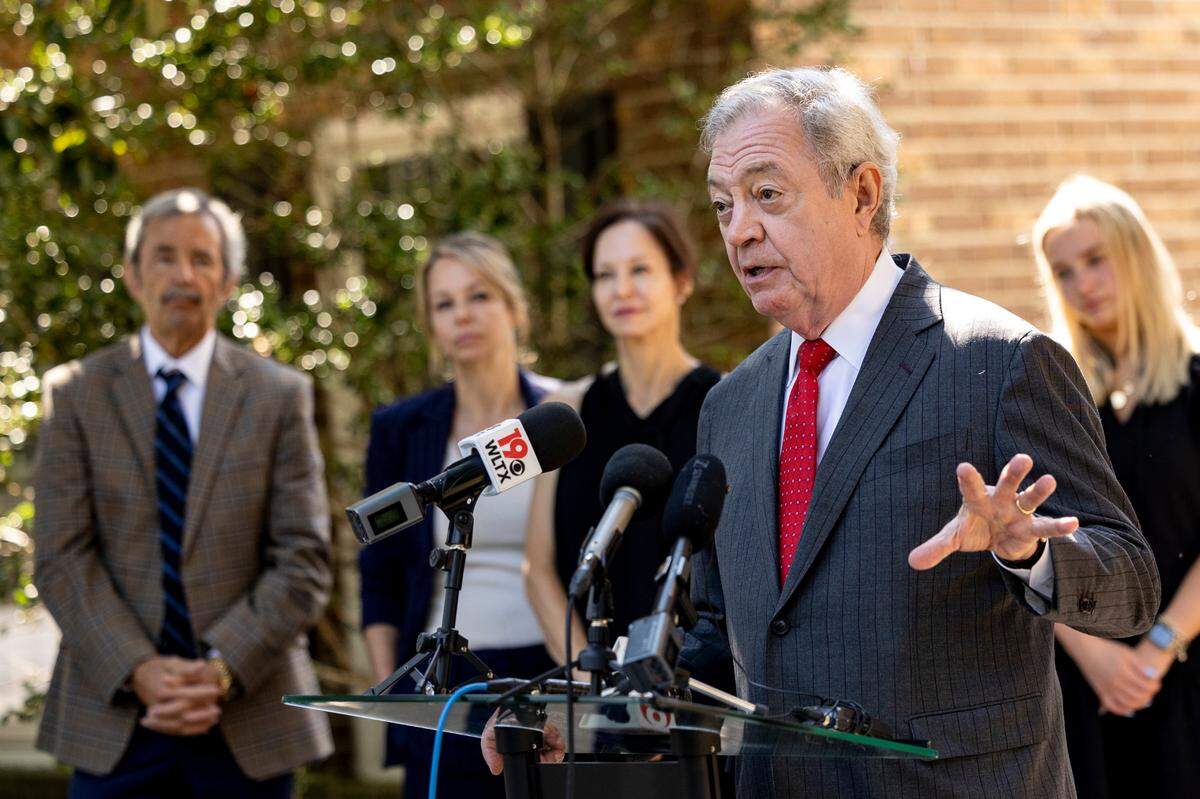
The petition was filed late Friday, and responses from the state are due by next week, with an expectation a decision may come before July 1.
In the lawsuit, attorney Phillip Barber points to a clause in the state constitution that says lawmakers’ per diem can only be increased for a future general assembly, not the current general assembly.
“The General Assembly may not increase the compensation of its members before an intervening general election,” the lawsuit says.
Lawmakers receive a base salary of $10,400 a year for being a legislator, a monthly stipend for in-district expenses, mileage and a per diem for lodging and meals to Columbia during legislative sessions.
Climer reported $29,658 for in-district compensation, per diem and mileage on his most recent annual statement of economic interest report.
Barber argues that the per diem definition applies to the full compensation received by lawmakers.
As part of the budget that goes in to effect July 1, lawmakers approved a one-year provision increasing the in-district expenses to $2,500 a month from $1,000 a month. It amounts to an $18,000 a year raise. The provision is only in effect from 2025-26, but lawmakers routinely renew provisos by changing the effective dates.
Lawmakers don’t have to provide records to show how they spent the in-district compensation.
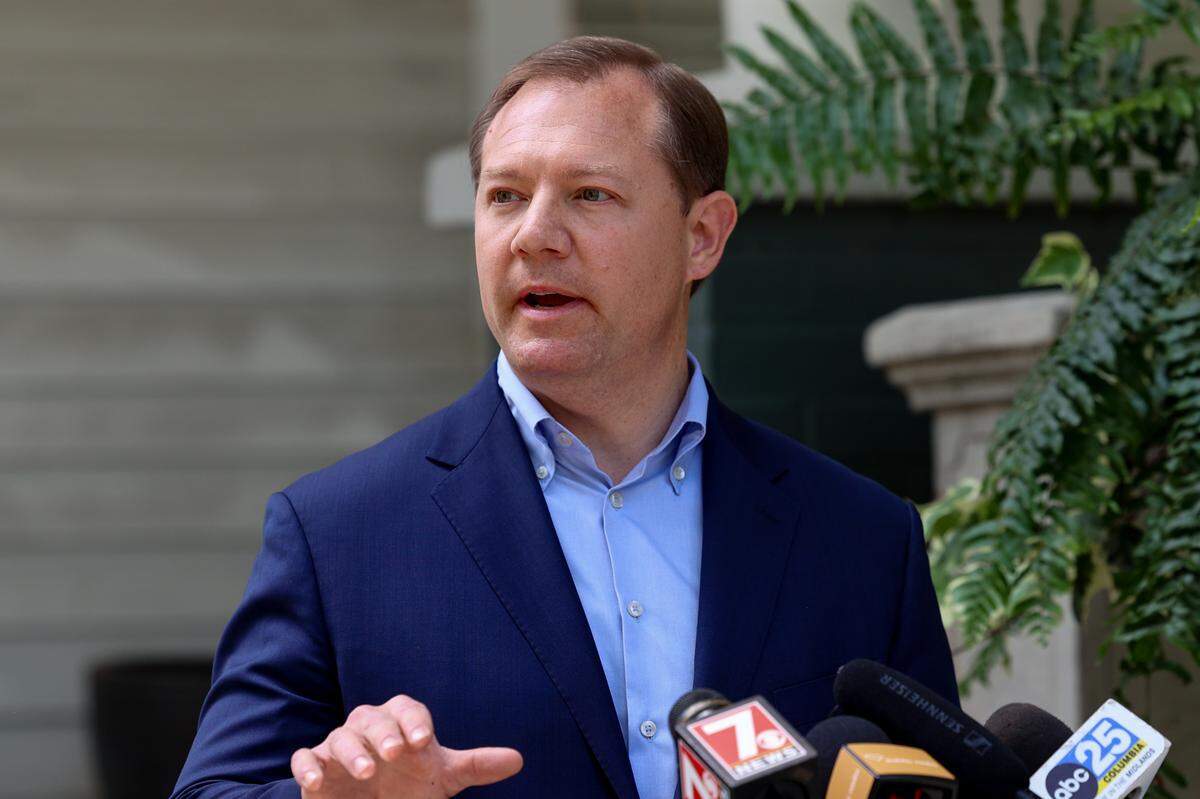
“There are no receipts required to submit for reimbursement,” Climer told reporters. “It’s just $1,000 deposit into the account. Legislators are free to spend these funds however they deem appropriate and the Internal Revenue Service taxes it as income.”
The last time the in-district expense was raised was in 1995. Lawmakers in 1994 raised the pay to $1,000 a month, but it went into effect in January 1995 after an election. An attempt in 2014 to increase the in-district compensation was vetoed by then-Gov. Nikki Haley.
The provision was added to the budget on the Senate floor this year after a brief explanation by state Sen. Shane Martin, R-Spartanburg. A similar provision had been rejected by the House. But a six-member budget conference committee opted to keep the pay raise in place when working out the differences between the House and Senate spending plans.
Both chambers gave lawmakers an opportunity to forego this year’s increase.
In the House, 34 members had declined the increase by Monday’s 9 a.m. deadline.
According to the Senate Clerk’s office, Climer, state Sen. Michael Johnson, R-York, and state Sen. Mike Reichenbach, R-Florence, have declined the increase. The Senate did not send out a form asking its members if they wanted to turn down the increase, but senators have the option to do so at any time.
Climer also said the pay increase should have gone through the traditional legislative process with hearings on a bill, rather than a proviso attached to the budget.
“Everyone who’s in the General Assembly now knew what the salary was when they chose to run,” Climer said. “This is not a surprise, and so the bait and switch on the taxpayer after the elections have happened for legislators to appropriate themselves more of the taxpayers’ money in real time runs afoul of basic constitutional norms.”
This story was originally published June 9, 2025 at 10:42 AM.