MUSC looks to increase its governance over Tidelands Health system
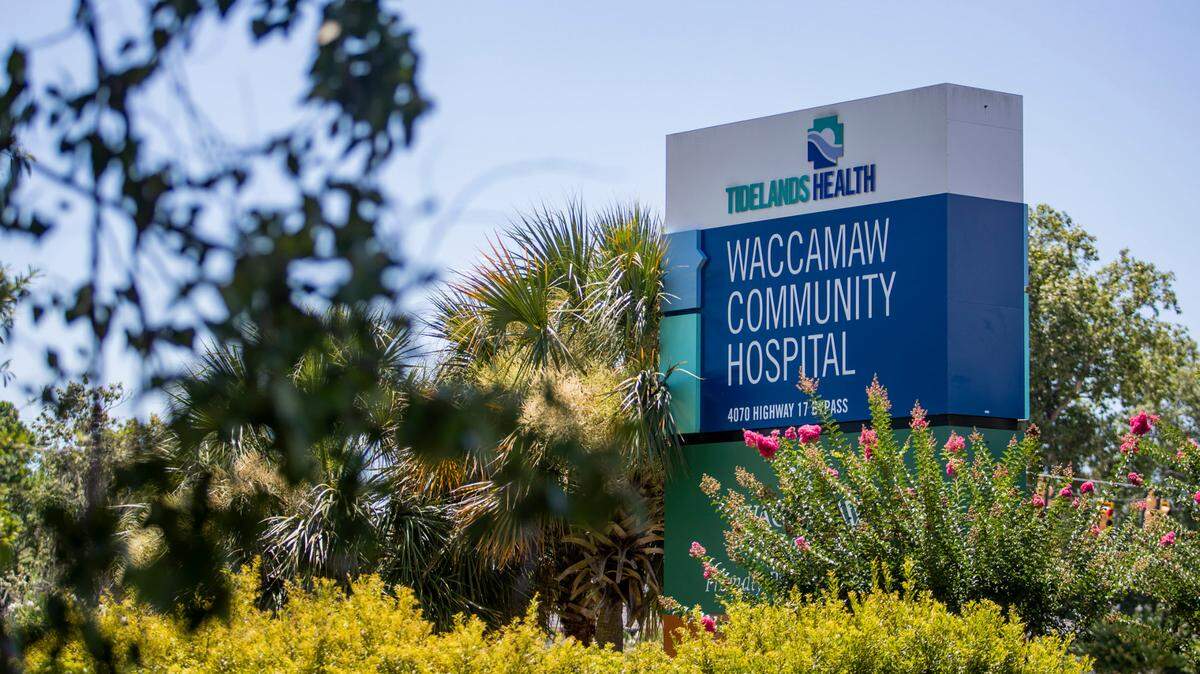
The Medical University of South Carolina is looking to take over a majority of the board of Tidelands Health, which serves Georgetown, Horry and Williamsburg counties, as the health system faces a $50 million deficit.
MUSC already has a 30% interest in the system and plans to acquire more of a share of the system through membership commitments giving MUSC 51% of the governance interest, according to a letter to the Joint Bond Review Committee. In 2020, MUSC obtained 30% governance interest allowing it to have six members of the 23-member board.
“What we’re suggesting to do is take on a greater, it would be over a majority, and that would put MUSC more in direct control of what’s happening at Tidelands,” said Dr. Patrick Cawley, the CEO of MUSC Health. “We think that there are a variety of things we can do to help strengthen them financially, and then turn them around.”
The plan needs approval from State Fiscal Accountability Authority and likely needs approval from the U.S. Department of Housing and Urban Development, JBRC documents say.
The move helps the health system that has run into financial issues, Cawley said ahead of Tuesday’s meeting.
The health system has a $50 million deficit, but has two years of cash reserves and investments of $140 million, state officials said.
“There are a variety of things we could do to strengthen them financially and turn them around,” Cawley told the Joint Bond Review Committee, which is composed of House and Senate budget writers.
The deficit is not the biggest MUSC has taken over. Because the area is a growing, Cawley was confident Tidelands can be turned around financially.
The health system consists of Tidelands Georgetown, Tidelands Waccamaw, Tidelands Health Rehabilitation Hospital at Murrell’s Inlet, Tidelands Health Rehabilitation Hospital at Little River and the planned Tidelands Carolina Bays.
“The proposed transaction is intended to strengthen and improve access to healthcare services in Georgetown, Horry, and Williamsburg Counties; preserve and enhance Tidelands Health as a healthcare organization for the region; reduce Tidelands costs through operational efficiencies,” JBRC documents said.
MUSC and Tidelands plan to improve care coordination.
“We picked up many distressed hospitals in the past and turned all of them around. We think this one should be able to turn around,” Cawley said.
“We can also help them buy equipment that’s less expensive. There’s a variety of things we can put in place that we could help them with,” Cawley added.
Discussion about MUSC coming in have taken place for several months, but active negotiations have taken place for less than two months, Cawley said.
“We know the area well. So it’s not like we’re brand new into the area. We just helped them put in an electronic health records back a couple years ago. So there are certain headwinds we would not have that we would normally have if this were a brand new hospital,” Cawley said.