
Most SC lawmakers are men. Can women inch closer with 4 special elections?
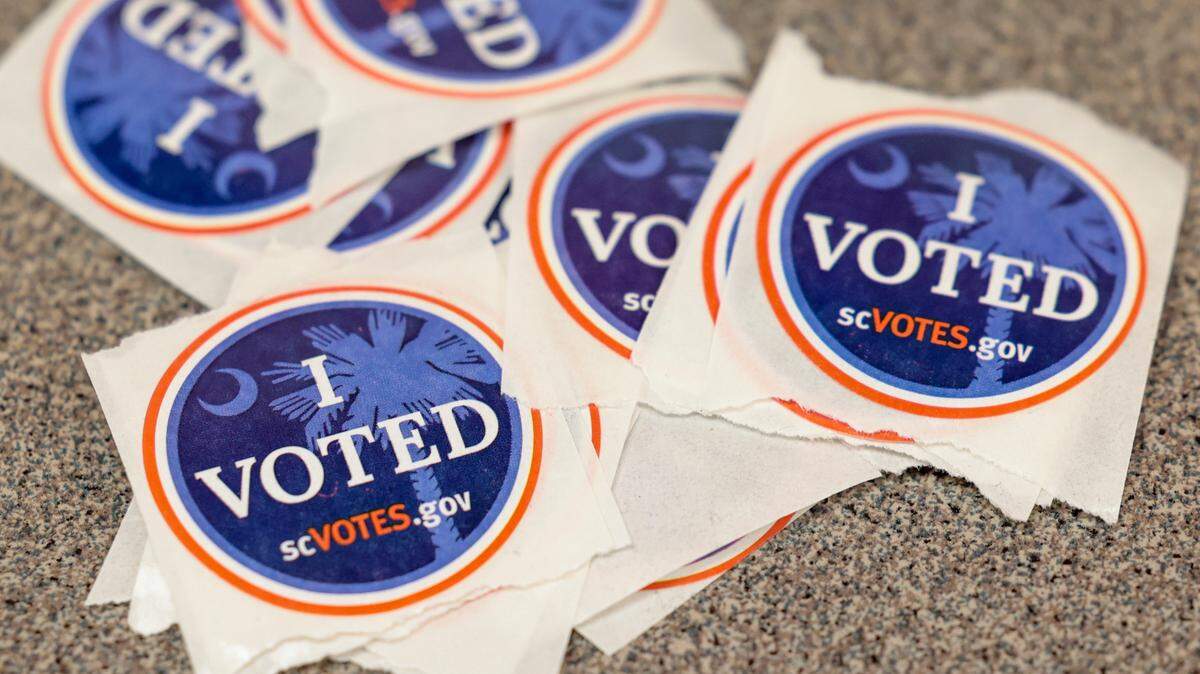
There are zero Republican women serving in South Carolina’s Senate, but an upcoming special election could slightly shift the General Assembly’s demographics.
Despite women outnumbering men 55%-45% in registered voters, the number of women in South Carolina’s General Assembly is remarkably low. The state has the second-lowest percentage of women legislators in the country.
Now, women are running in four special elections this fall and winter. Two seats in the Upstate, one Lexington County House seat and a Lowcountry district will all have new representatives next year.
Special elections can give women a unique opportunity to make gains in the state legislature, said Sara Ballard, the executive director of South Carolina Women in Leadership. Because special elections often have smaller turnouts, candidates with less funding and grassroots campaigns can make a difference, she said.
“One of the great things about special elections is that there isn’t so much background noise,” Ballard said. “If you can get people to recognize and know that you’re a candidate, there is less competition for their attention in terms of what they’re going to do when they go to the ballot box.”
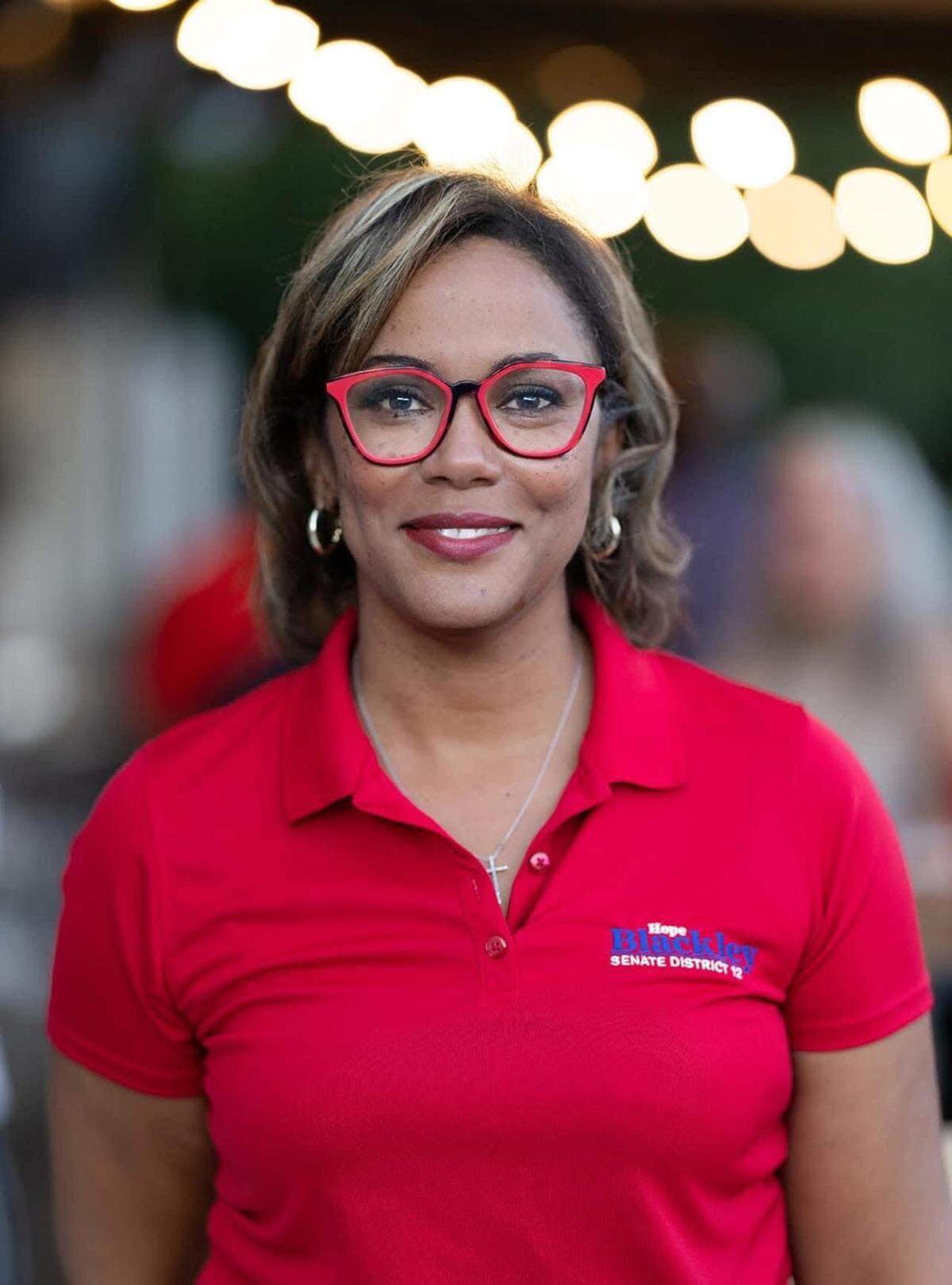
Hope Blackley is running for the Republican nomination in a special election for an Upstate Senate district. She’s competing with former state Sen. Lee Bright and Justin Bradley for the Republican nomination.
Blackley said it is important for the General Assembly to reflect the population of South Carolina.
“Representation does matter,” Blackley said. “We need female perspectives just as well as male perspectives.”
Three House races also have women candidates. In a race to replace former state Rep. RJ May in Lexington County, Lorelei Graye is running against other Republicans Brian Duncan, John Lastinger and Darren E. Rogers. The sole Democrat running is J Chuck Hightower. Dianne Mitchell is competing against three other Republicans, Reggy Batson, Steve Nail and Jack Stott, for state Rep. Bobby Cox’s seat in the Upstate.
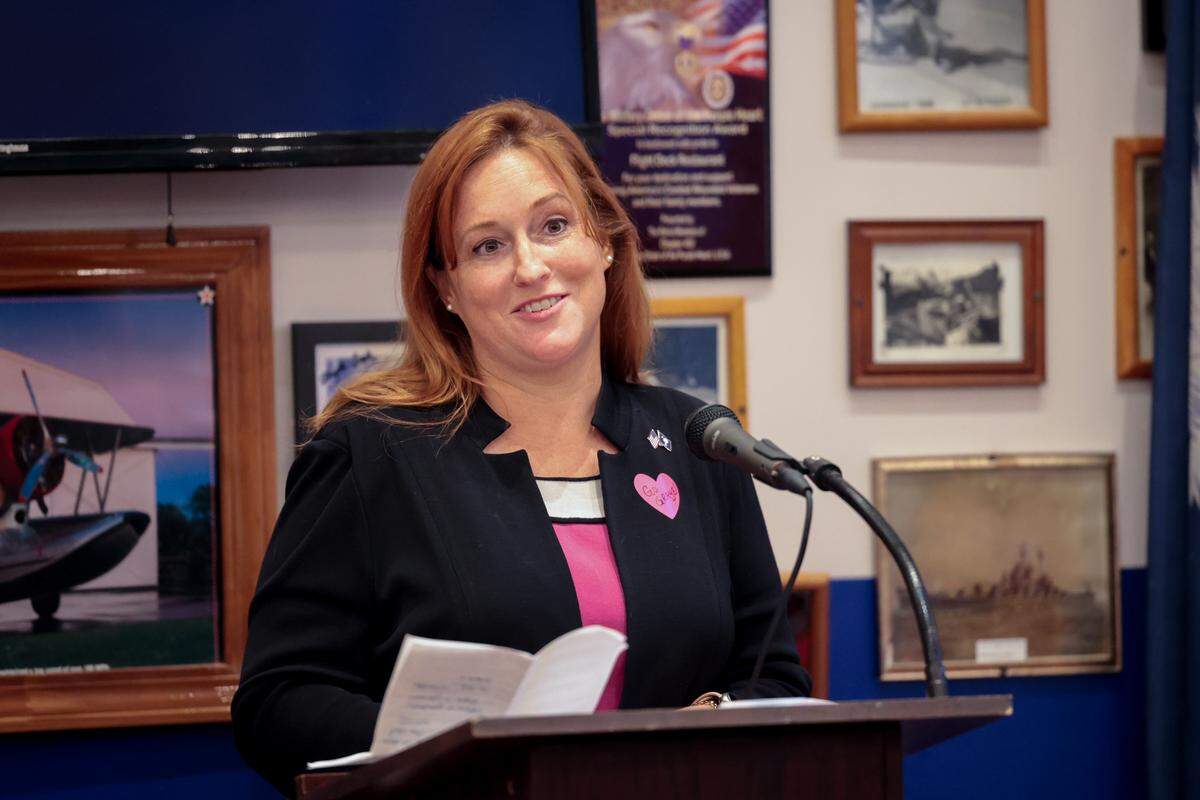
And in the Lowcountry, three Republicans, Greg Ford, Brian Hill and David Johnston, are running for the nomination. Damian Daly, Stephen Kohn and Sonja Ogletree-Satani are competing for the Democratic nomination to replace state Rep. Chris Murphy.
Ogletree-Satani, a business owner, said recruiting women to run in special elections is important. Graye and Mitchell did not respond to emails requesting more information about their campaigns and to answer questions about women’s representation in the General Assembly.
Gaps in women’s representation
At the beginning of 2024, South Carolina’s Senate had six women. That slipped to two after three Republican Senators lost their primaries after breaking with the party to oppose abortion bans, and one Independent candidate opted not to run.
One of the ousted Republican women was Lexington’s former Senator Katrina Shealy. She said the conservative culture in South Carolina makes it difficult for women to find the necessary resources to run successful campaigns.
“People don’t want to invest money in somebody they don’t think it’s going to get elected,” Shealy said. “I can tell you that from the first time I ran. People think, ‘well a woman can’t get elected. We’re not gonna put money in that campaign.’ ”
To overcome those inequalities, parties need to target women and provide them with resources, said Kelly Dittmar, the director of research at Rutgers University’s Center for American Women and Politics.
“It is very hard to get Republican leaders to buy into the fact that in order to get more women in office, you may need to engage in targeted recruitment, targeted support infrastructures,” she said.
Only 13.5% of legislators are women in South Carolina, the second lowest percentage in the country, according to Rutgers University’s Center for American Women and Politics.
Of the Senate’s 46 members, there are only two women, and both are Democrats. That’s the lowest number of women Senators out of any state in the nation.
The Republican party, which has a supermajority in the Senate, also doesn’t have any women in its caucus. That makes it more difficult for any women to pass legislation in the Senate, Shealy said.
“If you don’t have a majority to put help push your legislation, you can’t get it passed,” she said. “You have to have somebody that’s willing to work with you, and there’s so few Democrats in the Senate right now. Unless it’s something that the Republicans want to put forth, they’re not going to get it out there.”
Having women who can pass legislation is important because they tend to focus on different issues than their male counterparts, Shealy said. Women lawmakers have a diversity of opinions, but they may focus more on issues impacting families and children, Dittmar and Shealy said.
“We’ve seen this as well with things like providing support for child care or paid leave,” Dittmar said. “Even where women disagree on the way to solve that problem, they at least will bring it to the agenda.”
For example, Blackley said supporting children and schools is her number one priority.
On the Democratic side, Ogletree-Satani said she initially ran to replace incumbent Murphy in 2024 after her daughter was upset after her school ran an active shooter drill. Gun law reform, safety in schools, public education and affordability are key issues for Ogletree-Satani.
Special elections offer a window
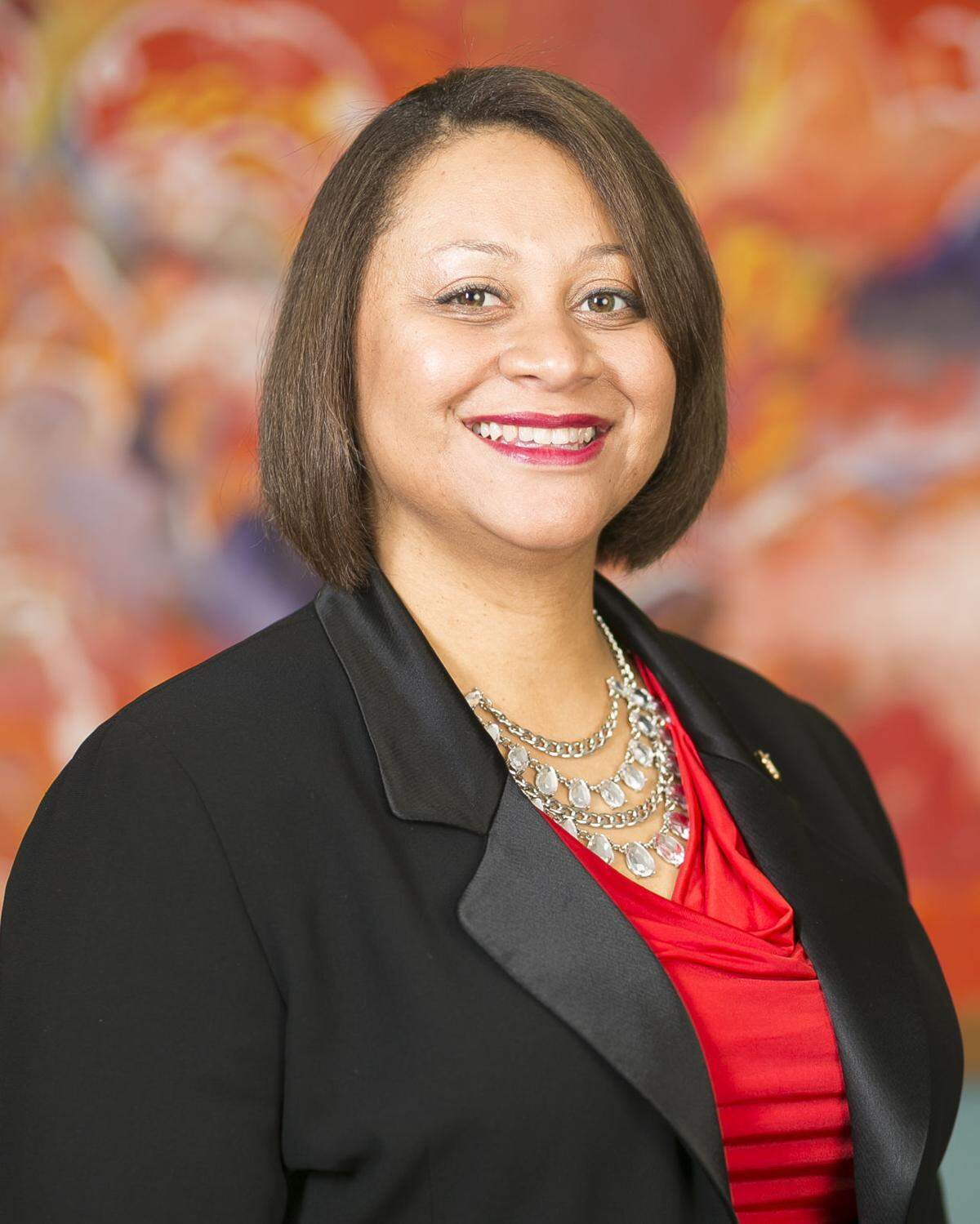
One of the only women in the state Senate, Tameika Isaac Devine, D-Richland, initially won her seat in a special election in 2024. She defeated three male Democrats in the primary, including state Rep. Kambrell Garvin, D-Richland, and Kizzie Smalls, the Republican woman running for the seat during the general election. The district is heavily Democratic.
Money, time and other outside support are all still needed to win a special election. In some ways, it may be more challenging to win a special election because there is less time to campaign, Blackley said. In her Senate race, Blackley hopes to reach as many people as possible in a district of over 78,000 registered voters. But it will be nearly impossible for her to knock on every door in such a short election cycle, so money for campaigning materials will be vital.
Ballard said that without higher-profile races on the ballot, however, it is easier to gain attention and swing the election with lower turnout. That can help cash-strapped candidates with fewer access to resources.
“If you have the opportunity to get mailers out and let people know about you, then there is an enormous opportunity for you to be able to swing an election with just a very small number of votes when voter turnout is low,” Ballard said.
The lack of an incumbent also makes a difference, Ogletree-Satani said. Incumbents typically have a major advantage going into an election. Special elections give women the opportunity to win and have that advantage in the future, Ogletree-Satani said.
It’s not clear whether special elections give women an advantage compared to a regular election, Dittmar said. She said it boils down to whether the party and donors believe it is important for gender parity during the candidate recruitment process. Republican House majority whip Brandon Newton, R-Lancaster and state Senate Shane Massey, R-Edgefield, previously told The State they had not decided whether to back anyone in the special elections.
Special elections for the two Upstate and one Lexington County seats will be held Oct. 21, with early voting running Oct. 6-Oct. 17. The general election will occur two days before Christmas, Dec. 23, and early voting will begin Dec. 8. For the Lowcountry House seat, residents will vote Nov. 4 in the primaries and the general election will be held Jan. 6.
This story was originally published September 24, 2025 at 5:30 AM.