
A decade after deadly floods, Midlands dams are still in bad shape
Many of the most dangerous dams in Richland and Lexington counties are still in bad shape a decade after the deadly flood that killed nine people in Columbia.
Nearly a third of Richland and Lexington County’s most dangerous state-regulated dams are in “poor” or “unsatisfactory” condition, according to inspection reports reviewed by The State. And over 50 of the counties’ 121 hazardous dams don’t have a required plan detailing what to do if an emergency does happen, records show. The State obtained dam inspection reports for Richland and Lexington counties’ dams designated as high and significant hazard.
The money and resources poured into the state’s dam safety program since 2015 hasn’t been enough to fix the aging infrastructure. Unsafe dams can become deadly, as they were in Columbia ten years ago.
“We need to, as a society, treat these structures with a much higher regard than we currently do,” said Del Shannon, a civil engineer and an author of the 2025 Report Card of America’s Infrastructure.
In the first days of October 2015, as much as 26 inches of rain fell on the region and at least 45 dams broke in Richland and Lexington counties.
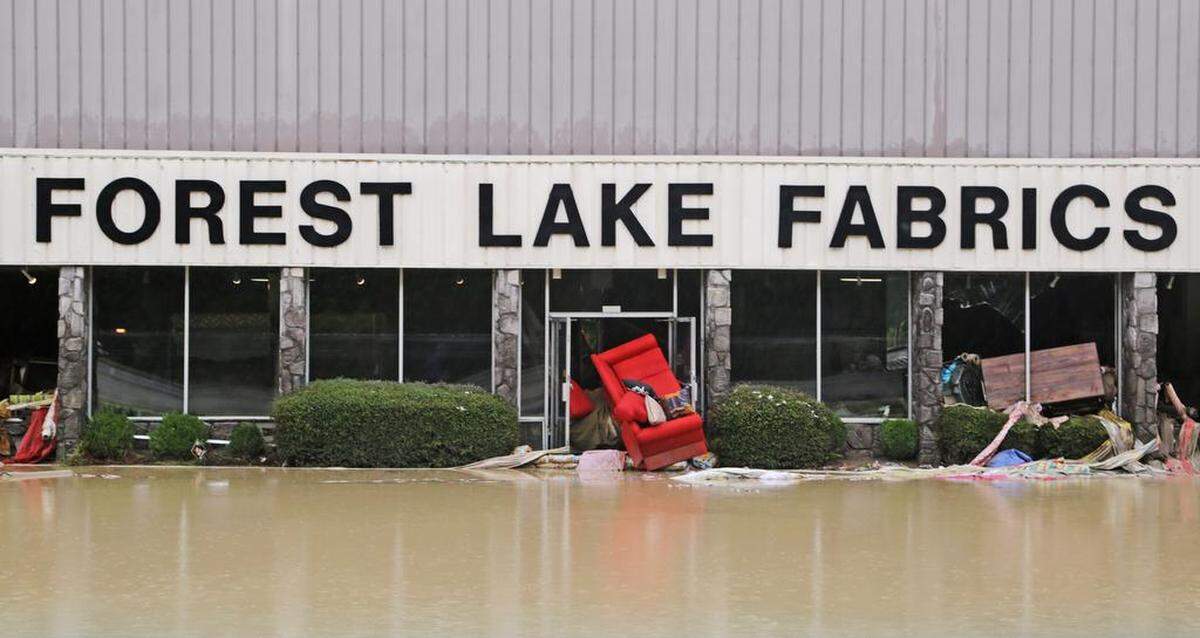
Nine people died in Columbia and countless homes and businesses were damaged. Over 20,000 South Carolina residents were displaced in the floods, according to the South Carolina Emergency Management Division.
For the tenth anniversary of the flooding, Forest Acres residents gathered in Gills Creek Memorial Park. The property had been under several feet of rushing water a decade ago, former Mayor Frank Brunson told a crowd of families and Forest Acres residents.
The attendees recalled the floods, the broken dams, the piles of debris, the boats floating through the streets of Forest Acres and closed roads that made it hard or impossible to get to work and family. Forest Acres Mayor Thomas Andrews said he still checks his house for flooding on particularly rainy nights after experiencing minor flooding that October.
Frank Caruccio, a pilot at the Columbia airport at the time, remembers trying to help people impacted by the flooding, including a World War II veteran with water up to his roof.
“It was something I’d never seen the community come together and do before,” Caruccio said.
The 2015 flooding was a turning point for how people in the region viewed natural disasters, said Brett Robertson, the associate director of the University of South Carolina’s Hazards Vulnerability and Resilience Institute.
“What we saw in 2015 and thereafter, people then began to say, ‘okay, this could actually happen,’ ” Robertson said. “There may be something that is going to happen. I need to take steps to prepare on my own.”
The flooding also prompted the state legislature to give more funding to the dam safety program, but challenges still persist in ensuring the maintenance of the state’s over 2,400 regulated dams.
The condition of SC’s dams
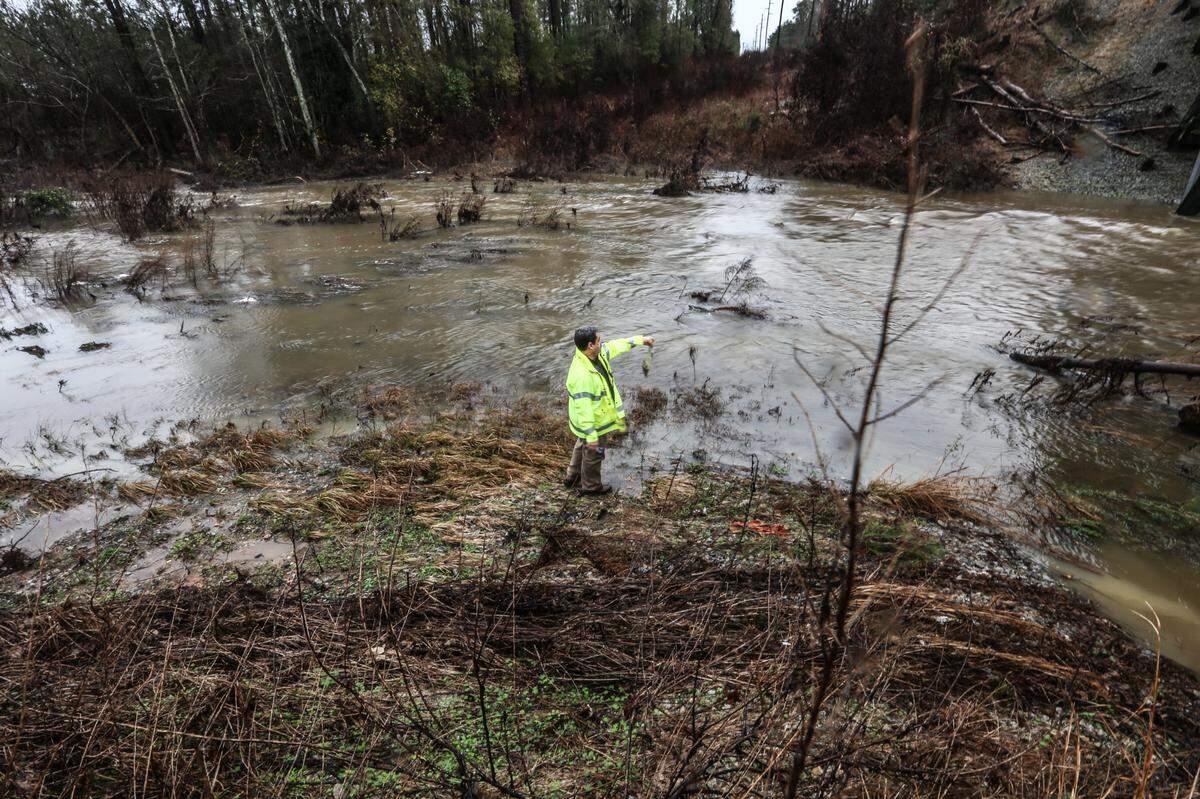
The Pinewood Lake Dam, located off Garner’s Ferry Road, never recovered from the 2015 floods, according to an inspection report from July.
“Pinewood Lake Dam sustained significant damage as a result of October 2015’s historic rainfall, putting the dam in an unsafe condition,” the report read.
It’s one of six Richland and Lexington county dams that were recently rated unsatisfactory by state regulators, the worst condition for a dam. If any of the six unsatisfactory dams broke, human life could be at risk, according to South Carolina’s categorization of the infrastructure.
“Unsatisfactory is definitely a rating that we take seriously,” said John McCain, South Carolina’s dam safety program manager.
Nearly half of the regulated dams in South Carolina are in unsatisfactory or poor condition, according to the National Inventory of Dams. The state also received a “D” rating for its dam infrastructure from the American Society of Civil Engineers’ 2025 report card.
Engineers with the South Carolina Department of Environmental Services give dams one of four ratings when they are inspected: unsatisfactory, poor, fair or satisfactory.
Unsatisfactory dams have a deficiency that needs to be addressed immediately. Poor dams typically have a deficiency or suspected deficiency that needs to be fixed. Fair dams typically don’t have a deficiency, but they could break under extreme weather conditions.
State-regulated dams are categorized by the impact they can have on human life or property. High hazard dams have the potential to take human life, while significant hazard dams can destroy property. Only high and significant hazard dams are inspected regularly, but low hazard dams are supposed to be checked at least every five years.
Of the 121 most dangerous state-regulated dams in Richland and Lexington counties, six dams are in unsatisfactory conditions, according to dam inspection reports from the state Department of Environmental Services. 32 are in poor condition, and 78 are fair. Only two are satisfactory. Of the 38 poor or unsatisfactory dams, 36 are high hazard.
Although the state regulates 2,400 dams, an estimated 20,000 dams are not under the purview of the state, typically because the law doesn’t require regulation for some smaller dams. Other dams are regulated by the federal government.
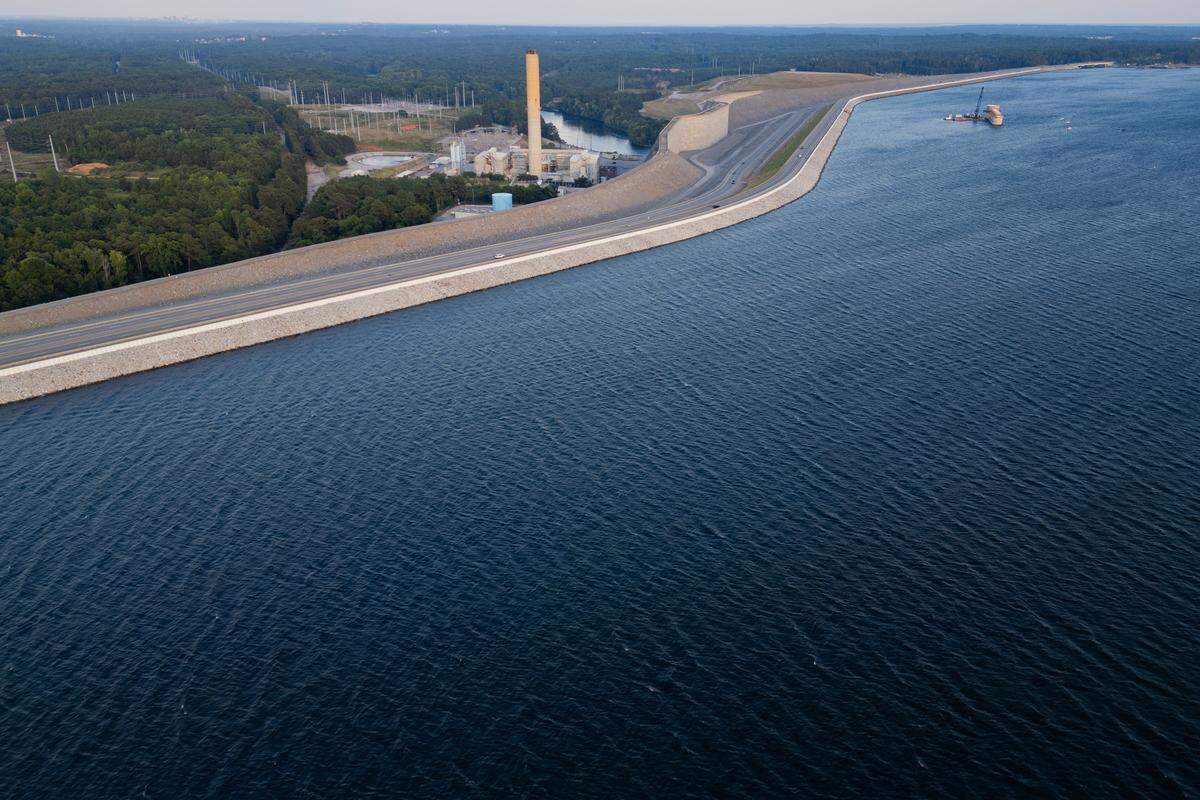
Richland and Lexington counties are home to large federally regulated dams, including the Saluda Dam at Lake Murray and Fort Jackson’s dams.
The Saluda Dam is high hazard and currently under remediation, according to a 2025 report from the Federal Energy Regulatory Commission. The Saluda Dike and Backup Berm are also high hazard and “meet current standards,” and the high hazard Saluda Spillway is under investigation, according to a report posted earlier this year.
A spokesperson for the Federal Energy Regulatory Commission wrote in an email that the Saluda Dam was “under remediation” because Dominion Energy South Carolina is replacing its headgates. The company was approved for the construction in July 2024, according to FERC documents.
The State requested inspections for the dams at Semmes Lake and Legion Lake at Fort Jackson. The U.S. Army acknowledged the request Aug. 8, but it has not yet provided The State with the most recent dam inspection reports.
According to the National Inventory of Dams, the Semmes Lake dam hasn’t been inspected since March 2021. It is considered a “significant hazard,” but it’s condition was not rated. Another dam at Fort Jackson, Weston Lake, is considered “high hazard,” and it was rated “unsatisfactory,” according to the inventory. It is unclear if the National Inventory of Dams has the most up-to-date inspection information.
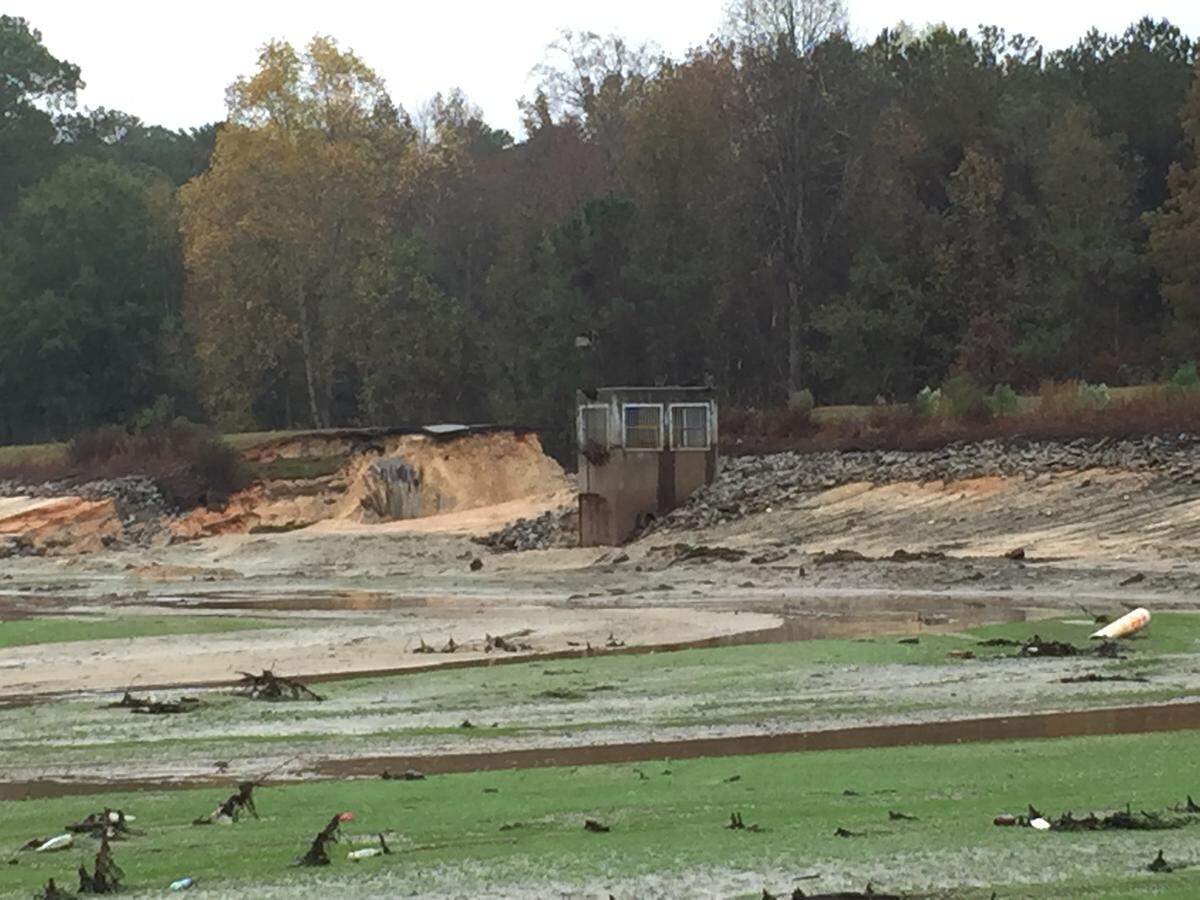
The Semmes Lake dam burst during the 2015 floods, and it was the source of a lawsuit from property owners against the federal government.
Who pays to fix the dams?
In 2015, the Gills Creek Watershed saw significant flooding. It’s an urban area teaming with rivers and creeks flowing into the Congaree River.
The watershed is a floodplain home to several man-made lakes. It’s also covered in neighborhoods, shopping centers and busy roads.
That means if a dam breaks or overtops, the water will rush downstream over the hard parking lots and roads. It could cause damage to property and loss of life, like what happened in 2015.
Development on the floodplain has grown over the past decade, according to Bailey Slice Parker, the executive director of the Gills Creek Watershed. That development means another flood could cause more damage.
Deficient dams are also becoming increasingly riskier due to development, said John Roche, the Maryland chief of dam safety inspection and president of the Association of State Dam Safety Officials. As urban development creeps into rural areas, deficient dams become more dangerous. Some dams in poor condition becoming more dangerous because they were built when there was less potential for damage or loss of human life, Roche said.
“It was designed for a much less rigorous standard, and in recognition of that changing hazard classification, it’s now deficient,” Roche said. “It’s now inadequate.”
Most regulated dams in South Carolina are checked by the state Department of Environmental Services, but that doesn’t mean the state owns or operates those dams. A vast majority are privately owned, including the dams in the Gills Creek Watershed.
So, individuals or home owners associations are often on the hook to pay for the necessary upgrades. Starting in fiscal year 2025’s budget, the Department of Environmental Services has a $1.5 million grant program to pay for upgrades, but McCain said it was “not a lot of money” compared to the need.
The estimated cost to bring all dams up to code in South Carolina is over $6 billion, according to a report from the Association of State Dam Safety Officials. Just repairing high hazard dams would cost $1.66 billion, according to the same report.
“A lot of these folks don’t have the resources, more than likely, to fully repair their dams and fully bring them up to regulatory standards,” McCain said. It can also be challenging for dam inspectors to determining who is responsible for maintaining and fixing the dam, he said.
Gwen Geidel lives on Quinine Hill Lake, a smaller lake in Forest Acres. The dam didn’t break during the 2015 floods, she said, but the twelve homes on the lake still had to raise money for some repairs on its spillway.
“We were lucky,” she said. “Our dam didn’t break. It came within about three inches of over topping.”
While the Department of Environmental Services provides advice and possible resources, McCain said the responsibility is the dam owners.
One recommendation they make, he said, is removing the dam entirely. Dam removal has been encouraged by environmental groups, including American Rivers. About five or six dams are removed in the state each year, but that number should probably be higher, McCain said.
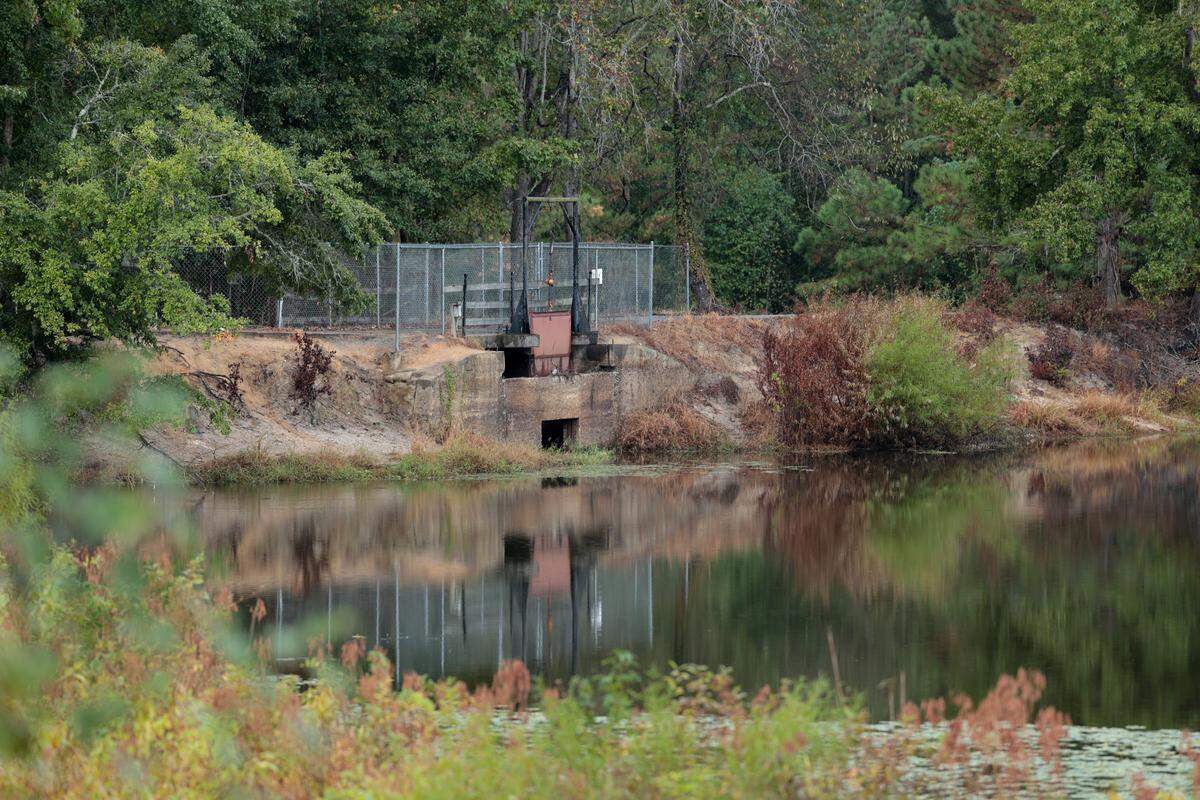
The Pinewood Lake Dam, which hasn’t been repaired since the 2015 floods, was recommended for removal, according to its inspection.
“The reality is, we probably have too many dams and when someone can’t maintain their dam, there shouldn’t be a dam there,” McCain said. “It does put the public at risk.”
State program lacks resources
Without federal dam safety regulations, states have their own patchwork of rules and standards. The main problem for many programs is a lack of resources and adequate legal requirements, Roche said.
South Carolina’s dam safety program has seen a large infusion of cash in the last decade. But it trails behind recommendations from the Association of State Dam Safety Officials.
The state has seven dam inspectors of its 19 full-time staff members in the dam safety program, according to a spokesperson for the Department of Environmental Services. State money for the program has increased by nearly $2 million since 2016, according to the state Department of Environmental Services. But funding for dam safety is still “well under” the national average, according to the 2025 Infrastructure Report Card by the American Society of Civil Engineers.
Something that hasn’t been updated? The state’s regulations for dam safety. The Dam and Reservoir Safety Act of 1977 hasn’t been updated since 1997, and a joint resolution from 2018 only directed the environmental department to regulate significant and high hazard dams. Other bills that could weaken or strengthen the state’s dam safety regime were proposed, but none passed.
Preparing for the next disaster
The 2015 floods in South Carolina are considered a once in 1,000 year phenomenon. However, climate change worsens the impacts of hazardous weather events, as it did with Hurricane Helene, according to the National Oceanic and Atmospheric Administration.
When the air temperature is warmer, the atmosphere can hold more water, said Jeongwoo Hwang, a research associate at North Carolina State University. That means when it rains, more precipitation may fall since more water is stored in the atmosphere. Hwang studies water resources and worked on a study about how climate change impacts dams. With heavy rainfall increasing globally, dams may be more easily overtopped, Hwang said.
His research shows that other factors, however, like how much water was held in reservoirs before heavy rains and the dams’ existing conditions, also impact how the infrastructure fares in hazardous weather events.
“Extreme rainfall matters a lot for a water dam over-topping,” Hwang said. “But at the same time, it’s not only that.”
Apart from fixing existing infrastructure, dam owners can also be prepared for an emergency situation. A state-approved emergency action plan is legally required for high and significant hazard dams in South Carolina.
“It’s a very prescriptive plan on what to do in varying levels of emergency,” said Shannon, the infrastructure report card author.
Over 50 of the most dangerous dams in Richland and Lexington counties don’t have an approved emergency action plan, according to inspection reports. The state recommends those plans are reviewed and updated every year, but only seven dams have made updates in the last five years. Some haven’t been updated since the early 2000s or 1990s.
Reviewing and enforcing state laws for emergency action plans is time consuming and requires resources, Roche said.
“If you’re habitually understaffed and under resourced, you know it’s again you end up sometimes having to make the tough choices,” Roche said. “Are we going to focus on EAP (emergency action plan) right now?”
Even with a perfect dam safety program, heavy rainfall and hazardous weather will still cause destruction in the Gills Creek Watershed, said Parker, the advocate for the watershed.
“If we received another rain event like we did in 2015, even if the dams hold the floods, we will still have disastrous flooding,” she said.
This story was originally published October 7, 2025 at 5:30 AM.
CORRECTION: A quote about the impact of “unsatisfactory” dams in early versions of this article was updated to reflect the speaker’s intention. Brett Robertson’s title was also corrected from “director” to “associate director.”