
Teen gun violence in SC is a problem. Is money for prevention groups one answer?
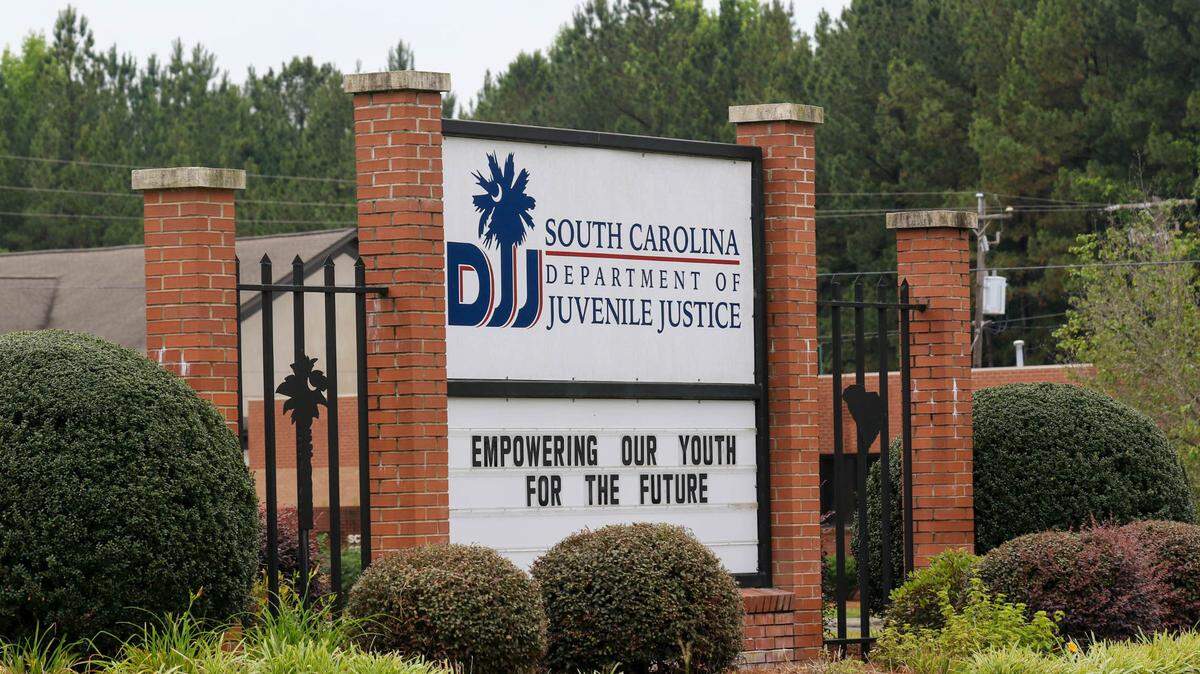
While working as a probation officer in South Carolina, Zakiya Mickle noticed a lack of opportunities for young offenders to complete their court-ordered service.
She began Sowing Seeds into the Midlands in 2013 to give children from Richland and Lexington counties the chance to complete court requirements and receive support from other community members through gardening.
“We see it as a redemption opportunity,” she said. “We’re saying, ‘Hey, we know you messed up, but that’s not really why you’re here. You’re here because we need you to help us out in the garden.’ ”
Nonprofit programs like Mickle’s struggle to bring enough money to fulfill their goals of curbing youth crime in South Carolina. Over 25,000 kids committed crimes in 2024, according to data presented to lawmakers. That data included about 2,500 weapons violations committed by those youths.
State lawmakers want to find a way to curb gun violence committed by young people. After two days of hearings this fall, state Rep. Brandon Cox, R-Berkeley, the leader of a special House committee on juvenile crime, said the public will be “extremely vital” for long-term efforts to reduce crime.
“We do need to make an investment in our community,” Cox said. “We need to get in front of this the best we can, and it’s not going to take legislators or staff or agencies. It’s going to take all of us.”
But local nonprofits can struggle to raise the necessary funding to do their work, advocates say. Mickle worked as executive director of Sowing Seeds for a decade, but it was challenging to raise funding for the programs. In 2023, she stepped away from leading the organization to work as a lobbyist.
“We were never even able to get the funding we would need for one year of all of our offerings, and it was unsustainable, personally,” Mickle said.
A committee of primarily Republican lawmakers expressed interest in providing state funding for nonprofits that could reduce gun violence earlier this month, in addition to introducing policies in January that could help drive down crime.
“I did hear a lot of things, especially last week when we had testimony from agencies and also from a lot of nonprofits that warmed my heart,” said state Rep. Heath Sessions, R-York. “Because there are folks out there, there’s nonprofit organizations that are out there, that I think they just need a little bit of funding.”
General Assembly searching for ways to reduce gun crimes
On Halloween, three teenagers were shot at a bonfire party in Blythewood. The shooting disrupted an “out-of-control event” of hundreds of unsupervised young people, said Richland County Sheriff Leon Lott on Nov. 12.
Tim and Deitra Troy told lawmakers Nov. 13 their 17-year-old son was injured at the party that evening.
“Halloween night, he went to go to a party with his girlfriend,” Tim Troy said. “They had matching outfits. Halloween night turned out to be our worst nightmare.”
Arrests of kids have generally grown between 2020 and 2023, according to a report from the University of South Carolina’s Children’s Law Center.
South Carolina state House Speaker Murrell Smith, R-Sumter, formed a committee to find short- and long- term solutions to reduce crime. Cox, the committee chair, said his focus was lessening gun violence. Fifty-five children died from guns in 2023 in South Carolina, according to a Johns Hopkins Bloomberg School of Public Health report. All gun deaths rose 60% in the state between 2014 and 2023, the report found.
Several state agencies, including the Department of Juvenile Justice and the South Carolina Law Enforcement Division and the public offered input. The committee then offered several policy changes, like adjusting law enforcement reporting requirements and how older teens are sentenced, to push forward in early 2026.
During several hours of public testimony, the committee heard from mentorship programs, like Sowing Seeds and Every Black Girl, that coach and provide resources to kids that could be at risk for committing crimes.
The input from the community, including the Troys, made Cox want to work more with groups trying to reduce crime. It’s work that costs money, Mickle said.
Currently, there is little funding for violence prevention groups in South Carolina. A 2022 one-time budget item gave $220,000 for nonprofits in disproportionately violent communities. Six “micro-grants” were handed out using that funding earlier this year.
“If it’s a community issue, you need to fund the community and let us do our jobs,” Mickle said. “Stop waiting for us to just do it for free, because we cannot do it for free because it’s work.”
Nonprofit organization Every Black Girl helps provide coaching and mentorship to young people and their parents. It’s important to make young people understand their importance and address their basic needs, like housing and food, said founder Vivian Anderson.
“A lot of our work is sitting around like: ‘what’s the issue and how do we solve it?’ and giving kids and young people the power and the tools and all the resources so they can start being problem solvers for the issues that are affecting their lives,” Anderson said.
But finding funding, including grants and donations, has been a struggle for Anderson. Plus, cuts to federal programs for diversity, equity and inclusion has indirectly impacted some of Every Black Girl’s funding streams, Anderson said.
The Troys told lawmakers they wanted to get more involved with nonprofits working to reduce violence. They also called for more support of community and after-school programs.
“We have to help them, because in this situation, it was my child,” Deitra Troy told lawmakers through tears. “But it really could have been anybody’s child. And if we can fund these programs, and it can keep one mother from receiving the phone call that I received that night, it’s worth it.”