
‘Parental rights’ effort aims to reclaim medical decisions from older teens in SC
South Carolina parents could gain more say on whether their 16- or 17- year old can seek mental health treatment, use birth control or receive a vaccine under a proposal in the state legislature.
Older teenagers can agree to health services without parental consent in South Carolina, which also gives them the option to keep those choices private.
But a proposed bill would require parents to sign off on medical care for their 16- and 17-year-olds, except for emergencies or first aid.
It’s a part of a broader effort to expand “parental rights” in the state, which also includes giving parents a chance to oversee public education curriculum and their children’s biometric data. The House Republican-backed effort argues parents’ ability to make decisions about their child’s healthcare is a “fundamental right.” The bill has support from high-ranking Republican House members, including Speaker Murrell Smith, R-Sumter, and Majority Leader Davey Hiott, R-Pickens.
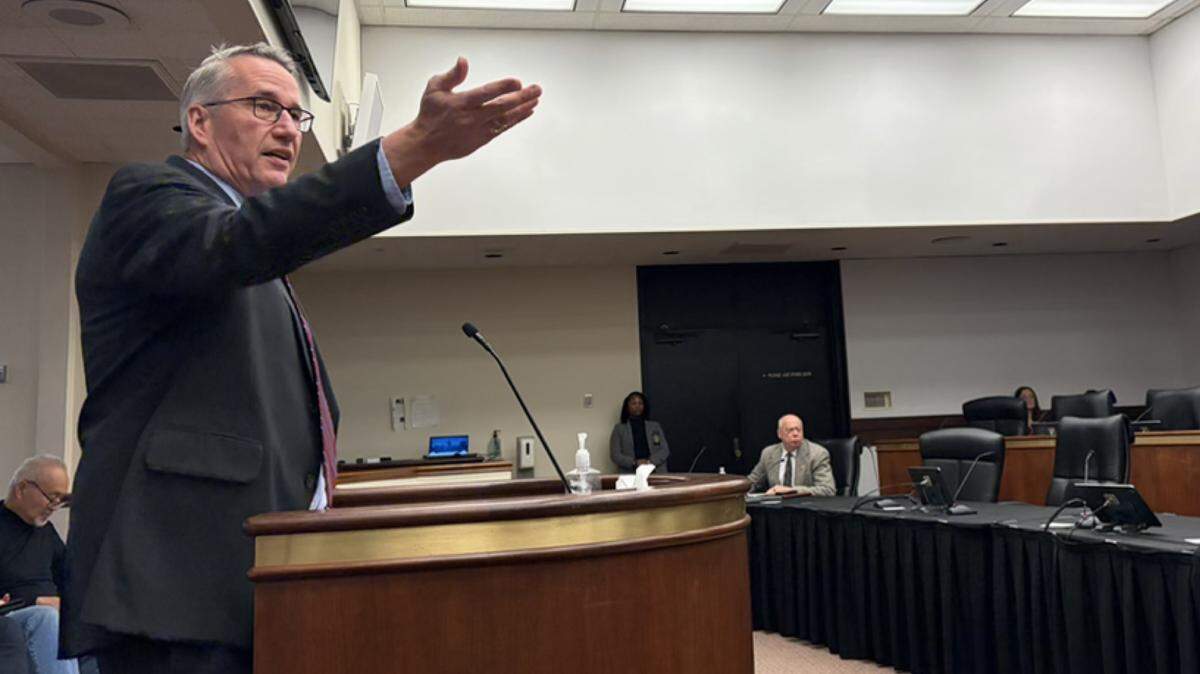
“Kids don’t always understand what’s best for them, especially when it comes to their health,” said Elizabeth Enns while speaking about the measure at a recent hearing. “That’s why parents are the ones who take their kids to the doctor, who notice changes in their behavior and make tough decisions when something is wrong.”
Enns is running for a seat in the General Assembly as a Republican, according to her Facebook page.
Parents testifying to House lawmakers were split over whether they wanted more control over their 16- and 17- year olds’ medical choices, but some opponents said the change would have a chilling effect on teenagers seeking mental and sexual health care.
While parents should be involved in conversations about their child’s health, some teenagers may not feel comfortable telling their parents everything, like when they need to test for sexually transmitted diseases, said Martha Edwards, the president of the South Carolina chapter of the American Academy of Pediatrics. Some parents may also block their older kids from getting vaccines before going to college or participating in sports where it’s required, she said.
“We love to work with parents,” Edwards said. “Our primary goal is always to work with parents as we seek to make the best medical decisions for a child. Sadly, there may be conflicts or challenges in the parent-child relationship that impact medical decision-making.”
But Republican lawmakers pushed back on that argument from critics, saying it was important for parents to be involved in medical decision-making, even when it is difficult.
“My perspective as a parent, I want that person providing support outside of the home to contact the person inside the home,” said state Rep. Heath Sessions, R-York. “And again, I know sometimes there’s sensitive conversations to be had. Those are difficult conversations to have.”
Requiring parental consent for medical treatment could also disproportionately impact LGBTQ+ teenagers who may not feel comfortable talking about their identity with their health care provider under the proposed rules, said second year South Carolina medical student Alex Fossum.
“Teenagers are people too, and they deserve a right to safety and privacy,” Fossum said.
Teenagers could still receive emergency care or first aid without permission under the bill. If they are 14 or older, a teenager could also receive prenatal, delivery or postnatal care without parental consent.
The measure passed a preliminary panel of lawmakers 4-2 and will now go to the House floor. The bill would also need approval from the state Senate and the governor before becoming law.