
Keeping intoxicating hemp in SC debate pits public safety against medical use
A former hemp farmer serving in the General Assembly and state law enforcement officials disagree over prioritizing public safety or legitimate medical uses in the debate over keeping intoxicating hemp products legal in South Carolina.
Although lawmakers agree high-inducing hemp products, like THC drinks and gummies, should be kept from children, they don’t agree on how to do that. Some want an outright ban, while others seek narrow regulation. Others, particularly a freshman House member with experience growing hemp, wants to regulate the industry but allow more products for adults and people with medical needs.
“The intent is that a minor in South Carolina doesn’t need to have access to these hemp drinks, period, any longer in this state,” said state Rep. Weston Newton, R-Beaufort, during a hearing on the bills last month. Newton chairs the Judiciary Committee and sponsored dueling legislative proposals regulating and banning hemp.
Law enforcement agencies made their opinions clear, arguing lawmakers should prioritize safety by banning or strictly regulating the product. They took issue with a proposed amendment from state Reps. Greg Ford, R-Dorchester, and Gil Gatch, R-Dorchester, expanding which products could be on the market and where they could be sold.
For Ford, a freshman member with just a few weeks in the General Assembly, neither option would allow his son to use a THC tincture, which helped treat his seizures. After Ford proposed a 28-page overhaul of the bill and told his personal story with hemp, House lawmakers sent the regulations back to committee, where it could receive more tweaking, and did not vote on a complete ban.
Ford said he previously grew, processed and sold hemp in South Carolina. His son’s seizures pushed him to get into the industry, Ford said. Ford told lawmakers he had to give his son, now 24-years-old, CPR after he had seizures at age nine.
“The reason he turned 24 is because we found a hemp product which covers these actual CBDs, THC products that is demonized by some in this body over here,” Ford said.
Primary concerns in the letters sent by the South Carolina Law Enforcement Division, South Carolina Police Chiefs’ Association and SC Sheriff’s Association include keeping high-inducing products from kids and preventing intoxicated driving.
“We do not want to see increases in overdoses, arrests and deaths that other recreational states have suffered,” wrote the police chiefs’ executive director John Jones. He said law enforcement personal in “these legalized states have encouraged us to continue our opposition due to the erosion their states face from marijuana and THC legalization.”
Marijuana is illegal in South Carolina for medical and recreational uses.
South Carolina’s intoxicating hemp industry has grown since the 2018 Farm Bill legalized production of hemp nationwide, as long as it does not more than 0.3% delta-9 tetrahydrocannabinol of its dry weight. That’s the chemical compound in marijuana that gives consumers a high.
Attorney General Alan Wilson also urged lawmakers to take up the more restrictive regulations on the products again Monday afternoon.
Last Wednesday, House lawmakers had two bills: a complete ban on intoxicating hemp or regulations that restricted the industry to just low-dose drinks.
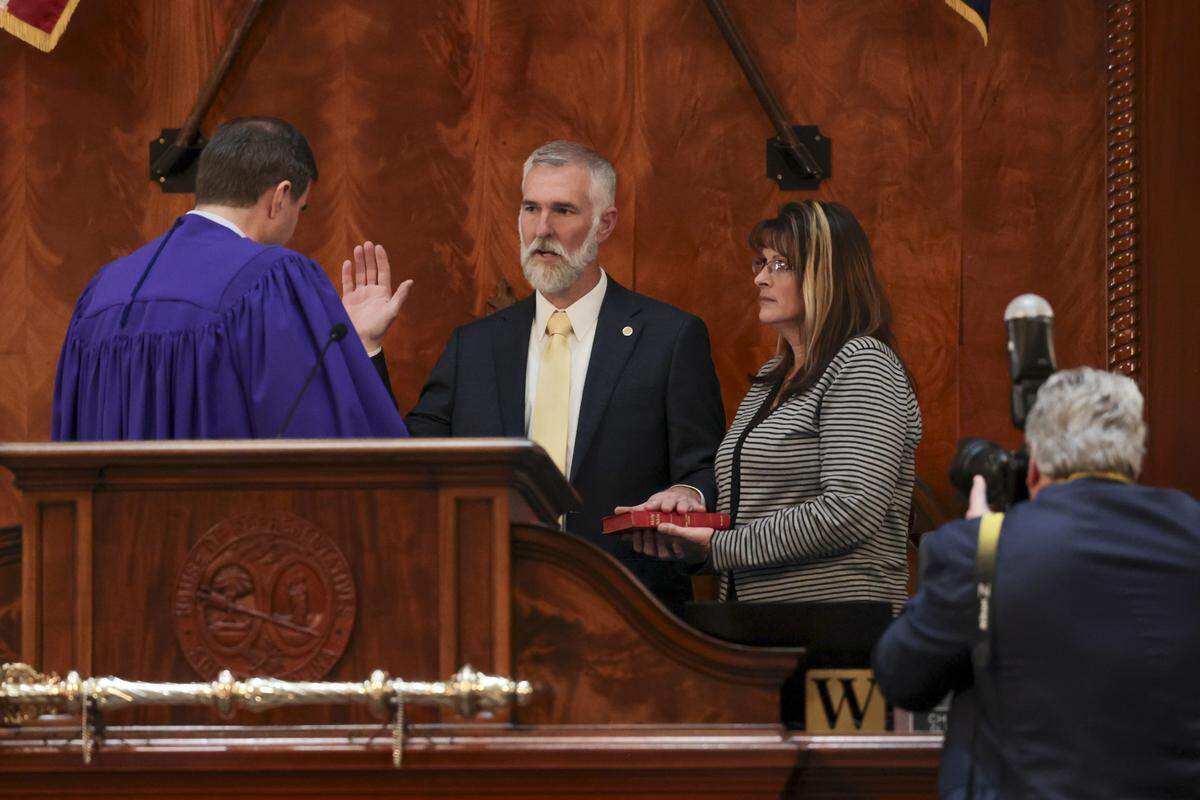
While debating the bill, Ford showed an image of his family, including his son, in the State House a few weeks earlier.
“Our goal is to make sure we had availability of these products for folks like my son,” Ford told reporters after the House floor debate. “There are others out there, other kids out there, and we just want to make sure we have that opportunity for parents.”
While House Republican leadership consistently voted against sending the regulations back to committee, some members of the Republican caucus, the hard-right House Freedom Caucus and Democratic lawmakers supporting reworking the bill.
State Reps. Seth Rose, D-Richland, James Teeple, R-Charleston and Gatch echoed Ford, arguing THC products could help people with seizures or PTSD. Teeple said he opposed THC until he saw a veteran who had committed suicide.
“I think about all the other little kids that can’t smoke and wouldn’t smoke,” Teeple said. “But gummies can help and be an alternative to opioids when you’re nervous, like my daughter when she goes to get put under for radiation or scans, and we are letting those people down tonight.”
Gatch also expressed concern for small business owners selling the products losing revenue over the bans or restrictions.
How will state regulate hemp?
Now, small businesses, corner stores and restaurants around the state sell drinks, tinctures or gummies that can give people a high. South Carolina does not regulate hemp, so children can legally purchase these products. There are also no testing requirements and no excise tax on the intoxicating substance.
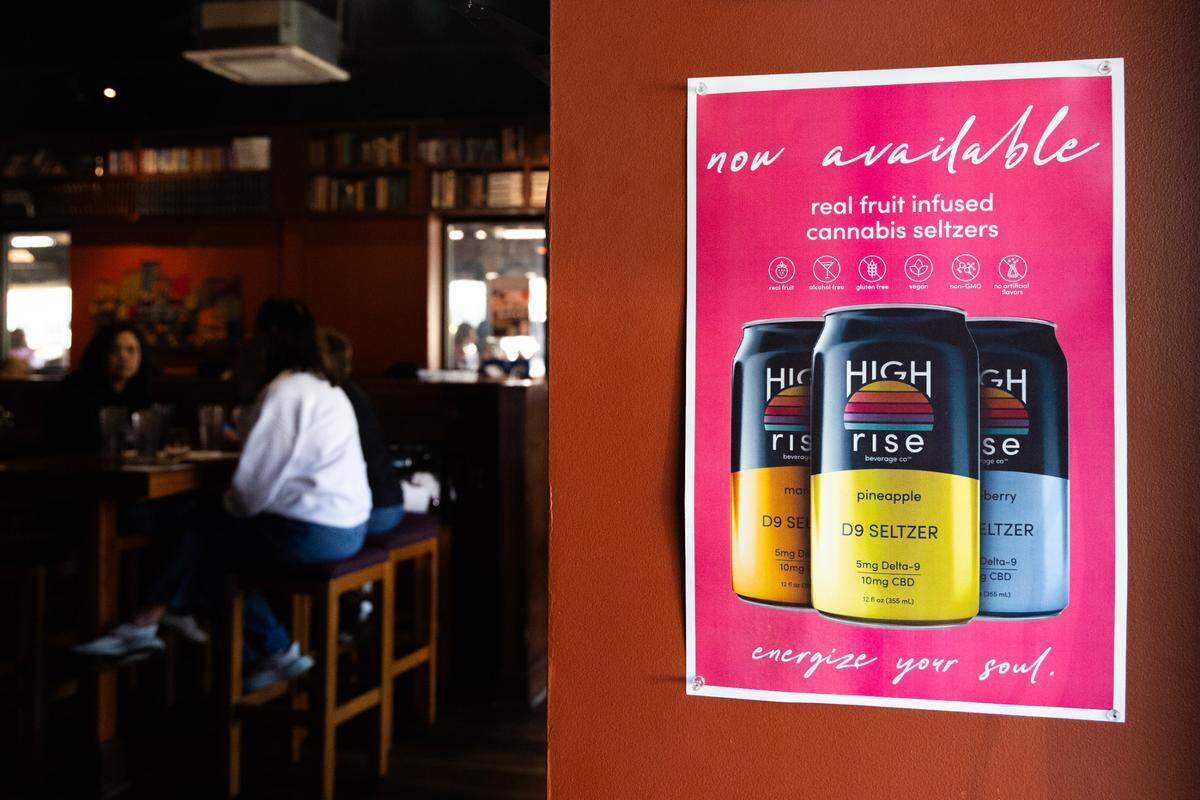
South Carolina lawmakers have said they are determined to regulate or ban psychoactive THC products this year. One House proposal would completely ban the products. But since the industry has already developed, Newton said it could be difficult to pass an all-out ban.
“My personal belief is that we will not be successful in implementing a ban. These products are in the mainstream in South Carolina today,” Newton said at a Judiciary subcommittee hearing last month.
House lawmakers did not vote to ban the products. However, state Rep. John McCravy, R-Greenwood, proposed an amendment to the regulation effectively banning all THC products, a measure that failed 32-78 in the House on Wednesday.
Another proposal would put strict regulations on the industry. Though the bill was sent back to committee, it isn’t dead, said state Rep. Brandon Newton, R-Lancaster last week.
The regulation added age restrictions, packaging rules, an excise tax on THC products and testing and licensing requirements. More contentiously, it would also ban all products besides beverages with a maximum of five milligrams of THC a serving, and the drinks could only be sold in liquor stores.
State Rep. Jay Jordan, R-Florence, said treating hemp-derived THC products like liquor would make it easier for the police to enforce the new law.
“When you start expanding the footprint by which you’re asking oversight on this particular industry or substance, now you’re making it incredibly difficult on that process,” Jordan said. “Whereas you already have liquid form and liquor stores, you already have an apparatus, a medium by which you can govern and police it, unlike if you just allow it to be sold in any other product in any other place.”
But Ford said the bill cuts off people and businesses who use the other products, like his son.
“We’re picking winners and losers,” Ford said. “...The one that has the liquid wins, the one that uses the gummies, the old lady, the older lady that knocked doors for me during my campaign that takes these gummies, she’s out. My son that takes tinctures, he’s out.”
Ford’s 28-page amendment would allow for most ingestible hemp products. It was largely opposed by law enforcement organizations Monday, even though it was tabled.
The Senate is still holding hearings on a separate bill regulating hemp-derived THC products, but it will likely not go to the floor until March, Majority Senate Leader Shane Massey, R-Edgefield, said last week.