SC’s Lt. Gov. has no job description. 2 governor hopefuls push plans for the role
When South Carolina changed the role of the lieutenant governor to no longer preside over the state Senate and to be chosen by the governor rather than running separately, it didn’t write a job description for the role.
The only specified role is taking over as governor if the state’s top executive dies, resigns or is removed from office.
Two Republican hopefuls for governor have already said how they would use the lieutenant governor.
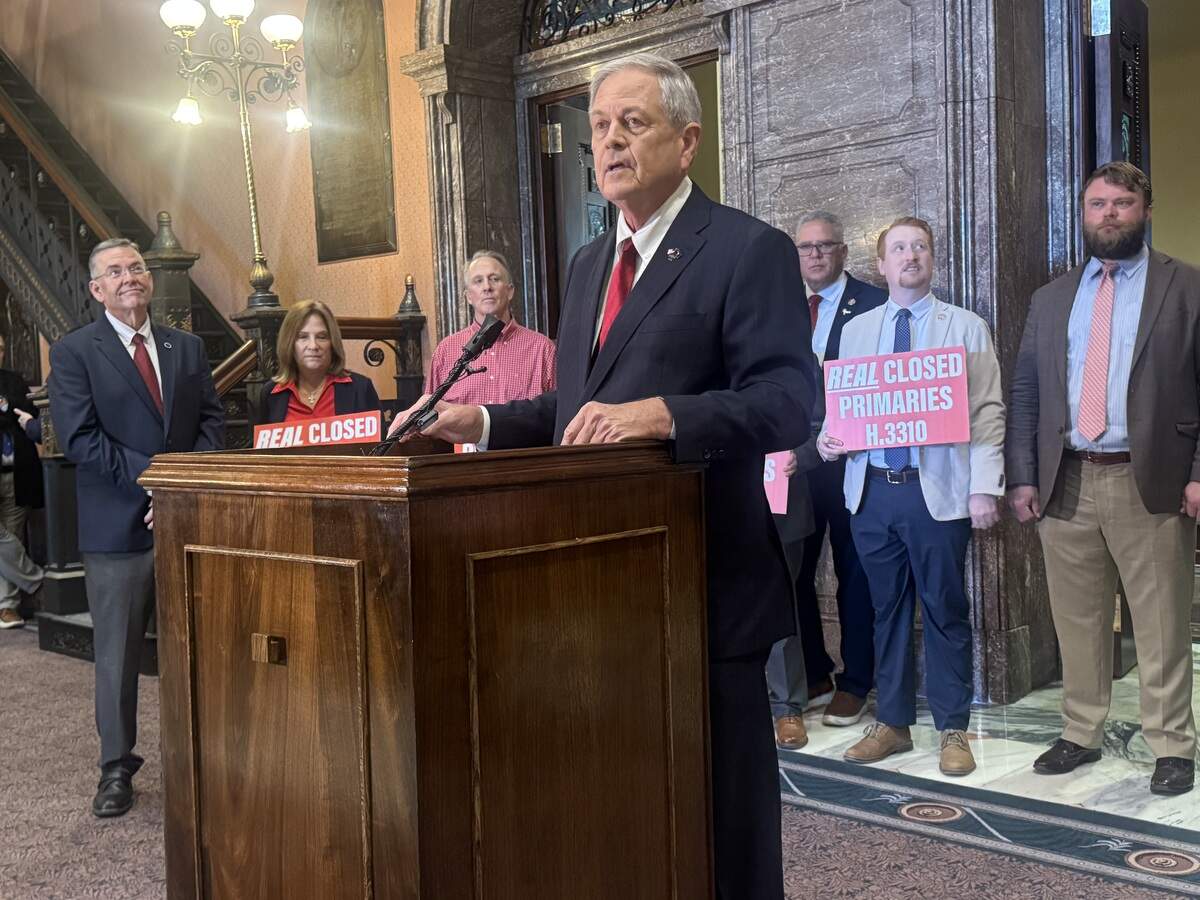
U.S. Rep. Ralph Norman said his lieutenant governor would be the “roads czar,” touching on an issue South Carolinians like to complain about, the conditions of roadways.
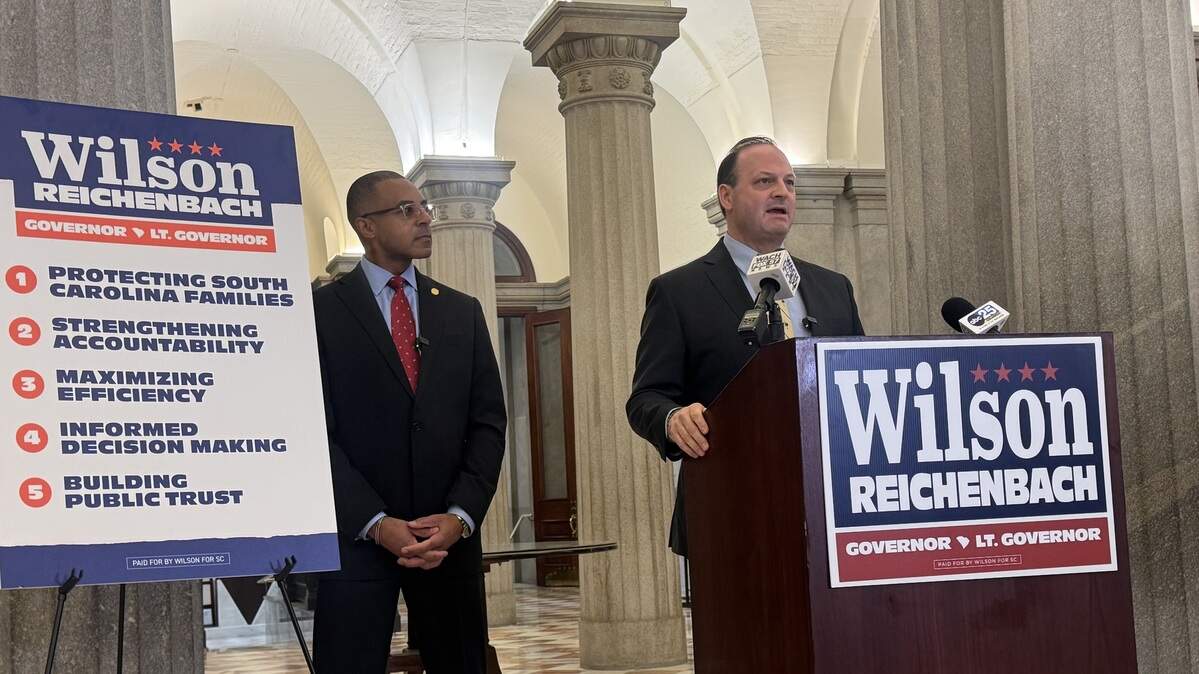
Attorney General Alan Wilson, who named state Sen. Mike Reichenbach as his running mate, said his lieutenant governor would oversee independent performance audits of state agencies.
The lack of specificity allows the governor to define the role as he or she sees fit.
“Part of the reasons you pick this person or that person is because of the experience and the talents, but every year is different,” said Gov. Henry McMaster, who was the first governor to pick his running mate. “The two office holders have to get along, and they have to focus on the things that they need to be done.”
Running audits
Wilson is the only hopeful for governor to name a running mate. Bringing Reichenbach on board allowed Wilson’s campaign to receive a news bump in January, and double efforts at fundraising and speaking to voters.
The role described by Wilson for his running mate if they’re elected piggybacks off of Reichenbach’s experience as an accountant. He worked on an internal audit team for a Fortune 500 company before he went into the auto dealership business.
“We would go in before there were issues, to figure out how we can be more efficient, how we can optimize operations better and run companies better,” Reichenbach said. “Why shouldn’t the government approach business from this aspect the same way, where don’t just be reactive, be proactive.”
Wilson calls his plan the Families First Audit Initiative, where the lieutenant governor would lead a group that includes the state auditor, the state inspector general’s office, the Legislative Audit Council, among other stakeholders to find and propose reforms.
“We want them to have a seat at the table,” Wilson said. “Then this initiative, this audit initiative, is going to basically identify what major structural reforms in government need to occur. Then it’s going to recommend a roadmap to the General Assembly for passing legislation that will allow us to initiate those reforms.”
Wilson added the group would include recommendations to sunset out of date and archaic regulations and recommendations of what technologies to use.
Wilson and Reichenbach said the move would be aimed at protecting families, strengthening accountability, maximizing efficiency, making informed decisions and building public trust.
Wilson also called the lieutenant governor job ceremonial in the way it is set up now.
“Looking through the windshield, we’re going to look at ways to make the role of the lieutenant governor more prominent,” Wilson said. “We’re going to actually give the lieutenant governor actual statutory roles and responsibilities, and those are things that will come out of this initiative.”
Look to the roads
Fixing the state’s road infrastructure to keep up with growth and to improve safety on the highways has been an ongoing issue in South Carolina for years.
Norman, who was a developer before he was elected to Congress, is using that issue to promote how he would use the lieutenant governor’s office.
He wants to have his lieutenant governor work as chief liaison between the governor’s office and the department of Transportation as a “roads czar.”
Norman’s comments were part of his overall plan, which includes an agency-wide audit, giving control of local roads back to county governments and increasing how much is spent on roads while cutting other spending
He rolled out his plan accompanied by members of the hard-line conservative SC House Freedom Caucus, who have advocated for more money to go toward road work in the state.
“The day’s going to stop when the lieutenant governor is cutting ribbons, blowing bubbles and kissing babies,” Norman said. “Their priority will be roads, pure and simple. That’s what they will wake up every morning concentrating on. We will execute this office, and they will be the lead one to make this happen.”
What the current Lt. Gov focused on
On the campaign trail Lt. Gov. Pamela Evette, who is also seeking the Republican nomination for governor, talks about what she first did when she became lieutenant governor. It was the first time she had been elected to an office, and she was the first person to serve in the role under its current iteration.
“When I first became lieutenant governor. I didn’t know what the job entailed, because it was a whole new job,” Evette said.
Previous lieutenant governors presided over the state Senate and oversaw the Office on Aging.
For Evette, with no playbook on how to handle the job in its new role, she decided to spend some of her time meeting members of the General Assembly.
“I’ve spent the last seven years making relationships with people in the General Assembly, telling them what is passionate about the governor and I and what we want to get done, and I want to know what they want to get done here. How do we work together,” Evette said during a campaign stop in Camden in October.
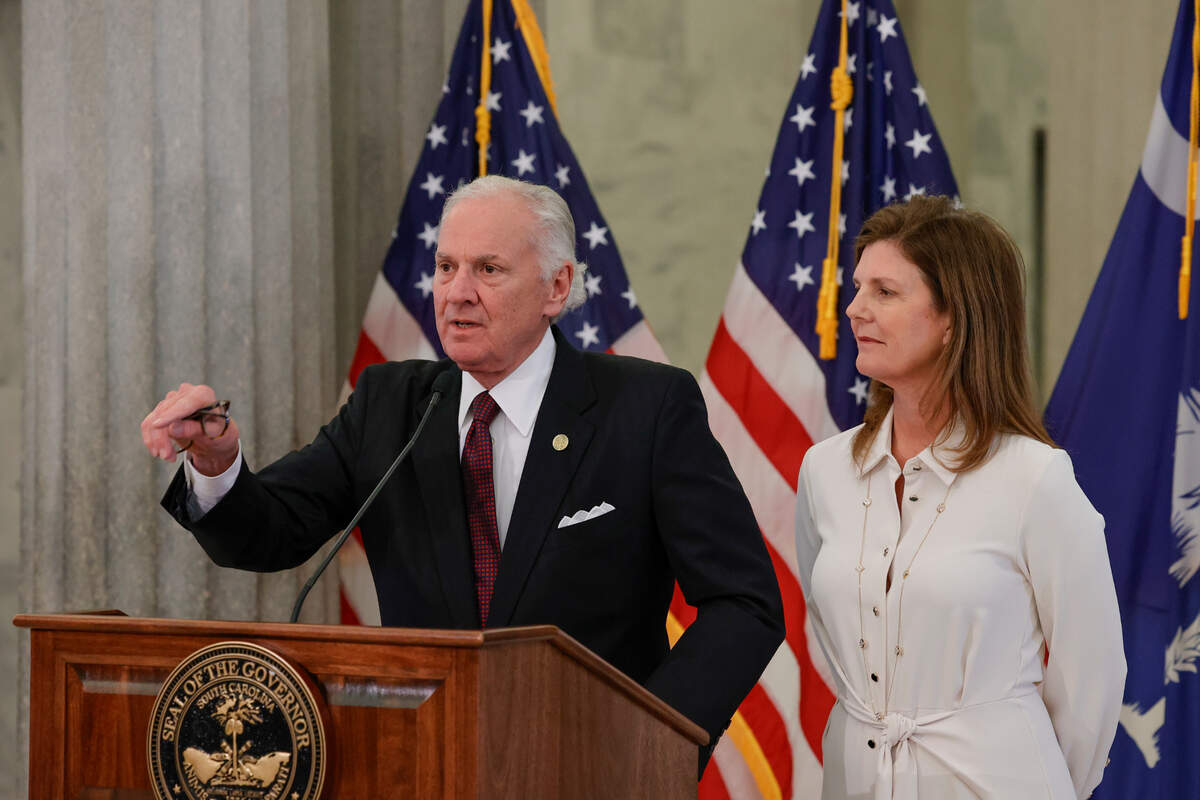
McMaster said he picked Evette because for her business expertise to be his “eyes and ears” of business needs in the state.
“He said, ‘I want a business person. I want somebody with a fresh set of eyes. I want somebody that can come down to Columbia and look at everything and not be tied to anything. I want you to travel the state. I want you to talk to businesses, and I want you to find out what we’re doing good and what we need to change.’” Evette said.
McMaster was the first governor to be able to pick his lieutenant governor.
He added that a governor needs to have flexibility in how he or she uses the lieutenant governor office because of the times and issues.
“It’s a part-time job, as you know, pays part-time pay, but she’s done a great job doing that, and also the one of her interests and mine is the cultural and natural heritage, the conservation, and she’s been a real leader in that, not only here, but with her colleagues around the country.”