What’s in the $15.4B spending plan the SC House passed? Pay raises and tax cuts?

Teachers would get a higher starting pay, state employees would get a raise and South Carolina residents would be on track for an income and property tax cut, under a budget passed by the House.
The South Carolina state House Tuesday passed a $15.4 billion spending plan, which raises teacher pay, gives state employee a pay raise, and prepares for an income and property tax cut.
Passage of the budget came mid-evening Tuesday, rather than a late night vote that many had been prepared for.
“Everybody agrees sort of the priorities that this budget represented were well represented in the budget the way it was,” House Ways and Means Chairman Bruce Bannister told reporters Tuesday night. “So, even if you could argue you wanted one to get more attention than the other, everybody had something in this budget where they could look to it and say, Hey, that’s a really, good idea. I think that’s something that was worthwhile.”
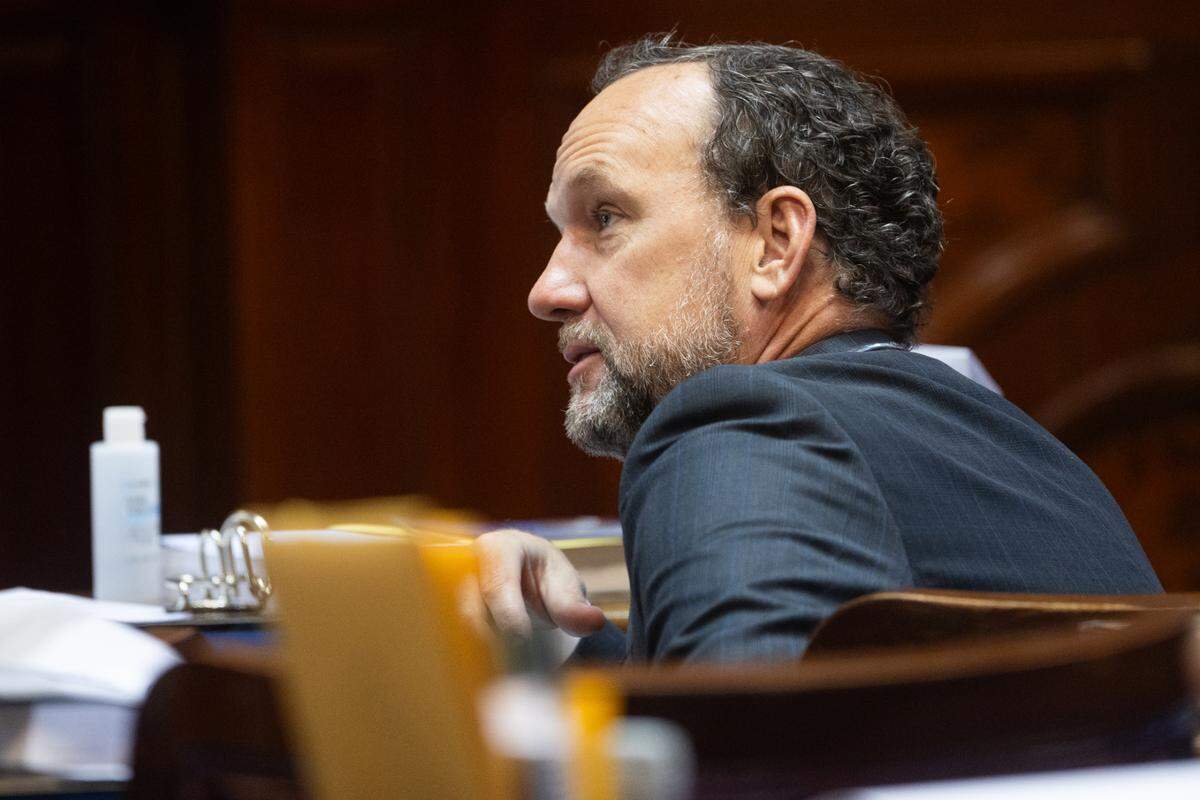
The budget will head to the state Senate for its consideration. The full Senate Finance Committee is scheduled to review the budget the week of April 7. The full Senate is scheduled to debate the budget the week of April 21.
Budget writers included a 2% across the board raise for state employees and spending an additional $33.9 million to make sure those on the state health plan don’t see an increase in their premiums for the 13th year in a row.
The House took $119 million off the top of expected revenue to pay for an income tax cut, which is part of an income tax reform package under consideration by the General Assembly.
The House also late Tuesday agreed with the state Senate changes on an income tax reform package, which calls for an even larger income tax cut. It will have to be taken into account when the budget is reconciled with the Senate.
The tax cut plan brings the top marginal rate to 5.21%, which is lower than the 5.39% originally adopted by the House last year.
The income tax legislation would phase out the state’s income tax as long as revenues continue to be high enough. Under the proposal, the state would have a two-tiered system with the first $30,000 of a person’s taxable income taxed at 1.99%.
“We’ll have the benefit of, kind of seeing where the economy is going, for H2,” Bannister said referring the House’s second look at the budget after it returns from the Senate. “If there’s going to be additional money, we’ll have some idea that that’s a likelihood which could make up the difference.”
Most Democrats and members of the hard-line House Freedom Caucus were against the income tax plan because it raised taxes on 22% of filers, even though over time it is meant to set the path toward eliminating the income tax.
“This bill will raise taxes on working people in order to give a tax cut to the wealthiest South Carolinians,” the Democratic caucus said in a news release. “While Democrats recognize the need to reform the tax code and lower the tax burden for all South Carolinians, we refuse to do that at the expense of middle class families.”
House members also included $130 million toward a property tax cut, but that will have to be negotiated with the Senate, which wants a nearly $248 million property cut through an increased senior homestead exemption.
The House’s budget includes $150 million to increase every cell of the state’s minimum teacher salary scheduled by $2,000. It would raise the starting salary to $50,500. Raising teacher pay has been seen as helping reduce the number of unfilled teaching positions in the state.
The House also approved spending $23.2 million more on the educational scholarship trust fund, which allows families to use public money to help pay for private schools or to send their children to other public schools. The money would expand the program to 15,000 students up from 10,000 students.
People who rely on SNAP benefits that were cut won’t see the state government backfill the federal assistance, at least not under the House budget passed this week.
House members adopted a budget that includes more money to help with administrative costs and cut down on the error rate in benefits. Budget writers included $34 million for the Department of Social Services to hire more staff to make sure people who need the assistance are receiving it.
But making up for how much could be lost because of the One Big Beautiful Bill Act was not included in the House budget plan.
“There are things that the federal government’s not going to pay for anymore, but we’re not going to backfill those. We’re not back filling federal programs, those are going to go away. If the Feds want them to go away,” Bannister said.
Budget writers included $26 million toward an adjusted tuition mitigation program for colleges to freeze tuition rates. The additional $26 million a year to colleges and universities is closer to what the governor proposed. Gov. Henry McMaster has been calling on colleges and universities to save on costs.
Even though the amount of money sent to the universities is larger, the growth in tuition mitigation dollars is half the size it grew last year, when not including money allocated to the Medical University of South Carolina for tuition mitigation.
Most of a university’s budget comes from sources from other than the state budget. Under the House’s tuition mitigation program, tuition would be frozen for in-state students and schools would have to identify and suspend admissions to at least half of its academic programs that operate at a financial loss for at least four academic years. The intention is for schools to focus more on science, technology engineering and math programs.
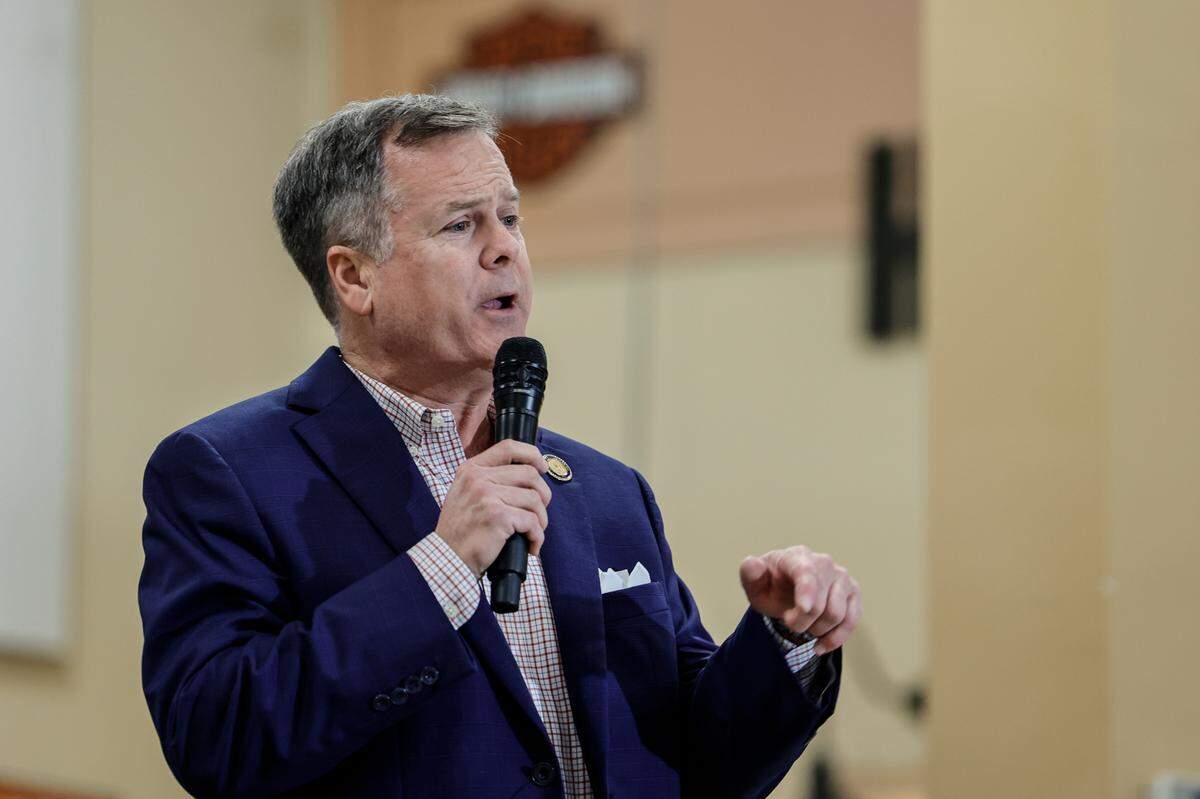
“Either people aren’t taking (the courses) or they’re not being employed or staying in the state afterward,” state Rep. Nathan Ballentine, R-Richland said.
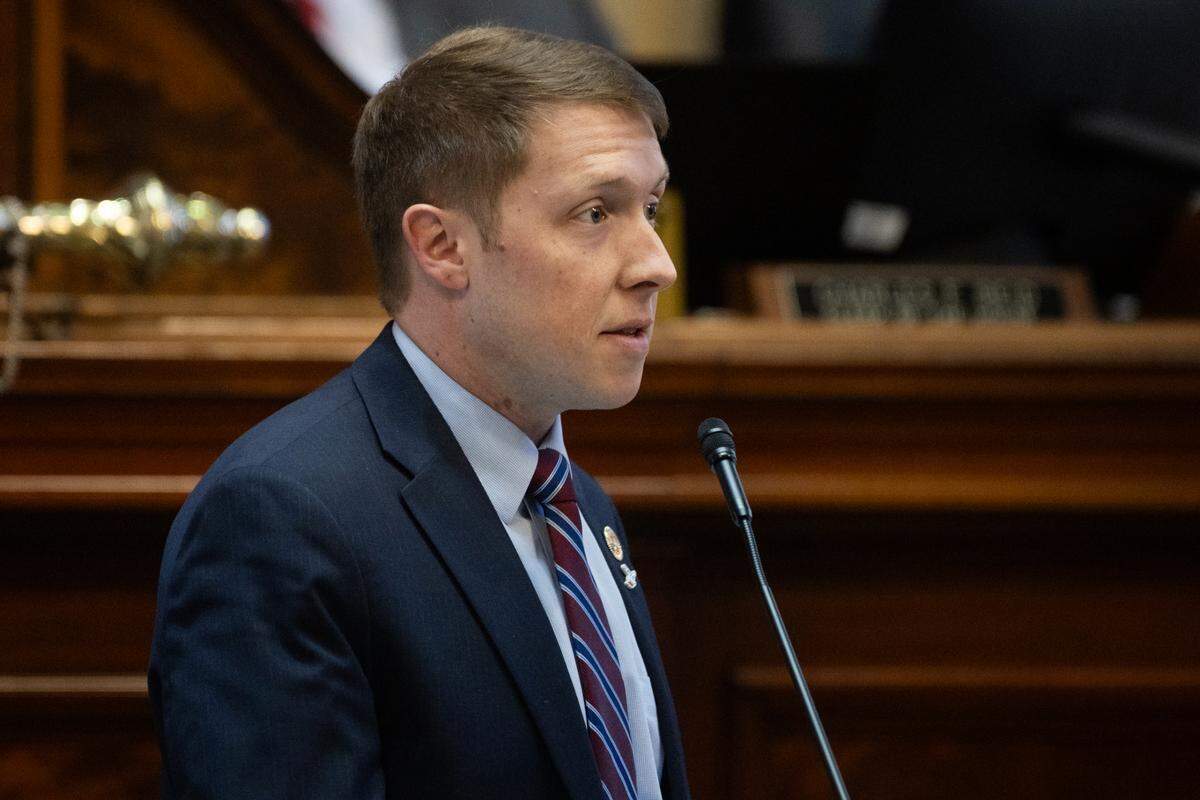
Still the Freedom Caucus tried to cut more than $400 million in spending away from what it says are not core functions of government. But state Rep. Jordan Pace, R-Berkeley, the chairman of the Freedom Caucus took credit for some of the moves made by budget writers.
He pointed to money for county transportation committees, money for bridges and reviews of whether to keep funding vacant positions.
“A lot of the things we’ve been fighting for the last few years, the reason we make this big, huge battle for several days in budget week is to get things, frankly, in future years, budgets is the way that’s turned out,” Pace said.
Also in the budget
- An additional $102 million a year for maintenance of effort in the state’s Medicaid program.
- $249 million for bridge modernization ($49 million of that cash would be annual dollars
- $125 million to accelerate the interstate work.
- $100 million to county transportation committees
- $1 million for transition costs for the next governor’s administration.
- $175 million for a comprehensive cancer hospital at MUSC
- $90 million for a state match for FEMA declared disasters