Pushing for larger cut, SC Senate ups the ante on proposed income tax reform
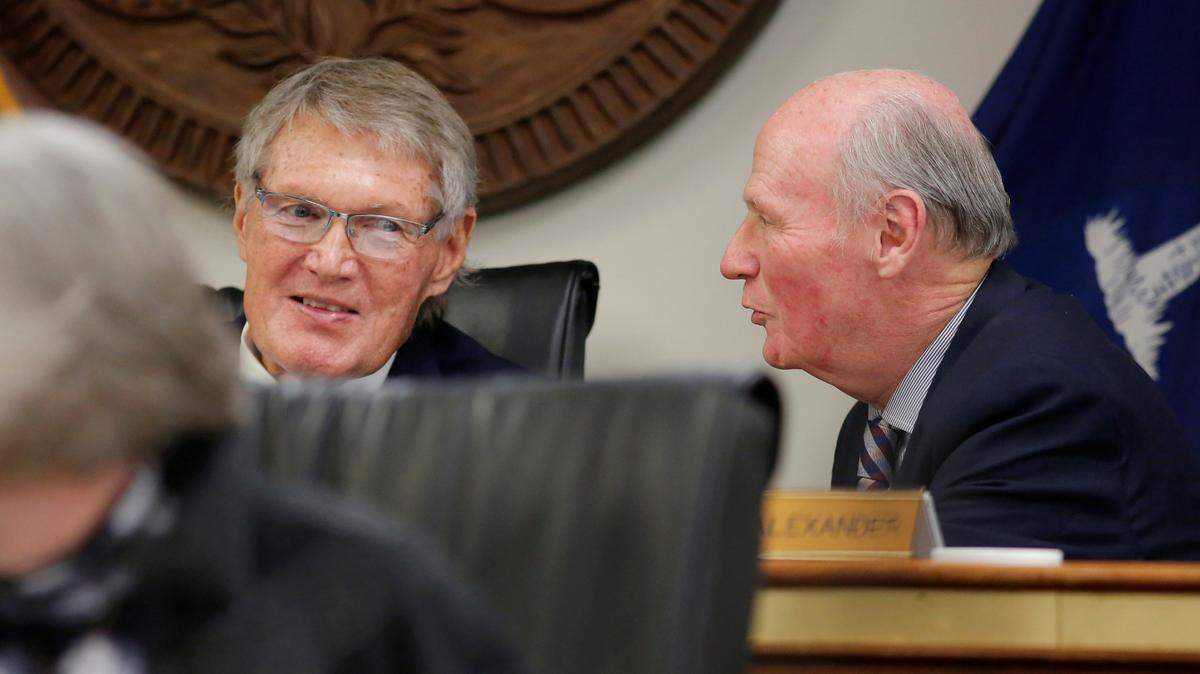
The state Senate found a way to make sure its budget chairman wasn’t going to be outdone when it came to tax cuts, again.
The upper chamber Tuesday passed a tweaked income tax reform bill that is aimed at eventually eliminating the state income tax. The bill is expected to be sent back to the House after a perfunctory third reading Wednesday.
The Senate plan brings the top marginal rate to 5.21%, which is lower than the 5.39% adopted by the House last year.
It will cost the state an additional $189.6 million next fiscal year, on top of the $119 million the House plan adopted.
The income tax legislation would phase out the state’s income tax as long as revenues continue to be high enough. Under the proposal, the state would have a two-tiered system with the first $30,000 of a person’s taxable income taxed at 1.99%.
The higher rate would be reduced, and eventually eliminated, as long state income tax revenues to grow enough.
The move by the state Senate will force the House to reconsider the income tax bill.
The House Ways and Means Committee’s proposed $15.4 billion budget takes into account the tax structure it passed last year, which would keep about $119 million out of state coffers next fiscal year.
The state also would start using adjusted gross income rather than the lower federal taxable income to calculate how much people owe.
Because of the switch to adjusted gross income, some people will see an increase in how much they pay in income tax.
Under the House plan, 690,000 of state income tax filers would see an increase. Under the Senate plan, 624,000 filers would see an increase.
“You had a lot of people who were going to face a tax increase. This reduces that number,” state Sen. Lee Bright, R-Spartanburg, said while speaking about the amendment passed quickly on the Senate floor Tuesday.
The Senate plan also lowers the impact on filers who have up to $30,000 in adjusted gross income. On average, those filers would see an increase between $5 and $38. Under the House plan, those filers would see an increase between $11 and $41.
Under the Senate plan, those earning between $150,000 and $200,000 would see an average increase of $168. That income rage in the House plan would see a $173 increase on average.
The amendment was supported by Finance Committee Chairman Harvey Peeler who likes to repeat no one out tax cuts him.
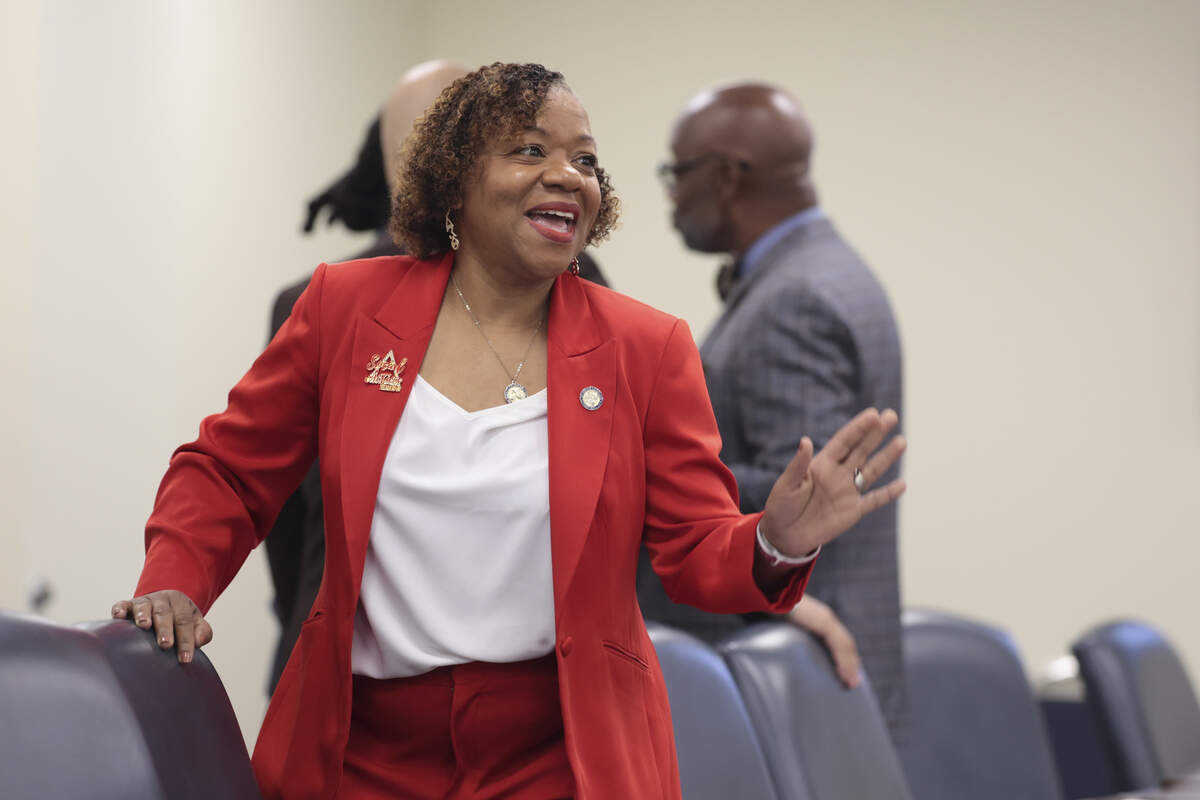
State Sen. Tameika Isaac Devine, D-Richland, was one of five senators who voted against the income tax bill. She called the acceleration that was pushed on the Senate floor Tuesday, “bad tax policy,” while adding the move was reckless.
“You’re rushing to get something passed just to say you got something passed. It favors wealthy taxpayers. It’s not something I would be against if we were more thoughtful about it, and if they would have slowed it down,” Devine told reporters Tuesday. “Just understanding what it’s going to cost, I would have rather put that money into resources we need in the state.”
Determining which tax income tax plan to go will probably be finalized after the House completes its first debate on the annual budget scheduled to take place the week of March 9.
“Our goal would be that’ll be a top priority, getting the income tax solved,” Ways and Means Chairman Bruce Bannister said Tuesday afternoon.
”We just are trying to, digest all that and how the budget would work, and how we would manage that, and actually have a budget at the end of the year,” Bannister added, referring to both the income tax plan and a property tax cut plan sent over by the state Senate.
A property tax cut
Last week the state Senate sent the House a property tax cut bill aimed at helping seniors stay in their homes.
Under a plan passed last week, the senior homestead exemption would be $75,000 for residents 65 and older who have lived in the state for at least five years. The exemption would increase to $150,000 for residents who have lived in the state for 10 years. Those seniors who currently receive the $50,000 homestead exemptions also would be grandfathered in.
“Thanks to conservative, fiscal leadership, South Carolina’s economy is booming. This bill aims to honor the parents and grandparents who went before us and ensure that they’re not left behind, saddled with the costs of rapid growth,” state Sen. Danny Verdin, R-Laurens, said in a statement.
The Senate’s property tax proposal is estimated to cost the state $247.7 million according to an estimate from the Revenue Fiscal Affairs office.
When coupled with the larger income tax cut, the Senate is proposing to keep $556.4 million out of state coffers next fiscal year.
House budget writers also budgeted some money for the property tax cut being pushed by the state Senate. They set aside $130 million, but not the full amount needed to pay for the increased homestead exemption.
“We’re trying to send them a strong signal that we’re in favor of that we’d like to see something done, and at the same time, work through the unknown,” Bannister said.
Bannister told reporters last week a resolution on the property tax cut would probably need to be worked out when the budget is finalized in a conference committee.
Whether the differences in the proposed income tax structure also needs to wait for a conference committee later this year remains to be seen.
.jpg "bannister peeler (1).jpg")