
SC’s McMaster vetoes secret NIL revenue-sharing pay for college athletes. Here’s why
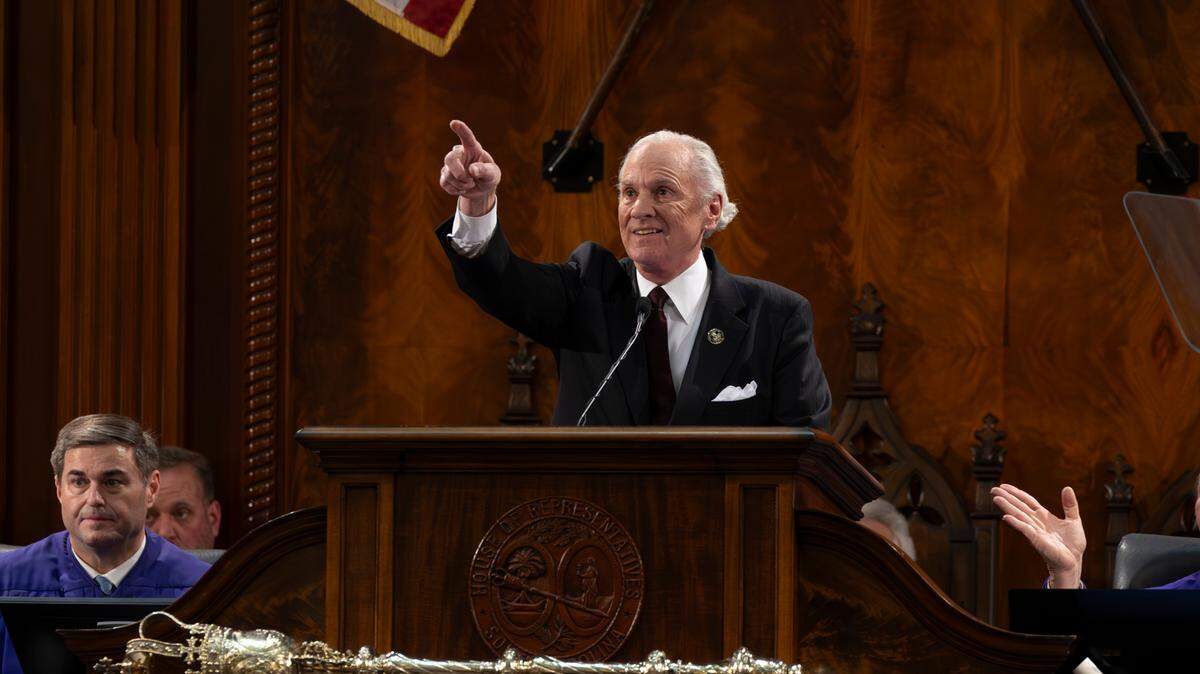
South Carolina Gov. Henry McMaster vetoed a proposal to keep NIL revenue-sharing payments a secret from the public Wednesday evening.
Advocates of the legislation, including the University of South Carolina and Clemson athletic departments, argued making Name, Image and Likeness contracts public would prevent schools from recruiting top talent and make the programs less competitive. But McMaster said the bill’s provision shielding how much an athletic program spends on individual sports went too far.
The bill exempts contracts struck between universities and student athletes from state open records laws. It also exempts schools from disclosing how much it spends on individual sports teams.
McMaster said in the veto message he would sign a bill that allowed individual student contracts to be kept secret but made spending on teams public. Essentially, the public would know how much a school spends on NIL revenue-sharing contracts for its football team and women’s basketball team but not how much the starting quarterback or point guard earned.
McMaster has been skeptical of NIL revenue-sharing programs, which allows college athletic programs to pay athletes. The governor had also been critical of the fast-tracked bill allowing NIL revenue-sharing to be kept secret from the public.
“I think it hurts college football, particularly,” McMaster told reporters last week. “On the other hand, that is the direction that this ocean is going, and we don’t want to put ourselves at a disadvantage, but there needs to be some action taken at some point, perhaps at the federal level, to clean this mess up.”
The General Assembly could still override McMaster’s veto. The bill had near unanimous support, 111-2, in the House and passed 30-13 on the Senate’s second reading of the bill. It would need support from a supermajority in both chambers to become law.
“I fully expect our legislature to lead and overwhelmingly override the governor’s veto,” state Rep. Seth Rose, D-Richland, told The State on Wednesday night. “This legislation is about not allowing our competitors in other states to have an unfair advantage. It’s incumbent on us to not allow that to happen.”
Schools participating in revenue-sharing are allowed to spend up to $20.5 million in the 2025-26 school year on payments under the NCAA settlement enabling universities to pay student athletes from the school’s revenues. That’s in addition to the millions private organizations or booster clubs can pay students while luring them to an athletic program.
NIL revenue-sharing began over the summer, prompting open-records advocate Frank Heindel to ask USC how it doled out revenue-sharing money to its student athletes. The university denied the request, and Heindel filed a lawsuit in state court last September over the public’s right to the information.
Since the universities were a party to the revenue-sharing NIL contracts, payments to athletes were public record, Heindel argued. At the request of the General Assembly and USC, Circuit Court Judge Daniel Coble of Richland County put on hold the case to decide whether USC was required to reveal its payments.
The bill was fast-tracked through the General Assembly this year and received no public hearing in the House. After an initial vote on the measure, Senators briefly held up the legislation to ask athletic directors from Clemson, USC and Coastal Carolina if any payments from tuition or state funds were made to athletes.
Following the veto Wednesday night, the University of South Carolina reiterated its support for the legislation.
“We believe it [the bill] is essential to protecting the privacy of our student-athletes while also ensuring South Carolina athletics programs are not placed at a significant disadvantage compared to other programs across the nation,” a spokesperson for USC’s athletic department wrote in a statement to The State.
This story was originally published March 11, 2026 at 7:53 PM.