Pristine coastal land would be saved under $32M deal. But budget issues remain in SC
A pending $32 million legal settlement would forever protect one of South Carolina’s most visible stretches of barrier island after more than two decades of legal disputes over plans to develop high-end homes there.
But the state Legislature still has to approve money for the settlement to preserve Captain Sam’s Spit, and one of the state’s most influential senators – Harvey Peeler – isn’t in favor of the deal. The settlement, approved by the State Fiscal Accountability Authority, would end the legal back-and-forth that has kept Captain Sam’s future in limbo since the 1990s.
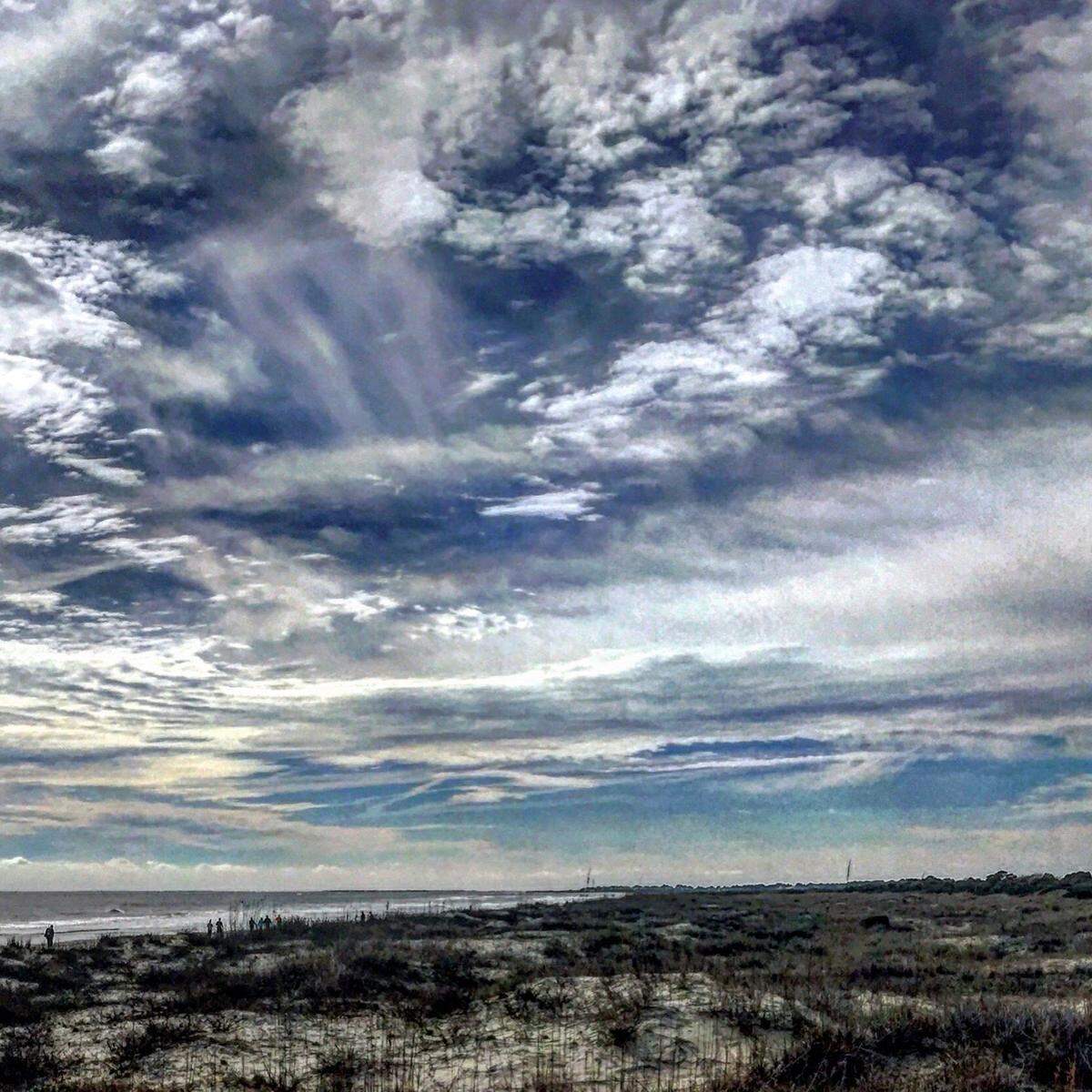
Captain Sam’s Spit, at 170 acres, is a tear-drop-shaped area of dunes and beach between the Atlantic Ocean and an inlet behind Kiawah Island. Captain Sam’s is connected to the rest of Kiawah Island by a narrow strip of land.
The spit is widely regarded by conservationists and outdoor recreational users for its wildlife, tidal creeks and sweeping views in the area south of Charleston. Hundreds of species of birds have been spotted there through the years, and it is considered an important habitat for sea turtles and for resident dolphin populations.
Captain Sam’s Spit also is one of the few sections of Kiawah Island where the public has access to the beach, the marsh and to high ground. Much of Kiawah is gated and available only to those who live, work or vacation there. At one point, there were plans to limit public access to Captain Sam’s.
Settlement payment requires approval
The State Fiscal Accountability Authority on Tuesday approved paying $32 million toward the settlement to resolve the yearslong litigation from Kiawah Development Partners, a collection of developers who wanted to build 50 luxury homes on Captain Sam’s Spit. As part of the deal, the town of Kiawah Island is putting in $3.7 million and The Conservancy of the Sea Islands will put in $1.3 million.
Fiscal authority members supporting the settlement and protection of Captain Sam’s spit included Gov. Henry McMaster, state Treasurer Curtis Loftis, state Comptroller General Brian Gaines, and House Ways and Means Chairman Bruce Bannister.
One member of the five-member panel, however, voted against the deal: Senate Finance Committee Chairman Peeler. Peeler did not elaborate on whether he thinks the price is too high, but his committee is set to finalize a spending proposal next week.
“I don’t want to throw in the towel,” Peeler said.
The House included the $32 million for the settlement in the budget proposal it approved in March. The Senate still needs to approve its own version and the differences will have to be resolved during a conference committee before a final deal is voted on by the General Assembly.
While some might question the cost of the settlement, others said it will reduce liability that taxpayers now face and ensure one of South Carolina’s natural treasures remains wild and free of development.
“As far as this being a natural resource, its value is unquestionable,’’ said Amy Armstrong, who runs the non-profit S.C. Environmental Law Project and has personally been involved in legal fights against the developers for the past 18 years.
If the money isn’t included in the 2026-27 spending plan, which will begin July 1, the state attorney general’s office would go forward in defending the state in litigation by the Kiawah partners.
Emory Smith, a lawyer for the attorney general’s office said the state would be at risk of losing $200 million, plus additional fees. Developers had been seeking $200 million in compensation from the state for their inability to gain necessary permits to build at Captain Sam’s.
“We certainly are prepared to defend, but our recommendation is that the settlement resolves the uncertainties that are inherent in any complex litigation, and does so on favorable terms to the state and to the public,’’ he said.
As part of the settlement, the interior portion of the land would go to the Department of Natural Resources and put into a heritage trust protected status. All of Captain Sam’s Spit would be put into a conservation easement, although most sections of state beaches are already legally considered public property.
Another portion would go to Kiawah Island and be a part of Beachwalker Park, which will be place under a conservation easement. The park is now leased by the landowners to Charleston County for use by the public, but the deal guarantees the park would not be developed in the future because it would be publicly owned.
“We recommend this settlement. We believe that it resolves pending litigation in a fair, responsible manner,” Smith said.
Court battles over Captain Sam’s
Captain Sam’s beauty attracted the eyes of developers in the mid-1990s, when they began mobilizing to build the 50-or so upscale homes on about 20 acres. Developers argued that they would be sensitive to the environment during construction and would preserve much of the spit’s natural landscape.
Still, conservation groups launched an array of efforts opposing any development. That opposition involved lawsuits that ended up in the state’s court system.
Conservationists argued that Captain Sam’s is a perfect example of what not to develop: an erosion-scarred area vulnerable to storms at a time when sea levels are rising.
Environmentalists have won multiple key victories in the state’s court during the past 15 years, but appeals have ensued.
In 2021, the S.C. Supreme Court dealt a major blow to those wanting to develop Captain Sam’s. The court ruled against a so-called “gargantuan’’ seawall to protect the marsh side of the island from eroding. The court said the public has the right to enjoy the natural environment at Captain Sam’s.
The case didn’t actually end then, and negotiations have been under way on a settlement.
Developers have for more than 15 years pursued a “takings” case,’’ which could have exposed taxpayers to the $200 million in liability, Smith said. Takings cases typically are brought by people who want to develop property, but are stopped by government action. The idea is to make the government pay for taking away use of property through laws or permit denials.
Kiawah Development Partners is one of multiple names known for the Captain Sam’s development group, whose owners have headquarters in Charlotte and Charleston.
This story was originally published March 31, 2026 at 3:55 PM.