
SC’s utility could be paid $2.7B for V.C. Summer. Will it lower electric rates?
Customers of South Carolina’s state-owned Santee Cooper have been paying off the multibillion dollar boondoggle of two unfinished nuclear reactors at V.C. Summer for years, but a deal to finish the project could help pay the debt, according to the utility.
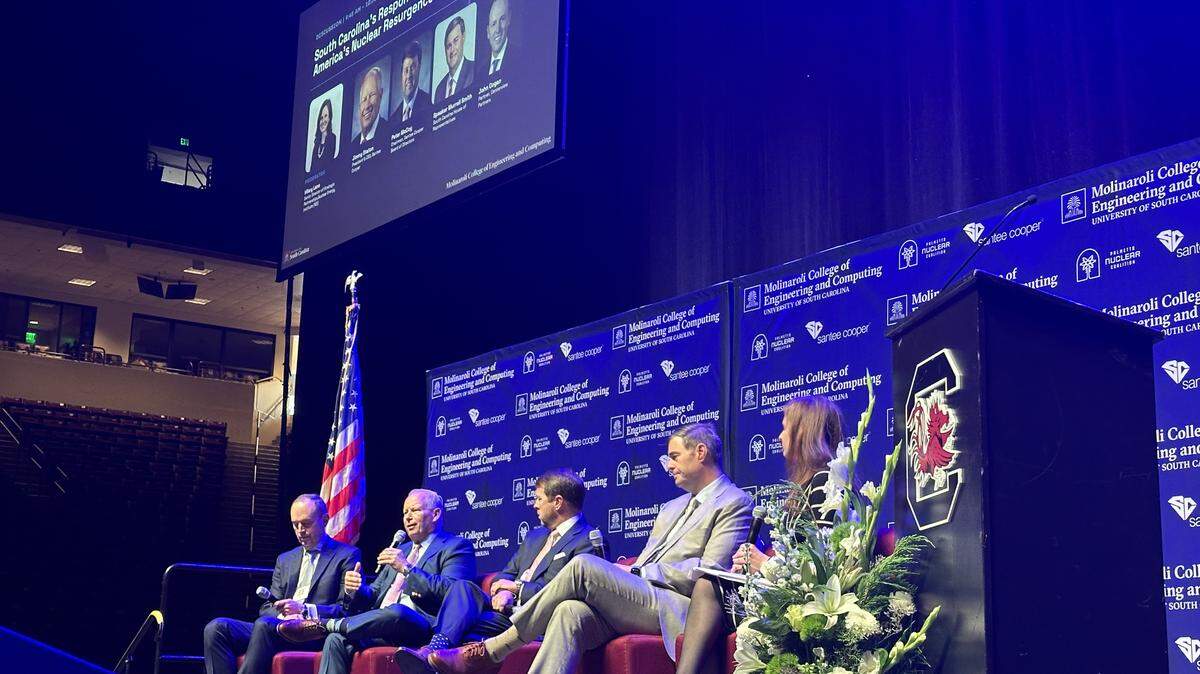
Allowing a third party to finish the reactors and pay Santee Cooper $2.7 billion for the assets would impact consumers’ rates, the utility’s Chief Operating Officer Michael Finissi told the S.C. Governor’s Nuclear Advisory Council on Monday afternoon.
Rick Lee, the chairman of the Governor’s Nuclear Advisory Council, asked if the $2.7 billion payment would result in a reduction of rates.
“We’ve run the numbers. Yes, it would result in a reduction of rates,” Finissi said.
“I’m sure everybody will be happy to hear that,” Lee responded.
The $2.7 billion will go toward paying the debt incurred by the initial V.C. Summer nuclear reactor fiasco, which customers are still paying for despite no energy being generated from the project.
“Santee Cooper intends to use that $2.7 billion to pay down debt, which will provide rate relief to customers by reducing costs,” Emily Tyner, a spokesperson for Santee Cooper wrote in an email. She would not specify how the deal could provide rate relief or if rates would go down.
“It isn’t practical to be more specific this far out, but however it is implemented, using the funds to reduce debt will clearly benefit customers,” Tyner wrote in another email.
Rates will likely not drop with the money to finish V.C. Summer because of other large costs incurred by the utility, like building the $2.5 billion Santee Cooper will spend to build the Canadys natural gas plant, said Frank Knapp, the president and CEO of the S.C. Small Business Chamber of Commerce. However, the $2.7 billion may keep rates from going up as much as they would without it, he said.
Taylor Allred, the Coastal Conservation League energy and climate program director, also pointed to the push for rate increases from utilities and said the upward pressure from natural gas plants could impact energy costs in the future.
“Within a given cycle of a rate increase, it’s possible that rates could go down incrementally, but I don’t think that it’s by any means guaranteed,” Allred said. “It would hopefully have a significant effect on offsetting rate increases, but the utilities have been coming in more frequently for rate increases.”
Plus, Santee Cooper won’t receive the $2.7 billion until it strikes a final deal, which could take two years. The utility chose Brookfield Asset Management in late October to finish the two, partially completed nuclear reactors in Fairfield County after a monthslong selection process.
If the $2.7 billion does land, Santee Cooper should have a transparent decision-making and public comment process over how the money is used, Allred said. Customers should be able to ask about how the money will be spent, including how it will benefit different rate classes, Allred said.
“I think that there needs to be a transparent process that should probably include docket before the Public Service Commission,” Allred said.
Santee Cooper CEO Jimmy Staton told South Carolina Public Radio the payment would the “lion’s share” of the debt associated with V.C Summer. Staton said the utility was required to pay off debt when it sold its assets.
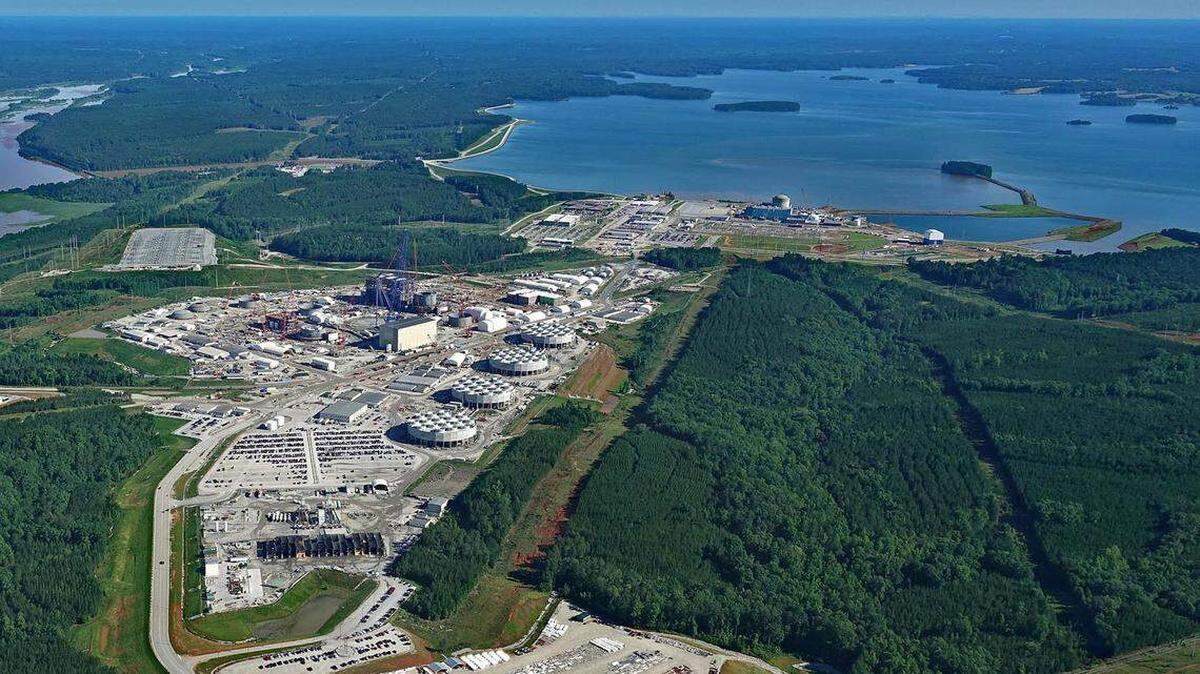
Construction of the two nuclear reactors was abandoned less than a decade ago. In 2017, utilities Santee Cooper and now defunct SCE&G walked away from the V.C. Summer project amid rising costs and delays. Ratepayers spent $9 billion on the effort.
Now, Santee Cooper and Brookfield are working toward a deal for the asset management company to finish the reactors. If it works out, Brookfield would pay Santee Cooper $2.7 billion for the assets and give them up to 25% of the generated power.
“The $2.7 million, when that check is written, that’ll be a glorious day,” Lee said.
The push to produce more nuclear energy at V.C. Summer comes as data centers and population growth has increased the projected demand for power in South Carolina. President Donald Trump has also advocated for more nuclear power production in the United States, and federal nuclear regulators are ready to permit plants, Nuclear Regulatory Commission Commissioner David Wright told the council on Monday.
“The NRC is not going to be the issue,” Wright said. “Regulators are not going to be a problem, but it’s going to be what you traditionally think it is. It’s going to be the money, it’s going to be the workforce, going to be supply chain, nuclear fuel.”
The nuclear reactors will also be AP 1000s, which were designed and sold by Westinghouse, a company involved in the original construction plans. Brookfield acquired Westinghouse out of bankruptcy in 2018.