Penalizing women and doctors for abortions in SC effort inches forward
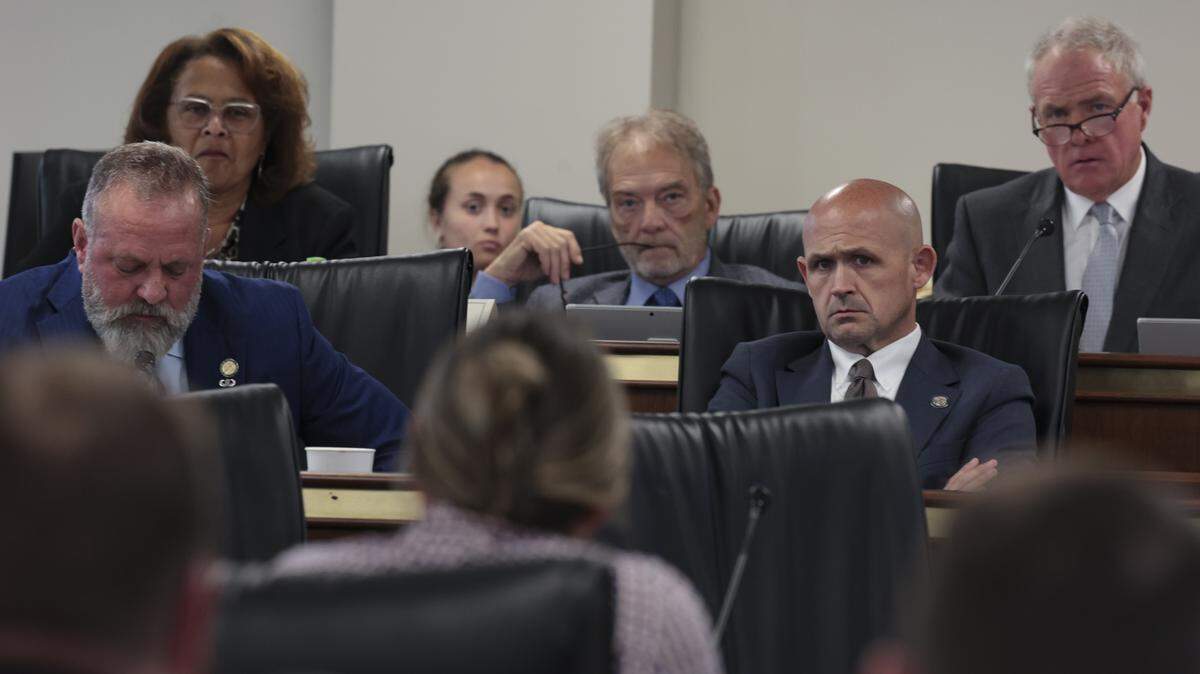
A near-total abortion ban moved forward in the state Senate, clearing a hurdle a similar proposal with stricter penalties could not last year.
The bill given initial approval Wednesday would ban all abortions, except when the life of the pregnant woman is at risk.
Currently, abortions are permitted until a heartbeat is detected, which typically falls around the sixth week of pregnancy. There are also exceptions for instances of rape, incest or a fatal fetal anomaly.
The latest proposal strips those exceptions from current law. But compared to a previously proposed ban, it dials back the penalties for people who have an abortion, a sticking point for Republican senators who debated the near-complete ban in the fall.
Anyone, including physicians, who performs an abortion could become a felon and go to jail for up to 20 years or be fined up to $100,000. A woman who has an abortion would be guilty of a misdemeanor, rather than a felony, and go to jail up to two years or be fined up to $1,000.
Reproductive rights advocates and physicians spoke against penalizing women for abortions, rescheduling medication abortion and further restrictions. These could potentially delay care and exacerbate doctor shortages in rural areas of the state, said Elizabeth Nodelman, a Columbia OB-GYN. Plus, criminalizing women who receive an abortion could disrupt families, said Ashlyn Preaux, the executive director of Palmetto State Abortion Fund.
“When you criminalize a mom, you’re not just punishing her, you’re punishing her children,” Preaux said. “You’re taking away their caregiver, their stability, their home.”
Abortion opponents supported the ban, but several said the penalties didn’t go far enough.
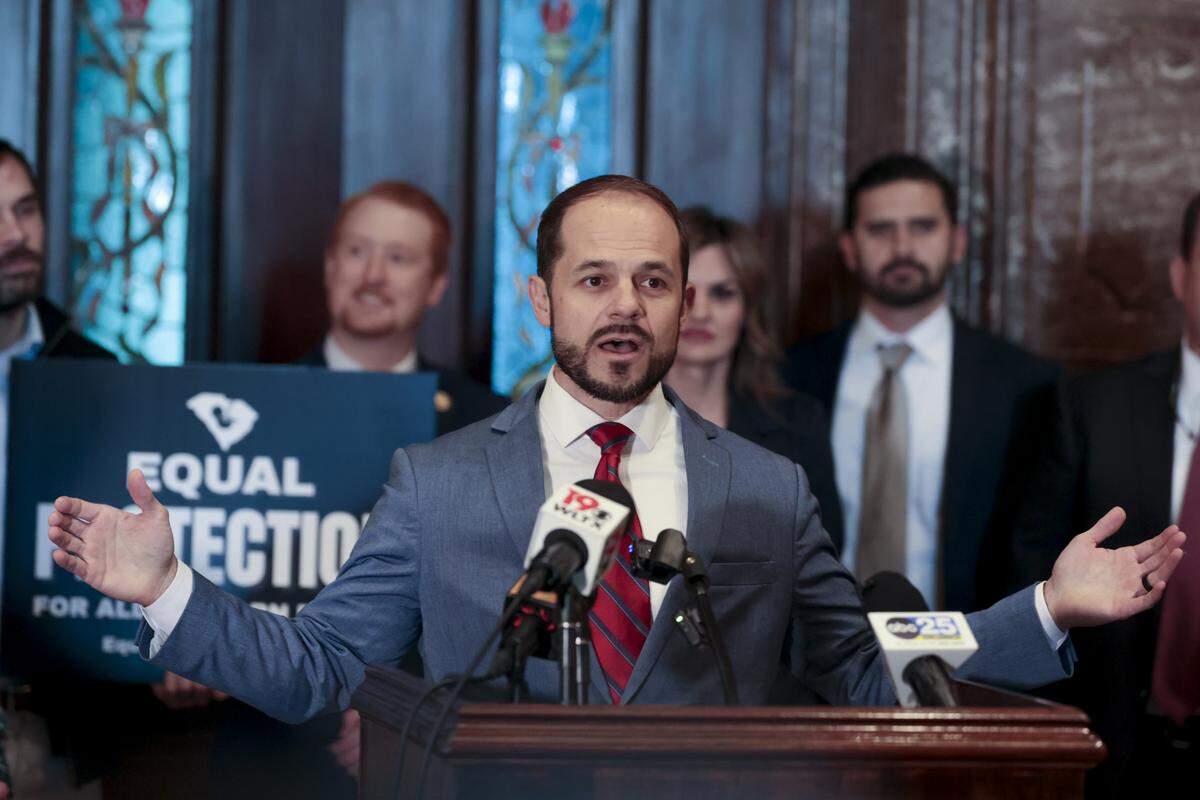
“We cannot claim to value life while reducing the willful homicide of an unborn child to a mere misdemeanor,” said Mark Corral, president of Equal Protection South Carolina. While he said it should be taken on a case-by-case basis, Corral said the death penalty should be on the table when someone has an abortion after being pressed by state Sen. Ronnie Sabb, D-Williamsburg.
The bill’s sponsor, Sen. Richard Cash, R-Anderson, pointed to the fate of his failed fall bill to address critics who said the new legislation was too soft on women who had an abortion.
“You know I respect your position, your convictions, a lot of which we obviously share,” Cash said. “But Mr. Corral, do you understand I’m working within the political system, whereby, if a bill is defeated because of a penalty, it doesn’t make any sense whatsoever to then go for a stronger penalty?”
The bill places penalties on possessing and distributing medication like mifepristone and misoprostol for having or aiding an abortion. It would also make abortion medications a controlled substance.
Helping a minor get an abortion in another state without parental consent would also be illegal. The bill allows civil lawsuits to be brought by state prosecutors and a list of family members.
While the ban passed along party lines through a voice vote Wednesday, state Sen. Josh Kimbrell, R-Spartanburg, said he wanted to propose amendments in later stages of the legislative process. He had concerns about the severity of penalties and eliminating exception for instances of rape.
“There’s a balance between anything, both as a person of faith and as a lawmaker,” Kimbrell said on Wednesday. “It’s got to be the balance between justice and mercy.”
It will be challenging for the bill to become law this year. With just a few weeks left of session, any contested Senate bill should be on the floor this week, Senate Majority Leader Shane Massey, R-Edgefield, said on Tuesday. Even if it receives a Senate floor vote, the bill would also need approval from the House. Plus, the abortion bill hasn’t been talked about as a priority for the caucus, Massey said.
Cash said Wednesday bringing abortion bans to the floor are always a fight, but it is a possibility his bill receives a vote this year.
The bill will likely be heard in front of the full Medical Affairs committee Thursday morning.
Fewer women elected to state Senate
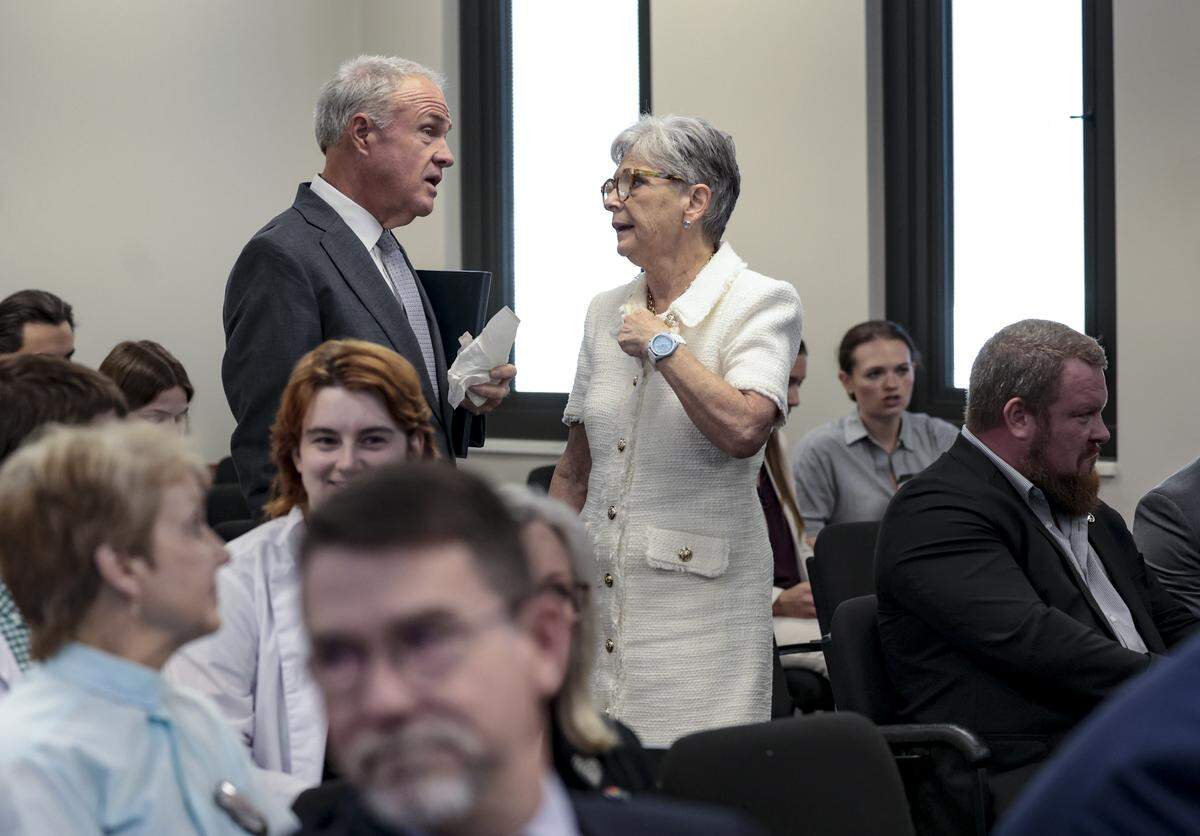
Only one woman, state Sen. Margie Bright Matthews, D-Colleton, sat on the committee. Before the vote Wednesday, she told her fellow senators they didn’t understand what it was like to be pregnant. Matthews voted against the ban.
Matthews said she found out she was pregnant the same day she was accepted to law school and raised her daughter as a single mom for several years.
“I’m really the one that is pro-life, because I chose, when I had an opportunity, I chose to go into that house and tell my daddy that I was pregnant,” she said. “That was the hardest thing in the world to do, to let him know. The same day I got accepted to law school, I also found out I was pregnant.”
The number of women in the state Senate dropped to two after the 2024 elections. Former Republican state Sen. Katrina Shealy was the last person to speak against the bill Tuesday. Shealy, and two other Republican women senators, lost their bids for re-election during the 2024 primaries. After her initial remarks, Shealy made an observation about the hearing’s decorum.
“I also found that you don’t respect women very much because the questions you asked the female doctors or the female pharmacist or any female that came up here were not the same respect you gave to the men that were up here, and there’s a problem with that,” Shealy said.