
Words of advice. SC lawmakers try raising pay again with high court suggestions
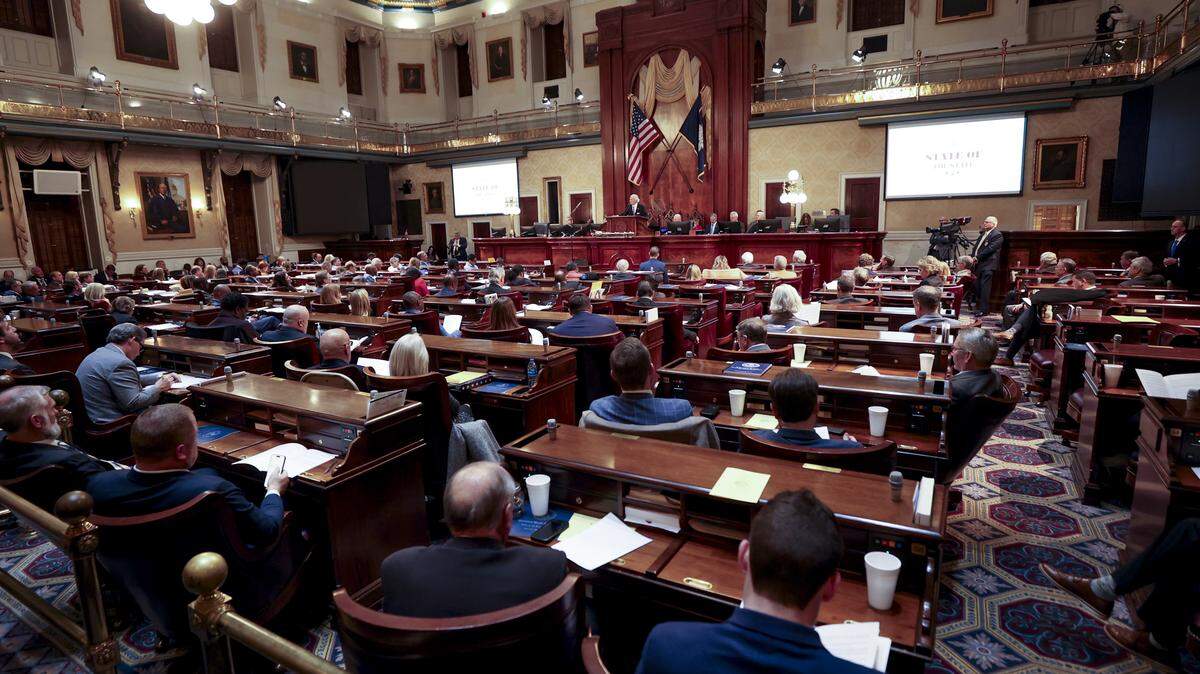
South Carolina lawmakers voted to give themselves a $1,500 monthly raise through the state budget, almost mirroring an illegal attempt from last year to increase lawmakers’ in-district compensation. But changes in the budget proposal may allow the pay hike to stay in place.
This time, the raise would start with the next General Assembly after the entire House is up for election this year. It also changes “in-district compensation” to “in-district legislative expense allowance,” a change state Supreme Court Chief Justice John Kittredge said could help lawmakers avoid legality questions during oral arguments in October.
The budget proposal, sponsored by state Sen. Shane Martin, R-Spartanburg, would raise in-district compensation by $18,000 annually. Lawmakers make a $10,400 salary and $12,000 for in-district work, but they are not required to document how that money is used. The one-year budget item narrowly passed the upper chamber 21-20.
The increase would go into effect Dec. 1, 2026, after the general election.
Lawmakers tried to raise their monthly in-district pay from $1,000 to $2,500 last year through a similar one-year budget amendment, but state Sen. Wes Climer, R-York, and a retired Rock Hill educator sued over the increases, arguing it was illegal for lawmakers to raise their own pay in the middle of the term. The state Supreme Court struck the pay hike in November.
Climer also opposed the new proviso Tuesday, in part because senators are not up for reelection this year. Therefore, the pay hike would be given to the currently sitting senators.
“I would continue to argue that no senator should vote to raise his own pay during the term for which he is currently seated,” Climer said. South Carolina senators are up for reelection in 2028. Climer is running for U.S. Rep. Ralph Norman’s congressional seat and will resign from the state Senate this year.
The South Carolina General Assembly operates in a two-year cycle. The state Supreme Court’s decision indicated raises could not be instituted in the middle of the two-year cycle and a pay hike could be delayed until the start of a new cycle, which begins next year.
“No matter how well-intentioned or long-overdue, the result of the 126th General Assembly’s increase in in-district compensation without either limiting language in the proviso or delaying implementation of the increase to the seating of the 127th General Assembly is to increase its own compensation, which our state constitution expressly prohibits,” the state Supreme Court decision reads.
Dick Harpootlian, a former senator who represented Climer, said Wednesday it is constitutional for lawmakers to raise their pay in the budget, as long as the raise doesn’t go into effect until after the new General Assembly is sworn in.
Justices also said compensation increases for the current General Assembly is illegal, but hikes on the amount given to cover expenses is not constitutionally forbidden.
“The question here, therefore, becomes whether the increase in “in-district compensation” may be construed to amount to official expense reimbursement (which the constitution permits) or to an increase in compensation for the sitting General Assembly (which the constitution forbids),” the opinion reads.
While opponents of the pay hike in the budget could still sue, Climer and other lawmakers cannot try again to stop the increase. The state Supreme Court said lawmakers could not sue over passed legislation.
The budget expense increase still needs to pass several more legislative hurdles, including the House and governor, before it could take effect.
Martin is also pushing for a larger salary increase for all state lawmakers, but that bill is still a long way from becoming law. The one-year budget item would ensure lawmakers get an increase, even if the salary increase bill doesn’t pass this year, Martin said. Martin previously said a pay increase was important because lawmaker salaries have not kept up with inflation.
“This is a stop gap just in case something goes wrong with the legislation,” Martin said.