
‘Buy American’ provisions are gaining attention. SC bill could make it state law
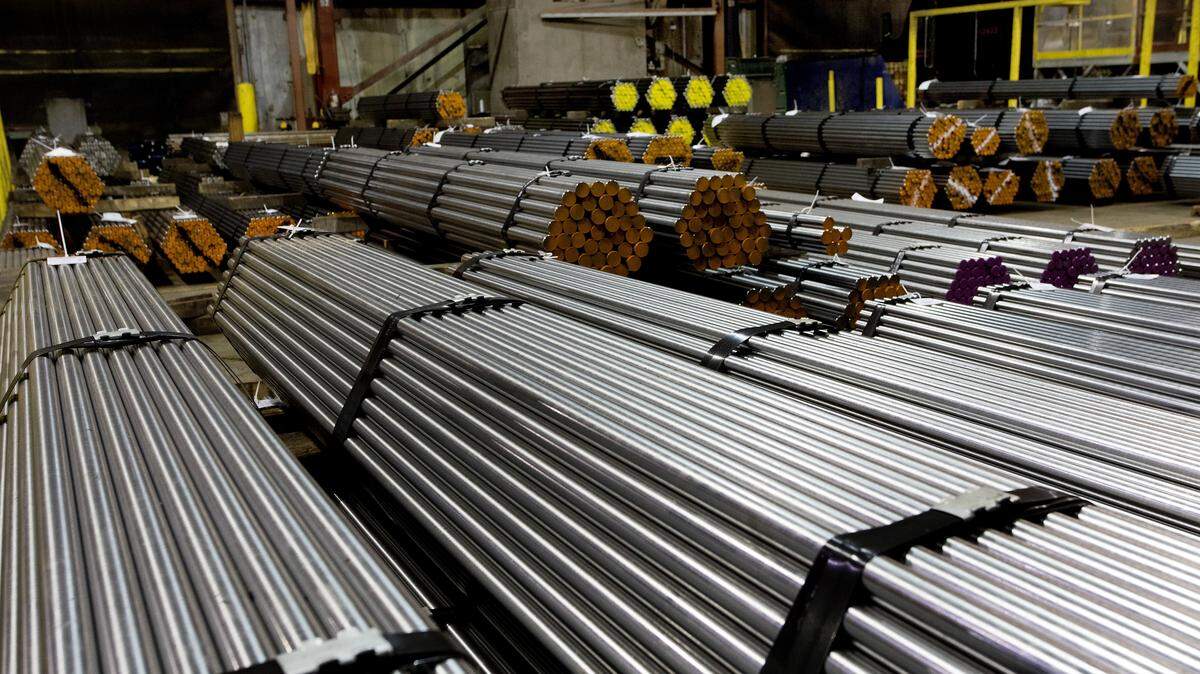
South Carolina has a long history of “Buy American” politics, often with bipartisan support. But a bill that could pass this year represents one of the state’s clearest attempts to extend those mandates to locally funded public works.
The proposed bill requires state-funded projects and roads to use iron and steel produced in the United States. Legislation already exists at a federal level, raising questions about why S.C. lawmakers chose to take similar measures now.
Why now?
The bill’s author, state Rep. Richard Yow, R-Chesterfield, said that it would maintain jobs, specifically at Nucor Steel, a global steel manufacturer with a location in Darlington.
Mandates on buying American-made products would ensure that money continues to go back and forth into the community, Yow said.
“We’re not sending money to China to go and help them,” he said.
South Carolina’s proposed mandates mirror a national effort to steer federal and state spending toward U.S. manufacturers.
One of the bill’s supporters, U.S. Rep. Ralph Norman, R-Rock Hill, said that “The president and the governor are focused on bringing manufacturing back to South Carolina.”
The bill was proposed just ahead of America’s 250th anniversary, coinciding with renewed national attention on domestic industry and manufacturing. Steel, too, has been a symbol of economic growth and stability in South Carolina and across the country.
“Buy American” policies are not always popular and have been known to cause delays in public works projects.
The Social Science Research Network posted a 2026 analysis that argued that buying American also increases the likelihood of “cost overruns and schedule delays in U.S. public infrastructure.”
Could state-funded projects be delayed?
When asked about delays by The State, Low said, “I am not concerned about that at all.”
The author of the bill said he is confident that Nucor Steel will be able to keep up with demand.
If projects were delayed, school infrastructure, pipelines, state-funded roads and other public works would be affected.
Costs for state-funded initiatives are expected to go up slightly, Norman told The State.
“You tend to get what you pay for, so while it may be a little more expensive on some of the projects, the benefits far outweigh that small increment in price increases.”
If costs are over 25% of the international price for iron or steel in a particular project, the bill allows the state to buy from foreign manufacturers.
But normally, the bill requires that “all manufacturing processes, from initial melting through application of coatings, occur in the United States.”
Foreign steel or iron that is minimally processed in the United States does not count.
“Made in America means made in America,” Yow said.
The bill’s path
S.C. H.4709 is back in the S.C. House of Representatives after the Senate amended and passed it. It is unclear at this time whether the bill will be taken up in the Legislature’s current special session.
The bill previously advanced through the House Labor, Commerce and Industry Committee and the Senate Finance Committee, and now awaits House action on the Senate amendments.