Not sure who to vote for in SC GOP race for gov. What separates hopefuls on issues
Tuesday is the primary election in statewide races including to be the next governor. Even though some candidates have been campaigning for the job for more than a year, not everyone has paid attention to every twist and turn in the race.
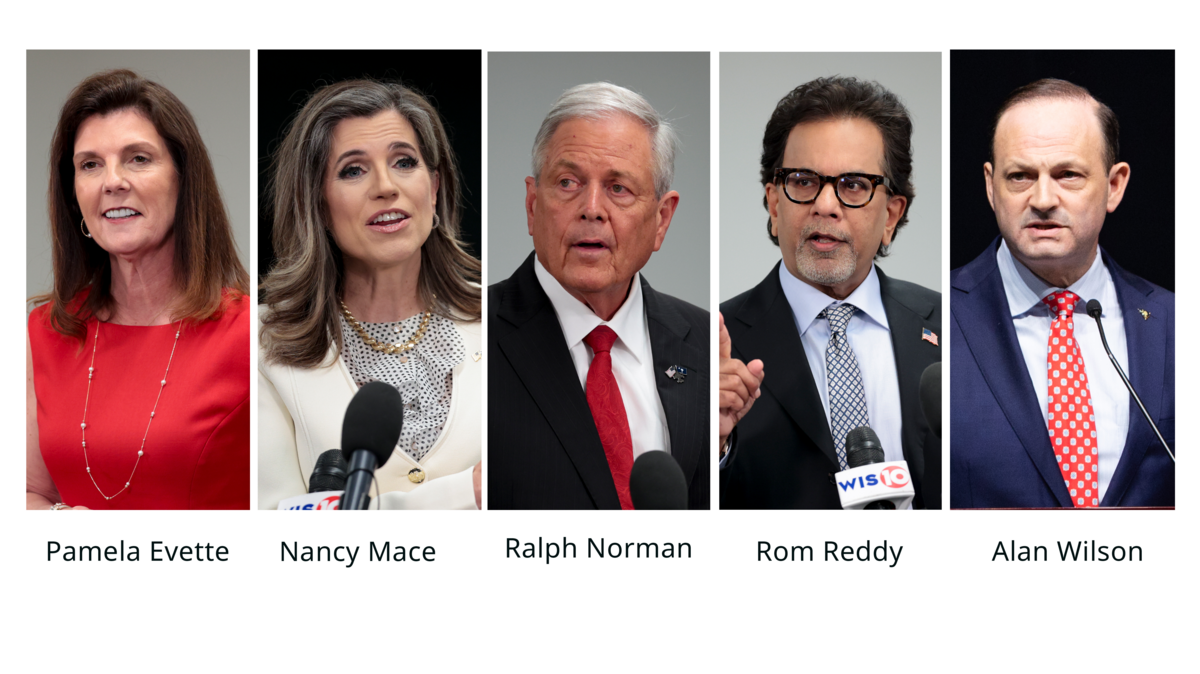
For those who haven’t cast their ballots yet in the primary and will head to the polls on Tuesday, here is where Lt. Gov. Pamela Evette, U.S. Rep. Nancy Mace, U.S. Rep. Ralph Norman, businessman Rom Reddy and Attorney General Alan Wilson stand on several issues as they seek the Republican nomination for governor and what they’ve said on the campaign trail.
Cutting or eliminating the state income tax
Evette: Evette says the state needs to leverage technology to help the state run more efficiently and save the state billions of dollars.
“If we could keep growth going, if we could rein in spending, if we can run efficiently, there’s not one silver bullet, but I have the business background and knowledge to be able to get us there,” Evette added.
Mace: Mace wants to cap general fund spending at $11.6 billion and return money over that amount as a tax cut. She said she would mandate a 4% cut a year by every state agency for five years, eliminate boards and commissions that don’t serve key functions, have a hiring freeze and offer early retirement, and audit administrative overhead and sunset low-impact or duplicative government programs.
“This year alone we had an extra $2.7 billion in the general fund. So, in year one, if I were governor right now, I could cut everyone’s state income tax across the board by 47% But we can’t stop there. People who are on fixed income need to make sure that we’re not taxing their social security, that their Medicare costs go down, that they’re paying less in property taxes,” Mace said at an ETV debate.
Norman: Would cut spending by eliminating waste, and then cut taxes.
“The bottom line, I’ve got to know where’s the waste, the fraud and the abuse, and a forensic audit will show that, and before I tell each one of you, I’ll cut your taxes. What’s going to have to be eliminated?” Norman said during a debate. “I will put it online, and I will justify everything, and let you, the people, say, ‘Well, this is what we feel needs to be cut.’ And then I will prioritize remaining money to the important things, as I mentioned, roads and bridges, the things that matter most about this state, preserving our water, and preserving our environment. I will put the things in the right place, but only after I do a forensic audit.”
Reddy: He says he would cut government spending, which would include consolidating and eliminating agencies, targeting a streamlined structure of approximately 35 agencies down from the more than 100 agencies. He would aim to reduce more than 50% of regulations by using the DOGE SC AI tool. He would have a 5-year sunset on regulations. Once the government figures out how many jobs to cut, he would do them all at once rather than phase them in. He said once savings are stable, he would start phasing out the income tax in 24 to 30 months.
Wilson: Wilson would limit growth in spending. Wilson said his plan would cap growth in the state budget to inflation and population growth. If the population indexed to inflation grew by 3%, then government spending would be able to grow by 3% and revenue above that would be used for a tax cut. Any revenue above the cap, would be returned to taxpayers in the form of a tax cut, he said.
“We are spending 3.3% faster than we are growing as a state indexed by population,” Wilson said in an interview in Greenville.
Data centers
Evette: Evette said she would never have utility ratepayers pay for the expense of data centers.
“Any data center that wants to move into a neighborhood has to bring whatever alternate energy they need or cover the added expense to the ratepayers in the area,” Evette said in the April 21 debate. “We must always protect our water for our farmers. Here in our state, agriculture and forestry arm wrestle tourism and hospitality for the number one revenue generator. So we always should protect what our farmers are doing, and we should always protect ratepayers, but the final say should come to the people. People in local communities should have the final say of who they want their neighbors to be.”
Mace: She said supports one-year moratorium on data centers.
“Data centers should pay their own way. They should pay for their energy. They should pay for their water. They should pay for their infrastructure and the roads around it. And we should look at what Gov. Ron DeSantis has done in Florida with the large data centers that are coming to Florida, that should be the model in South Carolina and everywhere.”
Norman: Norman said he would protect the state’s water supply and electricity and added that a large energy user that comes to South Carolina would have to pay for their own power.
“If you want to come to the state, you would need to find a way to fund your electricity needs with where we are in the state right now. And property rights are basic to this state, and a lot of people want to use the rights for that, but I’ll discourage incentives for it, and I would encourage quality development over quantity,” Norman said.
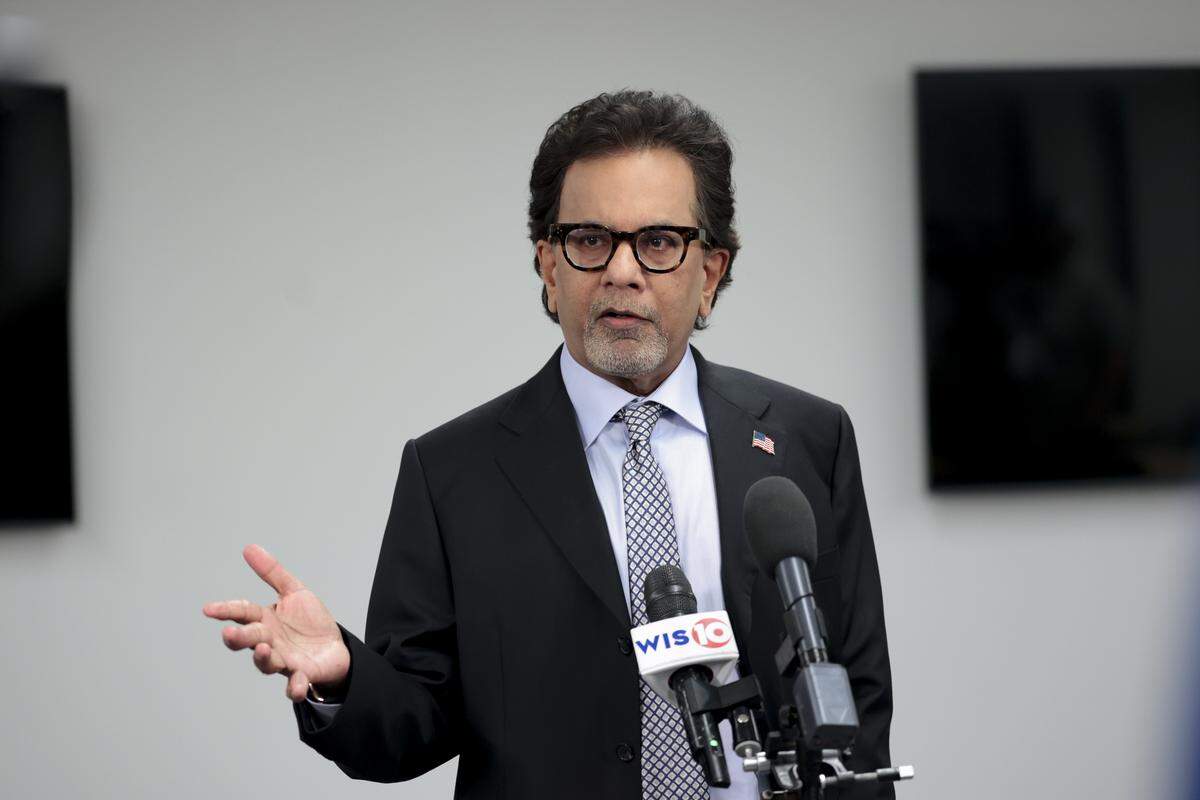
Reddy: Reddy said he’s opposed to data centers coming to the state.
“The whole data center thing is a hoax,” Reddy said in the May 26 debate. “You do not understand what actually happens in data centers, because it sucks up a lot of land, a lot of water, a lot of utilities.”
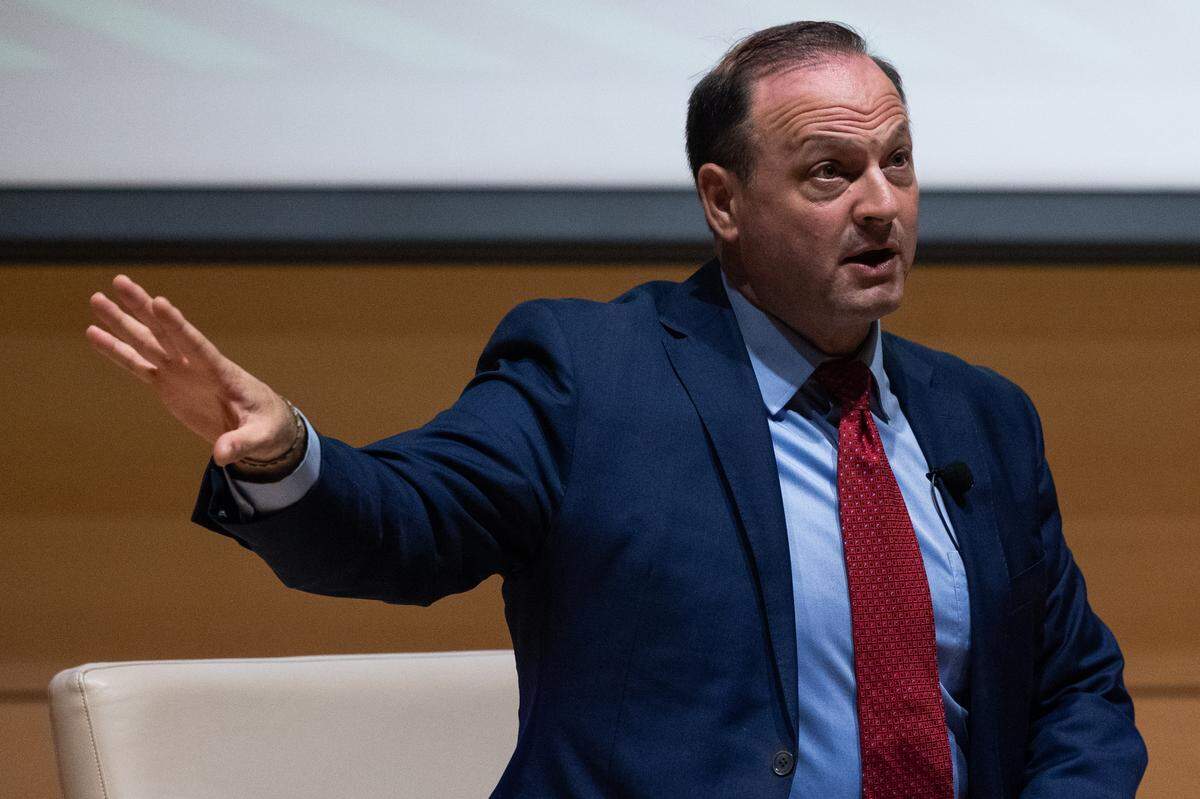
Wilson: In the April 21 debate, he said local communities should have the right to determine if they want data centers in their areas. But if data centers come in he would want to incentivize them to lessen environmental impact, encourage data centers to put unused electricity back on the grid to help lower utility rates.
“I support President Trump’s position that data centers are a national security issue, they’re going somewhere, whether it’s China or other states, they are going somewhere, and like the road networks of 100 years ago, data centers are the infrastructure for the new innovative technologies of the future,” Wilson said in the May 26 debate
Would they support a more restrictive abortion ban?
Republican candidates were asked during the April 21 debate if they would sign a restrictive abortion ban that would ban almost all abortions except when the life of the pregnant woman is at risk. A bill, which moved out of committee but is stuck on the Senate floor, also had criminal penalties for doctors who perform abortions and for women who have abortions.
Evette: “S. 1095 has gone too far,” Evette said, who added she would veto the bill.
Mace: “I am pro-life, with exceptions for rape and incest and life of the mother,” Mace said.
Norman: “The mental illness part of this is what really needs to be addressed,” Norman said. “It’s harsh to put someone in prison, that 15-year-old who’s aborted a baby or attempted to, that being said again, if it gets to my desk I would sign it, and I think that would be the right step.”

Reddy: Would want to put the issue to voters.
“Let’s put it to a referendum if you can’t agree, and put this thing to bed once and for all,” Reddy said.
Wilson: Wilson said he would veto the bill and said the state needs to reform its foster care and adoption systems.
“This is an issue, I believe, because it’s so emotional, is so divisive that we must recognize the reality of the environment that we’re in, that in dealing with policies and approaching issue like abortion, we must have compassion for the unborn and the mother. We must build consensus for everyone moving forward and apply common sense,” Wilson said.

How would candidates address infrastructure needs?
Evette: Said she would modernize the state Department of Transportation and emphasized the need to be able to move quickly on road and bridge projects.
“Gov. McMaster and I, in our executive budget, we asked for $1.1 billion to expedite these projects, because we understand that time is money,” Evette said. “We want to make sure that we’re innovative public private partnerships coming in and creating fast pass lanes to allow people that are in a hurry to be able to utilize that.
Mace: Mace has touted her support and her role in securing large amounts of federal funding for road projects in her districts
“One of the other things that we have to do is have to be very aggressive on having shovel ready projects. So regardless of whose president, when the money is appropriated, we are ready to go. And that is at the state level, the county level and the local level, on town expediting, permitting,” Mace said.
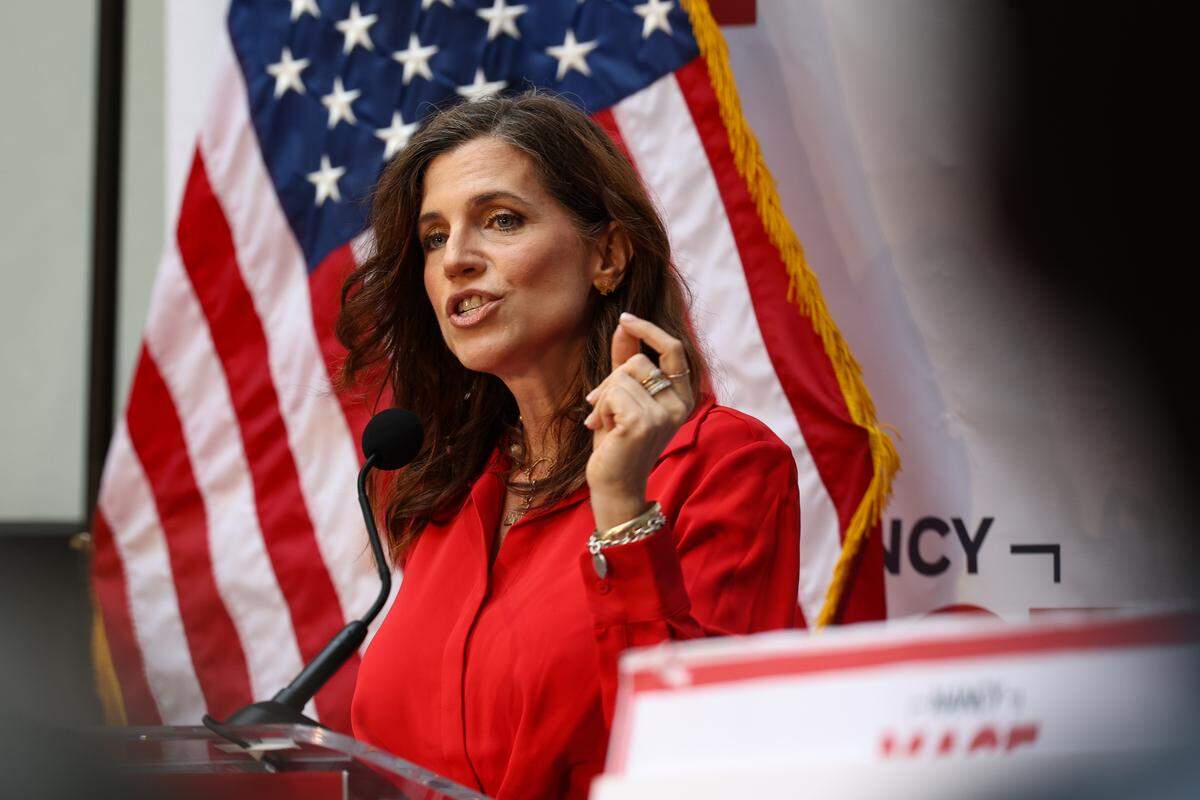
Norman - “I will do an overall forensic accounting of every agency and government, and include the Department of Transportation and itemize what needs to be cut and what needs to really go for driver separate and get the thing right. It’s been neglected far too long.”
Reddy: “I ran construction companies in 50 states. I know a thing or two about construction. Get rid of commissions. Two thirds of the roads are managed centrally. Impossible. That’s the Russian gulag system of management. Get rid of in house maintenance.”
Wilson: “We need to be more innovative in how we approach infrastructure funding. First, we modernize and we reform the Department of Transportation. We privatize that grass between the interstates. We turn it to private express lanes that can be tolled. We lease the easements on the size of interstates to telecommunication companies and energy companies and charging for natural gas and fiber optic cables, and we also privatize rest areas and put on restaurants and gas stations there to collect the funds from that to fund our roads and bridges,” Wilson said.
How would they unite GOP factions in State House
Evette: Evette has called Gov. Henry McMaster a mentor in how to work with the General Assembly.
“Now that doesn’t mean that you’ll always agree, and I have spent my time as lieutenant governor up in the General Assembly, making relationships, garnering their respect and getting their respect, and that’s how I will be as governor working with the General Assembly to get things done, because people are tired of tuning in their TVs and seeing how little gets done for Washington with everybody fighting,” Evette said.
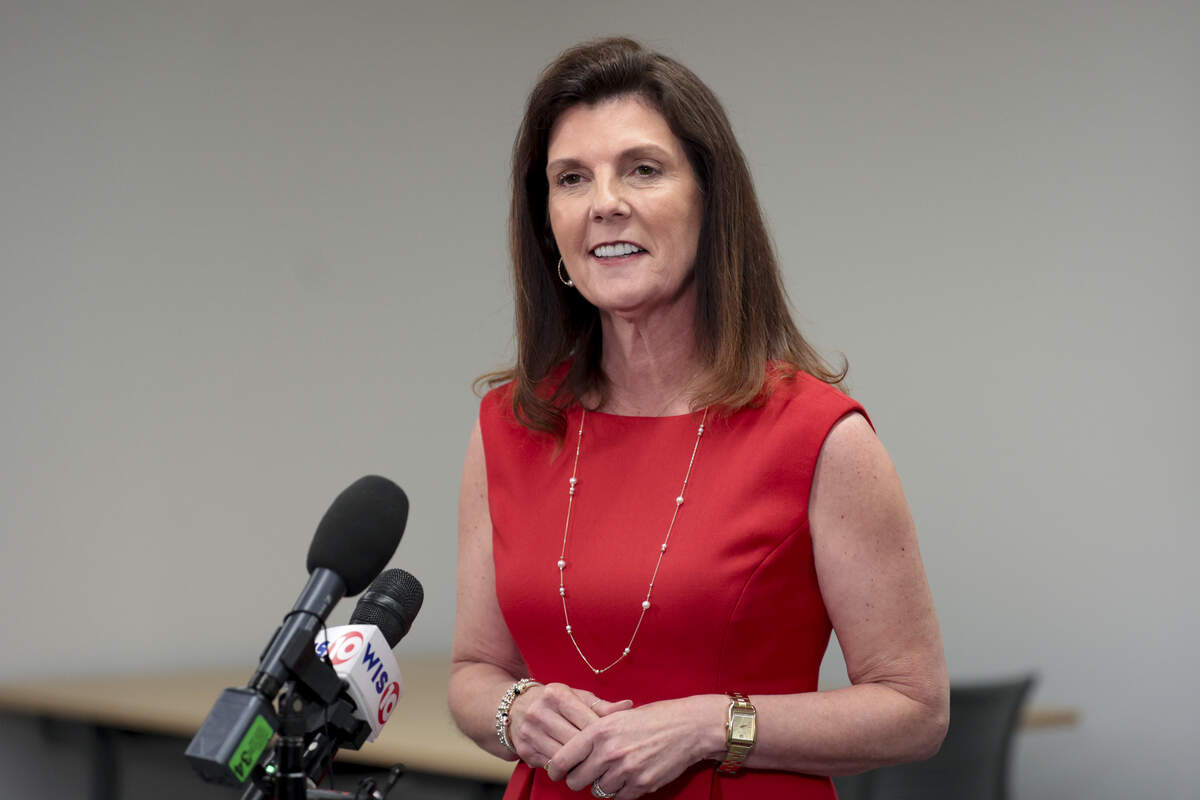
Mace: Mace has called herself a creature of the state House and Congress. Before she was elected to Congress, she was a state representative. In 2023, she was ranked as the 22nd most bipartisan member of Congress and drafts pieces of legislation weekly.
“You will never meet someone who will work harder for you. And in fact, every single policy proposal in my run for governor that I have presented to you the voter, I have crafted a bill and a piece of legislation to go along with it, because on day one, we are going to get to work, and that means I need different groups with different factions and bring people together to find that consensus,” Mace said.
Norman: Despite the Republican supermajority in the SC House and Senate, Norman has been critical of those he refers to as Republicans in Name On as the state budget has grown.
“How long are we going to put up with rogue judges being elected by lawyers who turn their backs on the police officers? How long are we going to put up with people campaigning less taxes, less government, less regulations? They’re RINOs those folks. But I will do what I can. I will try to negotiate. I will use veto, as it said, I will use my line item veto. But I will go to you people. When you have a Republican or Democrat that backs up and puts the state in jeopardy, I will call them out.”
Reddy: “Leadership is setting a moral vision and shaping public opinion around the vision. We have to restore executive branch authority. The constitution says it’s a coequal branch. The executive branch holds the legislative branch in check, and also holds these agencies from going rogue and weaponizing the government against the citizens. I will use the veto. I will also restore Article Four powers which the governor has, but does not use. It’s simple.”
He added he’s willing to go to court if there’s push back to cuts he would make.
Wilson: Wilson said he has met with members of the three main factions of the General Assembly, the Republican, Democratic and Freedom caucuses. He says there will be times when there’s agreement, and other times when there’s some disagreement and he will work towards a compromise.
“Then there are times when there’s complete disagreement, your position and my position cannot coexist. I will put on the mantle of the boxer. We will get into the boxing ring of ideas, and we will duke it out. Whichever one of us wins, I will get back out and be your friend again. Tomorrow, you may be my best friend in another issue, we can’t tear each other apart. We gotta move all forward and work for the people,” Wilson said.