
Who is running to fill Beth Shealy’s vacant Lexington 1 school board seat?

Voters in the Lexington 1 school district are being asked to choose a new board member to oversee local schools in a midterm special election.
We asked questions to Lexington 1 school board candidates who are trying to fill an at-large seat on the Lexington 1 school board after former vice chair Beth Shealy resigned in March.
The three candidates seeking to take her place answered some questions from The State in preparation for the special election on June 23, which will coincide with runoff elections from the statewide primary on June 9. Early voting for the seat will continue until Thursday, June 18.
Lexington 1 covers the central part of Lexington County, including the town of Lexington as well as Gilbert, Pelion, Red Bank and White Knoll.
Lexington One school board candidates
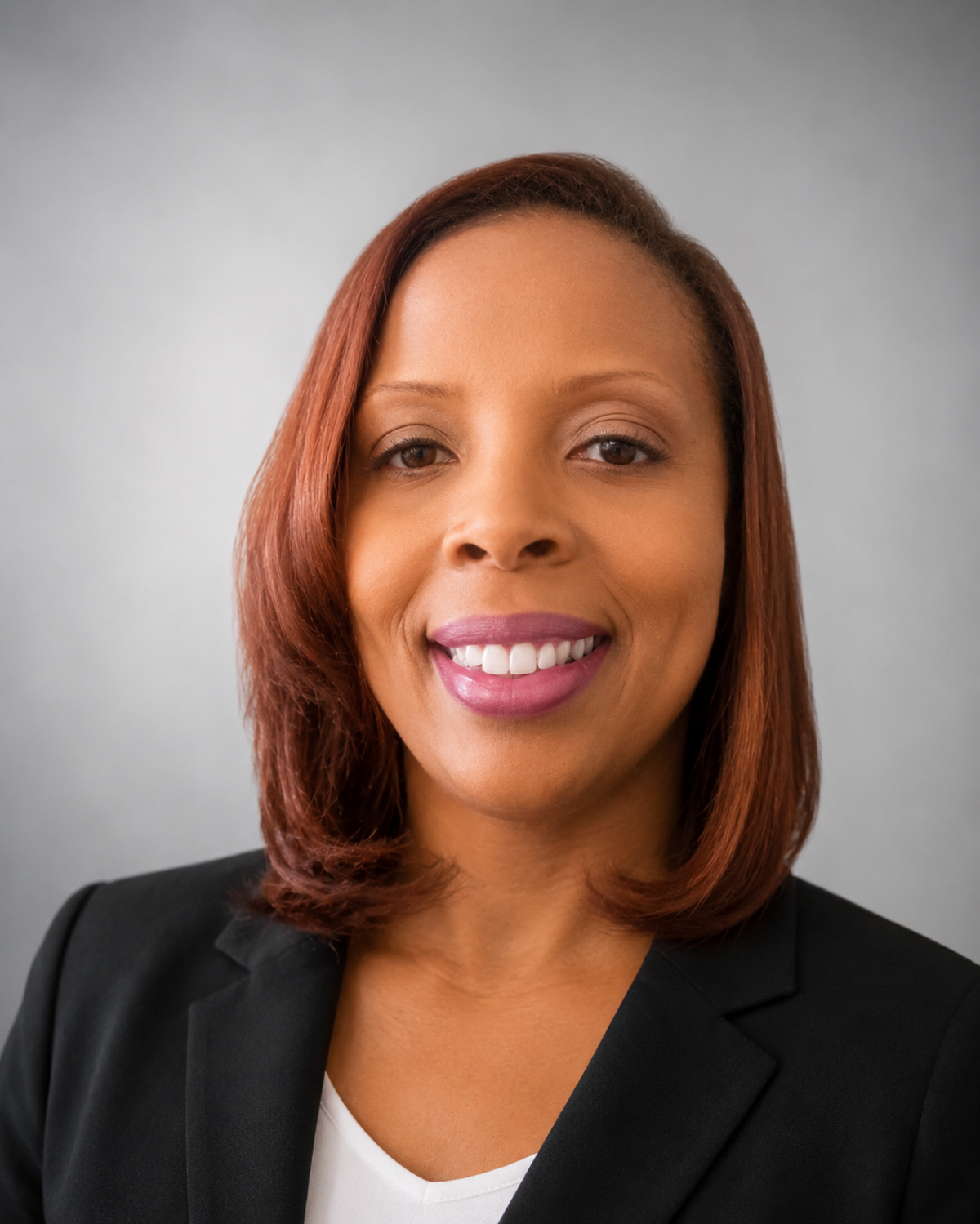
Crystal Baker
Age: 47
Campaign website: https://www.baker4schoolboard.com/
Education: Associate Degree in Business Administration
Occupation: Program Director - Gamechangers (nonprofit organization)
Prior experience: Crystal has spent years actively involved in the White Knoll community through the Parent-Teacher Organizations (PTO), Parent Teacher Student Association (PTSA), Student Improvement Council (SIC), Parent Advisory Council (PAC), Academic School Calendar Advisory Group, District Wellness Committee and Athletic Booster Club. She has worked closely with parents, educators, and administrators, giving her a well-rounded understanding of the district’s challenges and opportunities.
What would be your top three priorities on the school board?
My top three priorities as a school board member would be: 1. Student safety and well-being Every student deserves to feel safe, supported, and valued at school. I will advocate for stronger efforts to address bullying, promote positive school cultures, and ensure students have access to the resources they need to succeed both academically and emotionally. 2. Career and college readiness Not every student’s path looks the same. I want to ensure that all students graduate prepared for their future—whether that means college, technical education, military service, or entering the workforce. Expanding career exploration, workforce partnerships, and real-world learning opportunities is essential. 3. Accountability and responsible spending As a board member, I believe taxpayers deserve transparency and accountability. I will work to ensure district resources are used wisely, decisions are data-driven, and investments directly support student achievement, teachers, and classrooms. At the heart of these priorities is my commitment to being an advocate for students, an inspiration for positive change, and a voice that empowers families, educators, and our community.
How could Lexington 1 better respond to growth in the Lexington area? Is the district prepared for more residents and more students?
Lexington One has experienced significant growth, and that growth is expected to continue. While the district has taken steps to plan for increasing enrollment through new schools, facility expansions, and long-range planning, growth remains one of the biggest challenges we face. To better respond to growth, the district must continue to be proactive rather than reactive. That means regularly evaluating enrollment projections, planning infrastructure improvements well in advance, and working closely with local government and community leaders to understand where growth is occurring and how it will impact our schools. Is the district prepared? To some extent, yes. Lexington One has invested in facilities and continues to plan for future needs. However, preparation is not a one-time achievement—it requires ongoing assessment and adjustment. We must ensure that growth does not lead to overcrowded classrooms, strained resources, or diminished educational opportunities. As a school board member, I would focus on balancing growth with quality. We must make strategic decisions about facilities, staffing, transportation, and budgeting while keeping students at the center of every decision. Our goal should be to maintain the high standards families expect from Lexington One while responsibly planning for the future.
Is the growth of charter schools in the Midlands a challenge to traditional public schools? How should Lexington 1 respond?
The growth of charter schools in the Midlands presents both a challenge and an opportunity for traditional public schools. Families today have more educational choices than ever before, and that means school districts must continuously evaluate how well they are meeting the needs of students and parents. I believe Lexington One should not view charter schools as the enemy, but rather as a reminder that families are looking for high-quality educational options. The best response is to continue strengthening our schools by focusing on academic excellence, student safety, innovative programs, career readiness opportunities, and strong communication with families. Lexington One has a long history of success and many outstanding schools, teachers, and programs. To remain competitive, we must continue listening to parents, supporting educators, investing in student achievement, and ensuring that every child has access to opportunities that prepare them for success after graduation. Ultimately, parents should choose Lexington One because of the quality of education, the strength of our schools, and the positive experiences our students receive—not because they lack other options. My goal would be to help ensure Lexington One remains a district that families actively choose and proudly support.

Dana Homesley
Age: 38 Campaign Website: www.HomesleyForLexington1.com
Education: Graduate of Clemson University. I have a Property & Casualty Insurance Adjuster License
Occupation: Claims Adjuster at the S.C. Association of Counties
Prior experience: My experience comes from years of active involvement in Lexington One and the Lexington community. I have attended Lexington One school board meetings, workshops, committee meetings, and special-called meetings for years because I believe informed decisions start with being informed. I’ve spent countless hours reviewing board packets, budgets, policies, audits, contracts, and district reports to better understand how decisions impact students, staff and taxpayers.
I currently serve as President of the Lexington Elementary School PTA, where I work alongside parents, teachers, staff, and administrators to support students and strengthen our school community. I also serve on the School Improvement Council, Parent Advisory Committee, and am involved with Praying Moms for LES. Beyond the school district, I was appointed to serve on the Town of Lexington Vision Plan Advisory Committee, where I worked with community leaders on long-range planning issues that will impact the future of our area. Professionally, I have worked for the South Carolina Association of Counties for more than 15 years as a claims adjuster. My work requires me to analyze complex issues, review documentation, pay close attention to details, and make decisions based on facts and evidence. I also hold a Property and Casualty Insurance License and earned a degree in History with a minor in Political Science from Clemson University. In addition, I co-founded and help administer the Informed Citizens of Lexington County School District One Facebook page, which has grown to more than 6,000 followers and serves as a resource for parents, staff, and taxpayers seeking information about district issues.
While I have never served on the school board, I believe my years of involvement, research, community engagement, professional experience, and commitment to transparency have prepared me to serve effectively from day one.
What would be your top three priorities on the school board?
1. Fiscal responsibility and accountability “Show me your checkbook, and I’ll show you your priorities.” Everything is tied to funding - class size, salaries, facilities, student meals, and transportation. Taxpayers deserve confidence that every dollar is being spent in ways that directly benefit students. Board members should have access to and provide taxpayers with a line-item budget. I previously requested credit card statements before the district began posting them, as required by law. As the district considers a facilities plan exceeding $900 million, I would like to see a Citizen-Led Capital Projects Oversight Committee to monitor all projects, schedules, budgets, and expenditures. I believe the board needs to review detailed project reports on a regular basis, and capital projects should be prioritized by the board based on need, not recommendations from administration. Over the last several years, the district has spent millions on iPads and artificial turf for athletic fields when that money could have been used for classroom additions or to move students out of portables. 2. Transparency, communication and engagement Emails and calls deserve a response. Board members should be committed to two-way communication. Board members should always ask, “Have we asked the community how they feel about this?” Staff and citizens should be informed before major decisions are made and be given meaningful opportunities to provide input. I support sharing information publicly before board meetings, responding to constituent concerns, and creating advisory committees for students, teachers, and support staff so the board can hear directly from those most affected by its decisions. Students and staff need someone to voice their concerns without fear of retaliation. I will be their advocate. I will follow up with citizens who take the time to speak during board meetings. 3. Student success and support My priorities would be centered around the question: “What would be most helpful for students?” Students should remain the top priority in every decision. This includes supporting teacher and staff retention, advocating for students with special needs and their families, and ensuring fairness in opportunities and resources across all attendance areas. Your zip code should not determine your education. We need to ensure our schools in Pelion, Gilbert, and White Knoll have the same access to a high-quality education as our schools in Lexington. The board should prioritize offering no-cost meals to all students through the federal meal program, as authorized under a state budget proviso. Our board claims this would be a financial hardship, although we are one of the wealthiest districts in the state and one of the few districts not currently participating in the program. Feed the kids so they can focus. Research supports this. Vacancies and turnover should be reviewed regularly. How often do teachers cover classes for other teachers? How many teachers with years of experience have been replaced by less experienced teachers? How often do bus drivers run double routes? How competitive is our pay for substitutes and support staff? I would request results from exit surveys so the board knows why employees are leaving.
How could Lexington 1 better respond to growth in the Lexington area? Is the district prepared for more residents and more students?
In addition to the Lexington area, the Lexington One attendance area encompasses Pelion, Gilbert, and White Knoll. We are behind the curve when it comes to responding to growth. A lack of responsible planning has led to overcrowded schools, including some that were too small the day they opened. As Lexington County continues to grow, it is important that Lexington One has a voice in the development process. School concurrency helps ensure that growth is planned responsibly by looking at whether our schools have the capacity to handle additional students before large residential developments are approved. I believe growth should pay for growth. We cannot continue approving new developments without considering the impact they will have on our schools, classrooms, transportation, safety, and staff. Concurrency gives county leaders and school districts the information they need to make informed decisions before overcrowding becomes a problem. This is not about stopping growth. Growth is already in the pipeline, and future growth must be planned responsibly. We need to ensure that our schools, roads, and infrastructure can support additional growth without negatively impacting students, families, or the quality of education our community expects. If we want to maintain strong schools, safe learning environments, and a high quality of education in Lexington One, we must make sure school capacity and infrastructure keep pace with the growth occurring throughout our communities. Rezoning is unpopular, but it should be the first step considered before building more schools. A long-range facilities plan, which is now being developed, is a good starting point. However, without board involvement before and during construction, the same issues will persist: new schools that are too small, car rider lines that overflow into traffic, and projects that are over budget and behind schedule with no accountability. The board needs to be involved in decisions regarding school size and capacity. In addition, two-story schools with larger capacities are needed. A demographics study was completed in 2024, but by the time the planned referendum makes it onto the 2027 ballot, the board will be working with information that is more than three years old. In addition, there is a need for more information regarding how charter schools affect enrollment, as this was not included in the study, even though charter schools are a contributing factor to the decline in Lexington One enrollment. Every time Lexington One plans for a bond referendum, it recalculates the capacity of its schools, so whether Lexington One is prepared for more students really depends on when you ask the question. In some areas of the district, schools are prepared for growth. In other areas, they are not. Currently, each school in Pelion has at least 100 seats available, with Pelion Middle having almost 700 seats available. Some schools in Gilbert and Lexington are over capacity, while others have room for growth. Almost all schools in the White Knoll area have seats available. While the 2018 bond referendum planned for 3,300 additional seats, fewer than 2,000 seats were ultimately added: • One school was not built. • Lakeside Middle has less capacity than Lexington Middle, the school it replaced. • Portions of Lexington Elementary were demolished, resulting in approximately 150 fewer seats.
Is the growth of charter schools in the Midlands a challenge to traditional public schools? How should Lexington 1 respond?
Yes. Charter schools pose a challenge to traditional public schools in many ways. Lexington One has not only lost students and funding to charter schools, but it has also lost some good teachers! Have you heard the latest radio jingle encouraging students to enroll in Lexington One? They can save the money they are spending on advertising and put it toward addressing the budget deficit. Then they can focus on understanding why families and staff are leaving Lexington One. Every student matters. Every staff member matters. Every taxpayer dollar matters. Lexington One needs to repeat that until it starts putting those words into practice.

Shelton Yonce
Age: 31
Campaign Website: N/A
Education: Graduate of Pelion High School
Occupation: ERA Wilder Realty
Prior experience: Current Board Member of the Lexington County Tax Assessment Board of Appeals, former member of the School Improvement Council for Pelion High School, former Pelion Town Council member.
What would be your top three priorities on the school board?
My top three priorities are fiscal accountability, supporting and retaining our teachers and staff, and managing the rapid growth in our district. I believe taxpayers deserve transparency and responsible spending. I also believe our teachers and staff are the heart of our schools, and they deserve to feel valued, supported, and equipped to succeed in the classroom. As our district continues to grow, we must plan to maintain the quality of education across all schools while making sure every community is represented and heard.
How could Lexington 1 better respond to growth in the Lexington area? Is the district prepared for more residents and more students?
School capacity is an issue. We need to have an honest conversation about either rezoning our schools or building new ones. While rezoning is not an easy conversation, it is a necessary one. I also believe the district has been more reactive than proactive when it comes to the upkeep and maintenance of our facilities. I want to know why. Is there a funding issue or a “needs and wants” issue?
When it comes to new residential development, that is not the role of the school board. That responsibility belongs entirely to the county. Our district has just received the results of our facility study, which shows nearly one billion dollars in investments needed to keep our schools updated and in good repair, with the possibility of building new schools as well. That has to be the district’s focus. Our energy and resources should be directed toward taking care of what we already have and planning for the students we already serve.
Is the growth of charter schools in the Midlands a challenge to traditional public schools? How should Lexington 1 respond?
I will be honest. I do not love the idea of competing with charter schools, whether it is in the classroom or on the athletic field. It is not an apples to apples comparison. Charter schools have more flexibility in how they operate, how they spend, and how they structure their programs. Traditional public schools like Lexington One do not have that same flexibility.
That said, I understand that charter schools are a good option for some families and I respect that. But they need to remain in a category of their own. Just because both are publicly funded does not mean they are the same, and we should stop treating them like they are.
What Lexington One needs to focus on is making our schools strong, supportive, and welcoming so that families choose to stay. That means taking care of our employees, resourcing our classrooms, and making sure every student, whether they are in Lexington or Pelion, feels like they belong here.