
‘It is indescribable.’ South Carolina’s newest US citizens reflect on journey
After its immigrant population hit a record high in 2024, the United States is allowing fewer new citizens in the second Trump administration.
On the same day the U.S. Supreme Court made a pair of decisions extending the White House’s power to control immigration, two dozen of the nation’s newest citizens praised the American dream and values that inspired them to be at Columbia’s federal courthouse.
The Supreme Court’s June 25 decisions were celebrated as a “tremendous win” by White House spokesperson Abigail Jackson in a statement to The Hill.
The first decision allows the termination of temporary protected status. It protected asylum seekers from deportation and allowed a path toward the employment authorization of thousands of Haitian and Syrians that first began arriving in 2010 and 2012. The second decision cleared the way to restart turning away migrants at the border, preventing asylum claims.
According to a recent study conducted by the National Partnership for New Americans, a collective of immigrant advocacy nonprofits and the U.S. Immigration Policy Center at the University of California, naturalization applications and approvals had dropped by 60,799 and 44,041 in comparison to 2024, while denials rose by 8,945.
Hundreds of miles from Washington, D.C., the national tension surrounding immigration was nowhere to be seen in Columbia’s Matthew J. Perry Jr. federal courthouse.
A naturalization ceremony celebrated the new citizenship of 26 South Carolinians, many were overcome with emotion taking an oath of loyalty to their new nation.
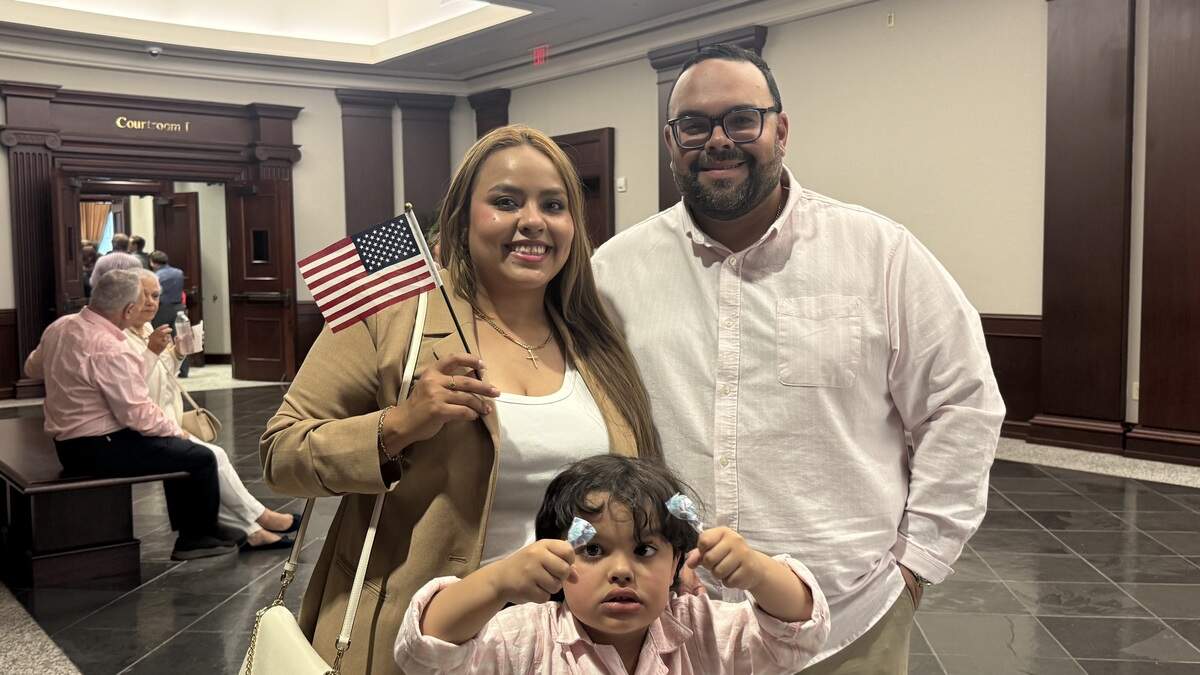
One was Liz Ferreira, a 30-year-old married woman with a 4-year-old son, Matteo. She first arrived in the United States nine years ago to join her sister, who was already a citizen, and build a new life of her own.
“It was her dream to live here, too,” Ferreira said. “Then I met my husband here.”
Though Ferreira said she has felt like an American for a long time, making it official was deeply meaningful, bringing feelings difficult to put into words.
“I never imagined it was like this, a lot of people, judges and all of that,” Ferreira said. “It was an amazing moment, it is indescribable.”
Ferreira’s husband, Reuben Morales, who was born in Texas and raised in Puerto Rico, said it was a joyful occasion for the young family.
“It marks a very important day for us,” Morales said. “We’re very proud of her, we’re very proud of the American citizens.”
Ahmed Ali Mohammed, 60, first arrived in the United States in 1995 amid civil war in his native Sudan. The citizenship test, which only 36% of Americans passed in a 2018 survey and was recently made more difficult, was a breeze for Mohammed.
“It’s easy, very easy actually,” Mohammed said. “They don’t know the history, that’s the problem, if they know the history they’re gonna pass it easy.”
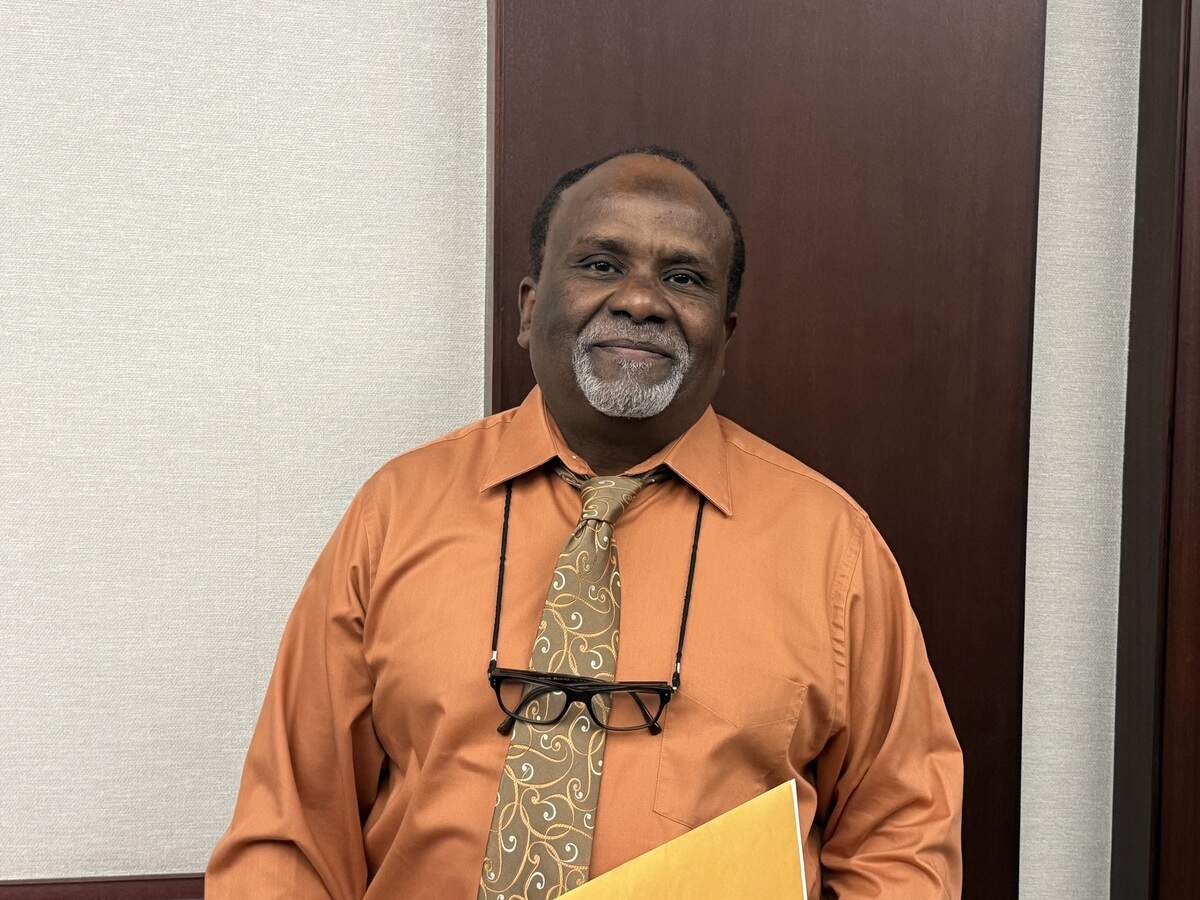
Mohammed said his name and Sudanese origin were early obstacles in the long process of applying for citizenship. He said he was inspired by America’s ideals.
“This means a lot,” Mohammed said. “You come to countries like the United States, you want to be in a freedom country. That’s the best thing to do.”
Mohammed said he hopes his country will forever uphold the values that inspired him to become a citizen.
“I want to ask this country to be very strong like always,” Mohammed said. “And to stand up like always for everybody else.”
For US District Court Judge Richard M. Gergel, the grandchild of immigrants from Poland, Ukraine and Canada, presiding over a citizen naturalization ceremony was a powerful full-circle moment.
“My grandparents loved this country and believed it was the land of opportunity,” Gergel said. “I am confident they never imagined that their grandchild would conduct immigration ceremonies like the ones we are participating in today.”
This story was originally published June 26, 2026 at 12:19 PM.