
Odd occurrences marked some 2025 Midlands elections. Here are some highlights
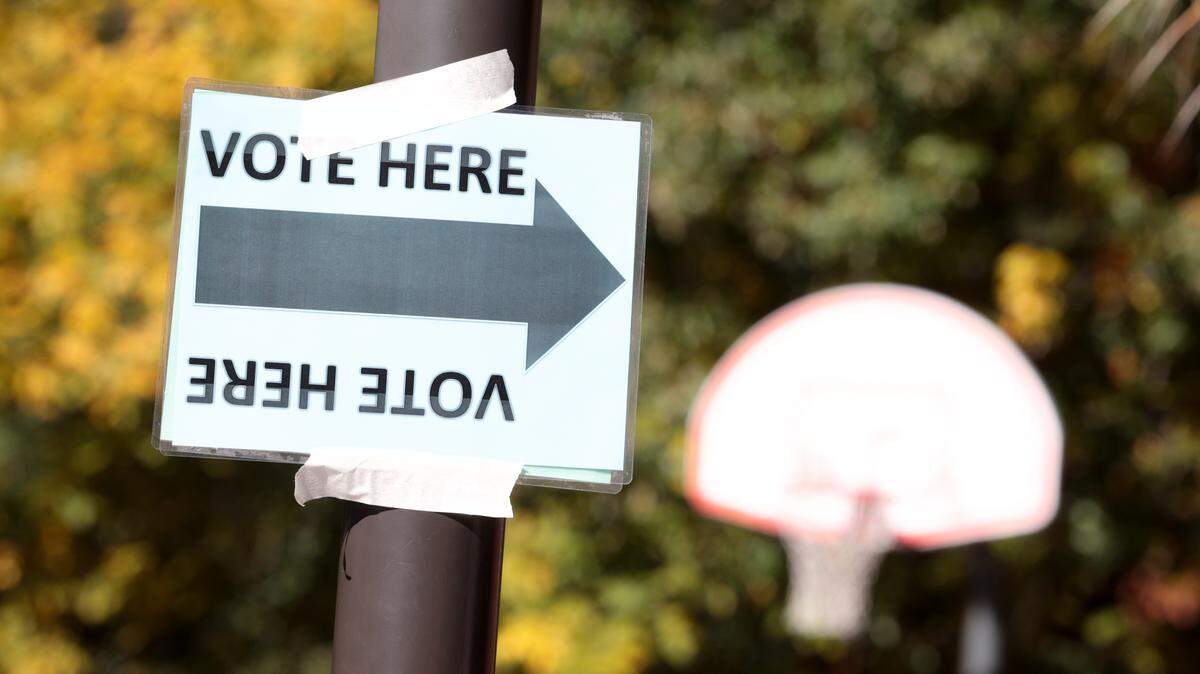
Voters have spoken in South Carolina’s 2025 municipal elections. New mayors and city and town council members were chosen for new terms across the Midlands and beyond after ballots were counted Nov. 4.
But elections in the Midlands took some odd turns and had some unexpected outcomes. Here are a few surprises and notable results from around the area.
The election with no candidates
Voters in the town of Gilbert had no candidates to vote for when they went to vote for two open seats on the town council, because no candidates had filed to run. Instead, voters cast 70 write-in votes to determine who would serve on town council for the next four years.
Brian Smith managed to get enough write-in votes to win election outright. But because the town ordinance requires a winner to get more than 50% of the vote, incumbent town councilman Patrick Carson was forced into a runoff with Keith Powell. Another candidate, Samantha Rish, managed to win more votes than the two runoff candidates, but declined to serve when informed of her write-in win by the Lexington County Election Commission.
In the end, Carson won another term in the runoff on Nov. 18, beating Powell with 73% of the vote.
Victory by write-in is not unusual in the small town. Gilbert Mayor John Reeder won re-election on Tuesday with 75% of the vote despite running unopposed, with the other quarter of the votes going to write-in candidates.
The election that almost ended in a tie
A town council race in Swansea was decided by the narrowest of margins and the latest possible time.
The race between Town Councilwoman Linda Butler and Angie Alley was tied when all ballots had been counted on election night, with 21 votes apiece. That result would have required the town to hold a second, runoff election two weeks after the first featuring the same two candidates.
But two days after the Nov. 4 election, when the Lexington County Election Commission met to certify the results, the commissioners voted to accept a single provisional ballot in the race that swung the result to Alley. Voters can cast a provisional ballot if some question about their residence or eligibility comes up on Election Day.
In this case, the commissioners determined the person was eligible to vote in Swansea District 1.
A candidate died right before the election
It seemed only natural that Chapin Mayor Al Koon would run for a second term after the former town councilman was elected to the Lake Murray town’s top job in 2021. But then three weeks before Election Day, Koon was admitted to hospice care.
The mayor died just days later, and only three days before early voting started in the mayor’s race with two other candidates, home builder Ron Colley and preacher Bill Mitchell, on the ballot.
It was too late to remove Koon’s name from the ballot, and instead the Lexington County elections office posted at polling stations that votes for Koon would not be counted. Koon’s sons blessed an effort to write-in Town Councilman Gregg White, although White was ambivalent about any mayoral effort and ultimately lost his re-election effort to earn another term on town council.
Mitchell ultimately won the mayor’s race with 67% of the vote, but soon ran into troubles of his own.
New mayor faces SLED investigation
New Chapin Mayor Bill Mitchell didn’t have long to enjoy his time in office before it was announced he was the subject of an investigation by the S.C. State Law Enforcement Division.
State law enforcement agents were asked to investigate by the Chapin Police Department after receiving a complaint about an assault that was allegedly committed the day Mitchell arrived at town hall demanding to be sworn in early. Mitchell was elected after his opponent, incumbent Mayor Al Koon, died in office shortly before the election, creating a vacancy that Mitchell argued allowed him to move into the mayor’s office early.
The investigation hasn’t stopped Mitchell from being proactive after his election win. He’s told the town to stop issuing new water taps as a means of preventing new development coming into the area north of Lake Murray, which is served even outside the town limits by the Chapin water system.
.jpg)