
The North Carolina Zoo was expecting 1 million visitors this year. Then COVID-19 hit.
Gary Jarrett didn’t get to say goodbye to the arctic foxes.
Jarrett volunteered at the Rocky Coast exhibit in the North Carolina Zoo, where he talked to visitors about animal habitats and sea lions. After the park closed March 17 because of COVID-19, he could not come back the next day.
“It’s like a door being slammed. You’re there one day and then you’re not,” said Jarrett, a 68-year-old retiree. He “felt a sense of loss,” he said, not knowing when he would hear the snowy white foxes’ “little yipping sounds” again.
The zoo closed for nearly three months and recently reopened on a reservations basis to limit the number of visitors at one time. The financial blow, despite gains in admissions and revenue the last three years, continues to reverberate beyond the park.
In 2018, the park in Asheboro, 90 minutes west of Raleigh, attracted 831,748 guests, and in 2019 it broke its attendance record with 917,309 guests, according to zoo admissions staff.
“While we were on a trajectory of record attendance, my heart was set on walking right over that millionth person guest line this year,” said Patricia Simmons, director and CEO. “Well, doggone, COVID hit during our peak visitation and income earning.”
In June, the zoo ended the 2019-20 fiscal year with a $4.5 million deficit in its $22 million budget. The shortfall required cuts and backup funds from the N.C. Department of Natural and Cultural Resources.
Although it reopened June 15, the zoo is allowing only 20% of its normal capacity of 10,000 visitors per day to keep people from crowding around popular exhibits, Simmons said.
The closure and reduced admissions have also hurt the Asheboro and Randolph County economies and affected the zoo’s animal conservation efforts overseas.
“COVID really did pull out the rug from under us, didn’t it?” Simmons said.
Expansion delays and deferred maintenance
The N.C. Zoo opened in 1974 and today has 500 developed acres with another 2,100 wooded acres.
When it brought Simmons on as a deputy director in 2014, the park had fallen behind on its goals.
“When I started, we were looking at how we could make the North Carolina Zoo truly a tourist destination spot along the eastern seaboard,” she said.
Planners had originally imagined a continental theme, one that would “mirror life as it did on earth,” according to an article in Alive, the magazine of the Zoo Society. Animals from the same continent would roam through spacious exhibits resembling natural habitats, and there would be no cage in sight.
The multi-continental plan didn’t quite pan out.
After opening an Africa section in 1979 and a North America section in 1994, the zoo stopped expanding and fell into disrepair; by 2014, it had a $20 million backlog in deferred maintenance.
“That really was a bitter pill to swallow,” said Simmons. “Because the Association of Zoos and Aquariums really felt that that lack of support to get those repair renovations done was a ding against our ability to be accredited.”
To stay accredited by the AZA, a zoo must undergo a close examination every five years. Inspectors probe a zoo’s budget, interview its staff, pore over veterinary records, and watch for several days how the zookeepers care for the animals. They measure how much shade the elephants have.
They also survey a park’s “enrichment programs,” to see if zookeepers keep animals engaged in their surroundings, and check whether animals are actually interested in their own lives. For example, some zoos give floating toys to polar bears or place piñatas in parakeet enclosures.
“The first thing to know about it is that it’s hard to get ” said Rob Vernon, AZA’s senior vice-president of communications, about accreditation. “Not everybody can obtain it.”
Of the roughly 2,500 facilities in the United States with permits to exhibit animals, less than 10% are accredited by AZA, Vernon said.
Simmons said accreditation is essential to a zoo’s reputation.
“If it’s accredited by the AZA, you know that that zoo is working very hard for greater ideals,” she said. “They aren’t using animals for the purposes of making money.”
AZA’s standards also grow stricter every five years as the organization adjusts its expectations, Vernon said. Because of the evolving standards, a zoo can lose accreditation after years of passing inspections, which happened to the Honolulu Zoo in 2016. It has since regained it.
The N.C. Zoo is in high regard within the zoological community, said Vernon, but because every AZA standard must be met equally, a lag on maintenance can put a zoo’s accreditation in trouble, even if it excels in other areas.
Simmons said the zoo nearly lost its accreditation in 2015 because of the maintenance lag, with work long overdue for the aviary and several staff-only buildings behind the scenes.
The aviary’s heating, ventilation, and air conditioning system stopped producing a consistent temperature, which endangered the birds’ health. The plastic panels on the dome to the aviary cracked, broke, and occasionally fell apart.
About $25 million from 2016’s N.C. Connect Bond currently funds new projects, much of it going to a new Asia-inspired section currently in its final planning stage.
Because the state designated the bond for new construction and renovation projects only, the zoo can’t re-purpose the money, Simmons said.
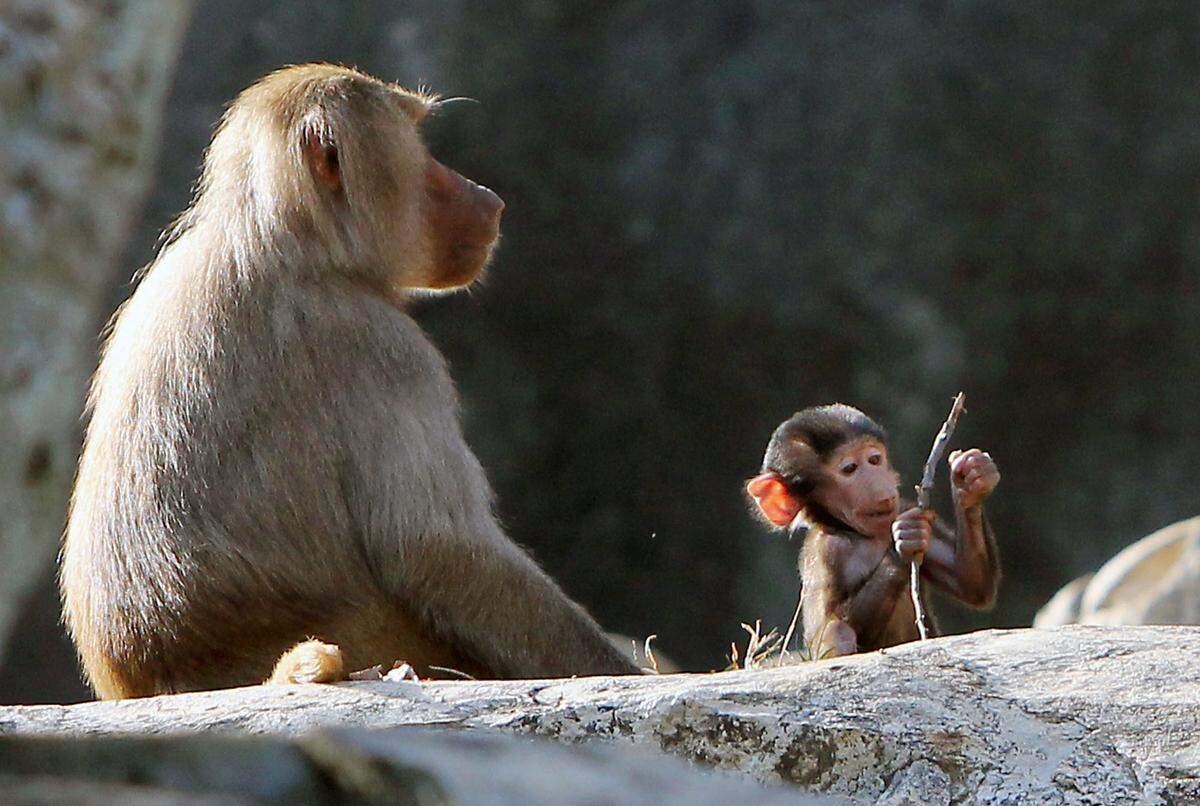
Simmons spent some of the bond money to raze the African Pavilion. “It was structurally unsound. It was a concrete building that was sliding down a hill,” she said. The zoo is also building a new baboon enclosure that can handle inclement weather like snow and storms.
In 2016, the N.C. General Assembly agreed to give the zoo $4.5 million annually to help cover maintenance costs, Simmons said, but the zoo hasn’t received payments since fiscal year 2019.
Gov. Roy Cooper didn’t sign a budget last year because lawmakers would not expand Medicaid, the News & Observer reported.
Now, with the rise of COVID-19, “all bets are off the table,” Simmons said, as far as additional state funding goes.
Meanwhile, the N.C. Zoo is due for another accreditation review this year, but AZA has postponed all inspections to 2021 to keep staff from traveling during the pandemic, Vernon said.
Simmons acknowledged some people don’t like how the zoo industry at large treats animals, but she said the N.C. Zoo prioritizes animal welfare and species conservation above all else.
“In fact, sometimes people complain, ‘I can’t see an animal. I came here to see animals,’” she said. “Well, you know what? The welfare of that animal took precedence over you seeing it.”
“We want them to have the choices to be who they are, as best we can without them actually being out in the wild, which, by the way, is hard to even think exists anymore,” she added.
An upward trajectory nose dives
Half of the zoo’s annual $22 million budget funds come from the legislature.
The park raises the other half from entry fees, visitor sales, food and gift shops, and the N.C. Zoological Society, a private nonprofit that supports the zoo. The society provides the park with around $4 million a year.
“We were supposed to raise $12 million,” Simmons said, about the 2019-20 fiscal year. “We raised half of that.”
After letting go of temporary workers in March, the zoo was still $4.5 million short of the cost of doing business.
The Department of Natural and Cultural Resources gave the zoo additional funding. But the zoo made sacrifices. It froze all new hires. Around 40% of the park’s temporary job positions are back, with about one-third of temporary staff members returning to fill different positions throughout the week.
Being a state operation, the N.C. Zoo is ineligible for money from the federal government’s Coronavirus Aid, Relief, and Economic Security Act, said Simmons, and a question mark hangs over the likelihood of further assistance coming from the state.
If the park continues to see its revenue decline, it may have to make more cuts.
“Besides stretching the staff a little bit thinner — and we don’t want to do that too much because people can get hurt — we would have to look at closing down exhibits and moving animals out,” Simmons said.
“But where would they go to?” she added. “Because everybody else is in our spot.”
Budget forecasters predict the state could face a $4.2 billion deficit due to the economic impact of the coronavirus.
Cooper’s recommended budget for 2019-21 proposed a $40 million bond to help the zoo build Asia, but the money still needs approval by the House and Senate, said Michele Walker from the Department of Natural and Cultural Resources.
The zoo’s financial hit hasn’t changed the park’s attention toward animals, Simmons said.
“The animals get the food they need. They get the veterinary support they need. They have the staff who takes care of them.” she said. “Otherwise, the rest of the operation is up for grabs.”
Closure’s ripple effect touches surrounding county
It can take a full day to walk through the N.C. Zoo’s six miles of trails and see all its exhibits. Some families take two-day trips.
Amber Scarlett saw the impact of the zoo’s closure in March on the park’s surrounding businesses right away.
“Our hotels are dependent on that anchor attraction,” said Scarlett, the tourism manager for Randolph County’s visitor’s bureau. “We have seen our revenues decline upwards of 50%.”
State officials understand the zoo is an economic engine for the county and she hopes they provide more funding.
“If someone came in from Raleigh to the zoo, they’re going to have to purchase gas. They’re going to have to purchase food. They might have overnight accommodations and they might also go shopping,” she said. “Even if they go shopping at Walmart, they’re still paying taxes.”
Animal conservation work disrupted
The pandemic is also rattling animal conservation work overseas.
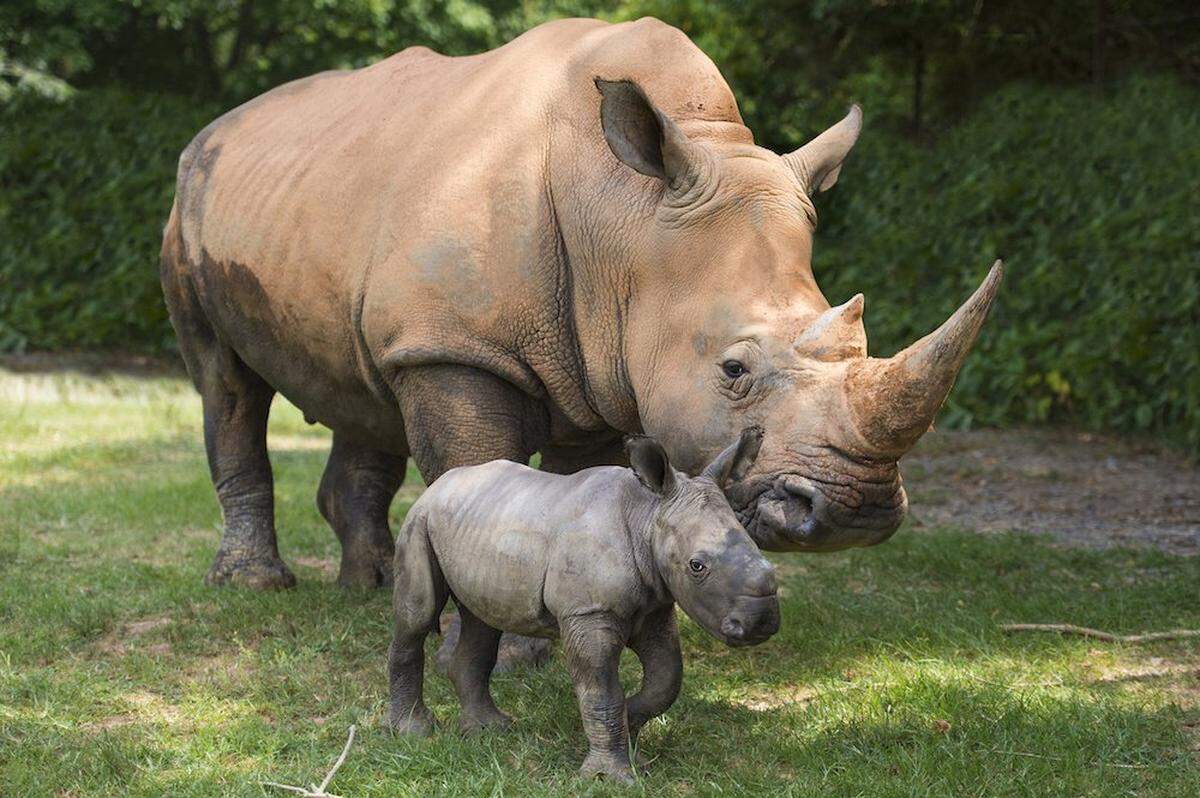
The N.C. Zoo participates in over a dozen efforts to save animals in Africa from extinction. Those efforts include sending staff to preserves in Tanzania, Uganda, Nigeria and South Africa to track elephants, rhinoceroses, lions, cheetahs, vultures and other species to help protect the animals from poachers.
Partnering with preserves, zoo staff members use spatial monitoring technology to see where animals roam throughout the day in the hope of predicting and preventing poaching, said Rich Bergl, the zoo’s director of conservation and education.
The zoo’s $4.5 million operating shortfall hasn’t affected its conservation funding, which comes from private donors and grants, including an annual contribution from the N.C. Zoological Society, which gave about $568,000 for that work last year.
But the pandemic disrupted the ability to do the work, Bergl said. Staff are not flying to Africa to avoid potentially spreading the coronavirus, he said. National parks that count on tourism now also face their own budget crises.
“We can’t put more tags on vultures. We can’t put more collars on elephants,” said Bergl, who is also an adjunct professor at Duke University.
Bergl planned to implement an anti-poaching software system in Namibia’s parks by the end of this year, but will not be able to do that now, he said. A similar anti-poaching program for lions in Zambia is also on hold.
As schools across the African continent have closed, the zoo also curtailed its educational activities in Uganda, which taught thousands of children who live near a national park about animal conservation.
While the anti-poaching work in Africa hasn’t stopped, the N.C. Zoo cannot support it like before, Bergl said.
In the meantime, poaching is on the rise, The New York Times reported.
“Because the economies have been so badly affected, people are looking for sources of food. People are looking for sources of money,” Bergl said. “Poaching is one way to do that.”
North Carolinians return to a partially re-opened zoo
Jarrett returned to his volunteer duties at the Rocky Coast on July 17, but his tasks are different now.
He follows guests with his eyes to make sure they stay six feet away from other groups. He reminds visitors to wear masks and points them to where they can wash their hands or pump hand-sanitizer into their palms.
While indoor habitats and seasonal attractions like the giraffe deck and playgrounds are closed, the zoo has come up with ways to accommodate visitors and maintain social distancing.
For example, the park is expanding its riding guides program, which lets small groups sign up for a personalized tour through the zoo on a golf cart, Simmons said. People can also visit the zoo “virtually” through an online tour.
Piper Schlink went to the N.C. Zoo on July 15 with her boyfriend and her 3-year-old son.
“For us, this has been, like, our one outing of the entire COVID, outside of me going to doctor’s appointments and going to our neighborhood pool, which is very limited,” said Schlink, who lives in Cary and is eight months pregnant. “So for us, it was like our summer trip.”
Schlink said the zoo’s paths directed people to walk one way, and when they reached the end of the park, a tram carried her family back to the entrance.
She enjoyed her experience, she said, though she noticed other guests seemed frustrated by the heat and the closure of indoor attractions and most air-conditioned spaces.
“Actually, I was very impressed,” she said. “I’m going to be honest, because I was kind of nervous. I was like, ‘We spend all this money and go there, and I’m gonna hate it and want to leave in an hour,’ but it didn’t feel that way.”
And although the zoo’s cadre of volunteers didn’t meet at the park for nearly four months, Jarrett never stopped working.
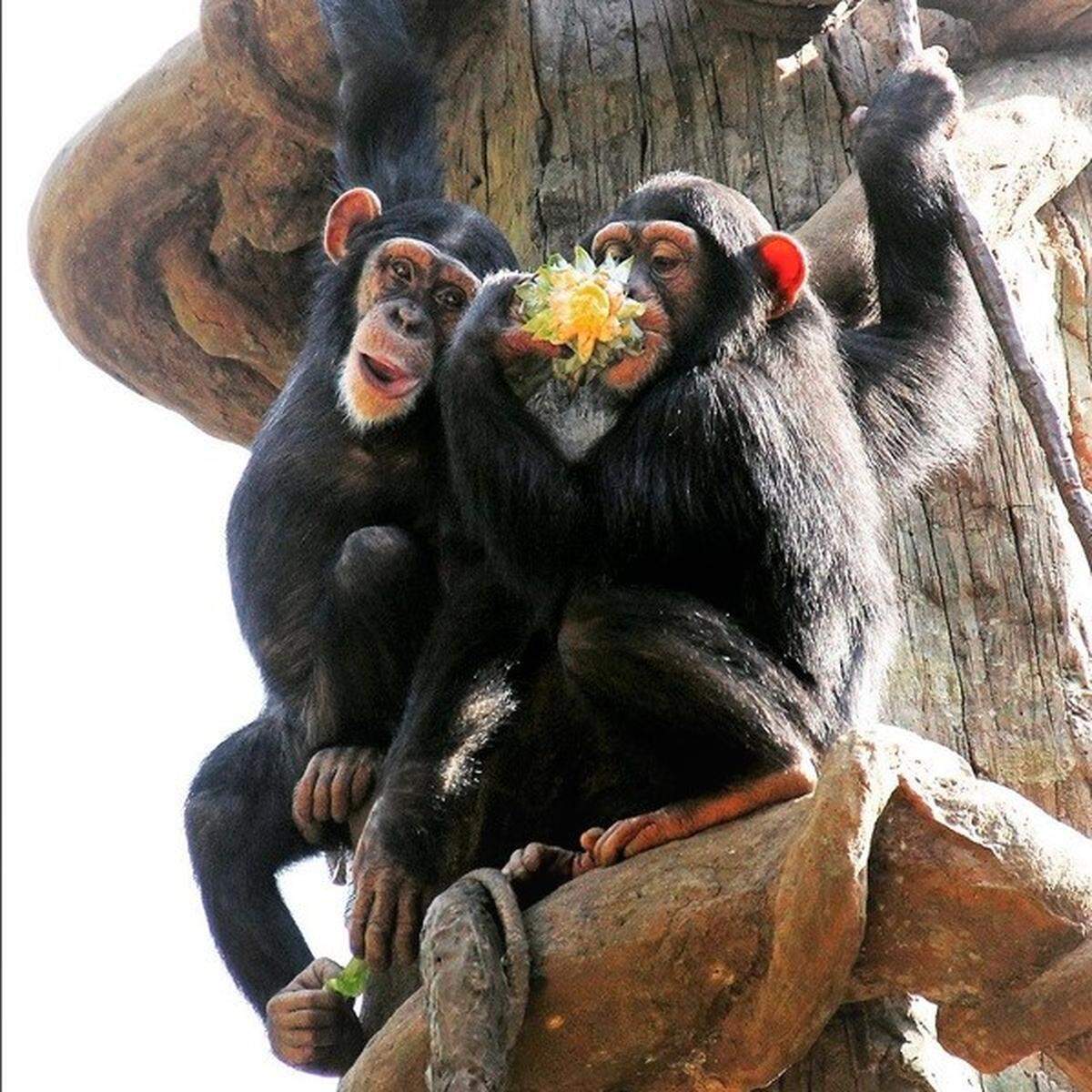
He logged in over 100 hours of work at home, he said, making balls for animals to play with out of paper towels, which zoo staff call “enrichment materials.” “The bigger ones go to the cougars. Some of them would maybe go to the elks or to the bears,” said Jarrett. “And the smaller ones go to the primates, the chimps, and the baboons.”
He can see the arctic foxes at the Rocky Coast again, too.
This story was originally published August 14, 2020 at 11:14 AM with the headline "The North Carolina Zoo was expecting 1 million visitors this year. Then COVID-19 hit.."