Santee Cooper settlements were a ‘waste of stamps’ for some SC customers. What to know
When Lisa Bacigalupo opened her mailbox in Bluffton earlier this month, three checks were inside.
One was addressed to her, one to her husband, and a third addressed to her late father.
The three checks totaled $3.98.
“We’re still looking at them and laughing,” she told The Island Packet. “I can’t believe they wasted a stamp on these checks.”
She didn’t deposit any of them.
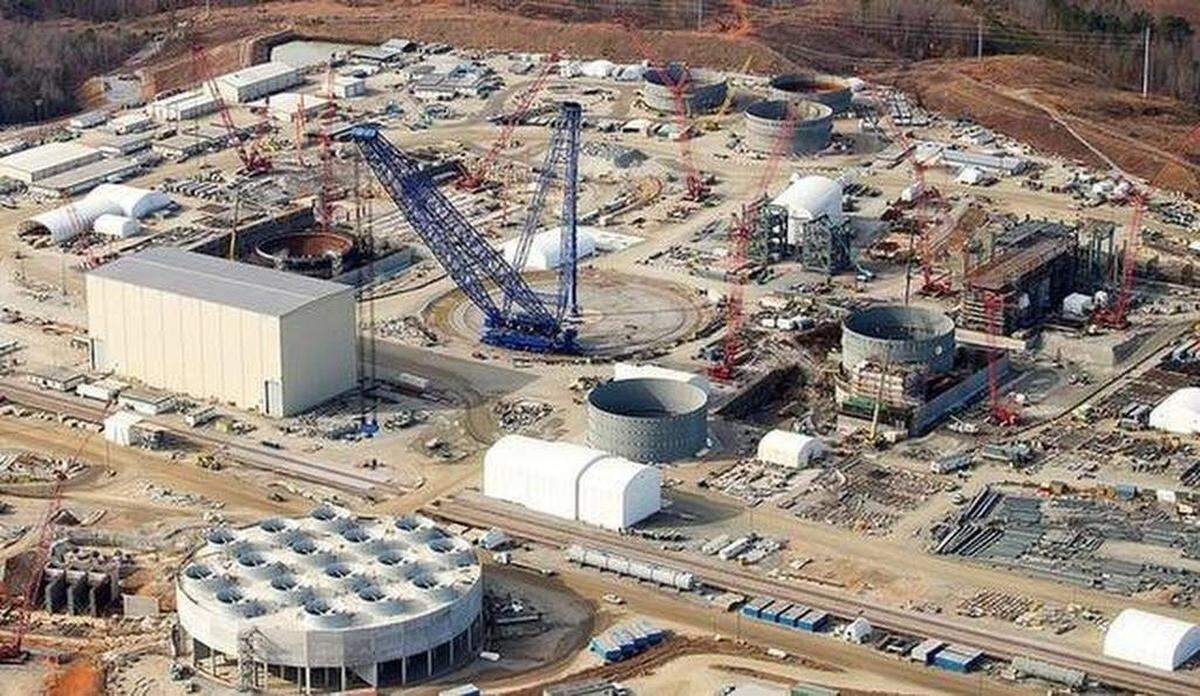
The comically low checks were from the company that supplies their power, Santee Cooper. They were sent as a result of a $530 million settlement reached in a class-action lawsuit between the state-owned public utility and the thousands of residents who paid for a failed nuclear project between 2007 and 2020.
But in the same town as Bacigalupo, Chris Short got a check in the mail for $196 — what he unknowingly paid into the nuclear project as a Palmetto Electric customer for 10 years.
“I actually thought it was a scam,” he said. “I didn’t know in any way shape or form that we were part of that settlement, nor do I know how they calculated it.”
Another Beaufort County resident received $670. Yet another reported getting a check for just 5 cents.
As settlements from the lawsuit arrive across South Carolina, many residents are left with more questions about how much their settlement should be, where their check is, and why it’s so hard to find information about the process.
Although the settlement administrator has launched a website on the issue, it offers few answers or rationale as to how the checks and credits are calculated. They’re based on electric usage, the website says, and therefore, how much money a customer paid toward the V.C. Summer project.
But because customers have no say in who provides their electricity, they have no knowledge of, or control over, how much of their monthly payments went to the project or Santee Cooper.
And the checks themselves provide no more explanation to ratepayers than a phone number to call that connects to a recording.
To some, the whole process falls flat for a publicly owned utility.
“It’s a bad deal, it’s a really bad deal,” Beaufort County resident Bob Durst told The Island Packet. “I feel particularly outraged by this because they are a public utility, I have to buy my electricity from them.”
The settlement for the nuclear plant is the latest irritation in what’s been a complicated relationship between Santee Cooper and the customers it’s designed to serve.
Over 100 people submitted their reactions to their settlements to The Island Packet and Beaufort Gazette newspapers. Here are answers to some of the biggest questions about the settlements:
How is the settlement calculated?
The only explanation offered by the settlement administrator, Epiq Class Action & Claims Solutions, is that settlements are calculated based on electric usage and therefore how much money a customer paid toward the failed nuclear project.
Although electric co-ops were not part of the nuclear project, their power suppliers were involved in Santee Cooper, according to the Lowcountry’s Palmetto Electric.
Palmetto Electric’s power supplier, Central Electric Power Cooperative, buys a majority of the power the cooperative uses from Santee Cooper. Central was required to pay for part of the construction project, so Central and Palmetto Electric Cooperative’s members are due some of the settlement funds, the co-op’s site says.
Still, most ratepayers don’t know how much money to expect.
“I cannot understand how a public utility can have something of this magnitude and not communicate to its customers how the payments were calculated,” Durst told The Island Packet. His check was for $37.40.
And customers have very few places to turn if they want their questions answered.
Ratepayers reported contacting their co-op, Santee Cooper, in addition to the settlement administrator, and were told they couldn’t answer questions about the settlement.
Where is my settlement?
According to the settlement administrator’s website, checks were mailed between Nov. 13 and Nov. 27.
Over a third of the respondents to an Island Packet form about the settlements said they had yet to receive a check as of the second week of December.
The responses collected show how inconsistent the settlement-mailing process has been.
One respondent, a couple who moved from Rock Hill to another state over a decade ago, said they were surprised to receive a settlement check at their new home. For $3.34.
Another respondent said he tracked down his check that was mistakenly sent to Texas, where he has never lived or owned property. He said he was glad he did, because the check was for $380.
And a former student from Coastal Carolina University reported getting $25 based on her utility bill while she was at the Conway school.
How much is the settlement supposed to be?
Settlements varied by nearly $700 in The Island Packet’s analysis.
Ali Heavener, who lives on Callawassie Island, got a check for 4 cents, which she said “was not even worth the postage.”
According to the responses, the average check amount in Beaufort County was $153. Other counties, like Horry, had too few respondents who reported receiving checks to calculate a total.
Those who are still customers of either the cooperatives or Santee Cooper and have refunds of less than $25 got a credit toward their bills.
Customers with a refund of more than $25 got checks, and South Carolinians who are no longer customers of Santee Cooper or the cooperatives also got checks.
What about uncashed checks?
A handful of respondents said they received checks for their late parents or people they’d never heard of.
Bacigalupo, whose late father’s check was worth $3.42, was planning to mail a request to change the name on the check.
But, she was weighing whether that was worth it.
“He didn’t have an estate. I’m it,” she said. “They spent more money mailing this and printing them. Why bother? It is a waste of stamps.”
Uncashed checks will be returned to the settlement fund, according to the agreement.
Then, 50% of the residual funds will be distributed to the South Carolina Bar Foundation to support programs that promote access to the civil justice system for low-income residents of South Carolina.
The remaining 50% of any residual funds will be paid to charitable organizations selected by attorneys who represented the customers in the class-action suit. Those charities should provide energy assistance to low-income individuals.
Who can I talk to about the settlement?
Epiq Class Action & Claims Solution, based in Oregon, provides little information on its site about how to find help, and its frequently asked questions page is more about the deadlines a customer has missed to appeal or opt-out of the settlement.
However, if you think the settlement administrators have an incorrect address for you, you can email info@SanteeCooperClassAction.com.
To request that a replacement check be mailed to an updated address, you must mail a written and signed request asking that a replacement check be issued. You should include your current and former mailing addresses, and mail the request to:
Cook v. SCPSA Class Action Administrator
P.O. Box 3127
Portland, OR
97208-3127
To learn more about the lawsuit, see The Island Packet and The State newspaper’s coverage of the lawsuit on their websites.
This story was originally published December 21, 2020 at 4:30 AM with the headline "Santee Cooper settlements were a ‘waste of stamps’ for some SC customers. What to know."